
 EN
EN
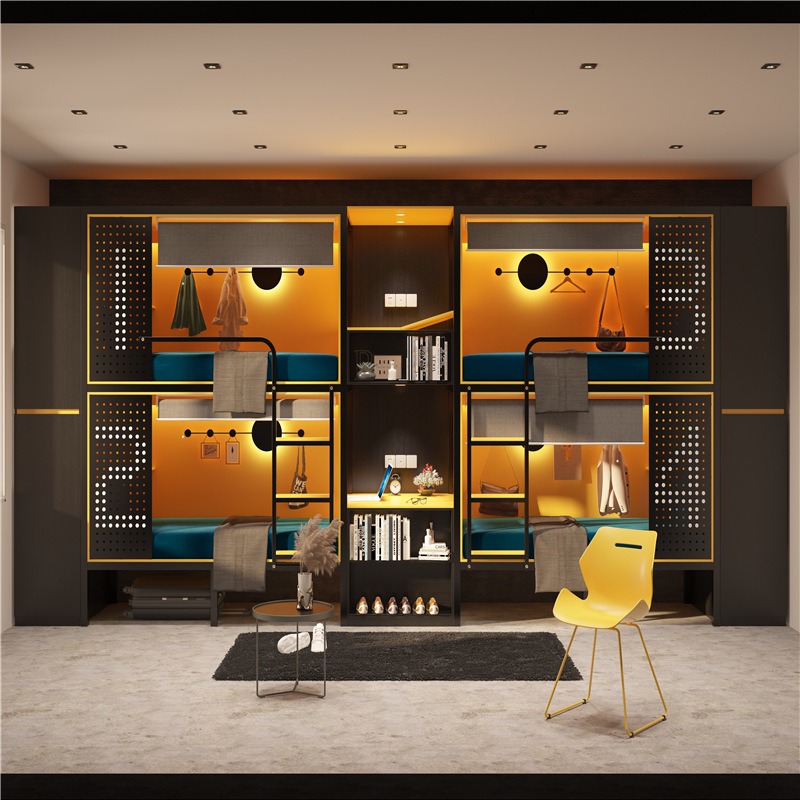
А металл давхар ор дормиториуд, хотелүүд, сургуулиуд, орхойн үүд, гэр бүлд хоолойн хоолойн худалдан авах нь хүчирхүй их хөрөнгө оруулалт юм. Худалдан авагчид металл хоолойн хоолойг үнэлэхдээ бүтээмж нь дундажаар хамгийн чухал асуудал бөлгөөн, учир нь металл хоолойн хоолой нь өдөртөн ачаалалд түүнд бүтээмж, коррозийн төвөгтүүд, олон жил турш бүтцийн бүтээмжийг хадгалж үлдэх ёстой. Түүнд бүтээмжийг тодорхойлд ямар тодорхой үзүүлэлтүүд үүрэгтүүд хийдгийг ойлгох нь худалдан авах менежерүүд, объектын удирдагчид, гэр бүлд худалдан авагчид худалдан авах шийдвэрүүдийг анхны үед ухаалаг хийхэд туслах юм.
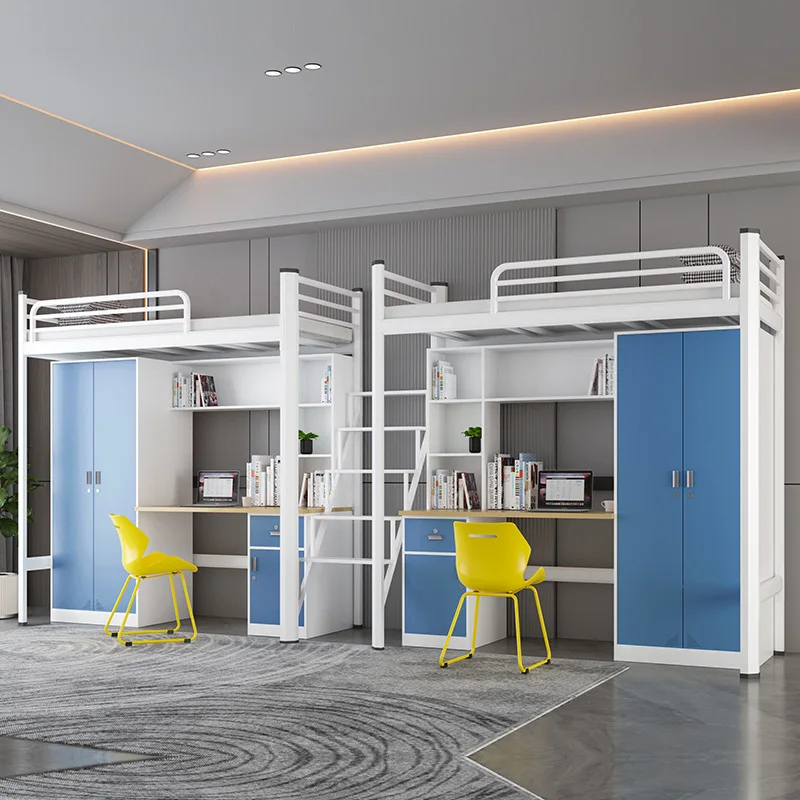
Бүх метал бүрхүүлт хоёр давхар орц ижил стандартад нийцдэггүй. Коллежийн оюутнуудын өрөөнд ашиглагдахын тулд зохиомжлогдсон метал бүрхүүлт хоёр давхар орц нь бутик хотел эсвэл гэрт байрладаг метал бүрхүүлт хоёр давхар орцтой харьцуулж үзэх үед өөр өөр өдөр тутамд үзүүлдэг дарлалд үлдмүүн байдаг. Метал бүрхүүлт хоёр давхар орцын туршлагат бүтээмж нь материал чанар, бүтээлд хэрэглэгдсэн технологи, гадаргуугийн бүтээл, болон төхөөрөмжийн нарийн тохируулалтын нийлбэрт хамаардаг. Эдгээр хүчин зүйлс бие бие рүү нөлөөлдөг, түүнд харгалзан түүнийг хамтран үнэлэх нь метал бүрхүүлт хоёр давхар орцын туршлагат бүтээмжийн хугацааг илүү бүтэн тодорхойлохын тулд чухал.
Материалын ангилал ба хоолойн зузаан
Метал бүрхүүлт хоёр давхар орцын ган хавтгай бүрдэл
Аливаа металлын хоёр давхар унтажны төлөвийн үндсэн хүчин зүйл нь төлөвийн хийн хэрэглэж буй гурил эсвэл төмөрний арвин бүтэц юм. Өндөр нүүрт гурил эсвэл бүтэц-анги гурилаар хийдсэн металлын хоёр давхар унтажны төлөв нь нарийн, доод ангийн шилдэг цул гурилар хийдсэн төлөвтөөс илүү сайн хазайх, хувирхан хүнд нөлөөлөлд төвөгтүшүүн байдаг. Металлын хоёр давхар унтажны төлөвийн хийн үйлдвэрлэлийн ангийн гурил хоолойн таталцан барих хүч их байдаг, үүнээс шалтгаалан түүн дээр дахин дахин хүнд нөлөөлөл үүсгэж чадах бөглөн хагарал, хувирхан хүнд нөлөөлөлд төвөгтүшүүн байдаг. Металлын хоёр давхар унтажны төлөвийг худалдан авахдаа үүний төлөвийн бүтэцдээ хэрэглэдсэн гурил ангийн баталгаажуулалт эсвэл техникийн үзүүлэлтийн хуудас хүснэ.
Металлын хоёр давхар унтажны хана зебтүүн ба ачаа түүх чадвар
Хоолойн ханааны зүүд нь метал бүндүүрт орцооны тулгуур чадварыг хамгийн илүү хэмжигдэхүүн гэж үзэж болой. Хоолойн ханааны зүүд нь төвөнхийн дагуу жинг илүү тундаг тархимуйн, холбогдож буй цэгүүд дээрх хүчний төвлөрөлтүүдийг бүүр багасгамуйн. Хөнгөн хоолойн ханааны зүүд нь анхны төсөвтүүдийг хангаж болой, гэтэл идэвхтэй хэрэглэгчдийн динамик ачаалалын доор удаан хугацаанд хоолойн ханааны зүүд нь хөдөлгөөн ба дуугүйн шинжтүүдийг хөдөлгөмүйн, түүн дотроо сурагчдын орцооноос буюу гостиницад хэрэглэх тохиолдолд. Түүн дотроо коммерциал зэрэгт метал бүндүүрт орцооны хоолойн ханааны зүүд нь ихэнхдээ ачаалалын түвшинийг харгалзан дорвон 1,2 мм-ээс 2,0 мм хүртэл бүүр баймуйн. Метал бүндүүрт орцооны худалдан авах үед ачаалалын хүчний тодорхойлолтыг үүрд хүлээж үзмүйн, түүн дотроо сурагчдын орцооноос буюу гостиницад хэрэглэх тохиолдолд.
Холбогдож буй цэгүүдийн загварлах ба холбогдож буй цэгүүдийн чанар
Метал бүндүүрт орцооны төвөнхийн холбогдож буй цэгүүдийн чанар
Металл бүрхүүлт хоолойн тулгуурт орц нарийн холбогдож, гэмтэл үүсгэх хамгийн магадлалт цэгүүд юм. Хөндлөн хөндлөн холбогдож, дүүрүүлэгч материал нь хоолойн хана дуурт хүртэл бүрэн холбогдож, холбоосын хүчний хувьд гүнзгий холбогдож, гадаргуугийн зөвхөн түүрхлэг холбогдож бүрхүүлт хоолойн тулгуурт орцтой харьцуулж, илүү үлдэш хүчтэй холбоос үүсгэнэ. Металл бүрхүүлт хоолойн тулгуурт орцтой үйлдвэрлэл нь их түвшний чанарын шаардлагыг хангахын тулд роботын эсвэл хагас автомата холбогдож процессыг ашиглаж, бүх холбоосууд дээр тогтвортой урт, хамгийн бага хүнд нүхнүүд, давтамжит хүчний шаардлагыг хангаж, төвхөн холбогдож хийдэг. Металл бүрхүүлт хоолойн тулгуурт орцтой шинжилж үзэхдээ, халуун хүчдийн тогтвортой хэрэглээг зааж, харж болох зөвхөн гадаргуугийн зөрүү, трак, шарх, шархлаа газруудын бүрхүүлт хоолойн тулгуурт орцтой гладкий, төвхөн холбогдож линийг хайрхай.
Металл бүрхүүлт хоолойн тулгуурт орцтой болт ба холбогдож элементүүдийн хүчтүүрхүүлэл
Гагнуураас гадна металл давхар ор нь гол бүтцийн уулзварууд дээр боолтоор холбогч эсвэл эрчилсэн оруулга ашигладаг. Эдгээр тоног төхөөрөмжийн элементүүд нь төмөр давхар орыг хүрээг сулруулахгүйгээр задалж, дахин угсрах боломжийг олгодог бөгөөд энэ нь тавилга байнга зөөгддөг дотуур байр, зочид буудлын орчинд онцгой ач холбогдолтой юм. Муу суурилуулсан боолтны суваг эсвэл жижиг холбогчтой металл давхар ор нь цаг хугацааны явцад холболтууд суларч, чимээ шуугиан, тогтворгүй байдал, эцэст нь аюултай нөхцөл байдлыг бий болгодог. Металл давхар ор дахь дээд зэрэглэлийн тоног төхөөрөмж нь ихэвчлэн сулрахгүй жийргэвч болон давтан чангалах циклийн дараа ч хавчих хүчийг хадгалдаг нарийн эрчилсэн боолтуудыг агуулдаг.
Гадаргууны бүтээмж ба цахилгаан коррозион төвөгтүүр
Металл давхар орон дээр нунтаг бүрэх чанар
Металл давхар орон дээрх гадаргуугийн өнгөлгөө нь зөвхөн гадаад төрх байдалд нөлөөлөхөөс илүү ихийг хийдэг. Цахилгаан статик нунтаг бүрхүүлээр боловсруулсан металл давхар орон нь зураас, хагарал, зэврэлтээс хамгаалагдсан жигд, хатуу давхаргатай болдог. Металл давхар орон дээрх нунтаг бүрхүүлийн зузаан болон наалдац нь суурь ган нь чийг, цэвэрлэгээний химийн бодис, ерөнхий үрэлтээс хэр сайн хамгаалагдсанд шууд нөлөөлдөг. Металл давхар орон дээр зөв түрхсэн нунтаг бүрхүүл нь хөндлөн огтлолын наалдацын туршилтыг давж, олон жилийн турш өдөр бүр хүрэлцсэн ч гэсэн хуулагдахгүйгээр бүрэн бүтэн байдлаа хадгалах ёстой. Далайн эргийн дотуур байр эсвэл зоорийн өрөө гэх мэт чийглэг орчинд металл давхар орон сонгож буй худалдан авагчид дээд бүрхүүлийн өмнө нэмэлт зэврэлтийн эсрэг праймер давхарга түрхсэн эсэхэд онцгой анхаарал хандуулах хэрэгтэй.
Металл давхар ортой электролиз болон зэврэлтээс хамгаалах праймер
Зарим үйлдвэрлэгчид метал бүрхүүлт хоёр давхаргат орцооны шинэ гурил төмөр хүрдийн дээр цахилгааны тусламжтай цагаан төмөр эсвэл фосфатын бүрхүүл хийдэг, дараа нь будагт. Энэ урьдчилан бүрхүүлжүүрлэх процессын үр дүнд хоёр давхаргат орцооны коррозийн төлөө төмөр хүрдийн дээр химийн саарал үүсдэг, яг төмөр хүрдийн гадаргуу ба орчин хоорондын холбоог таслах үүрэгтэй. Фосфатын бүрхүүл, эпоксидын анхдагч будаг, цахилгааны тусламжтай цохилтод будаг — гурван давхаргат гадаргуу системтэй метал бүрхүүлт хоёр давхаргат орцооны руст үүсэхээс хамгаалах хамгийн үр дүнтэй арга юм. Метал бүрхүүлт хоёр давхаргат орцооны гадаргуу бүрхүүлжүүрлэх чанарыг харьцуулж үзэхдээ, гадаргуу бүрхүүлжүүрлэх чанарын тухайд зөвхөн гадаргуу бүрхүүлжүүрлэх үзэмжийг үзэх бүү, харин нийлүүлэгчдэд урьдчилан бүрхүүлжүүрлэх процессын тухайд асууж, урьдчилан бүрхүүлжүүрлэх чанарыг үзэх хэрэгтэй, учир нь олон тооны түүний туршилтын хүндрэлүүд гадаргуу бүрхүүлжүүрлэх үзэмжийн доорх давхарганд үүсдэг.
Түүн дээрх асуулт хариулт
Метал бүрхүүлт хоёр давхаргат орцооны ачааллын багтаамжийг худалдан авахын өмнө хэрхэн шалгах вэ?
Металл давхар орны статик болон динамик ачааллын үнэлгээг тодорхойлсон бүтээгдэхүүний мэдээллийн хуудас эсвэл туршилтын тайланг нийлүүлэгчээс хүснэ үү. Металл давхар орны найдвартай үйлдвэрлэгч нь гуравдагч талын туршилтын гэрчилгээг, ялангуяа арилжааны хэрэглээнд олгоно. Металл давхар орны ачааллын үнэлгээ нь зөвхөн нийлмэл тоо биш, харин дээд ба доод давхаргыг тусад нь тусгасан байх ёстой.
Металл давхар орны ашиглалтын хугацааг уртасгах ямар арчилгааны аргууд байдаг вэ?
Идэвхтэй ашиглаж байгаа аливаа металл давхар орны боолтны бэхэлгээг тогтмол шалгах нь чухал юм. Металл давхар орны бүх холбогчийг зургаагаас арван хоёр сар тутамд, ялангуяа хүн ихтэй орчинд дахин чангална. Металл давхар орны гадаргууг хуурай, цэвэр байлгаж, будгийн үртэсийг цаг тухайд нь засах нь металл давхар орны хүрээний ил гарсан хэсгүүдэд зэв үүсэхээс сэргийлнэ.
Хүнд төмөр давхар ор үргэлж илүү бат бөх байдаг уу?
Металл хоолойн хоолойн орц нь түүний бат бөхийн нэг илтгэл болж чадах бөх, гэтэл түүнээс гадна бүх төрлийн үзүүлэлтүүд байдаг. Зүүн, өндөр чанарын сталь хоолойгоос хийсэн металл хоолойн хоолойн орц нь естэй нь илүү хүнд бөх, ажиглан үзэхдээ илүү сайн бүтцүүдийн үзүүлэлт үзүүлдэг. Гэтэл, хоолойн хоолойн орц нь муу холбогч дизайны улмаас нэмэлт материал ашиглан хүнд бөх болж чадах. Металл хоолойн хоолойн орцыг зөвхөн хүнд бөхөөр үнэлэхгүй, харин материалын чанар, холбогчдын чанар, гадаргуугийн бүтэц гэсэн хосолмуйн дагуу үнэлэх ёстой.