
 EN
EN
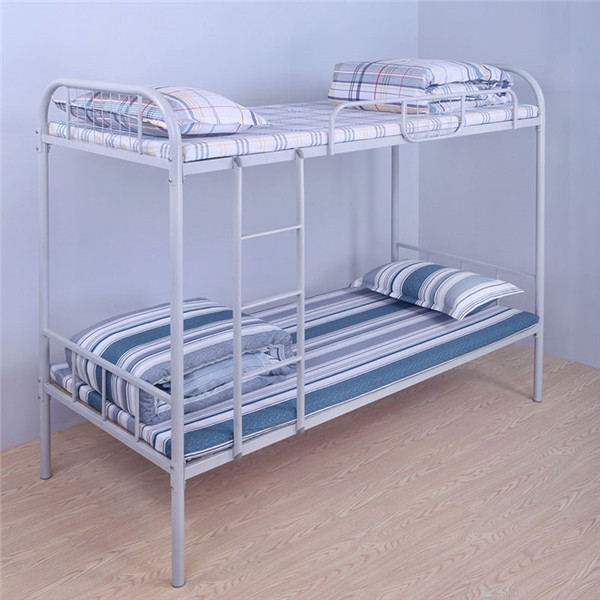
Choosing the right bed frame is a foundational decision — one that affects not only sleeping comfort but also the long-term durability and aesthetic direction of an entire space. When commercial buyers, facility managers, school administrators, or even discerning homeowners begin evaluating their options, the industrial metal bed frame consistently emerges as a high-performing contender. But the real question is not simply whether this type of frame is good — it is specifically when choosing one makes the most strategic and practical sense.
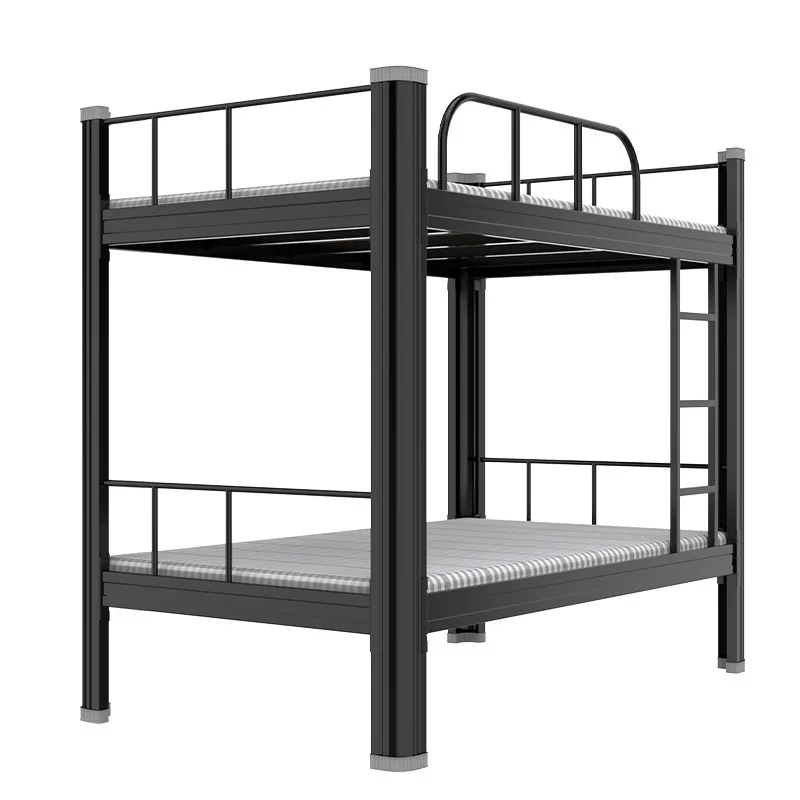
The industrial metal bed frame occupies a unique position in the furniture market. It combines structural integrity with a raw, utilitarian aesthetic that has found broad appeal across dormitories, apartments, hospitality environments, and minimalist residential interiors. Understanding the specific conditions and scenarios where this type of frame outperforms alternatives will help buyers make confident, well-informed procurement decisions. This article explores the exact timing and situational triggers that should prompt you to choose an industrial metal bed frame over other options.
The Core Scenarios That Favor an Industrial Metal Bed Frame
High-Occupancy and High-Turnover Environments
One of the most compelling reasons to choose an industrial metal bed frame is when your environment experiences high occupancy rates and frequent turnover of users. Think student dormitories, staff accommodation quarters, military barracks, or budget hospitality facilities. In these settings, bed frames endure significantly more use than typical residential furniture, and the cumulative stress on joints, slats, and legs can cause inferior materials to degrade rapidly.
An industrial metal bed frame is engineered with load-bearing capacity and repetitive-use resilience in mind. The welded or bolted metal construction resists loosening over time, unlike wooden frames whose joints can become wobbly with repeated assembly and disassembly. This structural stability translates directly into fewer maintenance requests, lower replacement costs, and greater operational continuity for facility managers.
When your procurement cycle demands furniture that performs reliably across hundreds of units and dozens of users per year, the industrial metal bed frame is not just an option — it is the logical default. Its durability-per-dollar ratio in high-use contexts is difficult to match with wood or upholstered alternatives.
Spaces Where Hygiene and Easy Maintenance Are Non-Negotiable
Another clear signal that an industrial metal bed frame is the right choice is when hygiene standards are elevated and maintenance workflows need to be efficient. Medical recovery accommodations, rehabilitation centers, hostel chains, and rental apartment complexes all operate under cleaning regimes that wooden frames simply cannot withstand over time. Wood is susceptible to moisture absorption, warping, mold development, and pest infestation — all of which compromise both hygiene and structural integrity.
Metal surfaces, by contrast, are non-porous and resistant to moisture penetration. An industrial metal bed frame can be wiped down with disinfectants without risk of surface damage or material degradation. The open construction typical of industrial-style metal frames also eliminates hidden cavities where dust mites and allergens accumulate, making routine deep cleaning far more practical.
If your operational context involves regular cleaning protocols, the choice becomes clear. The industrial metal bed frame reduces the time, labor, and chemical costs associated with maintaining a hygienic sleep environment, making it the preferred solution for health-conscious or compliance-driven facility operators.
Aesthetic and Design-Driven Decision Points
Industrial and Loft Interior Aesthetics
Beyond functional durability, there is a specific aesthetic window in which an industrial metal bed frame is the most design-coherent choice. If the interior design language of the space leans toward exposed brick, raw concrete, dark-stained wood accents, steel fixtures, or minimalist industrial styling, then a metal frame becomes a natural centerpiece rather than a compromise.
The visual weight of an industrial metal bed frame — whether it features wrought iron detailing, angular tubular steel construction, or a matte powder-coated finish — reinforces the design narrative of urban, loft-style, or factory-converted living spaces. Placing a heavy upholstered or ornate wooden bed in such a setting creates visual dissonance, while the industrial metal bed frame integrates seamlessly and often anchors the room's aesthetic with genuine authenticity.
Interior designers and property developers working on apartments aimed at younger urban professionals or creative demographics frequently choose the industrial metal bed frame precisely because it communicates a deliberate design sensibility. It is not neutral furniture — it is a statement piece that works in harmony with a very specific and currently popular aesthetic direction.
Space-Efficiency Requirements in Compact Environments
The industrial metal bed frame is also the right choice when spatial efficiency is a priority. Metal construction allows for slimmer profiles — thinner legs, narrower headboards, and lower-clearance base rails — compared to the bulkier dimensions that solid wood frames typically require for structural integrity. This is particularly relevant in compact urban apartments, studio configurations, and dormitory rooms where every centimeter of floor space matters.
Furthermore, many industrial metal bed frame designs are compatible with loft and bunk configurations, which vertically stack sleeping areas to free up floor space for study, work, or storage. The structural strength of metal is what makes these elevated configurations safe and viable. Wood frames at equivalent dimensions would struggle to meet the same load requirements without becoming prohibitively heavy or visually intrusive.
If you are furnishing a space where square footage is limited and layout flexibility is important, the industrial metal bed frame gives you more configurative freedom than most alternatives. It is a practical answer to the space optimization challenges that modern urban housing consistently presents.
Budget Cycles and Long-Term Cost Logic
Large-Scale Procurement with Long Replacement Horizons
When procurement involves large quantities — whether for a new dormitory block, a hotel refurbishment, or a residential development project — the total cost of ownership over a multi-year horizon becomes a central decision variable. The industrial metal bed frame often carries a higher upfront unit cost than entry-level wooden alternatives, but this perspective changes dramatically when lifecycle costs are calculated honestly.
Metal frames, especially those constructed with quality welding and protective coatings, typically last significantly longer than wooden frames under equivalent use conditions. They resist the common failure modes that force early replacement — cracked joints, warped slats, split headboards — and they maintain their structural integrity without needing periodic tightening or reinforcement. Over a five-to-ten year replacement horizon, the industrial metal bed frame almost always delivers a lower total cost per sleeping unit.
Facility procurement teams and property developers who apply lifecycle cost modeling rather than just purchase-price comparisons consistently arrive at the industrial metal bed frame as the economically rational choice for large-scale, long-duration applications. The math favors durability when the numbers are run correctly.
Standardization and Interchangeability Across a Portfolio
Another budget-related scenario where the industrial metal bed frame earns its place is when you are managing a portfolio of properties or facilities and want to standardize your furniture specification. A consistent frame specification allows maintenance teams to use the same tools, spare parts, and replacement components across multiple locations. It simplifies procurement by enabling bulk purchasing agreements and reduces the cognitive overhead of managing disparate furniture inventories.
The industrial metal bed frame is particularly well-suited to this kind of standardization strategy because metal frames are manufactured with high dimensional consistency. Unlike wood, which can vary subtly in grain, density, and response to environmental conditions, metal components conform to precise specifications that remain stable across production batches. This predictability is a meaningful operational advantage for facility managers overseeing multiple sites.
Structural and Safety Considerations That Tip the Decision
Load Capacity and User Weight Diversity
There are environments where user weight distribution is highly variable — co-living spaces, commercial accommodations, or facilities serving diverse adult populations. In these contexts, a standard wooden bed frame may not provide consistent safety margins across all users. The industrial metal bed frame, by contrast, is typically rated for higher static and dynamic load capacities, offering a broader and more reliable safety buffer.
This load resilience also matters for bunk bed configurations, where the weight of an upper sleeping user imposes structural demands that only robust metal construction can consistently meet over time. The welded joints of a quality industrial metal bed frame distribute stress more effectively than mortise-and-tenon or dowel joints in wood, reducing the risk of sudden structural failure under dynamic loads such as movement during sleep.
When safety compliance is part of your procurement brief — especially in commercial, educational, or public accommodation contexts — choosing an industrial metal bed frame provides a more defensible and certifiable structural baseline than lighter or more variable alternatives.
Earthquake, Vibration, and Environmental Stress Resistance
In regions prone to seismic activity, frequent vibrations from nearby infrastructure, or high-humidity coastal climates, the structural robustness and environmental resistance of an industrial metal bed frame becomes a decisive advantage. Metal does not swell, contract, crack, or delaminate in response to humidity and temperature fluctuations the way wood does. Properly coated metal surfaces also resist rust and corrosion when correctly specified for their operating environment.
For facilities in challenging climatic zones or locations with specific environmental stressors, the industrial metal bed frame is simply the more resilient choice. It holds its geometry, its joint integrity, and its surface quality across a wider range of environmental conditions than wood or upholstered alternatives, reducing the risk of accelerated degradation and early retirement from service.
FAQ
Is an industrial metal bed frame suitable for residential home use, or only commercial settings?
An industrial metal bed frame is highly suitable for residential use, particularly in spaces with an industrial, loft, minimalist, or urban aesthetic. It provides the same durability benefits in home environments and suits individuals who prefer a clean, architectural sleeping environment. Many homeowners specifically choose the industrial metal bed frame to anchor a design theme or to invest in furniture that will not require replacement for many years.
How does an industrial metal bed frame perform in terms of noise and movement during sleep?
Quality industrial metal bed frames, when properly assembled with all joints tightened correctly, are generally quiet and stable during normal sleep movement. Noise issues typically arise from loose fasteners or poorly fitted slat systems, both of which are easily addressed during initial assembly or routine maintenance checks. Choosing a frame with secure welded joints and compatible slat supports minimizes any potential for squeaking or movement transfer.
What should I look for when evaluating the quality of an industrial metal bed frame?
Key quality indicators include weld quality at structural joints, wall thickness of the tubing or rods used in construction, the type and adhesion quality of the surface coating or finish, and the load rating provided by the manufacturer. Frames intended for commercial use should also come with clear assembly instructions and compatible replacement part availability. A well-specified industrial metal bed frame should balance visual design with genuine structural performance rather than prioritizing aesthetics at the expense of integrity.
When does it make more sense to choose a wooden bed frame over an industrial metal bed frame?
Wooden frames may be more appropriate when the interior design style is traditional, Scandinavian, or warm-toned rustic, where metal would create visual dissonance. They may also suit environments where the tactile warmth of natural materials is a deliberate hospitality feature. However, for high-use, high-turnover, hygiene-sensitive, or space-constrained environments, the industrial metal bed frame generally offers a more practical and cost-effective long-term solution.
Table of Contents
- The Core Scenarios That Favor an Industrial Metal Bed Frame
- Aesthetic and Design-Driven Decision Points
- Budget Cycles and Long-Term Cost Logic
- Structural and Safety Considerations That Tip the Decision
-
FAQ
- Is an industrial metal bed frame suitable for residential home use, or only commercial settings?
- How does an industrial metal bed frame perform in terms of noise and movement during sleep?
- What should I look for when evaluating the quality of an industrial metal bed frame?
- When does it make more sense to choose a wooden bed frame over an industrial metal bed frame?