
 EN
EN
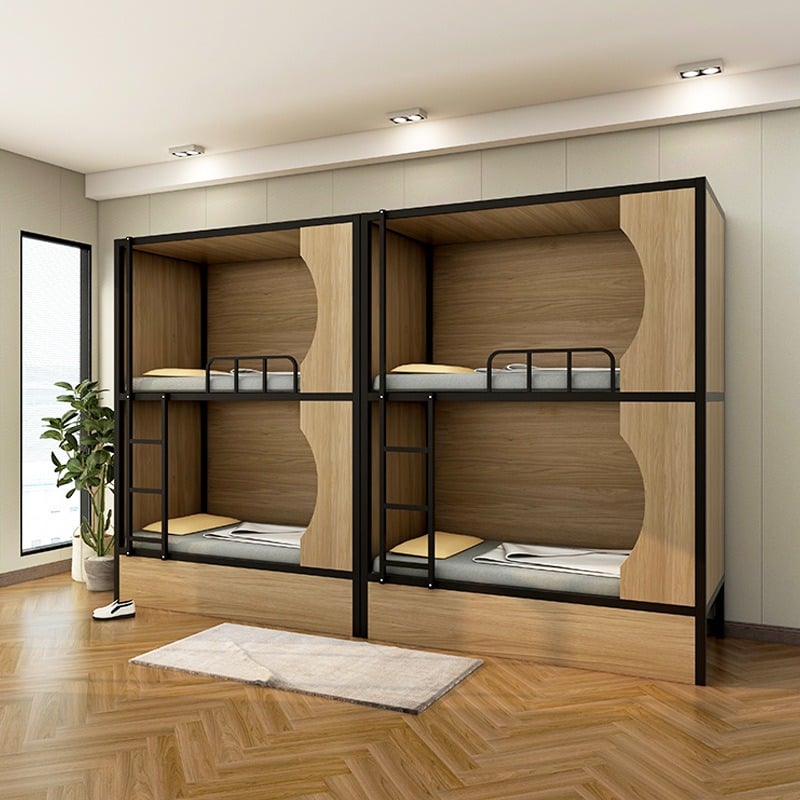
Selecting the right metal bunk bed is a decision that carries more weight than it might initially seem. A metal bunk bed is a long-term investment in space, comfort, and safety, whether you are furnishing a child's bedroom, a shared dormitory, a vacation cabin, or a compact apartment. The wide variety of metal bunk bed designs available today means buyers face real choices, and those choices matter greatly for both daily use and structural integrity over time.
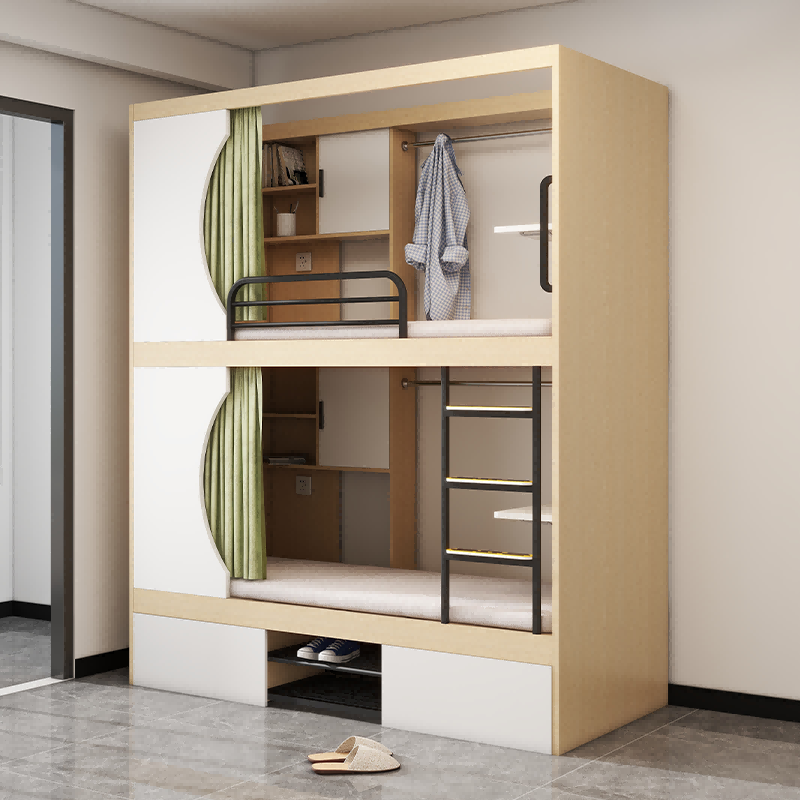
Before purchasing a metal bunk bed, it is essential to evaluate several practical considerations. A metal bunk bed that looks appealing in a product image may not meet the specific spatial, safety, or functional needs of your setting. This guide walks through the most important factors to assess when choosing a metal bunk bed, helping you make a confident, well-informed purchasing decision.
Safety Standards and Structural Quality
Frame Strength and Material Grade
The most fundamental concern when choosing a metal bunk bed is structural safety. A metal bunk bed must be constructed from high-grade steel or iron with sufficient wall thickness to support the combined weight of occupants on both sleeping levels. Thin-gauge metal can flex or weaken over time, especially when a metal bunk bed is used by active children or adults who move around during sleep. Always verify the weight capacity rating of each bunk level before committing to a metal bunk bed purchase.
A quality metal bunk bed should feature robust welding at all joints. Poorly welded connections are a common failure point, and a metal bunk bed with weak welds can become unstable after repeated use. Look for a metal bunk bed that has been tested to recognized safety standards relevant to your region, and ensure any certification documents are available from the supplier.
Guardrails and Ladder Design
A safe metal bunk bed must include adequate guardrails on the upper sleeping level. The guardrail height on a metal bunk bed should be sufficient to prevent a sleeping occupant from rolling off during the night. For a metal bunk bed intended for younger children, higher and fully enclosed rails are strongly recommended. The ladder on a metal bunk bed should be firmly attached, with non-slip steps and a comfortable angle that allows safe climbing. Some metal bunk bed models offer angled ladders or staircase-style access, which can be safer and easier for young children than vertical ladder designs.
Size, Space, and Room Compatibility
Dimensions and Ceiling Clearance
Choosing the correct size is critical when selecting a metal bunk bed. A metal bunk bed typically comes in twin-over-twin, twin-over-full, or full-over-full configurations. Measure your room carefully before choosing a metal bunk bed, paying particular attention to ceiling height. A metal bunk bed requires adequate vertical clearance above the upper bunk so that the top sleeper can sit up comfortably without risk. A commonly used guideline is that at least 75 centimeters of space should exist between the top mattress of a metal bunk bed and the ceiling.
Floor space around a metal bunk bed also matters. Ensure there is sufficient room to access the ladder, open bedroom doors, and move comfortably around the metal bunk bed without crowding the room. A metal bunk bed placed too close to walls or other furniture can restrict airflow and create a cramped sleeping environment.
Mattress Thickness Compatibility
The mattress you pair with a metal bunk bed directly affects both safety and comfort. Most metal bunk bed frames specify a recommended mattress thickness, particularly for the upper bunk. Using a mattress that is too thick on the upper level of a metal bunk bed reduces the effective guardrail height and increases fall risk. Confirm the compatible mattress dimensions and thickness range when evaluating any metal bunk bed model.
Functionality, Design, and Longevity
Multi-Functional and Convertible Features
Modern metal bunk bed designs frequently incorporate additional functionality that extends their usefulness. A metal bunk bed with built-in storage shelves, integrated lighting hooks, or a lower bunk that converts to a sofa can offer excellent value in compact living spaces. Some metal bunk bed configurations allow the two sleeping levels to be separated into individual beds, making a metal bunk bed adaptable as family needs change over time. This convertibility is a key advantage of investing in a well-designed metal bunk bed rather than a basic fixed-frame option.
If a metal bunk bed is being chosen for a commercial setting such as a dormitory, hostel, or camp facility, durability under heavy use becomes even more important. A commercial-grade metal bunk bed should feature reinforced joints, protective coating against corrosion, and a design that allows easy disassembly and reassembly for relocation or maintenance purposes.
Finish Quality and Aesthetic Fit
The surface finish of a metal bunk bed affects both appearance and long-term durability. A metal bunk bed with a powder-coated finish resists chipping, scratching, and rust more effectively than one with a basic painted surface. When choosing a metal bunk bed for a child's room, selecting a finish that is free of harmful chemicals and certified as non-toxic is an important safety consideration. The visual design of the metal bunk bed should also complement the existing room decor, as a metal bunk bed is a dominant piece of furniture that significantly shapes the overall aesthetic of the space.
FAQ
What weight capacity should a metal bunk bed support?
A reliable metal bunk bed should clearly state the weight capacity for each bunk level separately. For a standard residential metal bunk bed, each level should support at least 90 to 150 kilograms depending on the intended user. Commercial metal bunk bed models are often rated higher. Always verify these specifications directly with the supplier before purchasing a metal bunk bed.
Is a metal bunk bed suitable for toddlers?
A metal bunk bed upper bunk is generally not recommended for children under six years of age due to fall risk. If you need a metal bunk bed for a household with younger children, place a toddler on the lower bunk only and ensure the metal bunk bed has full guardrails on all sides of the upper level for older siblings or other occupants.
How do I maintain a metal bunk bed to extend its lifespan?
Regular maintenance of a metal bunk bed includes checking and tightening all bolts and connections every few months, as vibration from normal use can cause fasteners to loosen over time. Inspect the metal bunk bed frame periodically for signs of rust or coating damage, and address any surface issues promptly with touch-up paint or rust inhibitor. Keeping the metal bunk bed in a dry environment and avoiding excessive moisture will significantly extend the service life of the frame.