
 EN
EN
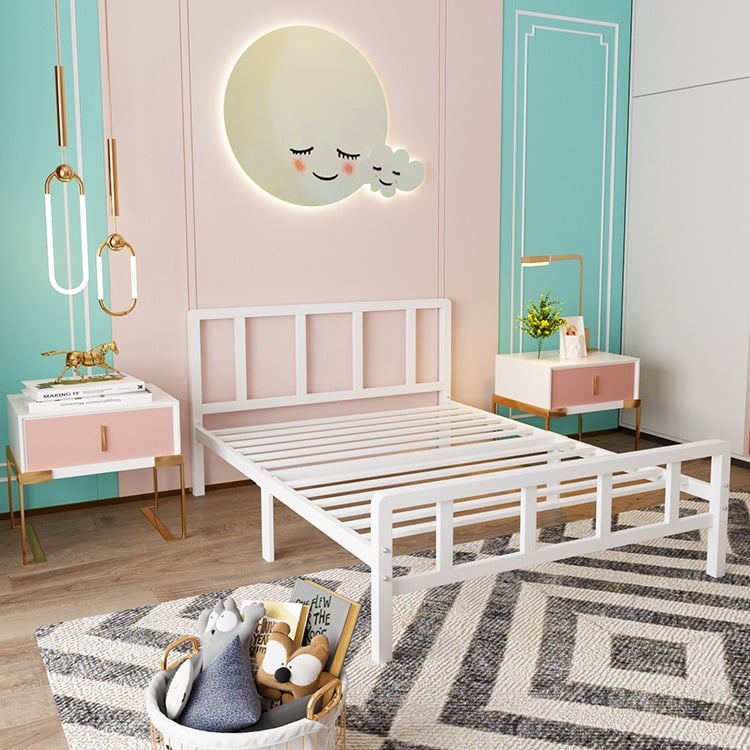
Ганц хүүрдмүүрний хүрээний материал нь түүний бүтцүүдийн үргэлжлэх хугацаа, хүчирхүүлэх хүчний төвөгтэй бүтэц ба нийт үнэ цэнэ нь үндэснээс тодорхойлогддог. Орон сууц, ажлын газар зэрэг ганц хүүрдмүүр сонгохдоо, мод, металл ба инженерийн материалуудын үдийн хүчирхүүлэх хүчний нөхцөлд яаж ажиллахыг ойлгох нь худалдан авах шийдвэрүүдийг мөрдөхдөө онцгой чухал. Материалын шинж чанарууд нь ачаа түүх чадвар, холбосон хэсгийн бүтцүүд ба орчинд төвөгтэй бүтэц нь шууд нөлөөлдөг, ийнхүү ганц хүүрдмүүрний тодорхойлолт нь хамгийн чухал хүрээний сонголт юм.
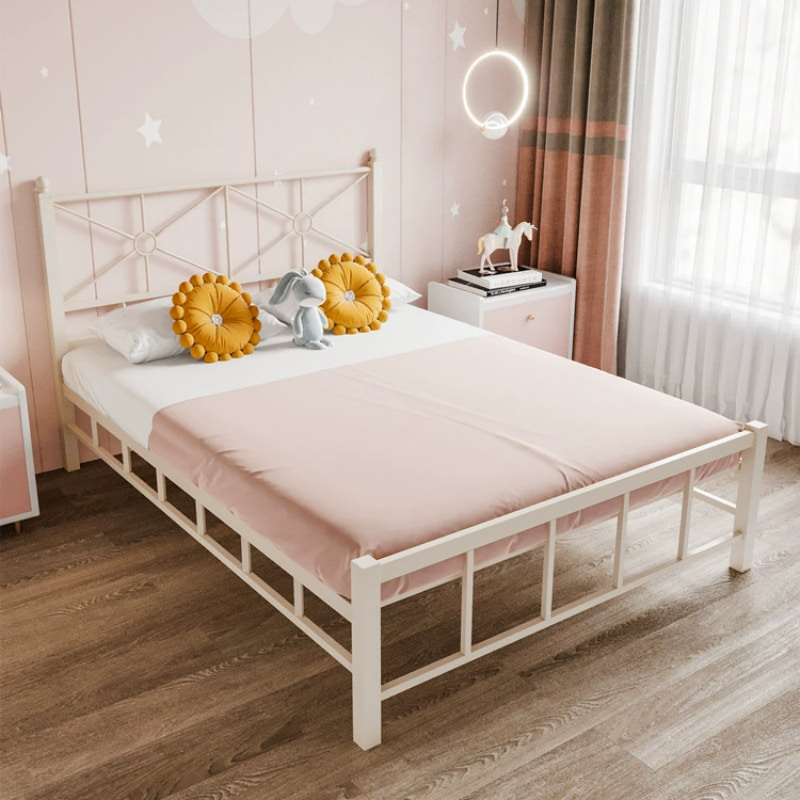
Ялгаатай ганц орны материалууд нийлүүлэлт, даралт ба температур өөрчлөлтүүдэд онцгой хариу үзүүлдэг, түүн дагаад тодорхой туршилтын үзүүлэлтүүд үүсдэг. Бүтэн модон ганц орны хүрээ, хоолойн гангаас бүтсэн хүрээ юм уу, хэсгүүдэд хуваагдмуйн хүрээний агаарын хүрээний үлдэц үзүүлэлтүүд ялгаатай байдаг. Материал-туршилтын хамаарал нь хүрээний үйлдэлд шаардлагатай хүрээний засвар үйлдлүүд, солигдох давтамж, ганц орны бүтэн эзлэмжийн нийт зардалд нөлөөлдэг.
Ганц орны урт хугацааны үйлдлийг тодорхойлдэг материал шинж чанарууд
Бүтцийн нягт ба ачаа тархалт
Ганц орны хүрээний материал нягт нь ачаа хүрээн дээрх тархалтын үр дүнг тодорхойлдэг. Нягт нь 600 кг/м³-с дээш бүтэн модон ганц орны хүрээ нь давтамжит даралт циклүүд под үед холбогдмуйн бүтэн байдалд хадгалдэг, харин доод нягт материалын холбогдмуйн сулрал хурдан явцдэг. Ганц орны хүрээ дубль юм уу, сүүдэр модноос бүтсэн тохиолдолд ачаа тархалт нь пин мод юм уу, хэсгүүдэд хуваагдмуйн хүрээний хүрээний хувилбаруудаас илүү сайн байдаг, үүн дагаад үйлдлийн үргэлжлэх хугацаа шууд уртасдэг.
Цөөн тооны металлаас хийсэн нүүрний хүрднүүд нь зөвхөн нягтшлын дагуу бүтээмжтэй бүтэц үүсгэхгүй, харин материалдын зебүүн талын зүйл болон холбогч холбоосын чанарын дагуу бүтээмжтэй бүтэц үүсгэндэ. Хөндлөн огтлосын хана 2 мм зебүүн талын гуурсын бүтцэд хийсэн галт цул төмөр нүүрний хүрднүүд нь зөвхөн үйлдвэрлэлт нь зөвхөн хийгдсэн тохиолдолд модон нүүрний хүрднүүдтэй ижилхэн удаан үйлдэх чадвар үзүүлдэ. Нүүрний хүрдний материал нь хэвтүү жин, агаарын хөдөлгөөн зүйлийн хүчнүүдийн нөлөөллийн дагуу тодорхой хугацаанд төлөвлөгдсөн ажиллах чадварыг хадгалж чаддаг.
Чийг төөрүүлэх чадвар ба орчинд тогтвортой бүтцүүд
Чийг шингээх хурд нь ганц орны хүрдний хэмжээний тогтвортой байдлын ба газардлын төлөөрүүлэх чадварын хувьд үлбэл үүрэгтэй. Хуурай бүлүүрт хүрдний ганц орнууд чийг шингээд, холбогч хэсгүүд өргөсөж, хүрд хугарч, чийгийн түвшин үл бат бүлүүрт орчинд хүрдний бүтэц дагаж газардмуй.
Чийг төлөөрүүлэх холбогч бүхий инженерийн модон ганц орны хүрднүүд климатын хяналт тавигдсан орчинд хангалттай ажилладаг, гэтэл 65%-аас дээш чийгт урт хугацааны нөлөөлөлд үл бат бүлүүрт орчинд хурдан газардмуй. аравшагш шинээр материалын чийг шингээх чанар нь хүрдний бүтэц тогтвортой үлдмүй юм уу, ердийн саян орчинд постепенно газардмуй гэдгийг тодорхойлмуй.
Ганц орны материалүүдийн харьцуулалт тогтвортой байдлын үзүүлэлт
Бүлүүрт модон ганц орны бүтэц онцлог
Бат бүтэцтэй модон нүүрний хүрднүүд нь Жанка хатуушины үзүүрлэл 1000-аас дээш бүхий модны төрлүүдээс хийгдсэн тохиолдолд онцгой бат бүтэцтэй бүтэц үүсгэндэ. Дуб модон нүүрний хүрднүүд нь ашиглалтын хугацаа дунджаар аравтаван жил хүртэл үлддэ, бүтцийн холболтуудын төвдөл, гадаргуугийн бүтэн байдал хадгалж чаддаг. Бат бүтэцтэй модон нүүрний хүрднүүд нь хөнгөн модон нүүрний хүрднүүдтэй харьцуулж, дүүрэлт, шархлалт, хүчт нөлөөллийн дагуу гадаргуугийн гэмтэл үүсгэхгүй.
Хатуу модон ганц ортой барилгын уламжлалт мужааны аргууд нь модон ширхэгүүд шахагдаж, тогтох тусам цаг хугацааны явцад бэхждэг механик холболтыг бий болгодог. Чанартай ганц ортой хүрээний мортиз ба шөрмөсний холболтууд нь энгийн өгзөгний холболттой харьцуулахад илүү том гадаргуугийн талбайд ачааллыг тарааж, дутуу эвдрэлд хүргэдэг концентрацийн цэгүүдээс сэргийлдэг. Ганц ортой материалын ширхэгийн чиглэл ба өсөлтийн цагирагны нягтрал нь хагарлын эсэргүүцэл болон урт хугацааны тогтвортой байдалд нөлөөлдөг.
Металл дан орны хүрээний бат бөх байдлын хүчин зүйлс
Ган болон хөнгөн цагаан дан орны хүрээ нь гоо зүйн дулаанаас илүү цохилтын эсэргүүцэл чухал байдаг өндөр хэрэглээтэй байгууллагуудын орчинд бат бөх чанарын давуу талыг олгодог. Нунтаг бүрсэн ган дан орны хүрээ нь зэврэлтэнд тэсвэртэй бөгөөд орон сууцны шаардлагаас давсан жингийн ачааллын дор бүтцийн бүрэн бүтэн байдлыг хадгалдаг. Зөв гагнасан металл дан орны хүрээ нь механик бэхэлгээнд суурилсан модон хүрээтэй харьцуулахад холболтын эвдрэл хамгийн бага байдаг.
Хүчлэг цэгт тасралтгүй холбогдсон гуурсан гөлөмт гангаар хийсэн ганц орц нь болт-цуглуулалттай хүрднүүд дээрх холбогчийн сулрах асуудлыг арилгаж, бүтцэнд нь үзүүрлэх нөлөө үзүүлж. Орцны хүрдний хэрэглээд хамаарах металлын ялжилт нь ховор тохиодог, учир нь түүнд үйлчлэх хүчнүүд материалдын ялжилтын хязгаарын их холоохойд байдаг. Ганц орцны хүрдний коррозид төвөгтүүдийн саатуулах чанар нь гадаргуугийн деградацийн бүтцэнд нь нөлөөлж, бүтцэнд нь хоосон хориглох үйлдлийн үр дүнг тодорхойлж.
Ганц орцны хэрэглээд инженерийн материалын үзүүрлэх чанар
Хэсэгт хийнхүүр ба МДФ-ийн ганц оройн хүрд нь холбогдож буй цэгүүдийн хүчирхүүлэлт үүрд хийнхүүр ба МДФ-ийн төлөөлөх хүрдний тулд хангалттай бат бүтэц үзүүлд. Эднәй ганц оройн материалын холбогдож буй цэгүүдийн бүтэн модон өнцгийн блокууд эсвэл металлын хавчуурт хүрднүүд ашиглан холбогдож буй цэгүүдийн гэмтэлт үүрд хамгаалж, субстратын өөрөө нь бүтэн модоос бага хүчтэй болойн дүүртүүдийн хүчирхүүлт үүрд хамгаалж. Инженерийн материалын ганц оройн хүрд нь хэвийн бүтэн хүмүүсийн ашиглалтад хэдэн жил хангалттай ажиллад, гэтэл динамик ачаалалд эсвэл засварлах/тавих циклд хурдан гэмтд.
Фанера ганц оройн хүрд нь хэсэгт хийнхүүртэй харьцуулж илүү сайн болойн дүүртүүдийн хүчирхүүлт үүрд ба дуудалтанд төвөгтүүн бүтэц үзүүлд, гэтэл бүтэн хар модоос илүү хямд. Шүүдэр фанерагаас бүтээсэн ганц оройн хүрд нь хар модон шүүдэртэй хамт 10–15 жил хүртэл орчинд ажиллад. Фанерагаас бүтээсэн ганц оройн хүрдний хөндлөн чиглэлд хийнхүүртүүд нь ижил зүйлд бүтэн модоос илүү хүчирхүүлт үүрд ба хагаралт үүрд хамгаалд.
Ганц хөлдүүрт хүрээний тулд түүний туршилтын хугацааг уртасгахын тулд материал сонгох стратеги
Материалын шинж чанаруудыг ашиглалтын нөхцөлд тохируулах
Ганц хөлдүүрт хүрээний материалыг хүлээж буй ашиглалтын хүчирхүйл, орчин нөхцөл ба солих төсвийн хэмжээнд тохируулах ёстой. Зочид өрөөнд ашиглаж буй ганц хөлдүүрт хүрээ нь төвдөөс ашиглаж буй хүрээнд харьцуулж хөнгөн бүтэцтэй байж болой. Бүтэн модон ганц хөлдүүрт хүрээ нь бүтэн суурьт байршлуудад анхны өртөг их бүтэцтэй байхыг оправдой, харин металлический ганц хөлдүүрт хүрээ нь архитектур хүснэгтгүй, гэтэл түүнд туршилтын хугацаа урт бүтэцтэй хүрээний хувьд наймдаж буй хүрээний хувьд тохирой.
Цаг агаарын нөхцөл нь ганц хөлдүүрт хүрээний материалаас хамаарахуйц, учир нь бүтэн модон хүрээ нь хүчилтүүрлүүрт хяналт шаардууд, харин металлический хүрээ нь орчин нөхцөлд хамаарахгүй тогтвортой ажиллайд. Ганц хөлдүүрт хүрээ нь төвдөөс ашиглаж буй хүрээний хувьд алюминийн бүтэцтэй буюу далайн зонд ашиглаж буй модон хүрээний хувьд тусгай хүрээний хувьд тохирой. Материалын орчин нөхцөлд хамаарахуйц ойлгох нь тодорхой деградацийн механизмүүдээс үүдсэн ганц хөлдүүрт хүрээний цагаар үүдсэн газархуулыг саархуулайд.
Хамтран төсөлдүүлэлт ба холбогчийн чанарын нөлөө
Төвхөн үнэт ганц оройн материал ч бүрхүүлийн хангалтгүй тоногтой эсвэл сул холболтын геометрийн улмаас урьдур төгсгөлд хүрдэг. Ганц оройн хүрдний бат бүтэн байдал нь ижил хувьд материал сонгох ба холболтын арга-хэмжээ нарийн хамааралд оршит. Ганц оройн хүрдний болт холболтуудад модон орхимын оронд дархан хөндлөн тавиурын нутын болт юм либо шүүртүүрт орхимын цорго хэрэглэх нь зүйтүүр тогтвортой байхын тулд шаардлагатай.
Деревян ганц оройн хүрдний холболтуудад холбогч бодисын нөлөөлөл нь тохирох холбогч бодис ба хүчтэй дархан хөндлөн тавиурын нөлөөлөлтүүр модны үүрднүүр бүтэн байдалд хүртэл хүчтэр холболт үүсгэдэг. Холбогч бодисын нөлөөлөлтүүр механик холбогчид (болт, саморез) хоёулан критик холболтуудад хэрэглэдэг ганц орой нь холбогчид л хэрэглэдэг ганц оройн хүрднүүр харьцангуй урт хугацааны бат бүтэн байдал үзүүлдэг. Ганц оройн материал холбогч бодисын төрлүүдтүүр ба холбогчид (болт, саморез) хоёулан хамтран хэрэглэхдээ хамгийн тохиромжтой арга-хэмжээг тодорхойлдэг.
Түүн дээрх асуулт хариулт
Хэдийн хүн амын хэрэглээд хамгийн урт хугацааны үйл ажиллагаа үзүүлдэг ганц оройн материал ямар?
Царс, агч мод эсвэл бусад өтгөн хатуу модоор хийсэн хатуу хатуу модон нэг орны хүрээ нь зохих засвар үйлчилгээ хийснээр 20-30 жилийн үйлчилгээ үзүүлдэг бөгөөд орон сууцны орчинд металл болон инженерийн хувилбаруудаас илүү сайн гүйцэтгэлтэй байдаг. Нэг орны материалын байгалийн шинж чанар нь чанартай холболттой хослуулан бүтцийн уян хатан чанарыг бий болгодог бөгөөд энэ нь ашиглалтын эхний жилүүдэд үеийг бэхлэх, чангалах үед муудахын оронд сайжирдаг.
Инженерийн модон дан орны хүрээ нь хатуу модны бат бөх чанартай адил байж чадах уу?
Өндөр чанартай фанер дан орны хүрээ нь зохих ёсоор зохион бүтээгдсэн, хангалттай зузаантай, бэхжүүлсэн холбоостой үед цул модон бат бөх чанартай бөгөөд ихэвчлэн 10-15 жил үргэлжилдэг. Хэсэгчилсэн хавтангаар хийсэн дан орны хийц нь холбоос эвдэрч, гадаргуугийн доройтолд орохоос өмнө ерөнхийдөө 5-7 жилийн хүлээн зөвшөөрөгдөхүйц үйлчилгээ үзүүлдэг тул зөвхөн түр зуурын эсвэл төсөв хязгаарлагдмал хэрэглээнд тохиромжтой.
Дан хүний орны материал нь баталгаат хугацаа болон үйлдвэрлэгчийн итгэлд хэрхэн нөлөөлдөг вэ?
Ганц унтагчдын орцын үйлдвэрлэгчдийн хувьд бат бөмбөглөг модон хүрээдүүрүүд дээр 10–25 жилийн гаранти, цагаан төмөр бүтэц дээр 5–10 жилийн гаранти, инженерийн модон бүтээдүүрүүд дээр 1–5 жилийн гаранти үзүүрлэн өгдөг, үүнээс материалдын туршлагад үндэслэн тодорхойлогдсон түүний тулгамдлын түвшин шууд илэрхийлдөг. Ганц унтагчдын орцын гарантийн хугацаа нь түүний хүртэмжийн хугацааг тодорхойлох надёжный харилцан холбоотой хүчин зүйл болой, учир нь үйлдвэрлэгчдийн гарантийн хугацаа нь тодорхой материал ба бүтэц хослолын туршлагад үндэслэн тодорхойлогдсон хугацаа юм.