
 EN
EN
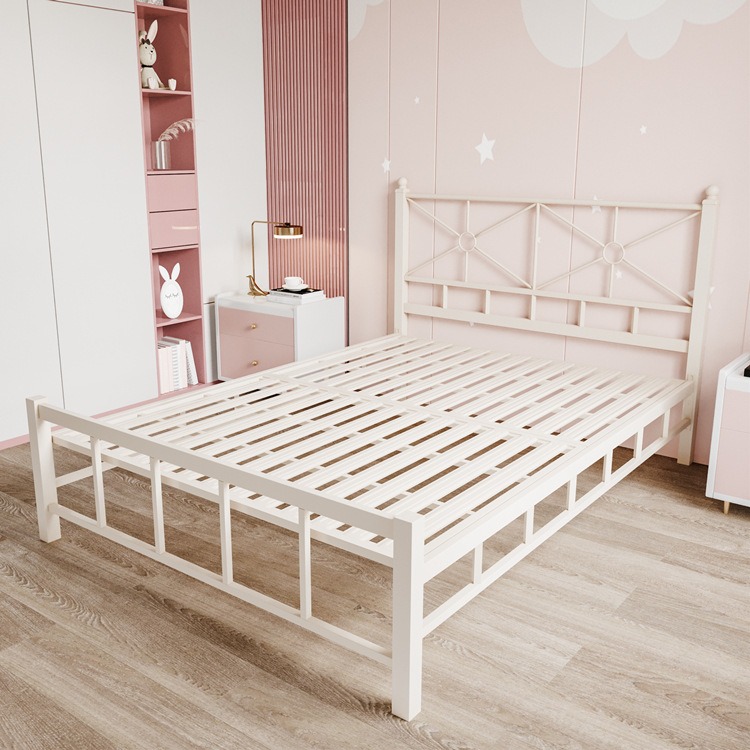
Choosing the right single bed is one of those decisions that looks simple on the surface but carries more practical weight than most buyers expect. A single bed must fit the room, suit the sleeper, and align with the overall furniture layout — all while offering enough comfort for restful sleep night after night. Whether you are furnishing a child's bedroom, a guest room, or a compact studio apartment, getting the dimensions right from the start saves you time, money, and frustration.
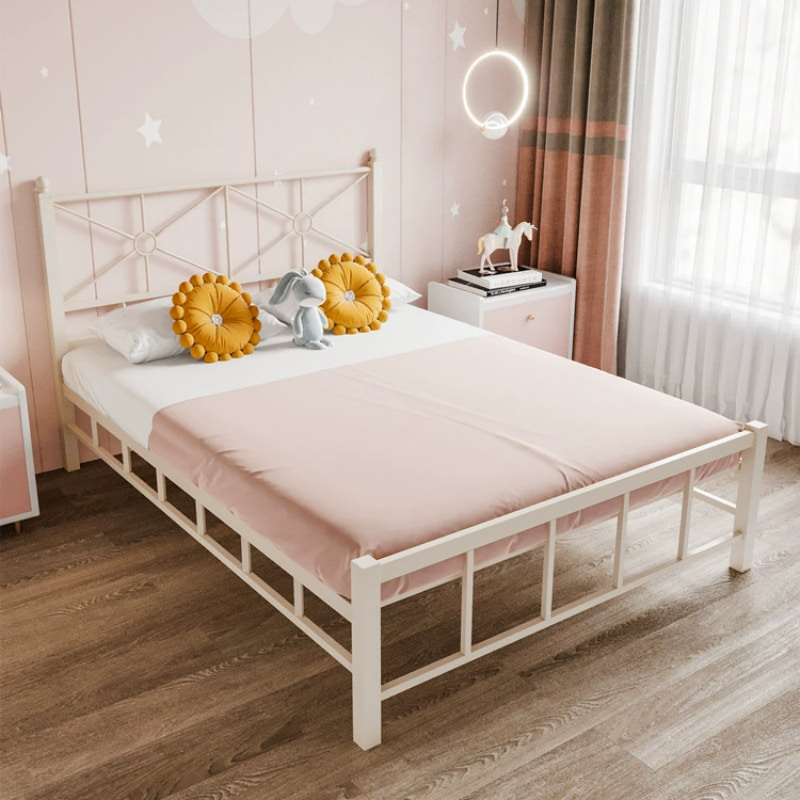
A standard single bed typically measures 90 cm wide by 190 cm long, though variations exist depending on region and manufacturer. Some markets offer a 'small single bed' at 75 cm wide, while others provide a 'long single bed' at 200 cm for taller sleepers. Understanding these differences is the foundation of any smart single bed purchase. This article walks through every key dimension consideration so you can make a well-informed choice before committing to a specific single bed model.
Standard Single Bed Dimensions Explained
Width and Length as Starting Points
The width of a single bed is the most defining factor for sleeper comfort. At 90 cm wide, a standard single bed offers enough space for one adult or child to sleep without feeling cramped, but it leaves little room for restless movement. If the intended user tends to shift positions during sleep, a wider single bed variant — sometimes called a 'European single' at 90 cm or a slightly wider 100 cm option — may be worth considering. Width directly affects how comfortable and restful the single bed feels on a daily basis.
Length is equally important, especially for taller users. The standard single bed length of 190 cm suits most adults up to approximately 180 cm tall. For users taller than that, a 'long single bed' at 200 cm provides the extra clearance needed. Always measure the intended user's height and add at least 10 cm to 15 cm to determine the minimum appropriate single bed length. Ignoring this step is one of the most common mistakes buyers make when selecting a single bed.
Mattress Dimensions vs. Frame Dimensions
One detail that often causes confusion is the difference between the mattress size and the single bed frame size. A single bed mattress is typically cut to match the inner dimensions of the frame, while the outer frame itself adds extra length and width. The total footprint of a single bed — including the frame, headboard, and footboard — can be 5 cm to 10 cm larger on each side than the mattress alone. Always measure the full frame dimensions when assessing whether a single bed fits your floor plan, not just the mattress size.
Room Size and Spatial Planning for a Single Bed
Minimum Room Requirements
A single bed works well in rooms with limited square footage, but spatial planning still matters. As a general guideline, a room should have at least 60 cm to 90 cm of clear walkway on the sides and foot of the single bed to allow comfortable movement. In very compact rooms, a single bed placed against the wall on one side can reduce the necessary clearance to as little as 60 cm on the open side. Planning this layout before purchasing helps ensure the single bed integrates naturally into the space.
Beyond walkway space, consider the placement of doors, windows, wardrobes, and desks in relation to the single bed position. A single bed positioned directly in front of a door swing or blocking a window creates immediate functional problems. Sketch a rough floor plan before finalizing your single bed choice and placement. This step takes only a few minutes but can prevent costly repositioning later.
Storage Single Bed Options and Their Dimensional Impact
Many single bed models now include integrated storage drawers beneath the frame. These under-bed drawers require additional clearance to open, typically 50 cm to 60 cm on the drawer-access side. If you are considering a storage single bed, account for this extra clearance in your room plan. A single bed with storage adds practical value in small spaces, but the dimensional requirements are slightly more demanding than a standard single bed without drawers.
Choosing a Single Bed for Different Users and Settings
Single Bed for Children
A single bed is the most common choice for children's bedrooms, and with good reason. The standard single bed width gives a child enough personal space while keeping the room footprint manageable. For younger children transitioning from a toddler bed, a single bed with low side rails or a low frame height improves safety. As the child grows, a 'long single bed' version ensures the furniture remains usable well into adolescence without requiring replacement. Choosing the right single bed for a child means balancing current needs with growth-stage longevity.
Frame height is another dimension worth considering in a child's single bed. A lower frame is easier and safer for young children to climb in and out of. For older children and teenagers, a higher single bed frame that accommodates storage drawers underneath adds useful functionality without increasing the room footprint.
Single Bed for Guest Rooms and Studio Apartments
In guest rooms and compact studio apartments, a single bed is often chosen primarily for space efficiency. A single bed in these contexts should balance compactness with enough comfort to serve occasional adult sleepers. The 90 cm by 190 cm single bed remains the most versatile choice for guest use. Pairing a single bed with a quality mattress rated for occasional adult use ensures that guests are comfortable without requiring a larger bed that would dominate the space.
For studio apartments where the single bed also functions as a seating or lounging surface during the day, consider a single bed with a supportive and firm mattress that holds its shape under varied usage. A single bed styled with cushions and a throw can visually serve as a daybed, making the single bed a multifunctional piece in a compact living environment.
FAQ
What is the standard size of a single bed?
A standard single bed typically measures 90 cm wide by 190 cm long. Some regions use a slightly shorter or narrower single bed variant, so always confirm the exact frame and mattress dimensions before purchasing a single bed for your space.
Can an adult sleep comfortably on a single bed?
Yes, most adults can sleep comfortably on a single bed, provided the length is sufficient for their height. Adults taller than 180 cm should look for a long single bed at 200 cm in length. For regular adult use, pairing the single bed with a high-quality mattress makes a significant difference in comfort.
How much floor space does a single bed require?
A single bed requires a minimum room area of approximately 7 to 9 square meters to allow for comfortable movement around it. The single bed itself covers roughly 1.7 square meters, but adequate walkways around the single bed frame add to the total spatial requirement. Always include clearance space in your planning, not just the single bed footprint.