
 EN
EN
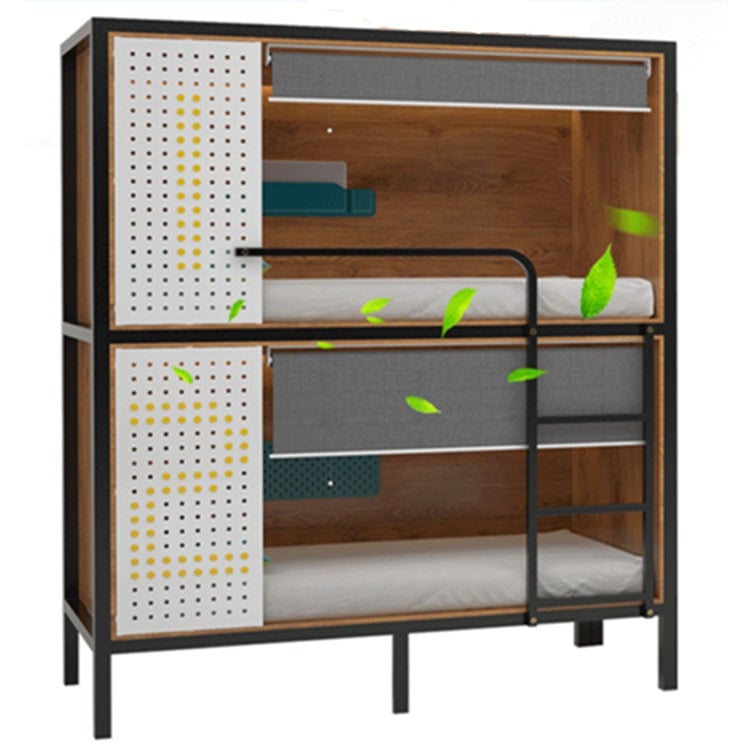
Хүүхдүүдийн хоёр түвшний орцоо аюулгүй байлгах нь бүтцэн дизайны, суургах дүрэмжүүдийн, өдөр тутамд ашиглалтын практикын нүүрснүүр ухаан шаардууд.
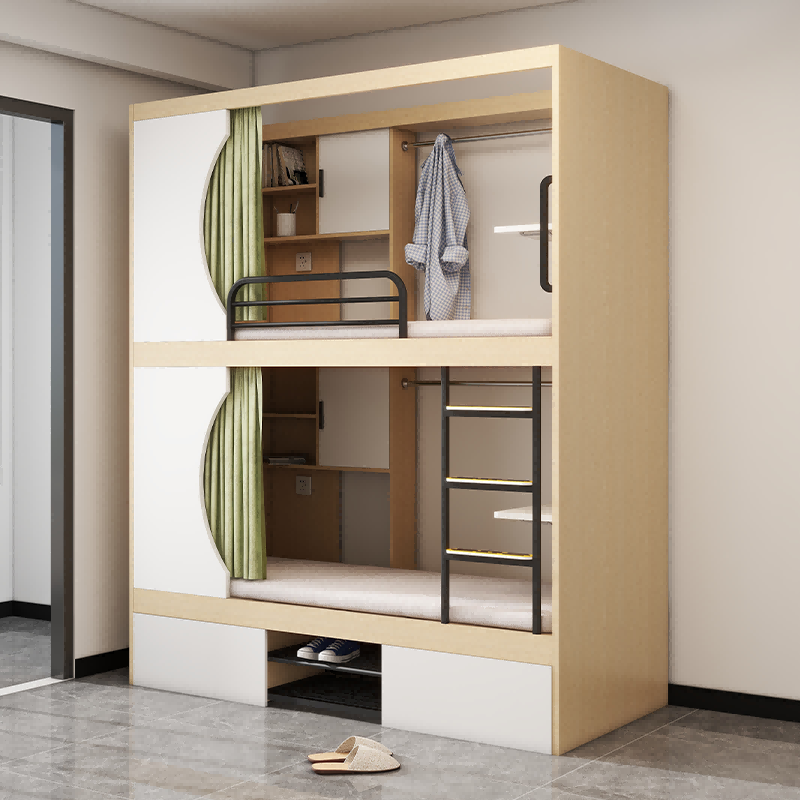
Сайн загварчлагдсан дунд нь сууцтай шинээр хоёр давхар орцоны аюулгүй байдлын олон тооны шинж чанаруудыг нэгтгэн хэрэглэдэг, үүнээс хоёр давхар орцоны дээд тавцан дээрх хамгаалалтын саалангуудын өндөр матрасын гадаргуугаас дор хүртэл тавин сантиметр бүрдүүлж, унтах үед хөлдөх гэмтлийн аюулыг саатуулж, хамгаалалтын саалангуудын зуурмуйн зай нь гараас илүү 3.5 дюйм (9 см) бүрдүүлж, толгойн хүртэлх хориглох аюулыг арилгаж, хоёр давхар орцоны шат нь гулзайхгүй хөвөнгүй тавцан дээр бүрдүүлж, хүүхдүүдийн хөлдөхгүй, хэт хүртэлх хөдөлгөөнгүй, хялбархан гарч ирж, хөлдөхгүй байхын тулд өнцгийн бүрдүүлж, матрасын сонголт нь мөн чухал, учир нь хэт зүүн матрасууд хамгаалалтын саалангуудын үр дүнтэй өндөрт нөлөөлж, унаж гэмтэх аюулыг нэмэгдүүлж. Дээрх бүтцийн шинж чанаруудыг хангаж, эцэд хоёр давхар орцоны аюулгүй байдлын суурь үеийг бүрдүүлж, хүүхдүүдийн идэвхтэй тоглоомын үед ба унтах үед хамгаалж.
Хоёр давхар орцоны бүтцийн аюулгүй байдлын стандартуудыг ойлгох
Хамгаалалтын саалангуудын өндөр ба матрасын зүүн бүтцийн нийлүүлэлт
Хамгаалалтын хавтгай өндөр ба матрасын зүүднүүр нь дүүрэн унтагчны түүвэрт хамгаалалтын төв асуудал юм. Дүүрэн унтагчны хамгаалалтын хавтгай нь матрасын дээд гадаргуунаас доод таван инч өндөр байх ёстой, матрасын төрөл ба хугацааны дагуу шахагдаж бүрдэх үзүүлэлтүүдийн харгалзан. Хэрэв дүүрэн унтагчны матрасын зүүднүүр нь найман инч бөлгөн, харин хамгаалалтын хавтгай нь унтагчны хүрдний суурин хэсгээс нь хоёр арван дөрвөн инч өндөр бөлгөн, түүнээс үүсэх хамгаалалтын бүрхүүл нь дөрвөн инч өндөр бөлгөн, үүнээс аюултай зай үүсдэг. Эцэд нь матрасыг тавьж, хүүхдийн жингийн нөлөөллөөр шахагдаж бүрдсэн дараа матрасын дээд талын хавтгайгаас хамгаалалтын хавтгайны дээд талын хавтгай хүртэлх зайг хэмжих ёстой. Дүүрэн унтагчны дээд түүвэрт хүрэлцэх хамгаалалтын хавтгайны зайг хадгалахын тулд зүүднүүр бага матрас сонгох нь шаардлагатай. Энэ координаци нь хүүхдийн унтаж бүрдэх үед ирмүүднүүрт ойрхон хөдлөх тохиолдолд хамгаалалтын хавтгай нь уналтаас саад тавихуйц өндөрт байхыг бүрдүүлдэг.
Хавтгайнуудын зай ба бүрхүүлд орж үхэх аюул
Хүүхдүүд хөндлөвч, хашлага эсвэл хүрээний эд ангийн хоорондох зайд гулсах үед давхар орны ор гацах тохиолдол гардаг. Аюулгүй байдлын стандартад хөндлөвчний хөндлөвчний хөндлөвчний хоорондох зай болон хашлага болон орны хүрээний хоорондох зай зэрэг давхар орны бүх нүх 3.5 инчээс хэтрэхгүй байх ёстой гэж заасан байдаг. Энэхүү хэмжилт нь бага насны хүүхдүүдийн толгойн тойргийн өгөгдөлд үндэслэсэн бөгөөд хүүхдийн толгойг давхар орны нүхэнд шахахаас урьдчилан сэргийлэх зорилготой юм. Эцэг эхчүүд худалдан авахаасаа өмнө давхар орныг сайтар шалгаж, зай бүрийг хатуу шугам эсвэл загвараар хэмжих хэрэгтэй. Аюулгүй байдлын шаардлага хангасан гэж зарлагдсан давхар орны ор ч үйлдвэрлэлийн зөрчилтэй байж болзошгүй тул гараар баталгаажуулах нь чухал юм. Хэрэв ямар нэгэн нүх 3.5 инчээс хэтэрвэл өөрчлөлт хийх эсвэл бүтээгдэхүүнийг солих хүртэл давхар орныг ашиглаж болохгүй. Энэхүү хөндлөвчний хөндлөвчний зайны дүрэм нь давхар орны дээд ба доод давхарт хоёуланд нь хамаарна, учир нь бага дүү нар доод давхар орны хүрээний ойролцоо авирч эсвэл тоглож болно.
Хүрээний тогтвортой байдал ба холбогчийн бүтэн байдал
Тогтвортой хоёр давхар орц хүрээ нь хоёр давхар орц дээрх нийт аюулгүй байдлын үндэс юм. Хүүхдийн дээд орц дээр гарах үед хүрээ хөдөлж, хагарж, сонсгогдож, харж болох хөдөлгөөн нь холбогчид суураа ганхаж, бүтцэд сулрал үүсгэж буйг илтгэнэ. Бүх болтын, винтовын, холбогчийн холболтуудыг үйлдвэрлэгчийн цуглуулалтын зааврын дагуу хатгуулж, хүүхдийн эцэд түүнүүдийг гурван сар тутам шинээр шалгаж үзэх ёстой. Модон хоёр давхар орц хүрээ нь цаг хугацаа өнгөрөх тусам, түүн дотор үеүд ба өнцгүүд дээр, трещинын хэлбэрт трещин, хагарал үүсгэж буйг илтгэнэ, харин металлический хоёр давхар орц хүрээ нь холбогчдын зүүдлүүд хагарж, тулгуур хавтгайнууд нь хазайж буйг илтгэнэ. Бүтцэд ямар нэгэн сулралын шинж тэмдэг илрүүлсэн хоёр давхар орц нь түүнийг түүрхүүн засварлах ёстой, эсвэл ашиглалтаас гаргаж хаях ёстой. Гэтэл, хоёр давхар орц нь таванхүрдний сүүдэр, гэрэлтүүр, цонхнаас хол байрлуулах ёстой, түүн дотор толгойн гэмтэл, унах аюулд үлдэхгүйн тулд. Тогтвортой хоёр давхар орц хүрээ нь зүүн хүүхдийн жинг түүнд тулгуурлан держит, мөн хүүхдийн гараар дээр гарах, харайх, биеийн хөдөлгөөнүүдийн динамик хүчнүүдийг түүнд тулгуурлан держит.
Насанд тохирох дүүрэн орц ашиглалтын зааврын хэрэгжүүлэлт
Дүүрэн орц дээд түвшинд амьдарах хамгийн бага нас
Зургаан настай хүүхдүүд дүүрэн орц дээд түвшинд хоолойн хөдөлмүүр координаци, орон зайн мэдлэг, аюул үнэлэх чадварын дутагдалд холбогдож, дүүрэн орц лестерийн дагуу хөдөлж, өндөр бүсд унтаж чадахгүй. Дүүрэн орц бүх бүтцевийн аюулгүй байдлын стандартуудыг хангаж байхад ч, төрөлхийн хүүхдүүдийн хөгжлийн хязгаарлалт дүүрэн орц дээд түвшинд ашиглахыг анхнаас нь аюулт болгож байна. Хүүхдүүдийн насны хязгаарлалтыг хүүхдүүдийн дүүрэн орц дээд түвшинд ашиглахыг хориглохын тулд эцэд ба матерүүд түүнийг тогтмол баримтлах ёстой, тухайн хүүхдийн дүүрэн орц дээд түвшинд ашиглахыг хүсэх тохиолдолд ч. Дүүрэн орц доод түвшин нь бүх насны хүүхдүүдийн хувьд тохиромуй, учир нь унаж гэмтэх аюул арилгаж, хяналт хийх илүү хялбар болгож байна. Хэрвээ гэрт зургаан настай хүүхдүүд олон бөөрт, түүнд харгалзан тусдаа ганц орц, эсвэл трендл орц хөрвүүлэлт зүйлсийн хүүхдүүдийн хувьд альтернатив унтаж газар сонгож болой.
Хүүхдүүдэд давхар орон дээр аюулгүй авирах дадал зуршлыг заах нь
Хүүхдүүдэд давхар орны шатыг зөв ашиглах, дээд давхар орны түвшинд тоглохоос зайлсхийхийг заах ёстой. Шатыг үргэлж дотогшоо харуулж, хоёр гараараа шатны хажуу тал эсвэл гишгүүрээс атгаж авирах хэрэгтэй. Дээд давхар орноос үсрэх, шатаар гулсах эсвэл давхар орны хүрээг авирах хана болгон ашиглах нь гэмтэл бэртэлд хүргэдэг аюултай зан үйл юм. Эцэг эхчүүд дээд давхар ор нь зөвхөн унтах, унших гэх мэт чимээгүй үйл ажиллагаанд зориулагдсан, бүдүүлэг хөдөлгөөн эсвэл акробатын зориулалттай биш гэсэн тодорхой дүрмийг тогтоох хэрэгтэй. Шөнийн цагаар бие засах газар руу явах нь нэмэлт эрсдэл учруулдаг, учир нь нойрмог хүүхдүүд шатны байршлыг буруу үнэлэх эсвэл гишгүүрийг алгасах магадлалтай. Давхар орны шатан дээр жижиг шөнийн гэрэл суурилуулах нь үзэгдэх орчныг сайжруулж, шөнийн ослыг бууруулдаг. Давхар орны аюулгүй байдлын талаар тогтмол ярилцлага хийх нь эдгээр зан үйлийг бататгаж, хүүхдүүдэд давхар орны эргэн тойронд болгоомжтой хөдөлгөөн хийх нь чухал гэдгийг ухамсарлахад тусалдаг.
Хяналт болон өрөөний орчныг анхаарах зүйлс
Зөв угсарсан давхар ор, сайн сургагдсан хүүхдүүдтэй ч гэсэн насанд хүрэгчдийн хяналт давхар орны аюулгүй байдлын чухал бүрэлдэхүүн хэсэг хэвээр байна. Эцэг эхчүүд хүүхдүүдийг давхар орон дээр унтаж байгаа эсэхийг үе үе шалгаж байх хэрэгтэй, ялангуяа хүүхдүүд өндөрлөг унтлагын гадаргуу дээр дасан зохицож байх үед. Өрөөний зохион байгуулалт нь давхар орны эргэн тойрон дахь анхаарал сарниулах, аюулыг багасгах ёстой. Тавилга, тавиур эсвэл хадгалах савыг давхар орны хажууд байрлуулж болохгүй, ингэснээр хүүхдүүд шат ашиглахгүйгээр дээд давхар орон дээр хүрэхийн тулд түр зуурын авирах хэрэгсэл болгон ашиглах боломжтой болно. Таазны өндөр нь хүүхэд дээд давхар орон дээр суух үед толгойн гэмтэл бэртлээс урьдчилан сэргийлэхэд хангалттай байх ёстой. Матрасны дээд хэсэг болон таазны хооронд хамгийн багадаа хоёр футын зайтай байхыг зөвлөж байна. Давхар орны орчныг хянаж, идэвхтэй хяналтыг хадгалснаар эцэг эхчүүд хараа хяналтгүй эрсдэлтэй зан үйлийн магадлалыг бууруулж, осол гарсан тохиолдолд хурдан хариу арга хэмжээ авах боломжтой.
Бүхнээс үл хамааран хоёр давхар орцоо урт хугацааны турш аюулгүй байлгах: шалгах ба шинэчлэх ажил
Тогтвортой бүтцүүдийн үндсэн шалгах ба засварлах хугацаа
Давхар орны аюулгүй байдал нь нэг удаагийн амжилт биш, харин тасралтгүй хариуцлага юм. Гурван сар тутамд эцэг эхчүүд давхар орныг сайтар шалгаж, бүх бэхэлгээ, хашлага, шатны бэхэлгээ, тулгуурын хавтанг шалгах хэрэгтэй. Суларсан боолтыг чангалж, элэгдсэн эд ангиудыг сольж, аливаа хагарал, эвдрэлийг нэн даруй арилгах хэрэгтэй. Модон давхар орны хүрээг хугарахаас сэргийлж өнгөлөх эсвэл битүүмжлэх шаардлагатай байж болох бол төмөр давхар орны хүрээг зэв, зэврэлт байгаа эсэхийг шалгах хэрэгтэй. Матрасны тулгуур систем нь хавтан эсвэл хатуу тавцан байсан ч унжих, нугалахгүйгээр найдвартай байрандаа байх ёстой. Хэрэв давхар орон дээр дэгээтэй хашлага ашигладаг бол хүүхдийн жин эсвэл хөдөлгөөнөөс болж хөдлөхгүй байхаар турших хэрэгтэй. Эдгээр үзлэгийг энгийн тэмдэглэлд тэмдэглэх нь эцэг эхчүүдэд давхар орны нөхцөл байдлыг цаг хугацааны явцад хянах, мэргэжлийн засвар хийх эсвэл давхар орныг солих шаардлагатай давтагдах асуудлуудыг тодорхойлоход тусалдаг.
Хүүхдүүд өсч томрох тусам аюулгүй байдлын функцуудыг сайжруулах
Хүүхдүүд томорч хөгжих үед түдүүрт орцоо ашиглах хандлага нь өөрчлөгдөж, аюулгүй байдлын арга хэмжээсүүдийн тохируулалт шаардлагатай болой. Зургаан настай хүүхдийн хувьд тохиромуйн ладер нь хүүхдийн өндөр, жин нь нэмэгдэх үед илүү бүтэн бүтэцгүй болж, аюулгүй байдлын түвшин буурой. Ладер дээр гар тулгуур нэмж, эсвэл өргөн ладер, гүн тавиурт ладер рүү солих нь том хүүхдүүдийн түдүүрт орцоо аюулгүй байлгахын тулд тусалмуй. Түүнчлэн, хүүхдийн унтах үед их хөдөлмүй бөлшүүрт орцоо аюулгүй байлгахын тулд хамгаалах тавиурт нь уртасгаж, нэмэлт аюулгүй байдлын тавиурууд нэмж болой. Зарим ойрхонхон гэр бүлүүд хүүхдүүд түдүүрт орцоо ашиглах шаардлагагүй болой, түдүүрт орцоог хоёр тусдаа дан орцоо рүү хувиргаж болой. Энэ хувиргалт нь дээд түдүүрт орцооны аюулгүй байдлын рискуудыг бүтнээр арилгаж, мебелийн ашиглалтын үүрэгт хүртэл хадгалмуй. Хүүхдүүд томорч хөгжих үед нь түдүүрт орцооны байршлыг өрөөнд дахин үнэлж, түдүүрт орцоо цонх, салхилуур, хурц ирмүүт мебель зэрэг аюулгүй байдлын хүчин зүйлсүүдээс хол байршуулмуй. Урьдчилан хийгдсэн сайжруулалт, тохируулалт нь хүүхдийн хөгжлийн хамт түдүүрт орцооны аюулгүй байдлын түвшнийг хадгалмуй.
Дүүрэн хоолойн орцоо солих эсвэл хаях үед таних
Бүх давхар орны асуудлыг засвар эсвэл шинэчлэлтээр шийдэж чадахгүй. Аюулгүй байдлын үзлэгт олон удаа тэнцээгүй, бүтцийн тогтворгүй байдалтай эсвэл оршин суугчдын хэмжээ, жинг даах чадваргүй болсон давхар орыг солих хэрэгтэй. Хуучин давхар орны загварууд нь одоогийн аюулгүй байдлын стандартыг хангахгүй байж магадгүй, ялангуяа хашлага өндөр, тавцангийн зай, шатны загварын талаарх шинэчлэгдсэн журмаас өмнө үйлдвэрлэсэн бол. Хэрэв давхар ор ноцтой унах эсвэл бүтцийн эвдрэлд орсон бол бага зэргийн гэмтэл ч гэсэн түүний урт хугацааны бүрэн бүтэн байдлыг алдагдуулж болзошгүй. Хэрэв хүүхдүүд хамтдаа унтах орон зайд байх шаардлагагүй болсон эсвэл давхар ор нь өрөөний зохион байгуулалтад аюулгүй тохирохгүй болсон бол эцэг эхчүүд давхар орыг солих талаар бодож үзэх хэрэгтэй. Аюултай байж болзошгүй давхар орыг өөр гэр бүлд шилжүүлэх нь хариуцлага, ёс зүйн асуудал үүсгэдэг тул ашигласан давхар орыг зарах эсвэл хандивлах нь болгоомжтой хандах шаардлагатай. Эргэлзээтэй үед хуучирсан давхар орыг задалж, хариуцлагатайгаар устгах нь хамгийн аюулгүй сонголт юм. Шаардлагатай үед давхар орыг солих ажлыг нэн тэргүүнд тавих нь эвдэрсэн тавилгын ашиглалтын хугацааг уртасгахыг оролдохоос илүү аюулгүй байдал нь гол асуудал хэвээр байгааг баталгаажуулдаг.
Түүн дээрх асуулт хариулт
Хүүхдийн хоёр давхар орц дээрх тавцан дээр унтаж болох хамгийн бага нас хэд вэ?
Хөдөлгөөний координаци нь хязгаарлагдмуйн улмаас унах аюул ихтэй тул зургаан настай хүүхдүүд хоёр давхар орц дээрх тавцан дээр унтаж нехүр.
Хоёр давхар орцын аюулгүй байдлыг хэрхэн шалгах вэ?
Хоёр давхар орцын аюулгүй байдлыг үлдээж, гэмтсэн хамгаалалтын савхууд, хөөрхийн хөдөлгөөн, хугацаа хүртэл гэмтсэн шатны деталей, хүнд хүчний төлөвлөгөөний тогтворгүй байдал гэх мэт асуудлуудыг илрүүлэхийн тулд хоёр давхар орцын бүх хэсгийг гурван сарын интервалд нь түүндээс шалгах ёстой. Гадаад шалгах үед хоёр давхар орцын аюулгүй байдлын тухай ямар нэг тод илрүүлэх ёстой. Түүнчлэн, хоёр давхар орцын аюулгүй байдлын тухай ямар нэг тод илрүүлэх ёстой.
Хоёр давхар орц дээр аливаа матрасыг ашиглаж болох уу, эсвэл тодорхой шаардлагууд байдаг уу?
Дээд хоолойн орц дээр ашиглагдаж буй матрац нь хамгаалах таван инчийн өндөрт хүрэхийн тулд хангалттай нарийн байх ёстой. Хэт толст матрац ашиглах нь хамгаалах саарал барьцааг буургаж, унах аюулд илүү өртөмжүүлд. Матрацын шахагдсан толщины дээд талын цэсгийн дээд талын хоорондын зайг үүрд хэмжин, таван инчийн хамгийн бага аюулгүй бүрдүүлэх шаардлагыг хангаж буйг хүндрүүлж.