
 EN
EN
Humidity is one of the most damaging environmental factors for bedroom furniture, and single bed frames are especially vulnerable. When moisture levels remain consistently high, materials that seem sturdy at first can warp, corrode, or develop mold within months. Choosing the right material for single bed frames in humid environments is not just a matter of aesthetics — it is a practical decision that directly affects durability, hygiene, and long-term value.
Whether you are outfitting a coastal home, a tropical apartment, or a basement bedroom prone to dampness, understanding how different materials behave under humid conditions will help you make a smarter purchase. This guide examines the most common materials used in single bed frames, evaluates their performance in high-moisture settings, and offers clear guidance on what to prioritize when buying single bed frames for humid climates.
How Humidity Affects Single Bed Frames
The Science of Moisture Damage in Bed Frame Materials
Humidity introduces moisture vapor into the air that surrounds furniture continuously. For single bed frames, this persistent exposure causes porous materials to absorb water, which leads to swelling, cracking, and surface degradation over time. The process is gradual but compounding — each cycle of moisture absorption and drying weakens structural integrity further. This is why single bed frames that perform well in dry climates may fail quickly in regions with humidity levels consistently above 60 percent.
Metal single bed frames face a different but equally serious risk. Iron and certain steel alloys oxidize when exposed to moisture, forming rust that spreads beneath coatings and weakens joints. Even painted or powder-coated single bed frames can suffer if the protective layer chips and exposes raw metal to humid air. Understanding these mechanisms helps buyers look beyond surface appearance and focus on the underlying material properties that determine real-world performance.
Why Material Choice Matters More in Humid Regions
In temperate or dry climates, single bed frames made from almost any standard material can last for decades with minimal maintenance. In humid climates, that assumption no longer holds. Single bed frames built from untreated softwoods, unsealed particleboard, or low-grade metals can deteriorate within two to three years when exposed to sustained humidity. The cost of replacing single bed frames prematurely is significantly higher than the initial investment in moisture-resistant alternatives. Prioritizing material suitability from the start is always the more economical approach.
Top Materials for Single Bed Frames in Humid Climates
Solid Hardwood Single Bed Frames
Among all natural materials, solid hardwood remains one of the most reliable choices for single bed frames in humid climates. Dense hardwoods such as teak, oak, and rubberwood have naturally tight grain structures that resist moisture penetration far better than softwoods like pine or fir. Teak, in particular, contains natural oils that repel water and prevent fungal growth, making teak single bed frames a premium option for coastal and tropical environments. Single bed frames made from properly dried and kiln-treated hardwood are significantly less prone to warping and cracking compared to those made from green or poorly seasoned wood.
It is important to note that even hardwood single bed frames benefit from regular finishing with moisture-resistant sealants or oils. Bare wood, regardless of species, will absorb humidity if left untreated. Applying a quality wood finish every one to two years extends the lifespan of single bed frames dramatically and keeps them looking clean and solid in demanding climates.
Powder-Coated Steel Single Bed Frames
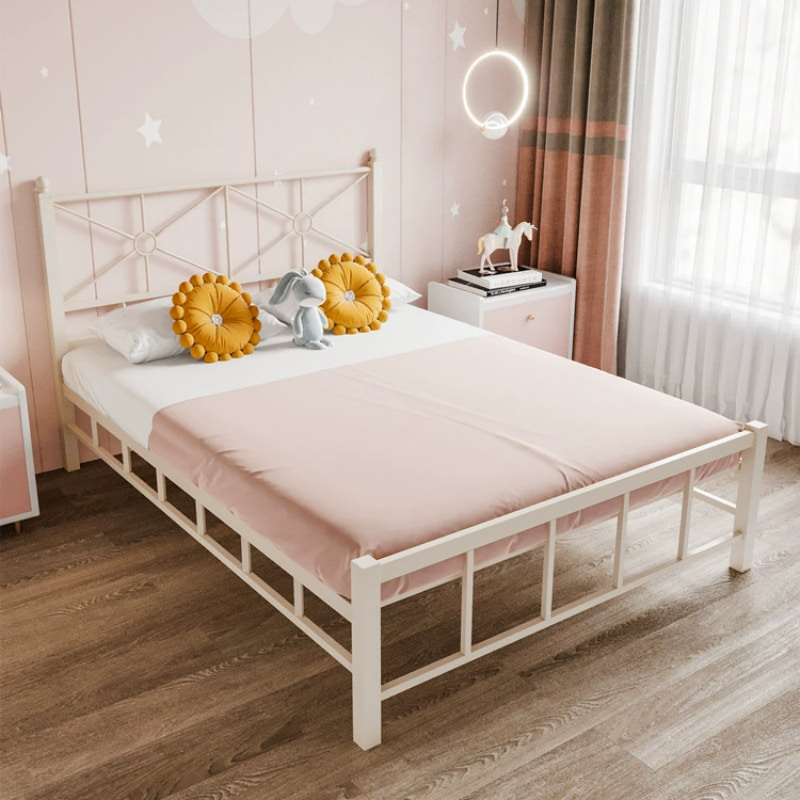
Steel single bed frames with a high-quality powder coating offer excellent structural strength and reasonable moisture resistance when the coating remains intact. Powder coating creates a thick, uniform layer that seals the metal surface from direct air and moisture contact. For single bed frames placed in moderately humid rooms, powder-coated steel is a practical and cost-effective option. The key is to inspect single bed frames regularly for chips or scratches in the coating, as exposed steel will rust quickly in humid conditions.
Stainless steel single bed frames provide even greater corrosion resistance because the alloy itself resists oxidation at the material level, not just at the surface. Although stainless steel single bed frames tend to cost more, they represent a sound investment for environments with very high humidity or salt air, such as beachfront properties. Their longevity in those conditions typically offsets the higher upfront cost.
Engineered Wood and Bamboo Single Bed Frames
Engineered wood products such as plywood and medium-density fiberboard are commonly used in single bed frames due to their affordability and consistent dimensions. In humid climates, however, the performance of engineered wood single bed frames depends heavily on the quality of the resin binders and surface treatments used in manufacturing. Moisture-resistant plywood rated for high-humidity applications can perform adequately in single bed frames when sealed properly. Standard particleboard or low-grade MDF single bed frames, however, are highly susceptible to moisture and should be avoided in humid regions.
Bamboo single bed frames have gained popularity as a sustainable alternative with genuine moisture-resistance properties. Bamboo is technically a grass with a very dense cellular structure that limits water absorption. Single bed frames built from strand-woven bamboo are particularly stable and durable in humid environments. They also offer a distinctive natural aesthetic that works well in both contemporary and traditional bedroom designs.
Maintenance Practices That Extend Single Bed Frame Life
Protective Coatings and Treatments
No matter which material you select, applying appropriate protective treatments is essential for single bed frames used in humid climates. Wood single bed frames should be treated with water-resistant finishes, teak oil, or polyurethane coatings that form a barrier against moisture. Metal single bed frames benefit from anti-rust primers and touch-up paint applied promptly whenever surface damage appears. These maintenance steps are straightforward and significantly prolong the usable life of single bed frames without requiring expensive repairs or replacements.
Ventilation and Placement Strategies
Where and how you position single bed frames within a room also affects their longevity in humid climates. Placing single bed frames directly against exterior walls where condensation forms can accelerate moisture damage even in otherwise resistant materials. Allowing airflow around and beneath single bed frames reduces the accumulation of trapped humidity. Using dehumidifiers in bedrooms, ensuring adequate ventilation, and elevating single bed frames slightly off the floor using leg caps or furniture pads all contribute to a less damaging moisture environment.
FAQ
Which wood is best for single bed frames in very humid tropical climates?
Teak is widely regarded as the top wood choice for single bed frames in tropical climates due to its natural oil content, which resists moisture and fungal growth. Rubberwood and oak are also strong options when properly sealed, making them reliable choices for durable single bed frames in high-humidity settings.
Are metal single bed frames better than wood frames in humid conditions?
It depends on the metal type and treatment. Stainless steel single bed frames outperform most wood options in extreme humidity because the material itself resists rust. However, high-quality sealed hardwood single bed frames can match or exceed powder-coated steel in moderate humidity when properly maintained.
How often should I treat or refinish single bed frames in a humid climate?
For wood single bed frames, refinishing or re-oiling every one to two years is recommended in humid climates. Metal single bed frames should be inspected every six months for coating damage, with touch-up treatments applied as soon as any rust spots or chips are detected to prevent further corrosion.