
 EN

Selecting the right materials for a double deck bed is one of the most critical decisions you'll make when furnishing dormitories, apartments, or shared living spaces. The material you choose directly impacts safety, longevity, comfort, and maintenance costs. A poorly chosen material can result in structural failure, safety hazards, and expensive replacements within just a few years. The right double deck bed material, however, provides stability, durability, and reliable performance across decades of use. This guide explores the most practical materials for double deck bed construction, helping you understand the strengths and limitations of each option so you can make an informed decision aligned with your specific facility needs.
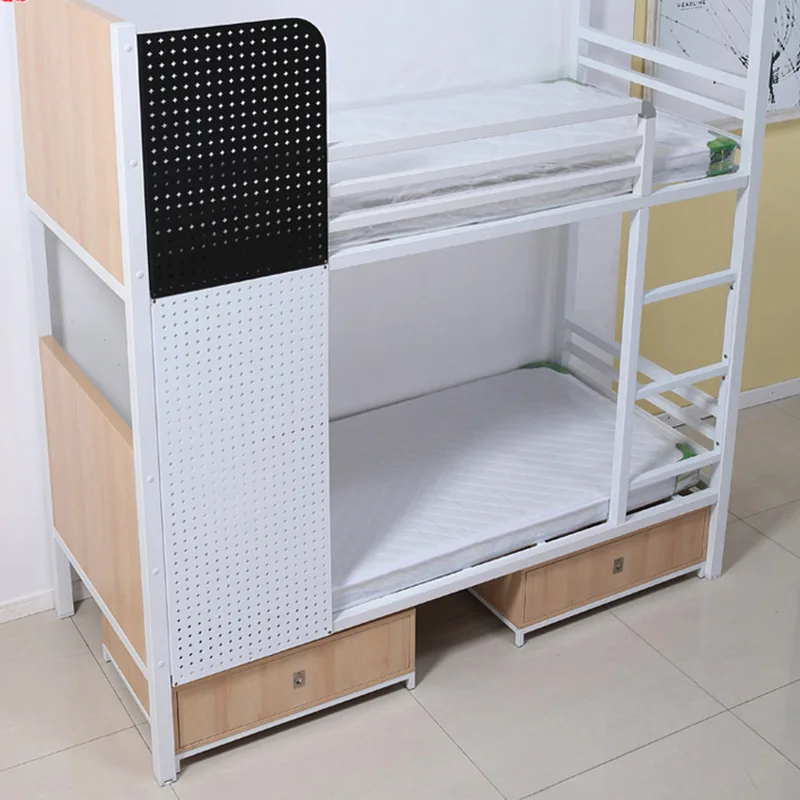
Whether you're outfitting a student dormitory, military barracks, hospital ward, or compact apartment, understanding the material landscape for double deck bed frames is essential. Each material category—steel, wood, and engineered composites—offers distinct advantages in specific contexts. Steel double deck bed frames excel in high-traffic institutional settings, wood options provide aesthetic appeal and warmth for residential spaces, while composite materials offer specialized benefits for moisture-prone or specialty environments. By examining each material's performance characteristics, you'll discover which double deck bed construction approach best serves your budget, timeline, and operational requirements.
Steel and Metal Solutions for Double Deck Bed Frames
Structural Strength and Load-Bearing Capacity
Steel remains the industry standard for double deck bed construction in institutional and commercial applications. Metal double deck bed frames engineered with reinforced steel tubing deliver exceptional load-bearing capacity, often supporting 300 to 500 pounds per mattress without deflection or noise. The double deck bed constructed from high-grade steel maintains structural integrity even in high-occupancy environments where furniture experiences constant daily use. Steel double deck bed frames resist warping, twisting, and permanent deformation that plague other materials over time. The inherent rigidity of metal ensures that a double deck bed stays level and stable, preventing the uncomfortable settling or shifting that develops in lower-quality frames.
Corrosion Resistance and Maintenance Requirements
Modern double deck bed designs utilize powder coating, galvanization, or industrial-grade paint systems to protect steel from rust and corrosion. A properly finished double deck bed requires minimal maintenance beyond routine cleaning—typically just wiping with a damp cloth and inspecting connection points annually. In humid environments like dormitories or coastal facilities, a marine-grade double deck bed made from stainless steel or heavily galvanized steel prevents oxidation and extends service life to 20 years or beyond. The double deck bed with quality protective coating demonstrates superior performance compared to unfinished or poorly maintained metal alternatives. Investment in protective finishes for your double deck bed significantly reduces lifecycle costs and maintains appearance across extended ownership periods.
Solid Wood and Engineered Wood for Double Deck Bed Construction
Aesthetic Appeal and Residential Applications
Hardwood double deck bed frames—constructed from oak, maple, or walnut—offer warmth and visual elegance suitable for residential settings, guest houses, or upscale dormitory facilities. A wooden double deck bed complements interior design schemes, adds aesthetic value to spaces, and creates a more inviting atmosphere than utilitarian metal options. Hardwood double deck bed construction provides natural sound dampening compared to steel, reducing noise transmission between sleeping surfaces. The double deck bed made from quality hardwood can develop rich patina over decades, making it a long-term design investment. However, solid wood double deck bed frames typically cost 30 to 50 percent more than steel equivalents and require climate-controlled environments to prevent warping.
Durability Concerns and Environmental Factors
Solid wood double deck bed frames are sensitive to moisture fluctuations, temperature swings, and humidity variations that cause splitting, warping, and joint loosening. A wooden double deck bed stored in uncontrolled environments or high-moisture areas deteriorates rapidly, with joint failure often occurring within five to ten years. The double deck bed constructed from engineered wood—plywood, MDF, or particle board cores with hardwood veneers—offers better dimensional stability than solid wood but still requires climate management. Double deck bed frames made from engineered wood cost less than solid hardwood but sacrifice longevity compared to steel construction. Most institutional and commercial applications avoid wood-based double deck bed designs due to maintenance demands, moisture sensitivity, and limited lifespan in challenging environments.
Composite and Specialty Materials for Modern Double Deck Bed Designs
Advanced Composite Technologies and Performance Benefits
Emerging double deck bed construction utilizes engineered composites—fiber-reinforced polymers, aluminum alloys, and hybrid steel-composite structures—to achieve specific performance advantages. A double deck bed made from aluminum offers lightweight construction without sacrificing strength, making installation and repositioning significantly easier than steel alternatives. Composite double deck bed frames resist moisture, corrosion, and biological growth, making them ideal for healthcare facilities, outdoor covered areas, and high-humidity settings. The double deck bed with composite components typically weighs 20 to 30 percent less than equivalent steel designs while maintaining comparable load ratings. Double deck bed construction using aluminum or composite materials eliminates traditional surface finishing needs, reducing maintenance costs and environmental impact.
Cost-Benefit Analysis for Specialty Applications
Although specialty composite materials command higher initial purchase prices—often 15 to 25 percent above standard steel options—a double deck bed built with these materials delivers superior lifecycle value in specialized contexts. Healthcare facilities benefit from antimicrobial composite double deck bed options that reduce infection risk and simplify sanitation protocols. Educational institutions deploying outdoor or covered-structure accommodation find that composite double deck bed frames withstand weather exposure better than traditional materials. The double deck bed investment in specialty materials proves economically justified when environmental conditions or operational demands would compromise performance of conventional steel or wood alternatives. Double deck bed buyers should evaluate total ownership cost rather than purchase price alone when assessing specialty material options.
Material Selection Criteria for Your Double Deck Bed Investment
Matching Materials to Environment and Usage Intensity
Selecting the ideal material for your double deck bed requires honest assessment of environmental conditions, occupancy patterns, and institutional constraints. High-traffic institutional settings—military barracks, student housing, and worker dormitories—demand robust double deck bed construction using reinforced steel with powder-coated or galvanized finishes. Residential spaces and hospitality environments benefit from aesthetic double deck bed designs using solid hardwood or mixed-material construction that balances durability with visual appeal. Industrial or maritime facilities require double deck bed frames with advanced corrosion protection, making stainless steel or heavily galvanized options essential despite higher material costs. The double deck bed material choice should reflect realistic assessment of who uses the beds, environmental exposure, expected service life, and acceptable maintenance overhead.
Budget Planning and Lifecycle Cost Considerations
While steel double deck bed frames typically offer the lowest initial purchase price—often $300 to $600 per unit for institutional-grade designs—lifecycle costs encompass replacement frequency, repair expenses, and maintenance labor. A mid-range double deck bed investment in quality steel with premium finishes costs approximately 10 to 15 percent more initially but reduces replacement cycles and maintenance burden significantly. Wooden double deck bed options command higher upfront prices but deliver minimal cost advantage over 20-year ownership periods when maintenance, replacement, and environmental failures are factored in. Specialty composite double deck bed materials justify premium pricing only when environmental conditions would render cheaper alternatives unsuitable or require costly mitigation measures. Most institutional buyers find that steel double deck bed construction delivers optimal balance between performance, cost, and operational simplicity across typical 15 to 20-year facility planning horizons.
FAQ
What is the most durable material for a double deck bed?
High-grade steel with protective finishes remains the most durable material for double deck bed construction in nearly all environments. A quality double deck bed made from reinforced steel tubing with powder coating or galvanization typically maintains structural integrity and appearance for 20 to 30 years with minimal maintenance. Steel double deck bed frames resist the moisture damage, wood splitting, and composite degradation that affect alternative materials. Specialty stainless steel or marine-grade double deck bed options extend durability further in corrosive environments but increase costs. For maximum durability regardless of environment, steel-based double deck bed designs consistently outperform wood and composite alternatives.
Is a wooden double deck bed better than steel for homes?
Wooden double deck bed frames offer superior aesthetic appeal and sound dampening compared to steel, making them preferable for residential spaces prioritizing comfort and design cohesion. However, a wooden double deck bed requires climate control and humidity management to prevent warping, and typically requires replacement or major repairs within 15 years. Steel double deck bed options, while less visually warm than wood, provide superior longevity with minimal maintenance when used in climate-controlled home environments. For homeowners prioritizing aesthetics and willing to invest in climate management, wood double deck bed designs create a more inviting bedroom atmosphere. For practical homeowners seeking long-term durability and lower maintenance, quality steel double deck bed frames deliver better value despite less traditional appearance.
Can composite materials work for double deck bed construction?
Yes, composite materials including aluminum alloys, fiber-reinforced polymers, and hybrid steel-composite designs successfully function in double deck bed construction, particularly in specialized applications. A double deck bed made from aluminum offers significant weight advantages and excellent corrosion resistance, making it ideal for outdoor covered structures or healthcare facilities. Composite double deck bed options cost 15 to 25 percent more initially than steel but eliminate moisture sensitivity and reduce maintenance requirements substantially. Most double deck bed manufacturers reserve composite materials for specialty niches rather than general institutional use due to higher costs and the proven performance of steel alternatives. For moisture-intensive or specialized facilities, composite double deck bed investments deliver measurable advantages that justify premium pricing.