
 EN
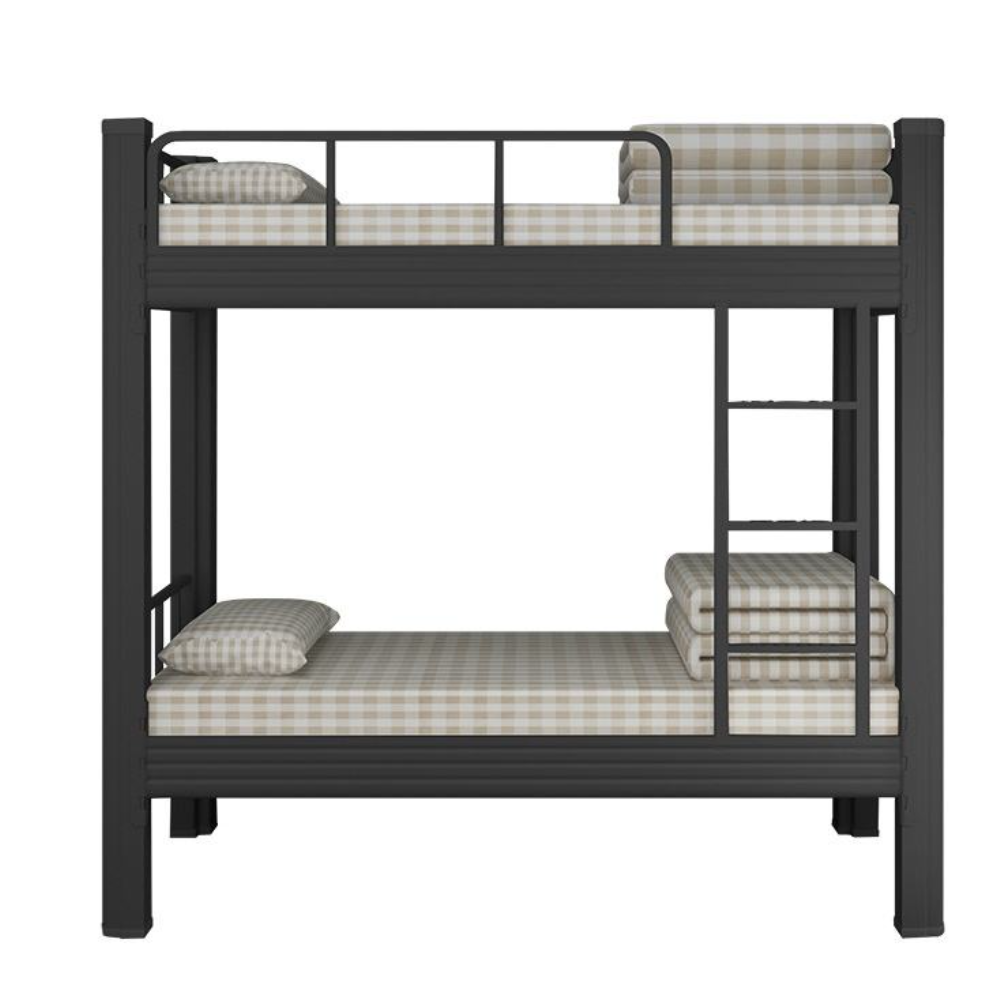
A double deck bed represents one of the most efficient space-saving furniture solutions available for modern living environments. Whether you're furnishing a compact apartment, student dormitory, military barracks, or employee housing facility, a double deck bed maximizes vertical space while accommodating two sleepers in the footprint traditionally reserved for one standard bed. Understanding what a double deck bed is and how it functions will help you make informed decisions about whether this furniture type suits your residential or commercial needs.

The double deck bed is engineered with two sleeping platforms stacked vertically, typically connected by a metal or wooden frame structure that provides stability and safety for both occupants. This configuration allows facilities to double their sleeping capacity without expanding floor area, making it the preferred choice for organizations managing limited square footage. The design incorporates safety railings, sturdy support beams, and access mechanisms that enable safe entry and exit for the upper bunk occupant, ensuring comfort and protection for both sleepers.
Understanding Double Deck Bed Construction
Frame Materials and Structural Design
The double deck bed is constructed using durable materials that prioritize long-term reliability in high-traffic environments. Metal frames, typically fabricated from steel, offer superior strength and longevity compared to wooden alternatives, making them ideal for institutional settings. A double deck bed built with metal ensures consistent weight distribution across load points, accommodating occupants of varying weights without structural compromise. The frame geometry is specifically engineered so that the double deck bed maintains stability even when both sleeping surfaces are simultaneously occupied at full rated capacity.
Safety Features and Support Systems
Every properly designed double deck bed incorporates multiple safety mechanisms that protect users from falls and injuries. The upper bunk of a double deck bed features protective guardrails running along both sides, creating a secure perimeter that prevents accidental displacement during sleep. Support beams connect the upper platform to the lower frame with precision-engineered joints that eliminate wobbling or movement, critical characteristics that distinguish a quality double deck bed from inferior alternatives. Additionally, a double deck bed typically includes a secure ladder or climbing system that provides stable footing during entry and exit, reducing accident risk compared to makeshift climbing methods.
How the Double Deck Bed Functions in Practice
Space Optimization and Capacity Gains
The functional advantage of a double deck bed centers on its ability to convert underutilized vertical space into productive sleeping capacity. A double deck bed occupies approximately the same floor footprint as a single standard bed, yet accommodates two full-sized sleeping surfaces. In institutional settings such as dormitories or employee housing, deploying a double deck bed in multiple rooms effectively doubles occupancy capacity without expanding the building's physical footprint or requiring additional construction investments. This makes the double deck bed an economically compelling solution for organizations facing space constraints or growing accommodation demands.
Accessibility and Daily Use Workflow
Operating a double deck bed in daily life requires minimal adaptation once users understand the access patterns. The lower bunk of a double deck bed functions similarly to a standard bed, allowing ground-level entry and exit without climbing or maneuvering. The upper bunk occupant accesses their sleeping surface via the integrated ladder system, which the double deck bed design positions for safe, ergonomic climbing without excessive reach or awkward body positioning. Most modern double deck bed systems feature ladders with wide steps and secure handrails, enabling users of varying ages and physical abilities to use the upper sleeping surface comfortably throughout their stay.
Applications and Benefits of Double Deck Bed Solutions
Institutional and Commercial Use Cases
The double deck bed has become standard furniture in military barracks, university dormitories, and employee housing facilities worldwide due to its proven efficiency. Organizations operating hostels, retreat centers, and temporary accommodation facilities regularly deploy double deck bed units to maximize their revenue-generating capacity while maintaining occupant comfort standards. A double deck bed implementation in these environments typically reduces per-occupant facility costs, making accommodation more affordable for users while improving financial performance for facility operators. The double deck bed's standardized design also simplifies procurement, maintenance, and asset management across multiple locations or large facilities.
Residential and Personal Space Applications
Beyond institutional settings, the double deck bed serves residential customers seeking to optimize limited living space. Small apartments, studio conversions, and compact homes increasingly incorporate double deck bed furniture to accommodate family members, guests, or additional sleeping capacity without consuming valuable floor space. Parents selecting a double deck bed for children's rooms benefit from the furniture's ability to create distinct sleeping zones while preserving floor area for play, study, or recreational activities. Whether chosen for practical necessity or strategic space planning, a double deck bed represents a versatile, long-term furniture investment that adapts to evolving household needs.
FAQ
What weight capacity does a typical double deck bed support?
Standard industrial-grade double deck bed models typically support 250 to 300 pounds per sleeping surface, accommodating most adult users safely. The combined weight capacity of a double deck bed accounts for metal frame strength, joint integrity, and load distribution engineering. Always verify specific weight specifications for your chosen double deck bed model, as capacity varies between manufacturers and construction standards.
How much assembly is required when setting up a double deck bed?
Most commercial double deck bed units arrive partially assembled, requiring connection of the upper platform, ladder, guardrails, and support brackets to the main frame. Assembly complexity for a double deck bed typically requires two to four hours depending on frame complexity and available tools. Professional installation services are often available for institutional double deck bed purchases, ensuring proper assembly and safety verification before occupant use.
Can a double deck bed be disassembled for relocation or storage?
Yes, most double deck bed designs incorporate bolted connections and modular components that facilitate disassembly when necessary. The double deck bed structure can be separated into the upper platform assembly, lower frame, ladder, and guard rail components, enabling transport via standard vehicles or shipping containers. Reassembly of a double deck bed at a new location follows the same installation process, making it suitable for temporary installations or facilities requiring furniture flexibility.