 EN
EN
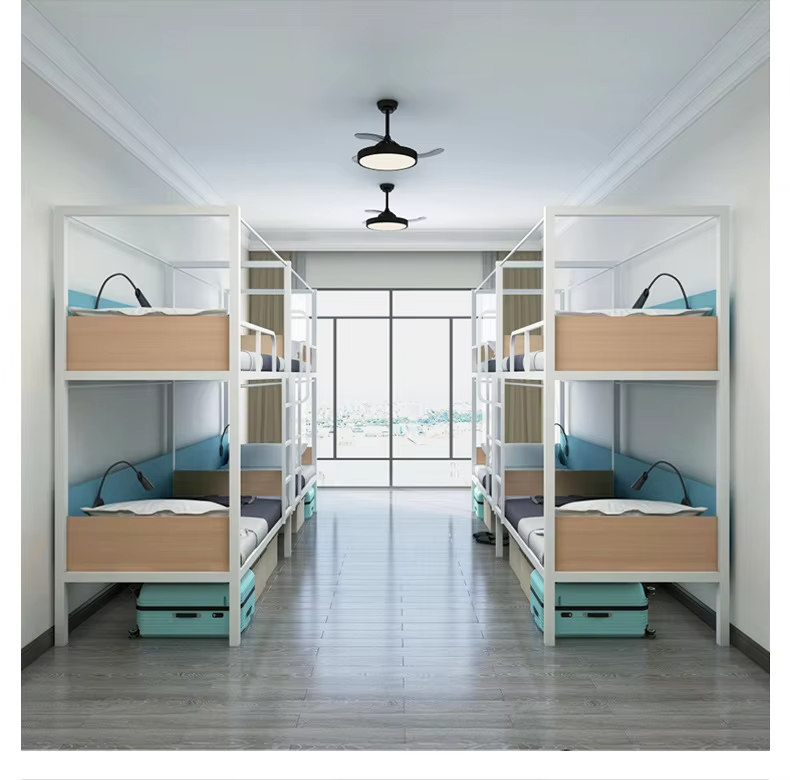
The cost of an industrial metal bed frame varies significantly based on multiple interconnected factors that influence both production expenses and market positioning. Understanding these pricing drivers is essential for facility managers, procurement teams, and institutional buyers who must balance budget constraints with quality requirements. An industrial metal bed frame represents a substantial investment for hotels, schools, dormitories, hospitals, and corporate housing operations, making informed pricing analysis critical to operational success.
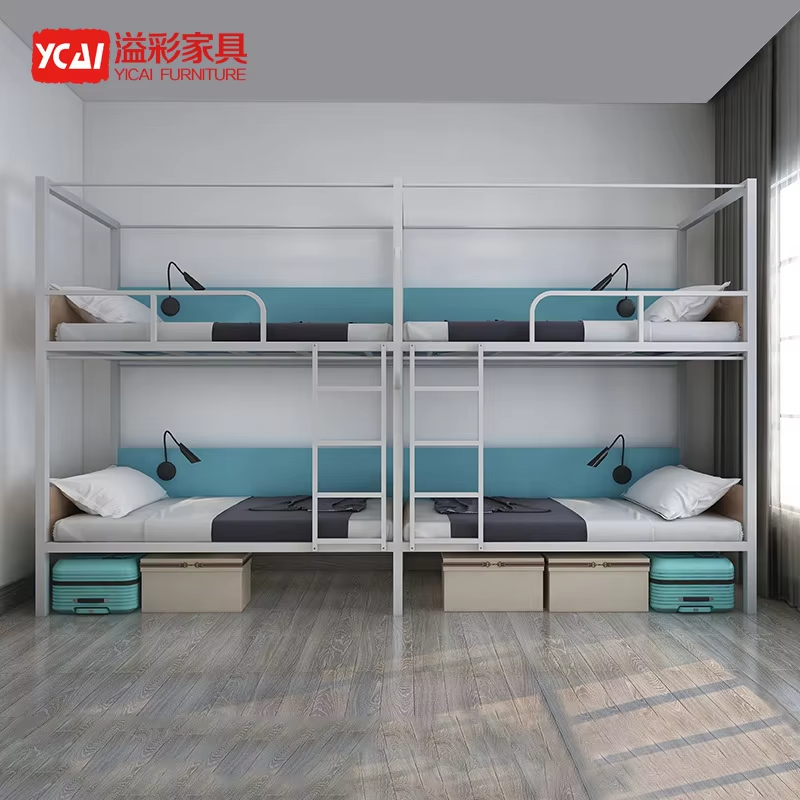
Pricing for an industrial metal bed frame reflects engineering specifications, material sourcing, manufacturing complexity, and supply chain dynamics. Buyers often encounter a wide price range for seemingly similar products, which stems from variations in construction quality, finish durability, customization options, and regulatory compliance standards. This article explores the primary factors that determine industrial metal bed frame pricing, enabling decision-makers to evaluate value propositions accurately and negotiate effectively with suppliers.
Material Composition and Metal Grade
Steel Type and Quality Standards
The quality and grade of steel directly impacts the cost structure of an industrial metal bed frame. Cold-rolled steel, hot-rolled steel, and stainless steel command different price points based on their mechanical properties and corrosion resistance. An industrial metal bed frame constructed from premium-grade steel exhibits superior durability, resistance to rust and wear, and longer operational lifespan, justifying higher initial investment. Lower-grade materials reduce upfront costs but may require earlier replacement or more frequent maintenance, affecting total cost of ownership calculations.
Protective Coatings and Finishes
The protective coating applied to an industrial metal bed frame significantly influences both pricing and longevity. Standard powder coating, electrostatic painting, or specialized anti-corrosive treatments add manufacturing expenses while protecting the frame from environmental degradation. Facilities in humid, coastal, or high-moisture environments demand enhanced coating systems for an industrial metal bed frame, increasing material costs substantially. Premium finishes that resist chipping, scratching, and chemical damage command premium pricing but deliver extended service life and reduced maintenance burden.
Design Complexity and Customization Requirements
Frame Architecture and Load-Bearing Capacity
Engineering specifications for an industrial metal bed frame determine manufacturing complexity and material quantity required. Frames designed to support higher weight capacities, accommodate larger mattress dimensions, or incorporate specialized features such as adjustable legs or integrated storage demand more robust construction and precision machining. An industrial metal bed frame engineered for institutional heavy-duty use requires reinforced welds, additional bracing, and thicker gauge steel compared to standard residential frames, directly elevating production costs and final pricing.
Modular and Custom Features
Customization options significantly affect pricing for an industrial metal bed frame. Modular designs allowing breakroom assembly, stackable configurations for storage efficiency, or integrated features like reading lights and USB charging ports add engineering and manufacturing complexity. An industrial metal bed frame with custom dimensions, special height requirements, or branded branding elements incurs tooling costs and specialized labor, contributing to price premiums. Bulk standardization typically reduces per-unit costs, while one-off or low-volume custom orders require higher pricing to justify engineering and setup investment.
Manufacturing Process and Quality Control
Production Methods and Labor Intensity
The manufacturing process employed for an industrial metal bed frame influences overall production costs significantly. Automated welding, CNC machining, and robotic assembly reduce labor expenses and improve consistency for an industrial metal bed frame produced at large scale. Conversely, semi-automated or manual production increases labor intensity and manufacturing time, driving higher costs per unit. Facilities implementing advanced quality control systems and precision engineering for an industrial metal bed frame incur additional equipment and personnel expenses, which factor into wholesale and retail pricing structures.
Supply Chain and Economies of Scale
Purchasing volume directly impacts the cost structure of an industrial metal bed frame through economies of scale. Manufacturers offering bulk discounts reduce per-unit production overhead when supplying large institutional orders for an industrial metal bed frame. Raw material procurement, logistics efficiency, and production scheduling optimization all benefit from higher order volumes, allowing suppliers to pass savings to bulk buyers. Conversely, small-quantity purchases of an industrial metal bed frame incur proportionally higher administrative, tooling, and handling costs, resulting in elevated per-unit pricing that reflects lower volume leverage.
Market Positioning and Geographic Factors
Regional Manufacturing and Sourcing Dynamics
Geographic location of manufacturing facilities influences the cost structure of an industrial metal bed frame through labor rates, material sourcing proximity, and transportation logistics. An industrial metal bed frame produced in regions with lower labor costs enables suppliers to offer competitive pricing while maintaining profit margins. Local availability of raw materials, established supply chains, and logistics infrastructure also affect production efficiency and final costs. Import tariffs, shipping distance, and regulatory compliance requirements in destination markets add layers of cost complexity to international industrial metal bed frame pricing.
Regulatory Compliance and Certification Standards
Certification and compliance requirements substantially impact pricing for an industrial metal bed frame. Frames meeting fire safety standards, anti-microbial treatment requirements, weight capacity certifications, or environmental regulations require specialized testing, documentation, and manufacturing protocols. An industrial metal bed frame certified for hospitality or healthcare use often commands premium pricing due to stricter quality assurance and regulatory documentation demands. Compliance with international safety standards, product liability insurance, and recall management capabilities add operational costs that manufacturers incorporate into their industrial metal bed frame pricing structures.
Additional Cost Drivers and Value Considerations
Several secondary factors influence pricing for an industrial metal bed frame beyond primary material and manufacturing considerations. Warranty duration, after-sales support, and replacement parts availability affect perceived value and willingness to pay for an industrial metal bed frame. Brand reputation, market positioning, and supplier financial stability also influence pricing premiums or discounts. Seasonal demand fluctuations, inventory levels, and competitive market conditions create pricing variability for an industrial metal bed frame throughout the year. Ancillary services such as installation support, bulk logistics coordination, and customized design consultation justify higher pricing for premium suppliers of an industrial metal bed frame.
When evaluating industrial metal bed frame options, procurement teams should develop comprehensive cost-benefit analyses that extend beyond initial purchase price. Total cost of ownership, including maintenance, durability, and replacement frequency, provides a more accurate financial assessment. An industrial metal bed frame with higher upfront cost but superior durability and warranty support often delivers superior long-term value compared to cheaper alternatives requiring frequent repairs or replacement.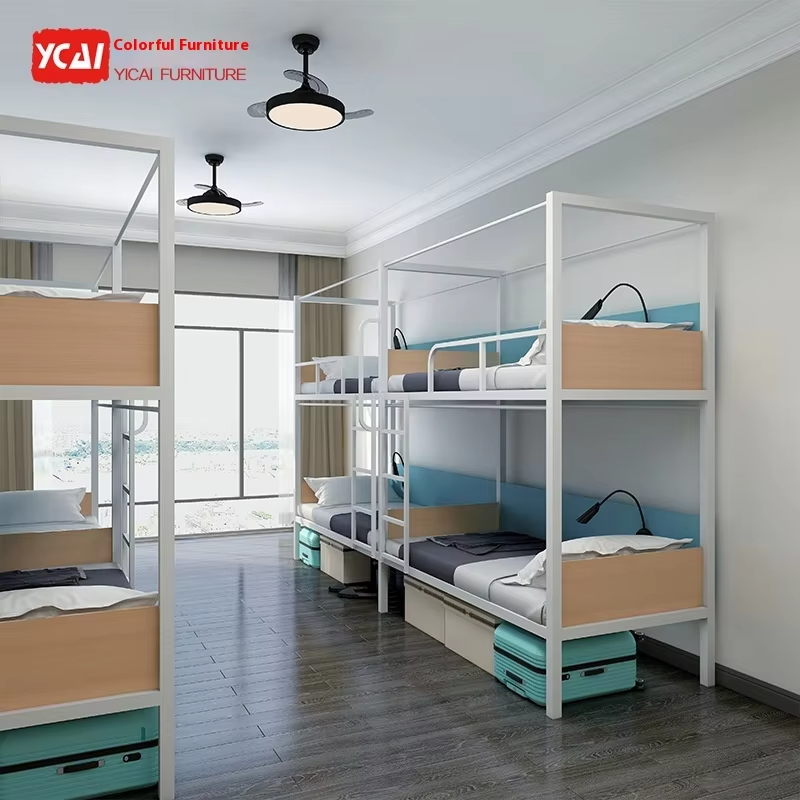
FAQ
What material is best for an industrial metal bed frame?
Cold-rolled steel with powder coating represents the optimal balance for most industrial applications. This material combination provides excellent durability, corrosion resistance, and cost-effectiveness. For moisture-intensive environments, stainless steel or enhanced protective coatings offer superior longevity despite higher initial cost. The choice depends on your facility's specific environment, budget constraints, and expected operational lifespan for your industrial metal bed frame.
How does customization affect industrial metal bed frame pricing?
Customization substantially increases costs by requiring specialized engineering, tooling modifications, and production adjustments. Custom dimensions, integrated features, or unique finishes for an industrial metal bed frame typically add 15-30% to base pricing. Modular or semi-standardized options provide cost savings between full customization and completely standard frames, offering a practical middle ground for many institutional buyers.
Do bulk purchases reduce industrial metal bed frame costs?
Yes, bulk purchasing significantly reduces per-unit costs through economies of scale. Orders exceeding 50 units typically qualify for volume discounts of 10-25%, depending on the supplier and specific industrial metal bed frame specifications. Larger institutional orders of 200+ units may negotiate even steeper discounts, though this requires coordinating storage and implementation logistics across your facility.