
 EN
EN

An industrial metal bed frame represents a significant investment in durability, functionality, and aesthetic appeal. Whether deployed in a commercial dormitory, school facility, apartment complex, or industrial workspace, these robust structures demand consistent maintenance to preserve their structural integrity and visual appeal. Neglecting proper care can lead to rust formation, joint degradation, squeaking sounds, and eventual structural compromise that threatens user safety and comfort. Understanding the fundamentals of industrial metal bed frame upkeep ensures years of reliable performance and protects your investment.
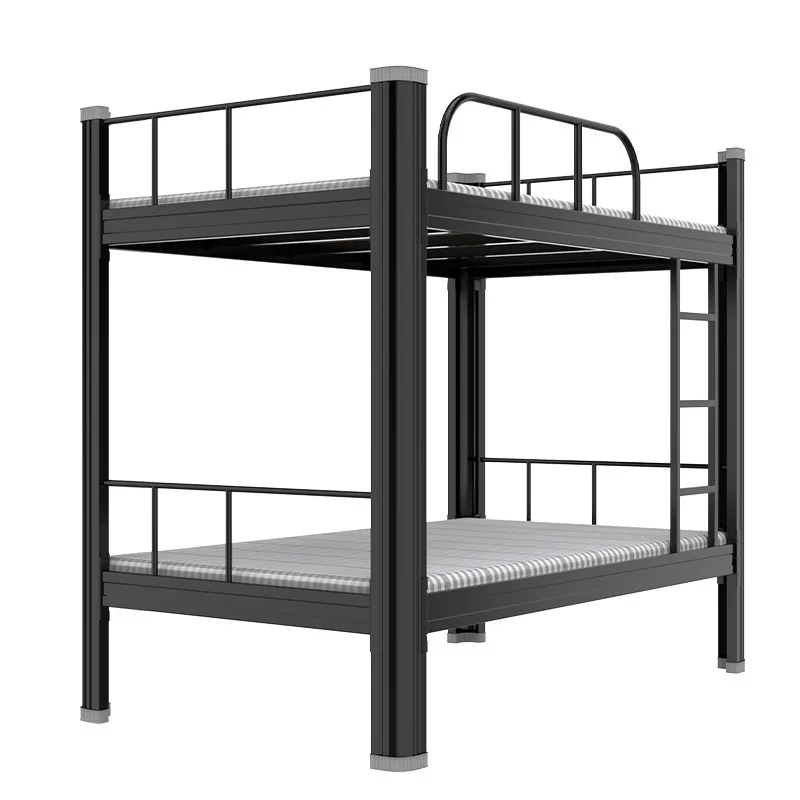
Proper maintenance of an industrial metal bed frame involves three core practices: regular cleaning protocols, systematic inspections for wear and corrosion, and timely repairs. Each element plays a critical role in preventing accelerated deterioration. The harsh environments typical in institutional and industrial settings—high humidity, temperature fluctuations, frequent use, and variable atmospheric conditions—create unique challenges that demand proactive care strategies. By adopting a structured maintenance schedule, facility managers and property owners can minimize downtime, extend asset lifespan, and maintain safe sleeping environments.
Regular Cleaning Protocols for Industrial Metal Bed Frame Durability
Establishing a Systematic Cleaning Schedule
Consistent cleaning forms the foundation of industrial metal bed frame longevity. Weekly spot cleaning removes dust, debris, and organic matter that can trap moisture and accelerate corrosion. Use a soft, lint-free cloth with mild soap and warm water to wipe down frame surfaces, joints, and support legs. For an industrial metal bed frame in high-traffic environments, consider increasing cleaning frequency to twice weekly. After cleaning, dry the frame thoroughly to prevent water pooling in crevices or joint areas where rust typically initiates.
Addressing Stains and Rust Prevention
Surface stains on an industrial metal bed frame should be tackled promptly to prevent permanent discoloration and corrosion development. For stubborn marks, apply a gentle stainless steel cleaner or white vinegar solution to affected areas, then polish with a microfiber cloth. If your industrial metal bed frame shows early rust spots, use fine-grit sandpaper or a wire brush to gently remove oxidation, then apply a rust-inhibiting coating or clear lacquer. This preventive approach stops minor surface rust from penetrating deeper into the metal structure and creating structural weakness over time.
Systematic Inspection and Damage Detection
Monthly Visual Audits of Frame Components
Scheduled monthly inspections identify emerging problems before they compromise an industrial metal bed frame's safety or function. Examine all welds, joints, and connection points for visible cracks, separation, or rust formation. Check fasteners including bolts, screws, and brackets for looseness or corrosion. An industrial metal bed frame in a dorm or institutional setting may experience higher stress loads, making regular bolt and joint verification essential. Pay particular attention to areas where the frame contacts the floor or wall, as these zones experience greater moisture exposure and corrosion risk.
Identifying Structural Weakness and Wear Patterns
As an industrial metal bed frame ages, certain stress points become vulnerable. Inspect the corners, leg joints, and center support bar where loads concentrate. Listen for squeaking, creaking, or popping sounds during movement, which signal loose connections within the industrial metal bed frame structure. Test mattress platform stability by applying downward pressure at various points. If you notice sagging, uneven support, or movement between frame sections, the industrial metal bed frame requires immediate attention to restore safe use conditions and prevent user injury.
Repair Techniques and Maintenance Solutions
Tightening Fasteners and Reinforcing Connections
Loose fasteners represent the most common maintenance issue affecting an industrial metal bed frame. Using an appropriate wrench or socket set, systematically tighten all visible bolts, screws, and connection hardware. Pay extra attention to the points where the headboard, footboard, and side rails connect to support legs. For an industrial metal bed frame in high-use environments, establish a quarterly fastener inspection routine. Consider applying threadlocker compound to critical fasteners to prevent vibration-induced loosening, which can compromise the structural integrity of your industrial metal bed frame over extended periods.
Addressing Rust and Applying Protective Coatings
Rust formation threatens the longevity of any industrial metal bed frame, particularly in humid institutional or warehouse settings. Once rust appears on an industrial metal bed frame, address it immediately by removing affected coating with a wire brush or sandpaper, then applying a rust converter or treatment product. After rust removal, apply a fresh protective coating such as rust-inhibiting paint, polyurethane lacquer, or metal sealant to prevent recurrence. An industrial metal bed frame exposed to outdoor storage, high humidity, or salt air demands annual protective coating renewal to maintain corrosion resistance and preserve appearance.
Welding and Structural Repairs
Cracked welds or broken metal sections require professional intervention to maintain an industrial metal bed frame's safety and structural capability. Do not attempt to repair significant cracks or weld failures yourself, as improper repair can create hazardous conditions. Engage a certified metal fabricator or professional welder experienced with industrial metal bed frame restoration. They can assess damage severity, recommend reinforcement strategies, and execute repairs that restore full structural integrity to your industrial metal bed frame while preserving load-bearing capacity and user safety.
FAQ
How often should I inspect my industrial metal bed frame?
Conduct a thorough inspection of your industrial metal bed frame monthly, with quick weekly visual checks for obvious damage or rust. In high-use commercial settings, increase inspection frequency to bi-weekly. After seasonal weather changes or periods of heavy use, perform extra inspections to catch emerging issues early before they affect the industrial metal bed frame's safety or function.
What cleaning products are safe for an industrial metal bed frame?
Use mild soap, warm water, and soft cloths as your primary cleaning approach for an industrial metal bed frame. White vinegar solutions work well for stains without damaging metal finishes. Avoid harsh abrasive cleaners or solvents that can strip protective coatings from your industrial metal bed frame. For specialized finishes, consult the manufacturer's care instructions to ensure compatibility before applying any new products to your industrial metal bed frame.
Can I repair rust on an industrial metal bed frame myself?
Minor surface rust on an industrial metal bed frame can be addressed with fine-grit sandpaper, wire brushes, and rust-inhibiting paint or lacquer. However, deep corrosion, structural rust, or rust affecting joints requires professional assessment. For significant rust issues, consult a metal fabricator to evaluate whether your industrial metal bed frame needs reinforcement or replacement sections to ensure continued structural safety and longevity.