
 EN
EN
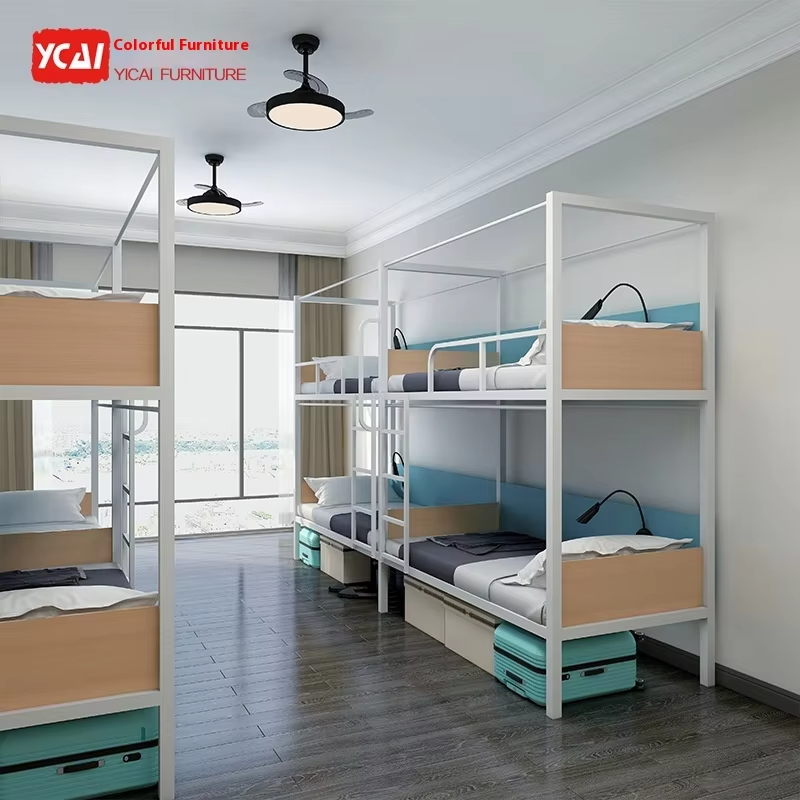
An industrial metal bed frame stands as one of the most robust furniture investments available today, particularly for applications requiring consistent performance over extended periods. Unlike traditional wooden frames or lighter alternatives, an industrial metal bed frame delivers superior structural integrity, resistance to environmental stress, and long-term cost-effectiveness that justifies its selection across residential, commercial, and institutional settings. Understanding how an industrial metal bed frame improves durability requires examining the material properties, construction methodology, and real-world performance factors that distinguish metal frames from conventional options.
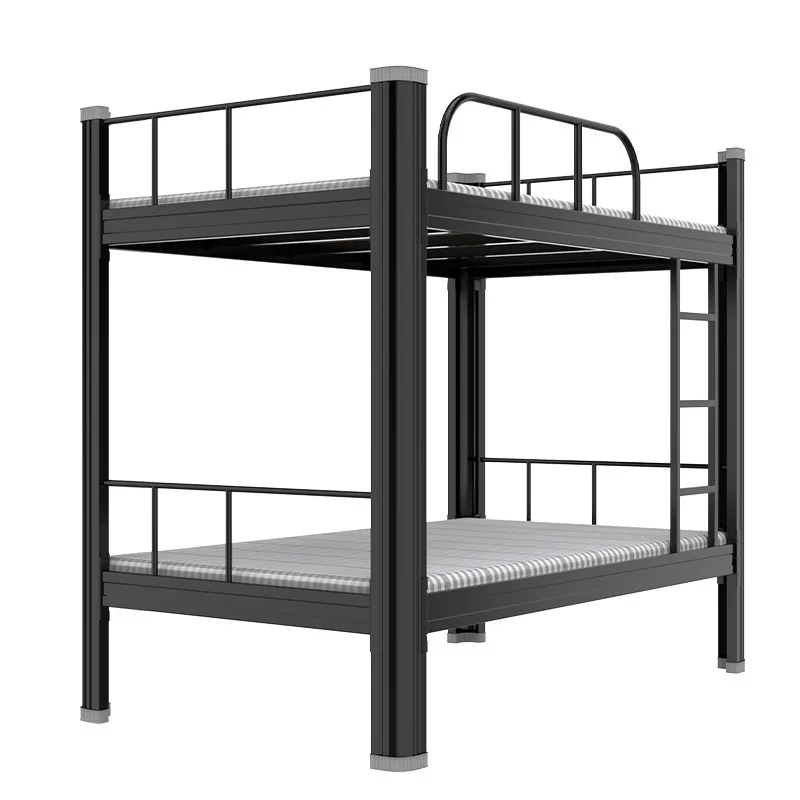
The durability advantage of an industrial metal bed frame begins at the material level and extends through design, manufacturing, and operational performance. When you choose an industrial metal bed frame, you gain access to engineering principles developed across decades of institutional and commercial use. This article explores the specific mechanisms through which an industrial metal bed frame improves durability, providing practical context for facility managers, procurement specialists, and end-users evaluating bed frame options for demanding applications.
Material Strength and Load-Bearing Performance
Superior Metal Composition
The foundation of any industrial metal bed frame's durability rests on material selection and metallurgical properties. Steel and reinforced metal alloys used in an industrial metal bed frame exhibit tensile strength far exceeding wood or particleboard alternatives, often reaching 400–550 megapascals or higher depending on specific alloy composition. An industrial metal bed frame manufactured from high-grade steel resists permanent deformation under sustained loads, maintaining its original geometry even after years of intensive use. This resistance to plastic deformation means an industrial metal bed frame will not sag, warp, or lose structural integrity the way wooden frames inevitably do over time.
Load Distribution and Stress Management
An industrial metal bed frame distributes weight across welded joints and reinforced support points designed to handle continuous stress cycles. The engineering behind an industrial metal bed frame incorporates multiple cross-beams, welded connections, and strategically placed support brackets that prevent stress concentration in single areas. When an industrial metal bed frame is properly designed, it transfers loads evenly to all support legs, eliminating the weak-point failures common in lesser-constructed alternatives. This distributed loading approach extends the operational lifespan significantly because no single structural element bears disproportionate stress over time.
Environmental Resistance and Material Protection
Corrosion Mitigation Strategies
An industrial metal bed frame's durability against environmental factors depends heavily on surface treatment protocols. Most quality industrial metal bed frame products receive protective coatings such as powder coating, galvanizing, or specialized paint systems that shield the underlying steel from moisture, salt air, and chemical exposure. An industrial metal bed frame treated with these protective layers resists rust formation and surface degradation even in challenging environments like coastal facilities, hospitals, or moisture-prone dormitory settings. The coating thickness on an industrial metal bed frame typically ranges from 50 to 150 microns, providing years of protection before requiring recoating or maintenance.
Chemical and Temperature Stability
Unlike wood, which absorbs moisture and expands or contracts with humidity changes, an industrial metal bed frame maintains dimensional stability across wide temperature and humidity ranges. An industrial metal bed frame will not crack, split, or develop stress fractures due to environmental cycling, making it ideal for facilities with variable climate conditions. The chemical inertness of an industrial metal bed frame also means it resists degradation from cleaning agents, disinfectants, and sanitization protocols common in healthcare, educational, and commercial environments. This chemical stability directly translates to reduced maintenance requirements and extended service life for any industrial metal bed frame installation.
Structural Design and Longevity Mechanisms
Welded Joint Engineering
The engineering quality of an industrial metal bed frame directly correlates with weld specifications and joint construction methods employed during manufacturing. An industrial metal bed frame utilizing full-penetration welds at critical connection points achieves joint strength equivalent to or exceeding the base metal itself, eliminating weak links in the structure. The design of an industrial metal bed frame typically incorporates reinforcing gussets, corner bracing, and triangulated support patterns that prevent racking and lateral movement. These structural features mean an industrial metal bed frame resists the twisting, shifting, and progressive deterioration that compromises lesser bed frames over time.
Maintenance Simplicity and Operational Reliability
An industrial metal bed frame requires minimal maintenance compared to wooden alternatives, contributing significantly to long-term durability and total cost of ownership. Regular cleaning with appropriate solvents maintains the protective coating on an industrial metal bed frame, while the absence of wood means no splinter risks, wood-boring insect damage, or fungal growth concerns. An industrial metal bed frame can withstand frequent sanitization cycles without degradation, making it exceptionally suitable for healthcare facilities, schools, and other institutional settings where hygiene protocols are rigorous. This low-maintenance requirement ensures an industrial metal bed frame continues performing reliably throughout its expected service life with minimal intervention or specialized care.
Real-World Performance Advantages
Institutional and Commercial Applications
The adoption of an industrial metal bed frame across military installations, university dormitories, hospitals, and correctional facilities reflects proven durability performance in demanding real-world conditions. An industrial metal bed frame in institutional settings typically demonstrates service life extending 15–25 years with minimal structural degradation, significantly outperforming conventional furniture in high-traffic environments. The reliability of an industrial metal bed frame under intensive daily use patterns validates its engineering approach and material selection, providing confidence to facility managers planning long-term furniture investments. Organizations consistently choose an industrial metal bed frame because the initial capital cost is offset by extended service life and reduced replacement frequency.
Customization and Scalability
An industrial metal bed frame can be customized with additional reinforcement, specialized finishes, or integrated storage solutions without compromising core durability benefits. Manufacturers can engineer an industrial metal bed frame to meet specific load requirements, dimensional constraints, or institutional standards through modular design principles. This flexibility means an industrial metal bed frame remains viable across evolving facility needs and changing user populations over decades of operation. The scalability of manufacturing processes for an industrial metal bed frame enables consistent quality across large institutional orders, ensuring uniform durability performance across entire fleet installations.
FAQ
What specific metal types are used in industrial metal bed frame construction?
Industrial metal bed frame products typically utilize cold-rolled steel, stainless steel, or reinforced steel alloys depending on application requirements. Cold-rolled steel offers excellent strength-to-weight ratio for general institutional use, while stainless steel industrial metal bed frame options suit environments requiring maximum corrosion resistance such as coastal or chemical exposure settings. The choice of metal directly impacts the durability profile of an industrial metal bed frame, with high-grade alloys providing superior load-bearing and environmental resistance properties over extended operational periods.
How does an industrial metal bed frame compare to wooden bed frames in terms of lifespan?
An industrial metal bed frame typically lasts 15–25 years in institutional settings, while comparable wooden bed frames often require replacement within 5–10 years due to wood degradation, warping, and structural failure. The durability advantage of an industrial metal bed frame stems from material properties that resist moisture absorption, temperature cycling, and chemical exposure. An industrial metal bed frame's consistent performance under continuous use makes it a superior long-term investment for facilities prioritizing reliability and reduced replacement frequency over initial purchase price.
Can an industrial metal bed frame be repaired if damaged during use?
Yes, an industrial metal bed frame can typically be repaired through welding, re-coating, or component replacement, whereas damaged wooden frames often require complete replacement. Minor dents or coating damage to an industrial metal bed frame do not compromise structural integrity and can be addressed through refinishing processes. Major structural issues with an industrial metal bed frame are relatively rare due to robust design, but when they occur, localized welding repairs can restore full functionality. This repairability extends the operational lifespan of an industrial metal bed frame beyond initial expectations, providing additional durability and cost-effectiveness advantages.