
 EN
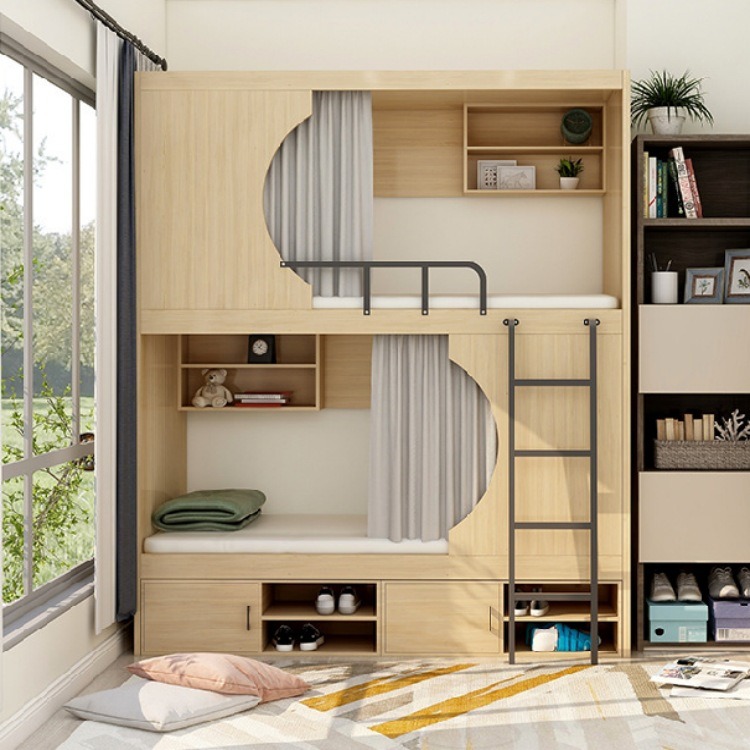
A bunk bed’s long-term durability depends on more than whether its frame looks sturdy on delivery. For facilities managers, hospitality buyers, and school procurement teams, the useful question is which design details withstand repeated use, movement, cleaning, and routine maintenance. Evaluating a bunk bed feature by feature helps distinguish lasting construction from details that may require early repair.
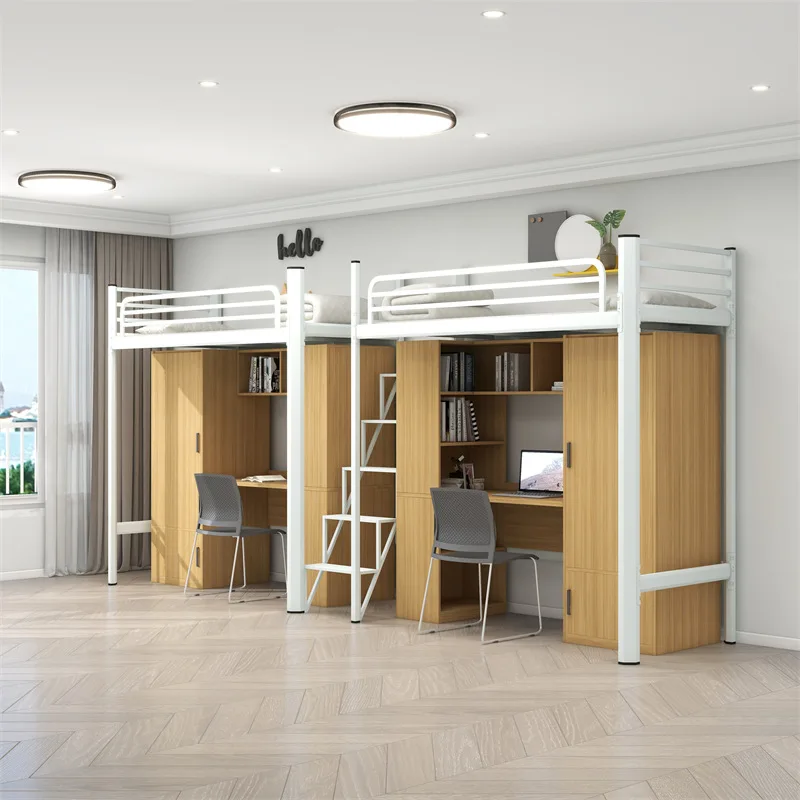
Start with the frame, connections, and finish, then consider how the sleeping surface, ladder, and guardrails are designed for the intended users. A bunk bed selected for a dormitory or staff residence may face frequent turnover, while one in a guest room may see less use. The strongest durability assessment matches each feature to the actual operating conditions.
Frame materials and structural design
Material quality and frame geometry
The frame carries the load and sets the foundation for service life, so material specification matters. A metal bunk bed should have components with consistent thickness, cleanly finished edges, and a shape that resists bending during normal use. A wooden bunk bed depends on sound stock, well-supported rails, and careful control of joints. In either case, assess the complete structure rather than judging durability by appearance alone.
Geometry affects how forces move through a bunk bed. Uprights, long rails, and cross supports should work together to limit sway instead of concentrating movement at one connection. Look for a design that keeps the sleeping platforms level and braces the frame in more than one direction. For a bunk bed used by multiple occupants over time, a stable layout can reduce loosening caused by repeated movement.
Load support and platform construction
Platform slats or panels must support the mattress evenly and remain seated under repeated loading. Check their spacing, attachment method, and support at the middle of the span. A bunk bed with weak or widely spaced supports may allow mattress sag, which can increase strain on rails and connections. Buyers should confirm the stated capacity and understand whether it applies to each sleeping level or the structure as a whole.
Also inspect how the upper and lower frames connect to the posts. Secure engagement and clear assembly instructions help prevent gaps or partial seating during installation. A bunk bed that will be moved between rooms needs a design that can be disassembled and reassembled without damaging critical fittings. Where frequent relocation is expected, confirm which parts are reusable and whether replacement hardware can be identified.
Connections, safety features, and finish
Joints, fasteners, and repeat assembly
Connections often determine whether a bunk bed remains rigid after months of use. Examine welds for continuity and even finishing on a metal frame; on other constructions, review how bolts, brackets, and fitted joints engage. The connection should resist ordinary side-to-side movement without relying on a single fastener to stabilize the whole frame. Accessible hardware also makes inspection and tightening more practical.
Fastener quality and assembly clarity matter in shared accommodation. If instructions leave room for interpretation, components may be installed out of alignment, putting uneven pressure on a bunk bed. Specify the correct tools, tightening sequence, and any reinspection schedule for the site team. Keep the supplied hardware associated with its frame, and avoid substituting parts unless compatibility and suitability have been confirmed.
Guardrails, ladder, and protective coating
Guardrails and ladders are working parts of the structure, not optional accessories to assess separately. Check that guardrails are securely attached and suited to the intended mattress thickness, and that ladder steps feel stable underfoot. A bunk bed for regular institutional use should make routine access predictable, with no sharp edges or loose fittings. These details can also reveal whether overall manufacturing and finishing have been carefully controlled.
The finish helps protect surfaces from wear, moisture, and cleaning products, although no coating removes the need for care. On a metal bunk bed, inspect coverage around edges, joints, and contact points where abrasion may expose the base material. Ask which cleaning agents are appropriate and how to address chips promptly. A durable finish is one that suits the facility’s cleaning routine, not simply one that looks smooth at handover.
Fit for use and ongoing care
Match construction to the operating environment
Durability is relative to how a bunk bed will be used. A school dormitory, worker residence, hotel, and temporary accommodation setting can differ in occupant turnover, supervision, and room layout. Estimate how often beds will be occupied, cleaned, inspected, and moved. Then prioritize features that address those conditions, such as accessible fasteners for inspection or a frame configuration suited to the available floor space.
Before purchasing, verify dimensions, mattress compatibility, and access clearances against the room plan. A poorly fitted bunk bed can experience avoidable impacts during use or cleaning, while an unsuitable mattress can interfere with guardrail function. Confirm user requirements and applicable safety guidance for the intended location. These checks connect durability to real operating conditions instead of relying on a general claim that a frame is heavy-duty.
Inspection, maintenance, and replacement planning
Even a well-built bunk bed needs periodic checks. Establish a simple inspection routine that looks for loosened fasteners, damaged welds or joints, movement in the frame, worn ladder steps, and coating damage. The frequency should reflect use and site policy. Record issues and take a bed out of service when structural damage or instability cannot be resolved through an approved repair.
Maintenance planning also affects the total useful life of a bunk bed. Keep assembly guidance and product specifications available, identify compatible replacement parts, and train staff to report changes rather than improvise repairs. When assessing a proposed bunk bed, ask how its design supports inspection and routine upkeep. Clear answers help buyers plan responsibly without assuming any product will remain durable without care.
FAQ
Which bunk bed feature should buyers check first?
Begin with the frame and its load-supporting connections, because these carry the structure through daily use. Then review platform supports, guardrails, and ladder stability. For a bunk bed in a shared facility, match those checks to expected occupancy and the site’s inspection process.
Does a heavier bunk bed always last longer?
Not necessarily. Weight alone does not show whether materials, joints, or platform supports are suitable. Evaluate the full bunk bed design, the stated capacity, finish quality, and assembly details. The intended use and upkeep also influence how well a frame holds up over time.
How can a facility extend bunk bed service life?
Follow the assembly instructions, inspect the frame and fittings regularly, and use cleaning methods appropriate for its finish. Address loose hardware or damage through approved procedures. Consistent care helps a bunk bed remain stable and makes wear easier to identify before it affects continued use.