
 EN
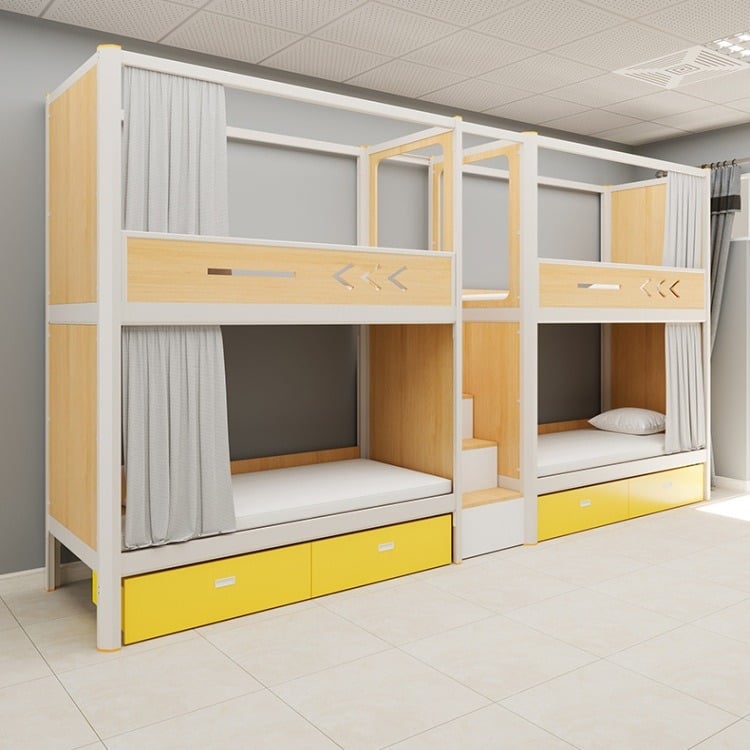
Choosing materials for a bunk bed means balancing structural strength, user safety, maintenance, and cost over the product’s useful life. A bunk bed may serve a dormitory, staff residence, school, or shared accommodation, and each setting brings different loads and cleaning routines. The right material choice starts with the actual operating conditions, not appearance alone.
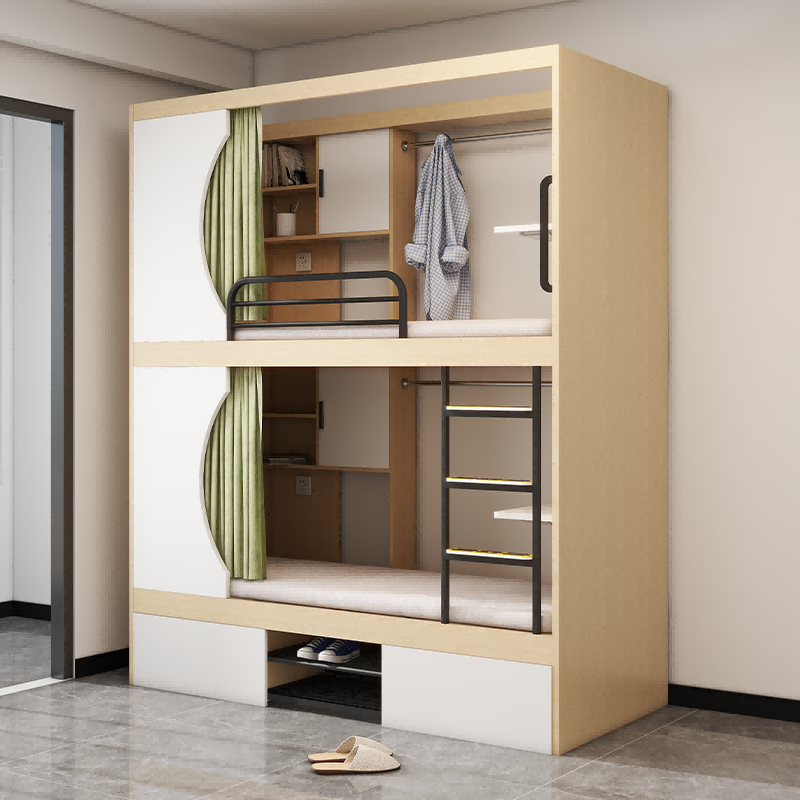
Compare the frame, joints, slats, ladders, and guardrails as parts of one system. A bunk bed with a durable frame can still be unsuitable if its connections loosen or its sleeping surfaces are difficult to inspect. When reviewing a bunk bed specification, consider who will use it, how often it will be moved, and what maintenance staff can realistically perform.
Assessing strength and structural reliability
Frame material and expected loading
The frame carries the primary load, so match its material and construction to the intended occupancy. A metal bunk bed frame can suit settings where a rigid structure and repeatable cleaning matter, while a wood bunk bed may be preferred where a warmer appearance is important. In either case, judge the complete bunk bed design rather than assuming material alone determines capacity.
Ask for clear information on rated loads, support spacing, and the conditions used for testing. A bunk bed used by adults, or one expected to accommodate frequent turnover, may face different demands from a bed in a low-use room. Inspect the bunk bed frame for bracing, stable feet, and a sensible load path from the upper platform to the floor.
Joints, fasteners, and repeated assembly
Connections often reveal whether a bunk bed is designed for long-term service. Welds should be consistent where welding is used, and bolted joints should allow secure tightening without damaging the surrounding material. For a wood bunk bed, examine how rails connect to posts and whether fasteners are suitable for repeated loading rather than relying on decorative fittings.
Consider installation and relocation before approving a model. A bunk bed that is assembled once and left in place has a different service profile from one moved during room changes or facility maintenance. Check whether components can be inspected and retightened, whether replacement parts are identifiable, and whether assembly instructions make the bunk bed’s critical connections clear.
Matching materials to safety and daily use
Surface finish and user contact points
Users regularly touch rails, ladders, and bed edges, so finish quality matters alongside the core material. A bunk bed finish should be smooth, intact, and appropriate for the cleaning products used on site. On a metal bunk bed, look for even coating and protected edges; on wood, check that surfaces are sealed and free of splinters or raised grain.
Safety depends on the assembled product and its intended use, not a material label. Review guardrail height, ladder attachment, openings, and the stability of the bunk bed on the actual floor surface. A bunk bed should be assessed against applicable standards and facility requirements, with particular attention to upper-level access and the condition of every user-contact surface.
Moisture, cleaning, and room conditions
The room environment can change which materials make practical sense. Humidity, spills, ventilation, and cleaning frequency affect a bunk bed’s finish and joints over time. Metal may need careful coating inspection where moisture is persistent, while wood requires protection from dampness and standing water. Match the bunk bed material to the real environment, not an idealized room.
Plan cleaning procedures before procurement. A bunk bed with accessible surfaces and few dirt-trapping crevices can be easier to maintain in high-turnover accommodation. Confirm that approved cleaners will not degrade coatings, adhesives, or sealants. For any bunk bed, include periodic checks for corrosion, chips, loose fasteners, cracked parts, and damage caused by cleaning equipment.
Evaluating lifecycle cost and operational fit
Purchase price, maintenance, and replacement
Initial price is only one part of the decision. Compare a bunk bed’s expected maintenance needs, likely repair steps, and availability of replaceable components across its planned service period. A lower-cost bunk bed may require more frequent attention, while a higher purchase price does not automatically guarantee lower operating costs. Use documented specifications and realistic site conditions.
Estimate the staff time required for inspections, tightening, cleaning, and repairs. A bunk bed that can be checked quickly may support more consistent maintenance routines, especially across many rooms. Ask which parts can be replaced individually and what tools are needed. For a bunk bed fleet, standardizing components can also simplify stock management and staff training.
Procurement checks for a clear decision
Create a decision record that connects material choices to use conditions. Note user group, room climate, occupancy pattern, cleaning method, relocation frequency, and required load information. Then compare each bunk bed against those criteria and verify that its drawings and product documentation describe the supplied configuration. A clear specification reduces ambiguity during purchasing and installation.
Before acceptance, inspect a representative bunk bed or sample components when possible. Confirm finish quality, fastener fit, ladder stability, and access for routine checks. Keep the approved details with maintenance records so future repairs use compatible parts. When material selection follows these steps, the bunk bed decision reflects both safety priorities and the practical realities of facility operation.
FAQ
Is metal or wood better for a bunk bed?
Neither material is universally better. A metal bunk bed may fit cleaning-intensive settings, while wood can suit interiors where its appearance is preferred. Compare construction, finish, joints, maintenance needs, and verified load information for the specific bunk bed rather than selecting by material name alone.
Which bunk bed material is easier to maintain?
Ease of maintenance depends on the finish, room conditions, and cleaning routine. A bunk bed with accessible surfaces and replaceable components can simplify care. Confirm cleaner compatibility and establish checks for wear, loose connections, surface damage, and moisture effects before placing a bunk bed into regular use.
What should procurement teams verify before ordering?
Verify the intended user group, rated loads, assembly details, applicable safety requirements, finish, and replacement-part options. Ensure the bunk bed specification matches the delivered configuration and the facility’s cleaning practices. Documenting these checks helps procurement teams evaluate a bunk bed on operational fit as well as purchase cost.