
 EN
A bed’s stated weight capacity is a safety limit, not just a purchasing detail. For a bed frame metal structure, that figure indicates the load the complete bed is designed to support under specified conditions. Understanding what the rating includes helps buyers avoid overloading, assess suitability for daily use, and recognize when a frame needs closer inspection.
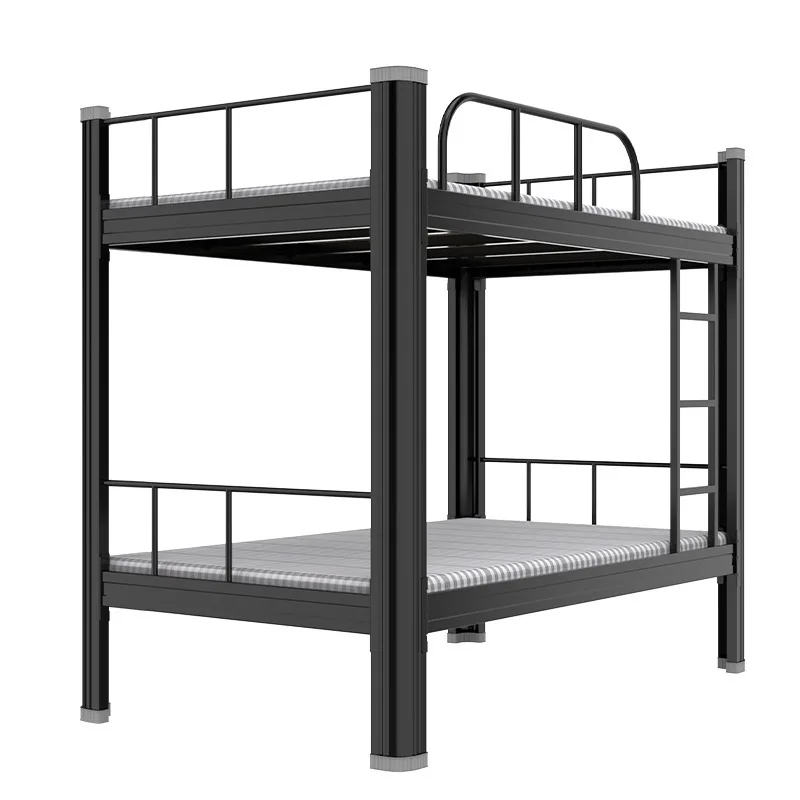
Capacity affects safety because excess or uneven force can stress rails, joints, slats, and fasteners. A bed frame metal design can be strong yet still become unstable if its load is misunderstood or concentrated in one area. The rating should therefore inform purchasing, room setup, and maintenance—not be treated as an abstract specification. Check the product documentation and consider how the bed will actually be used.
How capacity limits relate to safe use
Understand what the rating covers
A listed capacity may refer to the supported occupants, the total load, or a specific testing condition, so confirm the manufacturer’s definition before making a decision. For a bed frame metal product, ask whether the stated figure includes the mattress and bedding or applies only to people. A clear definition prevents a user from assuming the available load allowance is greater than it is.
The bed frame metal assembly works as a system: side rails transfer force to the headboard, footboard, legs, and floor, while slats or a platform support the mattress. The weakest component can limit the safe capacity of the entire bed. A high rating for one part does not automatically prove that every joint or support member has the same rating.
Account for changing and concentrated loads
Capacity is not only about a person’s still body weight. Sitting heavily on an edge, climbing onto the bed, or moving around can create short-lived forces that differ from an evenly distributed resting load. A bed frame metal structure may respond differently to these actions, particularly if the load lands near a rail end or between support points.
Uneven weight also matters when two occupants share a bed or when equipment is placed on it. A bed frame metal frame designed for an evenly spread load should not be presumed safe for a concentrated heavy object. Follow the stated use conditions, keep loads distributed as intended, and avoid jumping or standing on parts that are not designed as steps or platforms.
How exceeding capacity can create hazards
Stress can build at joints and supports
When the working load exceeds the specified limit, rails can deflect, fasteners can loosen, and welds or connection points can experience more stress than intended. Repeated overloading may worsen wear even when no immediate breakage is visible. A bed frame metal bed can therefore become less stable gradually, making routine checks important after changes in occupancy or use.
A bed frame metal frame that shifts, creaks unusually, or develops visible bending should be examined before continued use. These signs do not automatically identify the cause, but they can indicate loosened connections, uneven flooring, damage, or excessive load. Stop using a visibly compromised bed until the relevant parts have been checked and the manufacturer’s repair guidance has been followed.
Instability affects occupants and nearby operations
Overloading can make a bed wobble or shift, increasing the chance that an occupant loses balance while getting in or out. In dormitories, staff housing, or other shared environments, one damaged bed can also interrupt room availability and create maintenance work. A bed frame metal capacity rating helps teams set consistent expectations instead of relying on guesswork.
The surrounding setup influences risk as well. A bed frame metal product placed on an uneven floor may rock even when its load is within limits, while missing floor protectors or a poorly assembled joint can undermine stability. Confirm that the bed is level, assembled as instructed, and supported at all intended contact points before evaluating its suitability for the planned load.
Practical steps for safer capacity decisions
Match the rating to real use
Before purchase, compare the documented capacity with the anticipated total load and use pattern. Include the mattress and any accessories when the manufacturer defines capacity as total supported weight. For a bed frame metal selection, also consider whether use is occasional or continuous, whether occupants share the bed, and whether the product instructions specify restrictions or a particular mattress type.
Where occupancy changes, do not rely on an old assumption about suitability. A bed frame metal frame in a guest room may face occasional use, while a dormitory bed can experience frequent entry, exit, and repositioning. The listed limit remains important in either setting, but choosing a suitable model also means considering how consistently it will be used and how easily staff can inspect it.
Inspect assembly and preserve the safety margin
Assemble the bed exactly as directed, using the specified fasteners and support components. Check that rails are seated correctly and that slats or platform sections are present and secure. For a bed frame metal design, recheck connections after initial use and at intervals appropriate to the setting. Do not modify the frame or substitute parts unless the manufacturer confirms they are compatible.
A stated limit should not be treated as a target to exceed or as permission to ignore wear. Keep a practical margin for ordinary movement, and respond promptly to loose bolts, bent parts, cracked welds, or recurring movement. If the rating is unclear, request written clarification rather than estimating capacity from appearance. This is especially relevant when evaluating bed frame metal beds for shared or institutional use.
FAQ
Does capacity include the mattress?
It depends on how the manufacturer defines the rating. Check the product documentation to see whether the figure covers occupants alone or the full supported load, including the mattress and accessories. Do not assume that a bed frame metal rating uses the same definition across products.
Can a bed fail below its stated capacity?
A bed may become unsafe below its limit if it is damaged, assembled incorrectly, placed on an uneven surface, or loaded in a way the instructions do not allow. Capacity is one part of safe use. Inspect the bed frame metal components and follow the assembly and use guidance.
What should staff do when a bed feels unstable?
Stop using it until the cause has been assessed. Check for uneven flooring, missing supports, loose fasteners, or visible damage, and consult the manufacturer’s instructions for corrective action. Do not keep using a bed frame metal structure that shows bending or persistent movement simply because its stated capacity has not been reached.