
 EN
EN
Choosing the right material for your dining table set represents one of the most important decisions you will make when furnishing your home. Your dining table set serves as the centerpiece of family gatherings, daily meals, and special celebrations, so selecting a material that balances durability, aesthetics, and maintenance requirements ensures years of satisfaction. The material you choose for your dining table set directly impacts how the furniture performs under daily use, how it complements your interior design, and how much care it will require over time. Whether you prioritize the warmth of natural wood, the sleek modernity of glass, or the industrial appeal of metal, understanding each material's characteristics helps you make an informed choice that aligns with your lifestyle and design preferences.
The decision about which material to select for your dining table set depends on multiple factors including your household composition, entertaining frequency, maintenance willingness, budget constraints, and aesthetic vision. Families with young children may prioritize different material properties than couples who entertain frequently or individuals seeking minimal upkeep. Similarly, your dining table set material choice should harmonize with your existing decor while also considering practical elements like scratch resistance, stain tolerance, and longevity. This guide examines the most popular dining table set materials available today, analyzing their strengths, limitations, and ideal use scenarios to help you determine which material best suits your specific requirements and creates the dining environment you envision.
Understanding Wood as a Dining Table Set Material
Solid Wood Dining Table Set Options
Solid wood remains the most traditional and sought-after material for a dining table set, offering unmatched natural beauty and timeless appeal. When you invest in a solid wood dining table set, you acquire furniture that can last generations with proper care. Oak, walnut, cherry, maple, and mahogany represent popular solid wood choices, each bringing distinct grain patterns, color tones, and hardness levels. A solid wood dining table set develops character over time, with minor scratches and patina adding to its authentic charm rather than detracting from its appearance. The weight and stability of solid wood provide a substantial, quality feel that many homeowners associate with heirloom furniture. However, solid wood dining table set pieces require more maintenance than some alternatives, including regular polishing, protection from excessive moisture, and careful placement away from direct sunlight to prevent fading and warping.
Engineered Wood for Your Dining Table Set
Engineered wood products like plywood, medium-density fiberboard, and particleboard with wood veneer offer budget-friendly alternatives for a dining table set. These materials combine wood particles or layers with adhesives and protective finishes to create stable, uniform surfaces that resist warping better than solid wood. A dining table set constructed from engineered wood typically costs significantly less than solid wood equivalents while still providing wood-like aesthetics through high-quality veneers that mimic natural grain patterns. Modern manufacturing techniques have dramatically improved engineered wood quality, making it difficult to distinguish visually from solid wood in well-made dining table set pieces. The primary limitation involves durability and repairability since deep scratches or water damage can compromise the veneer layer, making refinishing more challenging than with solid wood. An engineered wood dining table set works excellently for budget-conscious buyers, renters, or those who update furniture frequently.
Exploring Alternative Materials for Your Dining Table Set
Glass Top Dining Table Set Considerations
A glass top dining table set creates an airy, modern aesthetic that makes spaces feel larger and brighter by allowing light to pass through. Tempered glass used in quality dining table set construction provides excellent durability and safety, shattering into small, less dangerous pieces if broken. Glass dining table set surfaces show fingerprints, smudges, and water spots easily, requiring frequent cleaning to maintain their pristine appearance. However, glass resists staining from food and beverages better than porous materials, and cleaning typically requires only glass cleaner and a soft cloth. A glass dining table set pairs beautifully with metal or wood bases, creating visual interest through material contrast. The transparent nature of glass makes a dining table set ideal for smaller dining areas where visual lightness prevents the space from feeling cramped. Consider the practical aspects of daily maintenance when evaluating whether a glass dining table set fits your lifestyle and tolerance for visible marks.
Metal and Mixed Material Dining Table Set Choices
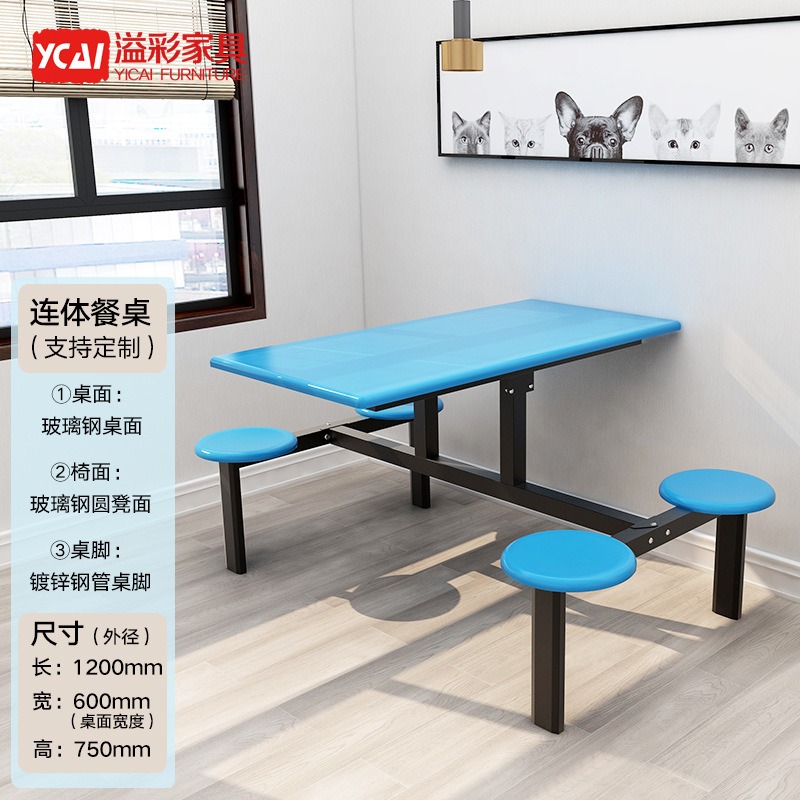
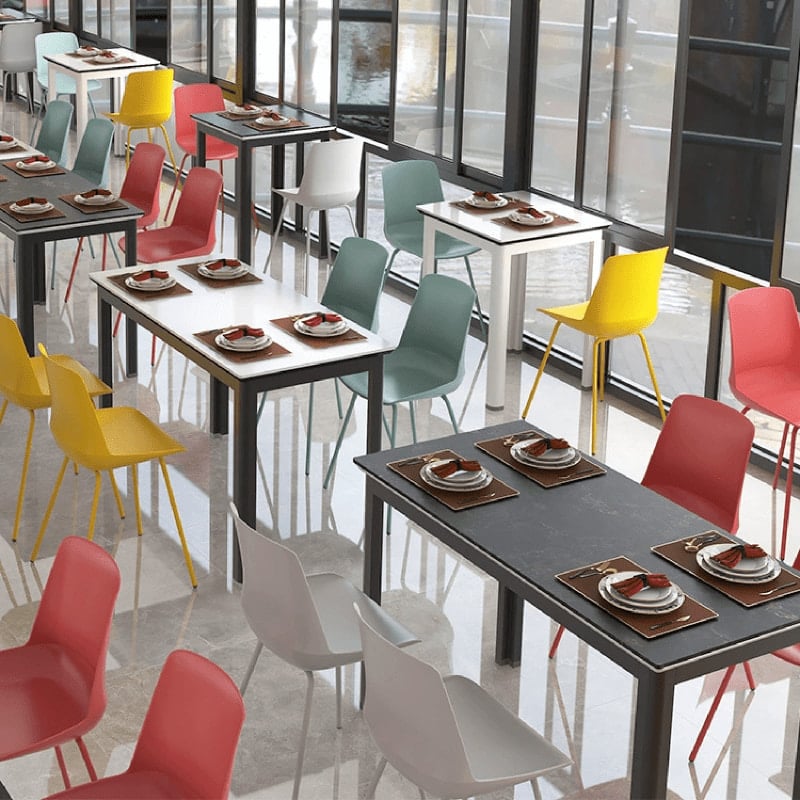
Metal elements in a dining table set, whether as the primary material or combined with wood or glass, introduce industrial character and exceptional durability. Steel, aluminum, and iron can form the entire structure of a dining table set or serve as accent legs and frames supporting other materials. A metal dining table set offers outstanding resistance to scratches, dents, and general wear, making it particularly suitable for high-traffic households or commercial settings. Metal surfaces can feel cold to the touch and may show fingerprints, though powder-coated finishes minimize these concerns while adding color options to your dining table set selection. Mixed-material designs combining metal bases with wood or stone tops have gained popularity, offering the durability of metal with the warmth of natural materials. When selecting a metal dining table set, consider the finish quality, as lower-grade metals may rust or corrode over time, especially in humid environments. The weight of metal ensures stability but may complicate moving your dining table set during cleaning or rearranging.
Stone and Marble Dining Table Set Features
Stone materials including marble, granite, and quartz bring luxury and distinctiveness to a dining table set with their natural patterns and substantial presence. A marble dining table set showcases unique veining that ensures no two pieces look identical, creating a true statement piece in your dining area. Stone surfaces provide excellent heat resistance, allowing you to place hot dishes directly on your dining table set without damage, though trivets remain recommended for marble to prevent etching. The porous nature of some stone types, particularly marble, makes them susceptible to staining from acidic foods and beverages unless properly sealed and maintained. A stone dining table set requires regular sealing and careful cleaning with pH-neutral products to preserve its appearance and prevent damage. The substantial weight of stone makes a dining table set extremely stable but challenging to move, essentially creating permanent furniture placement. Stone dining table set pieces command premium prices but offer unparalleled elegance and durability when properly maintained, making them worthwhile investments for those committed to their care requirements.
Making Your Dining Table Set Material Decision
Lifestyle Compatibility for Your Dining Table Set
Your daily life patterns should heavily influence which material you select for your dining table set to ensure the furniture serves you well rather than creating frustration. Households with young children benefit from a dining table set made from forgiving materials like solid wood that can be refinished or engineered wood that offers affordability if replacement becomes necessary. Frequent entertainers might prioritize a dining table set with easy-clean surfaces like glass or sealed stone that handle spills gracefully and maintain appearance with minimal effort. If you work from home and use your dining table set as a multipurpose workspace, durability and scratch resistance become paramount considerations. Pet owners should evaluate how their animals interact with furniture when selecting a dining table set, as some materials show claw marks more readily than others. Consider your maintenance willingness realistically since a beautiful dining table set that demands more care than you can provide will eventually deteriorate and disappoint.
Budget and Longevity for Your Dining Table Set Investment
Understanding the relationship between initial cost and expected lifespan helps you make financially sound decisions about your dining table set purchase. A high-quality solid wood dining table set represents a significant upfront investment but can last multiple decades or even generations, ultimately providing better value than cheaper alternatives requiring replacement every few years. Conversely, an engineered wood dining table set offers immediate affordability and satisfactory performance for renters or those planning to relocate or redecorate within a few years. When budgeting for your dining table set, factor in maintenance costs including cleaning products, protective pads, refinishing services, or replacement parts that different materials may require. A glass dining table set typically falls in the mid-price range but may incur replacement costs if breakage occurs, whereas a metal dining table set offers excellent durability at various price points depending on the metal type and finish quality. Evaluate your dining table set as a cost-per-year investment rather than focusing solely on the purchase price to understand true value. Quality construction matters regardless of material, so inspect joinery, finish application, and overall craftsmanship when comparing dining table set options within your budget range.
Aesthetic Integration of Your Dining Table Set
Your dining table set should harmonize with your existing decor while potentially serving as either a complementary element or a striking focal point depending on your design goals. Traditional interiors typically pair beautifully with a classic wood dining table set featuring rich tones and ornate details, while contemporary spaces benefit from the clean lines of a glass or metal dining table set. Consider color coordination when selecting your dining table set material, ensuring the tones work with your wall colors, flooring, and other furniture pieces in adjacent areas. The scale and proportion of your dining table set relative to your room size affects how different materials perform visually, with glass creating airiness in tight spaces and substantial wood or stone anchoring larger rooms. Mixing materials within your dining table set, such as wood chairs with a glass table or metal chairs with a wood table, can create dynamic visual interest while allowing you to balance practical and aesthetic considerations. Think long-term about whether your chosen dining table set material will remain appealing as trends evolve or if you prefer timeless materials that transcend temporary styles.
FAQ
What is the most durable material for a dining table set?
The most durable material for a dining table set depends on your specific use patterns, but solid hardwoods like oak, maple, and walnut offer exceptional longevity when properly maintained, easily lasting several decades. Metal dining table set frames provide outstanding structural durability and resistance to impacts, while stone surfaces resist scratches and heat damage effectively. For families seeking a balance of durability and refinishability, a solid wood dining table set allows you to sand and refinish surfaces multiple times throughout its life, essentially renewing the furniture. Tempered glass in a quality dining table set also provides excellent durability against daily use, though it remains vulnerable to catastrophic breakage from severe impacts. When evaluating dining table set durability, consider both the tabletop material and the construction quality of joints, legs, and overall structure since weak joinery can compromise even the best materials.
How do I maintain different dining table set materials?
Maintenance requirements vary significantly across dining table set materials, making it essential to match material choice with your willingness to perform regular care. A wood dining table set requires dusting with soft cloths, periodic polishing with appropriate wood care products, immediate cleanup of spills to prevent staining, and protection from heat and moisture using coasters, placemats, and trivets. Glass dining table set surfaces need frequent cleaning with glass cleaner to remove fingerprints and smudges but resist most staining and damage from normal use. Metal dining table set pieces typically require only occasional wiping with damp cloths and may benefit from protective wax applications to prevent oxidation, depending on the finish type. Stone dining table set surfaces need regular sealing to prevent staining, cleaning with pH-neutral products rather than acidic or abrasive cleaners, and immediate attention to spills, particularly from wine, coffee, or citrus. Regardless of your dining table set material, always use protective pads under decorative items, avoid dragging objects across surfaces, and address damage promptly to prevent minor issues from becoming major problems.
Can I mix different materials in my dining table set?
Mixing materials within your dining table set creates visual interest and allows you to balance different practical and aesthetic priorities across the table and chairs. Many contemporary dining table set designs intentionally combine materials, such as wood tabletops with metal legs, glass surfaces with wood frames, or upholstered chairs with wood or metal dining tables. When mixing materials in your dining table set, ensure sufficient visual connection through shared colors, finishes, or style elements to create cohesion rather than discord. A mixed-material dining table set works particularly well when the materials share similar care requirements or when you deliberately separate high-maintenance elements from daily contact points. Consider combining a durable, easy-clean material for your dining table set table surface with comfortable, warm materials for seating to optimize both functionality and comfort. The key to successfully mixing materials in your dining table set involves maintaining intentional design consistency while ensuring the combination serves your practical needs and personal style preferences effectively.