
 EN
EN
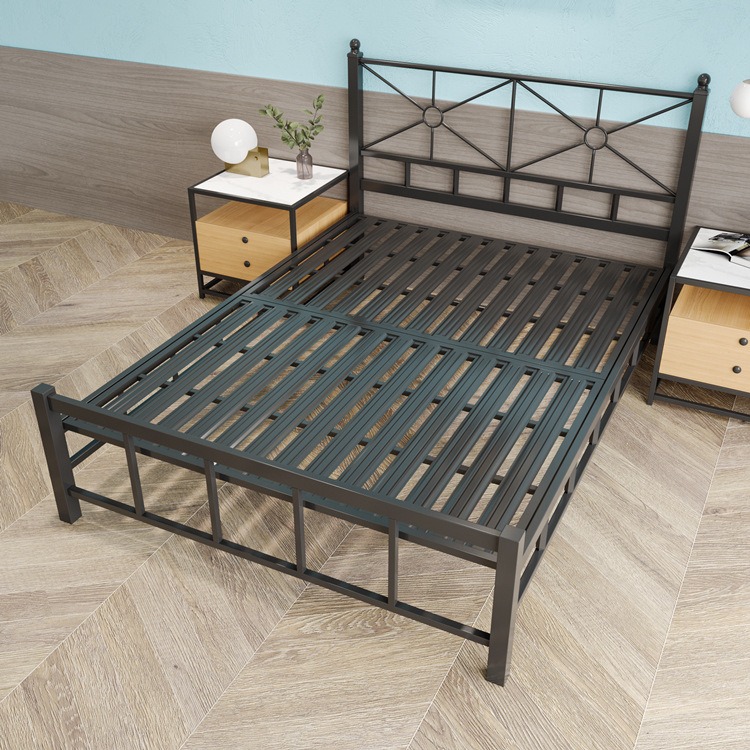
A single bed represents one of the most common sleeping solutions worldwide, yet confusion often surrounds its exact specifications and how it compares to other mattress sizes. Understanding what defines a single bed becomes essential when furnishing bedrooms, planning space layouts, or selecting appropriate bedding products. The single bed serves as a fundamental furniture piece in residential, hospitality, and institutional settings, making knowledge of its characteristics valuable for both consumers and industry professionals.
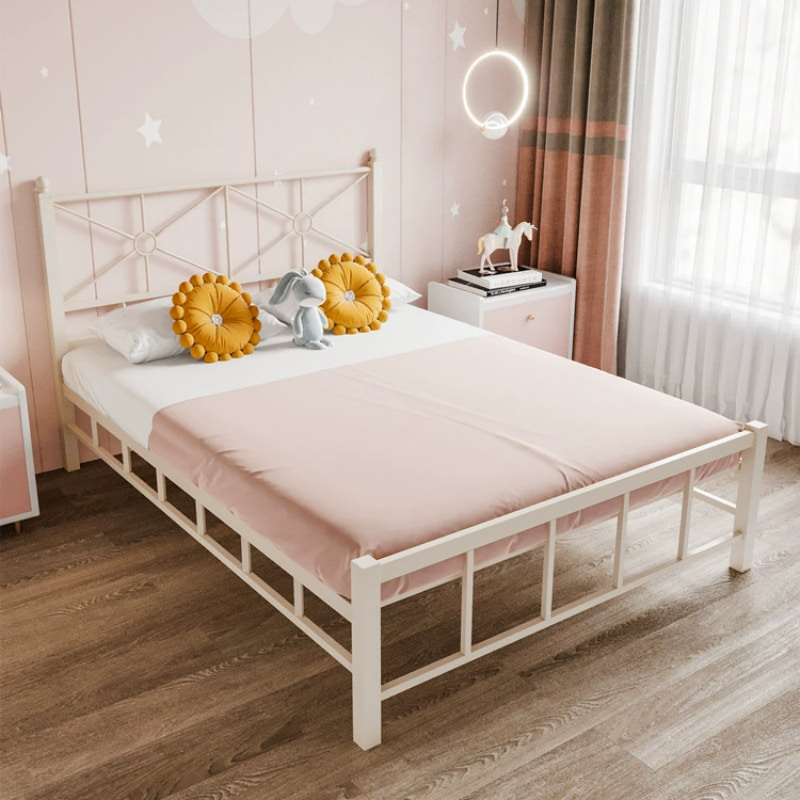
The single bed differs from other bed sizes through specific dimensional standards, intended usage scenarios, and spatial requirements. While regional naming conventions create some confusion, the core concept of a single bed remains consistent: a sleeping surface designed primarily for one person. This article clarifies what constitutes a single bed, examines its standard dimensions across different markets, and explains how it distinguishes itself from twin, full, double, and queen bed configurations.
Standard Single Bed Dimensions and Regional Variations
Core Measurements of a Single Bed
A single bed typically measures 90 centimeters wide by 190 centimeters long in most international markets, which translates to approximately 35 inches by 75 inches. This single bed dimension provides adequate sleeping space for one adult or child while maintaining a compact footprint suitable for smaller bedrooms. The width of a single bed allows comfortable rest for average-sized individuals without excessive material waste or space consumption. Standard single bed frames accommodate mattresses within this size range, though slight variations of 2-5 centimeters may exist depending on manufacturer specifications and regional standards.
The single bed height from floor to mattress surface varies based on frame design and mattress thickness, typically ranging from 45 to 60 centimeters. This vertical dimension affects ease of entry and exit, particularly for children, elderly users, or individuals with mobility considerations. Platform-style single bed frames tend toward lower profiles, while traditional single bed designs with box springs or storage drawers beneath create higher sleeping surfaces. The overall footprint of a single bed including frame edges usually extends 95-100 centimeters in width and 195-200 centimeters in length, requiring minimum floor space of approximately 1.9 square meters for the bed alone.
Regional Naming Standards for Single Bed Sizes
The term 'single bed' carries different meanings across geographic markets, creating potential confusion in global furniture trade and consumer purchases. In the United Kingdom, Australia, and most Commonwealth countries, a single bed specifically refers to the 90x190 centimeter standard. European markets generally align with this single bed specification, though some countries utilize 90x200 centimeter dimensions as their single bed standard to accommodate taller populations. Asian markets display more variation, with Japanese single bed sizes often measuring 97x195 centimeters, while Chinese single bed standards typically match European dimensions.
North American terminology introduces the most significant deviation, where the concept of a single bed becomes largely synonymous with 'twin' size. The American twin bed measures 38x75 inches, which closely approximates the international single bed dimensions but falls under different naming conventions. This single bed versus twin distinction matters primarily in cross-border furniture sourcing and international hotel standardization. The single bed designation in American contexts occasionally refers to narrow institutional beds or specialty products rather than the standard twin size used in residential settings.
How Single Bed Differs from Twin, Full, and Double Sizes
Single Bed Versus Twin Bed Comparison
The single bed and twin bed represent essentially equivalent products in most practical applications, with the primary difference being regional naming preferences rather than dimensional variations. A twin bed in North America measures 38 inches wide by 75 inches long, which converts to 96.5 centimeters by 190.5 centimeters, only slightly wider than the international single bed standard. Both the single bed and twin bed serve the same fundamental purpose of providing single-occupant sleeping solutions with comparable space efficiency. The single bed terminology predominates in European and Commonwealth markets, while twin bed language dominates American furniture retail and hospitality industries.
Functional differences between single bed and twin bed configurations emerge primarily in bedding compatibility and frame design conventions. A single bed uses metric-based bedding dimensions, with sheets and covers sized in centimeters, while twin bed linens follow imperial measurements in inches. This single bed versus twin bed distinction affects international procurement of bedding accessories and replacement mattresses. Frame designs also reflect regional preferences, with single bed frames in European markets often featuring different headboard styles, slat systems, and material choices compared to American twin bed frames, though the core sleeping surface remains nearly identical.
Single Bed Compared to Full and Double Bed Options
The single bed differs substantially from full-size and double bed configurations in both width and intended occupancy. A full or double bed typically measures 135-140 centimeters wide, providing 45-50 centimeters of additional width compared to a single bed. This expanded dimension of a full bed accommodates two sleepers, though somewhat snugly, or provides one person with significantly more sleeping space than a single bed offers. The single bed maintains its 90-centimeter width specifically to optimize space efficiency for solo sleepers, while the double bed prioritizes shared sleeping capacity or individual comfort over room conservation.
Length measurements between single bed and double bed options typically remain similar at 190-200 centimeters, meaning the primary distinction lies in width rather than longitudinal space. The floor area required for a double bed reaches approximately 2.7 square meters compared to 1.9 square meters for a single bed, representing a 40-percent increase in footprint. This single bed advantage in spatial economy makes it the preferred choice for children's rooms, guest bedrooms with multiple beds, dormitories, hostels, and any environment where maximizing occupancy per square meter takes priority. The double bed becomes appropriate when room dimensions exceed 10 square meters and sleeping comfort for two people or enhanced single-sleeper luxury justifies the larger investment in space and materials.
Distinguishing Single Bed from Queen and King Sizes
Queen and king bed sizes represent substantial upgrades from the single bed in both dimensions and target user profiles. A queen bed measures approximately 150-160 centimeters wide by 200 centimeters long, nearly double the width of a single bed, while king sizes extend to 180-200 centimeters in width. The single bed at 90 centimeters wide contrasts sharply with these larger formats, emphasizing its role as a space-conscious, single-occupant solution rather than a shared or luxury sleeping surface. The price differential between a single bed and queen or king options reflects not only material quantities but also target market positioning, with single bed products generally serving budget-conscious, space-limited, or institutional applications.
Room size requirements create the most practical distinction between single bed and queen or king configurations. While a single bed functions adequately in rooms as small as 6-7 square meters, queen beds require minimum room dimensions of 12-13 square meters, and king beds need 15 square meters or more for comfortable furniture arrangement. The single bed allows placement in compact bedrooms, attic conversions, studio apartments, and other constrained spaces where larger beds would overwhelm the room or prevent adequate circulation space. This single bed flexibility in placement makes it valuable for property developers, landlords, and homeowners seeking to maximize functional bedroom count within limited square footage.
Practical Applications and Selection Guidance for Single Bed
Ideal Usage Scenarios for Single Bed Selection
The single bed proves most appropriate for children's bedrooms, where it provides adequate sleeping space through adolescence while preserving room area for play, study, and storage furniture. A single bed accommodates individuals up to approximately 180 centimeters in height comfortably, making it suitable for most children and many adults. Guest rooms frequently utilize single bed configurations to maximize hosting capacity, allowing two single bed units in the space one double bed would occupy. This single bed arrangement offers guests flexibility in sleeping arrangements and simplifies bedding management for hosts.
Institutional environments including student dormitories, military barracks, healthcare facilities, and budget hospitality properties rely heavily on single bed installations. The single bed footprint allows efficient room layouts that maximize occupancy while meeting minimum space-per-resident regulations. Rental properties targeting young professionals, students, or temporary workers often furnish bedrooms with single bed options to balance affordability with adequate sleeping provisions. The single bed also serves well in vacation homes, cabins, and secondary residences where sleeping capacity takes priority over individual comfort luxury, enabling property owners to accommodate larger groups within fixed square footage.
Decision Factors When Choosing a Single Bed
Selecting a single bed requires evaluating room dimensions, occupant size and age, budget constraints, and future needs. A single bed fits rooms with minimum dimensions of 2.5 meters by 2.5 meters, though 2.8 by 3 meters provides more comfortable furniture arrangement. The sleeper's height and build should align with single bed dimensions, with individuals over 185 centimeters or larger body types potentially requiring the extended length of extra-long twin options or the width of full-size beds. The single bed remains economically advantageous, typically costing 30-50 percent less than double beds for both frame and mattress components.
Future flexibility considerations influence single bed purchase decisions, particularly for children's rooms where growth may eventually necessitate larger sleeping surfaces. Some parents opt for full-size beds from the outset to avoid replacement, while others prefer maximizing play space during younger years with a single bed, planning to upgrade later. The single bed offers easier replacement and relocation compared to heavier, bulkier double or queen options. Bedding costs for a single bed run lower throughout the product lifetime, and moving a single bed between rooms or properties requires less labor and creates fewer doorway clearance issues than larger bed sizes present.
FAQ
Can two people sleep comfortably on a single bed?
A single bed can physically accommodate two small children or two adults in very close quarters, but it does not provide comfortable shared sleeping for typical adult couples. The 90-centimeter width of a single bed allows each person only 45 centimeters of lateral space, which proves insufficient for restful sleep over extended periods. Couples should consider full, double, or queen bed sizes for adequate shared sleeping comfort. The single bed design optimizes space efficiency for solo sleepers rather than prioritizing two-person capacity.
What bedding sizes fit a single bed properly?
A single bed requires fitted sheets measuring 90x190 centimeters, flat sheets of approximately 180x260 centimeters, and duvet covers sized 135x200 centimeters for proper coverage. Pillowcases for a single bed typically measure 50x75 centimeters, matching standard European pillow dimensions. Bedding labeled as 'single' in UK and European markets, or 'twin' in North American markets, fits standard single bed dimensions. Buyers should verify actual bedding measurements against their specific single bed dimensions, as slight variations exist between manufacturers and regional standards.
How much clearance space does a single bed need in a bedroom?
A single bed requires minimum clearance of 60-70 centimeters on the access side for comfortable entry and exit, while 30-40 centimeters suffices on sides against walls. Rooms housing a single bed should provide at least 80-100 centimeters of clear floor space in front of any wardrobe or dresser to allow drawer operation. The overall functional footprint for a single bed including necessary circulation space totals approximately 3.5-4 square meters. Designers should allocate 6-7 square meters minimum for single bed rooms to accommodate the bed, clearances, and essential furniture like a nightstand and small storage unit.