
 EN
EN

When selecting a new bed, most buyers focus on mattress comfort and bedroom aesthetics, yet the structural integrity of a bed frame metal construction is what truly determines how long the piece will last. The thickness of the metal used in a bed frame directly affects its load-bearing capacity, noise performance, and long-term stability. Understanding what to look for in bed frame metal thickness is essential before making a purchase decision, whether for a residential bedroom or a hospitality setting.
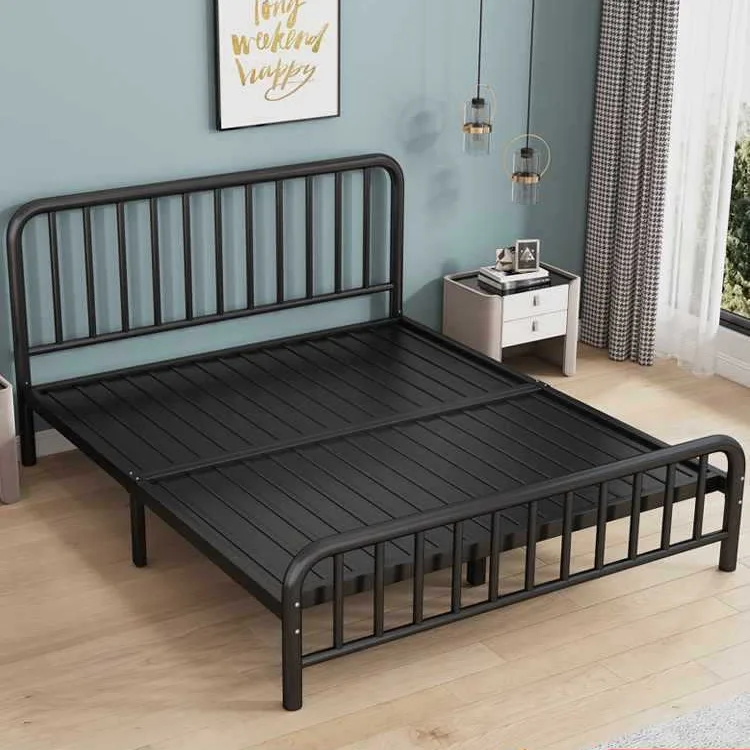
A bed frame metal structure that is too thin may flex under pressure, create squeaking sounds over time, or even deform after extended use. On the other hand, properly thickened bed frame metal offers a rigid, silent, and dependable foundation for any mattress type. This article walks through the critical considerations every buyer should evaluate when assessing bed frame metal thickness, helping you make a confident and informed choice.
Why Metal Thickness Matters in a Bed Frame
Load Capacity and Structural Integrity
The thickness of bed frame metal is directly tied to how much weight the frame can support without deforming. Thicker bed frame metal walls, typically measured in gauge or millimeters, resist bending forces more effectively than thin-walled alternatives. A bed frame metal with walls measuring 1.2mm or more is generally considered suitable for standard adult use, while commercial or heavy-duty applications often require bed frame metal with walls of 1.5mm to 2.0mm or thicker. Evaluating the load rating of any bed frame metal product before purchase helps prevent premature structural failure.
Rigidity and Noise Reduction
Thin bed frame metal tends to flex slightly under dynamic loads such as movement during sleep. This micro-flexing allows joints and connection points to rub against each other, producing the familiar squeaking that plagues low-quality frames. By contrast, thicker bed frame metal maintains its shape under repeated stress, keeping all joints tight and reducing unwanted noise. When a bed frame metal design incorporates reinforced corner joints alongside adequate wall thickness, the result is a noticeably quieter and more stable sleep surface.
Key Factors to Evaluate When Choosing Thickness
Gauge Ratings and Millimeter Measurements
Bed frame metal thickness is most commonly described either by gauge number or by direct millimeter measurement. In the gauge system, a lower number indicates thicker metal, so 16-gauge bed frame metal is thicker than 20-gauge bed frame metal. For practical reference, 18-gauge bed frame metal corresponds to approximately 1.2mm wall thickness, which is a widely accepted standard for residential frames. When comparing products, always request the actual millimeter specification of the bed frame metal rather than relying solely on gauge numbers, since different standards can cause confusion across manufacturers.
Frame Profile Shape and Its Interaction with Thickness
The cross-sectional shape of a bed frame metal component works together with its thickness to determine overall stiffness. A square or rectangular hollow tube of bed frame metal distributes stress more evenly than a simple flat bar of the same thickness. Reinforced bed frame metal designs, such as double-layered side rails or welded box sections, deliver superior performance even when individual wall thickness is moderate. Always assess bed frame metal construction holistically, considering both the profile geometry and the wall thickness together rather than treating them as independent variables.
Surface Treatment and Its Relationship to Durability
Beyond raw thickness, the surface treatment applied to bed frame metal plays a significant role in long-term durability. Powder-coated bed frame metal resists oxidation and surface corrosion far better than untreated or thinly painted alternatives. When bed frame metal undergoes proper electrostatic powder coating, the protective layer adheres uniformly and does not add meaningful weight while significantly extending service life. Buyers should confirm that the bed frame metal used in any chosen product has received adequate surface finishing, as even thick metal will corrode prematurely without proper protection.
Practical Guidance for Buyers and Specifiers
Matching Thickness to Intended Use
Not every application requires the thickest available bed frame metal, and over-specifying can unnecessarily increase cost and weight. For a standard single or double residential bed, bed frame metal with a wall thickness between 1.2mm and 1.5mm is generally sufficient when combined with sound welding and good joint design. For platform beds supporting heavy mattresses, bunk beds, or beds in hotel and rental environments, bed frame metal of 1.5mm to 2.0mm provides the additional margin of safety that high-use conditions demand. Matching bed frame metal thickness to the actual use case produces the best balance of performance and cost.
Inspecting Welds and Connection Points
Thick bed frame metal that is poorly welded will still fail under stress, so the quality of welded joints deserves as much attention as raw material thickness. A well-executed weld on bed frame metal should appear consistent, smooth, and free of visible porosity or gaps. Stress points such as leg-to-rail connections and center support junctions are the areas where bed frame metal quality is most tested during real-world use. When purchasing a bed frame metal product, ask for weld specifications or inspect visible joints closely to verify consistency and penetration depth.
Weight as an Indicator of Thickness
A practical field check for bed frame metal thickness is overall product weight. Heavier bed frame metal products almost always use thicker tubing and denser material throughout, while suspiciously lightweight frames often indicate thin-walled construction. A standard queen-size bed frame metal structure with genuine reinforced construction will typically weigh between 25kg and 40kg depending on size and design. If a product claims reinforced bed frame metal construction but feels unusually light, this is a signal worth investigating further before committing to purchase.
FAQ
What is the recommended bed frame metal thickness for everyday home use?
For everyday residential use, bed frame metal with a wall thickness of 1.2mm to 1.5mm is generally recommended. This range provides a solid balance between weight, cost, and structural performance. Frames using bed frame metal at this specification can comfortably support standard adult weight loads when combined with sound welding and proper joint design.
How does bed frame metal gauge affect long-term durability?
Gauge directly determines how resistant the bed frame metal is to deformation and fatigue over time. Thicker bed frame metal, represented by a lower gauge number, undergoes less micro-flexing under repeated loads, which means joints stay tighter and the frame maintains its shape longer. Choosing a bed frame metal with an appropriate gauge for the intended load significantly reduces the risk of structural issues developing after extended use.
Is heavier bed frame metal always better quality?
Weight is a useful general indicator, but it is not the only measure of bed frame metal quality. A heavy frame typically signals thicker walls and more material, which generally correlates with better strength. However, bed frame metal quality also depends on alloy composition, surface treatment, weld integrity, and profile design. A moderately weighted bed frame metal product with excellent welding and proper coating can outperform a heavier but poorly assembled alternative.