
 EN
EN

Choosing a bed frame metal product is only the first step. The real challenge often reveals itself during assembly, when the complexity of a bed frame metal design either streamlines the build process or turns it into a frustrating, time-consuming task. Understanding which factors drive that difficulty helps buyers, retailers, and manufacturers make more informed decisions before a single bolt is tightened.
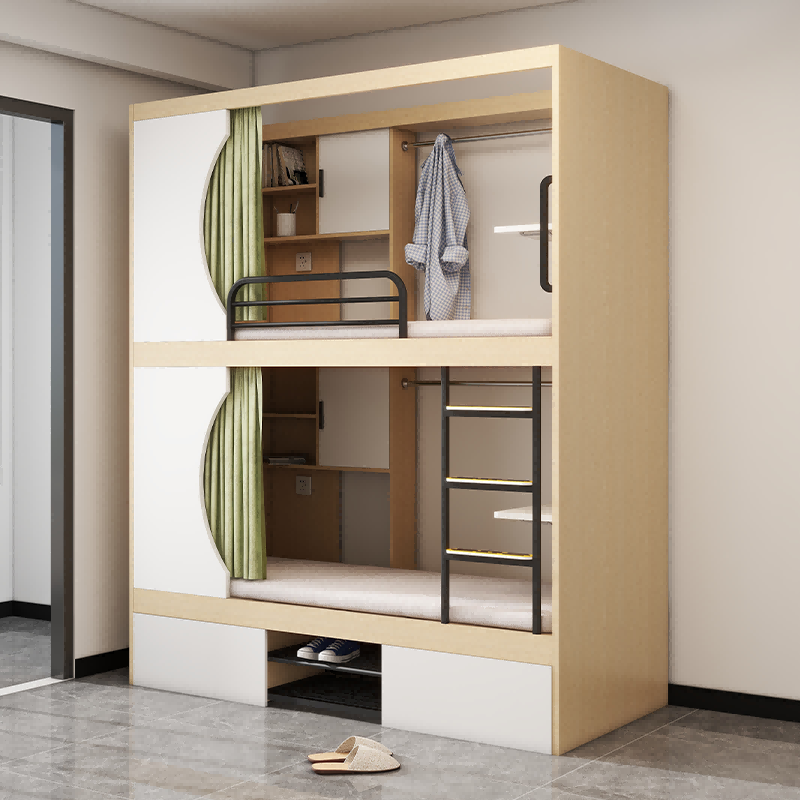
A bed frame metal structure can range from a straightforward platform design with minimal components to an elaborate bunk or storage configuration with dozens of interlocking parts. The assembly difficulty of any bed frame metal unit is shaped by a combination of structural design, hardware quality, component count, and user-facing documentation. Each of these elements plays a measurable role in how quickly and accurately a bed frame metal can be assembled without professional assistance.
Structural Design and Component Complexity
Frame Geometry and Joint Configuration
The geometry of a bed frame metal directly influences how complicated the assembly process becomes. A simple rectangular bed frame metal with four corner joints and a central support bar is far easier to assemble than a bed frame metal featuring angled side rails, integrated ladder supports, or multi-level bunk configurations. Each deviation from a straightforward linear design introduces additional alignment requirements that increase the skill level needed. When a bed frame metal includes diagonal bracing or non-standard joint angles, assemblers must account for precise positioning before securing fasteners, which adds significant time and effort.
Joint configuration is another critical variable. A bed frame metal that uses hook-and-slot connections tends to be faster to assemble than one relying entirely on bolt-through connections. However, bolt-through systems in a bed frame metal often produce stronger, more stable results when correctly installed. The tradeoff between ease and structural integrity is a core design decision that every bed frame metal manufacturer must balance carefully.
Number of Subcomponents
The total number of individual parts in a bed frame metal assembly directly correlates with assembly complexity. A bed frame metal with eight to twelve primary components is manageable for most adults. Once a bed frame metal exceeds twenty or thirty discrete parts — including slats, support legs, connecting brackets, and adjustment bolts — the assembly process demands more patience, organization, and spatial awareness. Bunk-style bed frame metal products are especially prone to high component counts, making their assembly considerably more demanding than standard single-level frames.
Hardware Quality and Fastener Design
Fastener Standardization and Fit Tolerance
Hardware quality is one of the most underestimated factors in bed frame metal assembly difficulty. When a bed frame metal uses well-machined bolts, nuts, and washers with consistent thread tolerances, components align smoothly and fasten securely without excessive force. Poor-quality hardware in a bed frame metal often means stripped threads, misaligned holes, or bolts that refuse to seat correctly — all of which dramatically increase frustration and assembly time. A bed frame metal that uses standardized hardware sizes also allows assemblers to use common tools, reducing setup complexity.
Fit tolerance between metal tube sections in a bed frame metal is equally important. If the inner diameter of a receiving tube is too tight, inserting the connecting post requires excessive force and risks misalignment. If the fit is too loose, the bed frame metal wobbles during assembly, making it difficult to hold components in position while fastening. Precise manufacturing tolerances in a bed frame metal reduce both effort and error rates during installation.
Tool Requirements and Included Hardware Kits
The tool requirements for a bed frame metal assembly directly affect how accessible the process is. A bed frame metal that requires only a basic Allen wrench or a single open-end spanner is significantly easier to assemble than one requiring multiple specialized tools. Bed frame metal products that include a complete hardware kit with labeled bags, pre-sorted fasteners, and an assembly wrench reduce the cognitive load on the assembler. When a bed frame metal ships with incomplete or poorly labeled hardware, the assembly difficulty increases even before the first component is positioned.
Documentation, Labeling, and Assembly Guidance
Instruction Clarity and Visual Accuracy
Even a mechanically simple bed frame metal can become difficult to assemble if the instruction manual is poorly designed. Clear, step-by-step visual diagrams that accurately reflect the actual bed frame metal components are essential for efficient assembly. Instructions that rely on small, low-resolution illustrations or ambiguous written descriptions force assemblers to guess at orientations and sequences, increasing the chance of errors. A bed frame metal with well-labeled diagrams, color-coded hardware references, and numbered step sequences consistently results in faster and more accurate assembly outcomes.
Component Labeling and Part Identification
How individual parts of a bed frame metal are labeled at the factory level significantly impacts assembly speed. When each bed frame metal component arrives with a stamped, stickered, or engraved part code that matches the instruction manual, assemblers can identify the correct part at a glance. A bed frame metal where parts look visually similar but serve different functions creates a high risk of incorrect installation. Clear labeling on a bed frame metal reduces assembly errors, lowers rework rates, and shortens the total time required to complete the build.
Beyond labeling, the packaging sequence of a bed frame metal also matters. When a bed frame metal is packaged so that parts needed first are accessible first, the assembly flow becomes intuitive. Poor packaging that buries early-stage components beneath later-stage parts of a bed frame metal disrupts the workflow and forces unnecessary unpacking and reorganization.
FAQ
Does a heavier bed frame metal always mean harder assembly?
Not necessarily. A heavier bed frame metal may use thicker tubing that is easier to align and hold in position during assembly. However, the added weight can make repositioning components more physically demanding, particularly for single-person assembly. The overall difficulty of a heavy bed frame metal depends more on design and hardware quality than weight alone.
How does a bunk configuration affect bed frame metal assembly difficulty?
A bunk-style bed frame metal significantly increases assembly difficulty due to the higher component count, additional ladder and guardrail attachments, and the need for precise vertical alignment. Assembling a bunk bed frame metal typically requires two people and more time than a standard single-level bed frame metal of comparable size.
Can poor packaging increase bed frame metal assembly difficulty?
Yes. When a bed frame metal arrives with parts unsorted, mislabeled, or packed in a sequence that disrupts the natural build order, assembly difficulty increases noticeably. Proper packaging design is a practical aspect of bed frame metal product development that directly affects the end-user assembly experience.