
 EN
EN
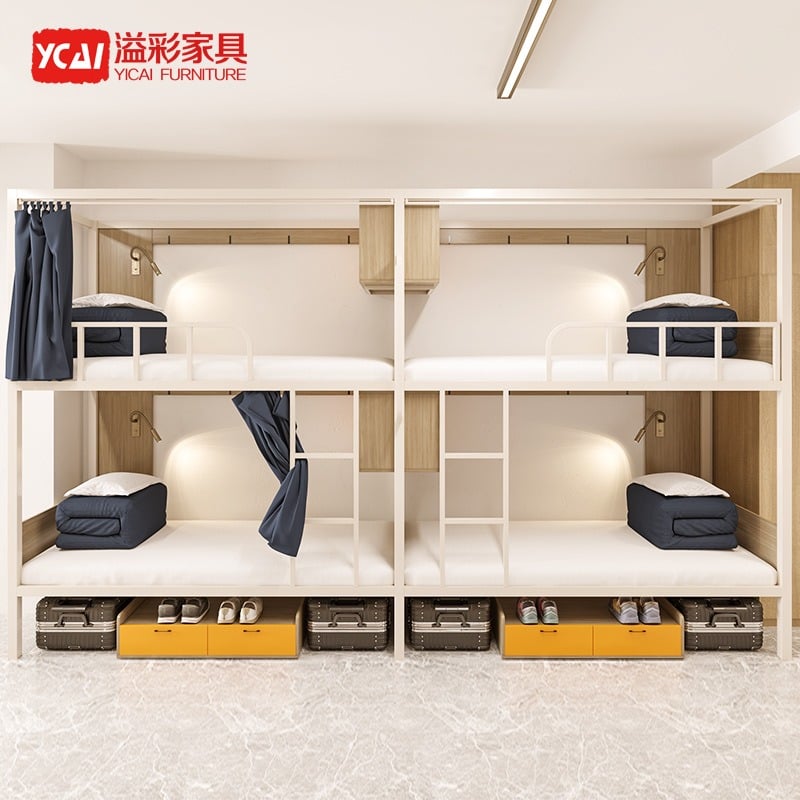
Choosing the right metal bunk bed for a hotel, dormitory, school, or apartment requires more than a focus on price or style. Safety is the single most critical factor, especially when a metal bunk bed will be used repeatedly by adults or students in high-traffic environments. Understanding which safety features truly matter helps buyers and facility managers make confident, responsible choices.
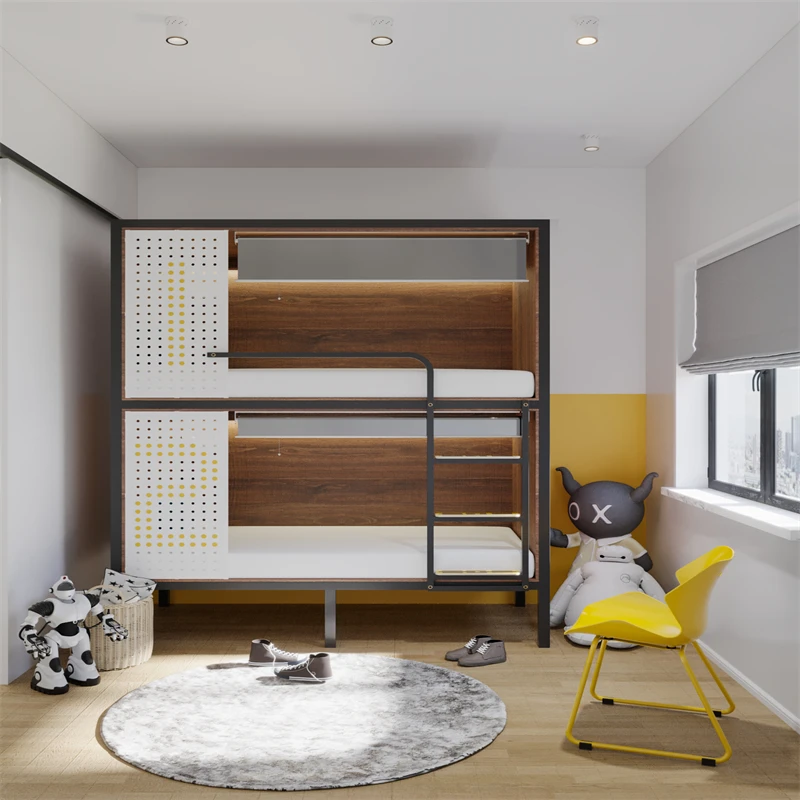
A metal bunk bed is a space-efficient solution widely used across commercial and residential settings. However, not every metal bunk bed design offers the same level of structural protection or user safety. From guardrails to load capacity ratings, each safety element plays a direct role in preventing accidents and ensuring long-term durability. This article breaks down the safety features that matter most when selecting a metal bunk bed for serious use.
Structural Integrity and Frame Construction
Frame Material and Weld Quality
The foundation of any safe metal bunk bed is the quality of its frame. A well-constructed metal bunk bed uses thick-gauge steel tubing that resists bending and stress under heavy loads. Weld points are especially important — each joint on a metal bunk bed must be clean, fully fused, and free of cracks or gaps. Poorly welded joints are one of the leading causes of metal bunk bed collapses in institutional settings. When evaluating a metal bunk bed, inspect the frame welds visually or request quality certification documentation from the supplier.
A reliable metal bunk bed should also undergo surface treatment to prevent rust and corrosion. Powder-coated finishes are common on a quality metal bunk bed because they protect the steel from moisture, humidity, and daily wear. Without proper coating, a metal bunk bed used in a dormitory or hotel may deteriorate quickly, weakening its structural safety over time. Corrosion-resistant finishing is not just cosmetic — it directly extends the safe lifespan of the metal bunk bed.
Load Capacity and Weight Rating
Every metal bunk bed should carry a clearly stated weight capacity for both the upper and lower berths. For adult use in hotels or dormitories, a metal bunk bed should support no less than 150 kilograms per bunk. Some heavy-duty versions of the metal bunk bed are engineered to handle 200 kilograms or more per sleeping surface. Buyers should always verify load ratings before purchasing a metal bunk bed for environments where adult occupants will be using the beds regularly. A metal bunk bed without a rated capacity should be treated as a safety risk, regardless of its appearance.
Upper Bunk Guardrails and Access Safety
Guardrail Height and Coverage
The guardrail is one of the most visible safety features on any metal bunk bed, and its design directly affects how well it prevents falls. A properly designed metal bunk bed guardrail should extend at least 16 centimeters above the top of the mattress surface. This height ensures that even when a mattress of standard thickness is installed, the metal bunk bed guardrail still provides adequate fall protection. Many facility managers overlook mattress thickness when specifying a metal bunk bed, which can reduce effective guardrail height significantly.
Guardrail coverage must also wrap around the full perimeter of the upper bunk on a metal bunk bed. Some lower-cost designs of the metal bunk bed only protect the open-access side, leaving the wall-facing side unguarded. This is a serious oversight, as sleepers can roll toward any side during the night. A well-engineered metal bunk bed will include full guardrails on both long sides of the upper bunk, with only the necessary ladder opening left unprotected. This full-perimeter design is a hallmark of a safety-conscious metal bunk bed.
Ladder Design and Stability
The ladder attached to a metal bunk bed is another critical safety component. A metal bunk bed ladder must be firmly attached to the frame, with no wobble or lateral movement during climbing. Ladder rungs on a metal bunk bed should be wide enough for stable footing and feature a non-slip surface texture. Some designs position the metal bunk bed ladder at an angled incline rather than a vertical orientation, which significantly reduces the risk of slipping. For dormitory or hotel applications, the ladder connection points on the metal bunk bed should be bolted rather than hooked, preventing accidental detachment.
Hardware, Fasteners, and Assembly Safety
Bolt and Connector Quality
A metal bunk bed relies on its hardware to maintain rigidity across all joints. Low-grade bolts and connectors can loosen over time, particularly on a metal bunk bed that experiences daily movement from users sitting, shifting, or climbing. For institutional use, every metal bunk bed should use grade-8 or equivalent steel bolts with locking nuts that resist vibration-induced loosening. The connection between the upper and lower frames of the metal bunk bed must be especially secure, as this joint bears the greatest combined load. Facility operators should include periodic bolt-tightening checks in the maintenance schedule for every metal bunk bed in their inventory.
Anti-Wobble Design Features
Wobble and lateral sway are common problems in a metal bunk bed with insufficient cross-bracing. A well-designed metal bunk bed incorporates diagonal or horizontal cross-support bars within the frame to eliminate unwanted movement. These structural reinforcements make the metal bunk bed feel solid and stable even when the occupant of the upper bunk shifts position during sleep. In a hotel or dormitory where a metal bunk bed is used continuously, cross-bracing also reduces noise from frame movement, contributing to a better sleep experience. When comparing options, always physically test the metal bunk bed or request engineering drawings that confirm the cross-support configuration.
FAQ
What guardrail height is considered safe for a metal bunk bed?
A metal bunk bed guardrail should extend at least 16 centimeters above the top of the installed mattress. This measurement accounts for mattress compression and ensures the metal bunk bed provides adequate fall protection for adult users sleeping in the upper bunk.
How often should a metal bunk bed be inspected for safety?
In commercial environments such as hotels and dormitories, a metal bunk bed should be inspected at least once every three months. Checks should cover bolt tightness, guardrail stability, ladder attachment, and frame corrosion. A metal bunk bed showing signs of structural wear should be taken out of service immediately.
Is a powder-coated metal bunk bed safer than an untreated one?
Yes. A powder-coated metal bunk bed resists rust and surface degradation far better than an untreated frame. Corrosion weakens the steel over time, which can compromise the load-bearing capacity of the metal bunk bed. Powder coating is a practical safety measure, not just a finishing choice.