
 EN
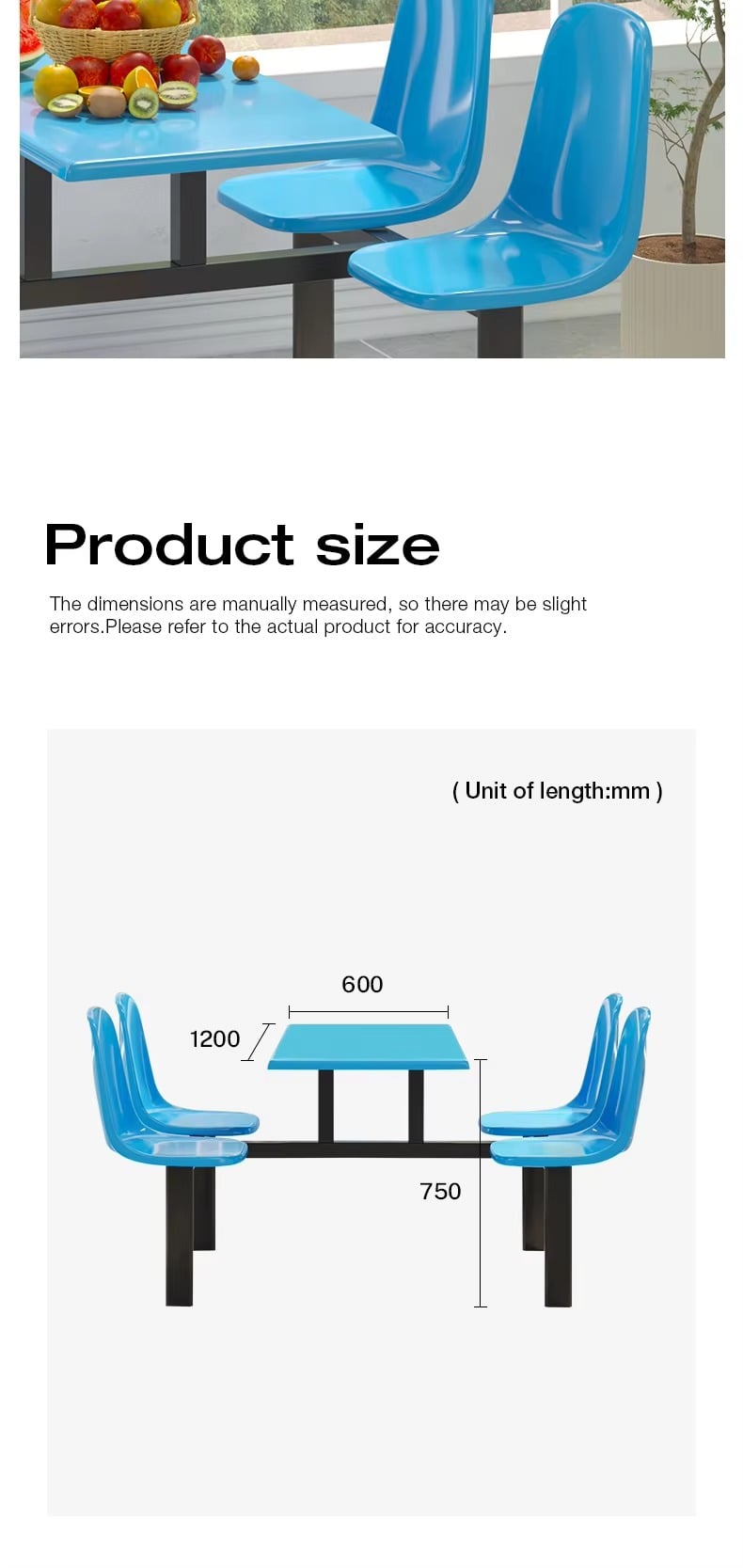
Fiberglass school canteen furniture has become the go-to choice for institutional dining environments where durability and easy maintenance are non-negotiable. Schools operate in demanding conditions where food spills, beverage stains, and daily wear tear typical materials quickly. Understanding how fiberglass school canteen furniture resists stains is essential for facility managers seeking long-term value and reduced replacement costs. The stain resistance of fiberglass school canteen furniture stems from both material composition and manufacturing innovations that protect surfaces against moisture, oils, and common food pigments.
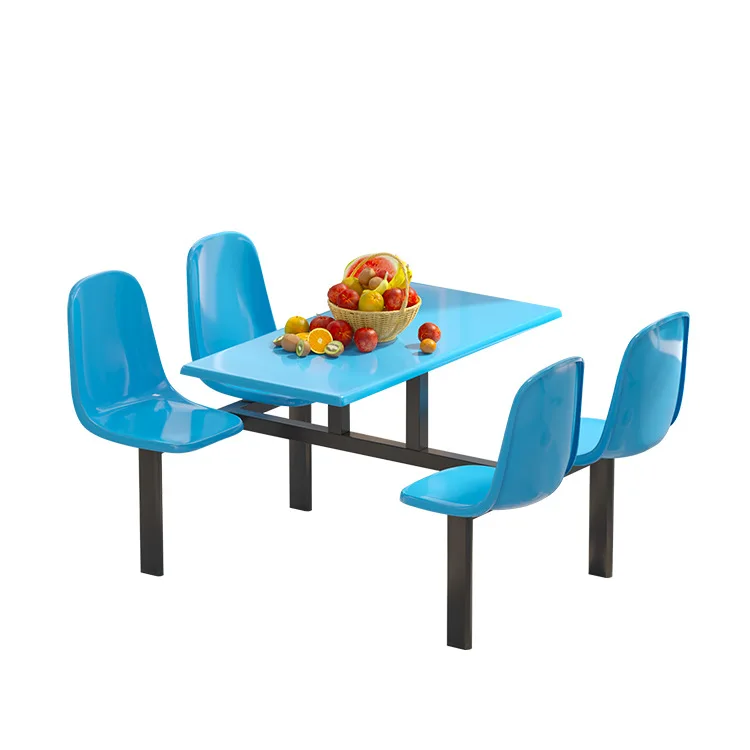
The effectiveness of fiberglass school canteen furniture in resisting stains depends on several interconnected factors including resin formulation, surface coatings, and structural integrity. Unlike wood or particle board alternatives that absorb liquids and develop permanent discoloration, fiberglass school canteen furniture maintains its appearance through non-porous engineering. This article explores the mechanisms behind stain resistance in fiberglass school canteen furniture and why it outperforms traditional materials in high-traffic school dining environments.
Material Composition and Non-Porous Properties
Resin Structure and Moisture Barrier
Fiberglass school canteen furniture achieves stain resistance primarily through its non-porous resin matrix that prevents liquid absorption. The polyester or epoxy resin used in quality fiberglass school canteen furniture creates a continuous barrier that liquid cannot penetrate. When food or beverage spills contact the surface of fiberglass school canteen furniture, the liquid remains on the topmost layer rather than soaking into the material. This fundamental property distinguishes fiberglass school canteen furniture from porous alternatives like wood, laminate, or untreated MDF. The cross-linked polymer structure of fiberglass school canteen furniture resists molecular penetration by water, oils, and pigmented substances that cause permanent discoloration.
Glass Fiber Reinforcement Integration
Glass fiber strands embedded within fiberglass school canteen furniture contribute to overall stain resistance by maintaining structural integrity under stress. The reinforced composite structure of fiberglass school canteen furniture prevents micro-cracking that would otherwise trap staining agents. Quality fiberglass school canteen furniture uses multiple layers of glass fiber woven at different angles to distribute pressure and eliminate weak points where liquids might accumulate. This engineering approach ensures that fiberglass school canteen furniture maintains its protective surface seal even after years of institutional use. The combination of resin and glass fiber in fiberglass school canteen furniture creates a unified, stain-resistant system superior to single-material furniture options.
Surface Treatments and Protective Coatings
Gel Coat and UV-Resistant Layers
Manufacturers apply specialized gel coats to the exterior of fiberglass school canteen furniture to enhance stain resistance and appearance retention. The gel coat layer on fiberglass school canteen furniture serves as the primary defense against staining agents, providing a sealed, glossy, and easily cleanable surface. High-quality fiberglass school canteen furniture features marine-grade gel coats formulated to resist fading, chalking, and chemical degradation from cleaning products. The gel coat applied to fiberglass school canteen furniture contains UV inhibitors that prevent color fading from fluorescent lighting and natural sunlight in cafeteria spaces. Regular maintenance of this protective layer on fiberglass school canteen furniture keeps stain resistance effective throughout the furniture's operational lifespan.
Protective Sealant Systems
Advanced fiberglass school canteen furniture incorporates additional sealant systems that lock in stain resistance and extend cleaning intervals. Top-coat sealants applied to fiberglass school canteen furniture create a molecular barrier that actively repels oils and prevents staining pigments from bonding to the surface. Some premium fiberglass school canteen furniture products include hydrophobic treatments that cause liquids to bead up and roll away rather than spreading across the surface. The sealant chemistry used in superior fiberglass school canteen furniture makes it resistant to acidic foods, sauces, and beverages that would stain conventional materials. Proper application of these protective coatings to fiberglass school canteen furniture determines how effectively stain resistance performs in daily cafeteria operations.
Practical Stain Resistance Performance
Common Cafeteria Staining Scenarios
Fiberglass school canteen furniture consistently outperforms other materials when exposed to typical school dining stains including tomato-based sauces, chocolate, coffee, and fruit juices. The surface of fiberglass school canteen furniture resists turmeric staining, red dye penetration, and marker residue that compromise wood and laminate surfaces. Institutional testing demonstrates that fiberglass school canteen furniture maintains original appearance after accidental spills of ketchup, mustard, and curry-based meals common in school menus. Food debris that sits temporarily on fiberglass school canteen furniture does not bond chemically to the surface, allowing custodial staff to wipe it clean with minimal effort. The proven stain resistance of quality fiberglass school canteen furniture reduces replacement frequency and keeps dining environments looking professionally maintained.
Durability Under Intensive Cleaning Protocols
School cafeterias subject fiberglass school canteen furniture to aggressive cleaning regimens using strong detergents, hot water, and mechanical scrubbing that would damage many materials. Fiberglass school canteen furniture withstands alkaline degreasers, bleach solutions, and industrial sanitizers without surface degradation or color fading. The chemical resistance built into quality fiberglass school canteen furniture means cleaning products cannot strip the protective coating or compromise stain resistance. Unlike wood furniture that warps from moisture exposure during institutional cleaning, fiberglass school canteen furniture maintains dimensional stability and surface properties. Repeated cleaning cycles actually enhance the effectiveness of fiberglass school canteen furniture by removing any accumulated residue while preserving the stain-resistant gel coat underneath.
Maintenance Best Practices for Long-Term Performance
Daily Care and Stain Prevention
Maintaining the stain resistance of fiberglass school canteen furniture requires simple daily cleaning routines that preserve the protective surface. Wiping down fiberglass school canteen furniture with damp cloths immediately after meals prevents staining agents from sitting on the surface. Using mild detergent and warm water keeps fiberglass school canteen furniture clean without requiring expensive specialty products. The low-maintenance design of fiberglass school canteen furniture makes it ideal for budget-conscious school districts seeking to minimize labor costs. Addressing spills promptly on fiberglass school canteen furniture ensures the stain resistance properties remain fully effective season after season.
Preventive Surface Maintenance
Periodic refinishing of fiberglass school canteen furniture restores the protective sealant layer and extends stain resistance for additional years of service. Fiberglass school canteen furniture benefits from annual applications of sealant products designed specifically for composite materials. Applying protective wax or polish to fiberglass school canteen furniture maintains the glossy finish and enhances water and oil repellency. Avoiding abrasive scrubbing pads on fiberglass school canteen furniture preserves the gel coat layer that provides primary stain defense. Schools that invest in preventive maintenance of fiberglass school canteen furniture achieve optimal stain resistance and significantly extend furniture lifespan compared to reactive replacement approaches.
FAQ
Can fiberglass school canteen furniture be permanently stained?
While fiberglass school canteen furniture resists staining exceptionally well, permanent discoloration is extremely unlikely under normal school operations. Quality fiberglass school canteen furniture with proper gel coat application and sealant layers will not absorb staining agents even after years of heavy use. Minor surface discoloration from contact with very concentrated pigments can sometimes occur, but fiberglass school canteen furniture can be restored through polishing or professional refinishing. The non-porous nature of fiberglass school canteen furniture makes it virtually impossible for stains to penetrate deeply into the material structure.
How does fiberglass school canteen furniture compare to laminate regarding stain resistance?
Fiberglass school canteen furniture significantly outperforms laminate in stain resistance because the composite material is completely non-porous, while laminate can develop edge damage where water penetrates the substrate. Laminate edges and seams are vulnerable to moisture absorption and staining, whereas fiberglass school canteen furniture maintains sealed protection across entire surfaces. The durability of fiberglass school canteen furniture under aggressive institutional cleaning makes it superior for high-turnover cafeteria environments compared to laminate alternatives.
What cleaning products are safe for fiberglass school canteen furniture?
Fiberglass school canteen furniture can be cleaned safely with mild detergent solutions, diluted bleach, standard degreasers, and most institutional sanitizers without damage. Avoid extremely acidic or alkaline products at full strength on fiberglass school canteen furniture, though diluted versions pose no risk to the protective coating. The chemical resistance of quality fiberglass school canteen furniture means most commercial cleaning products will not compromise stain resistance or surface integrity. Always test new cleaning products on an inconspicuous area of fiberglass school canteen furniture before applying to high-visibility surfaces.