
 EN
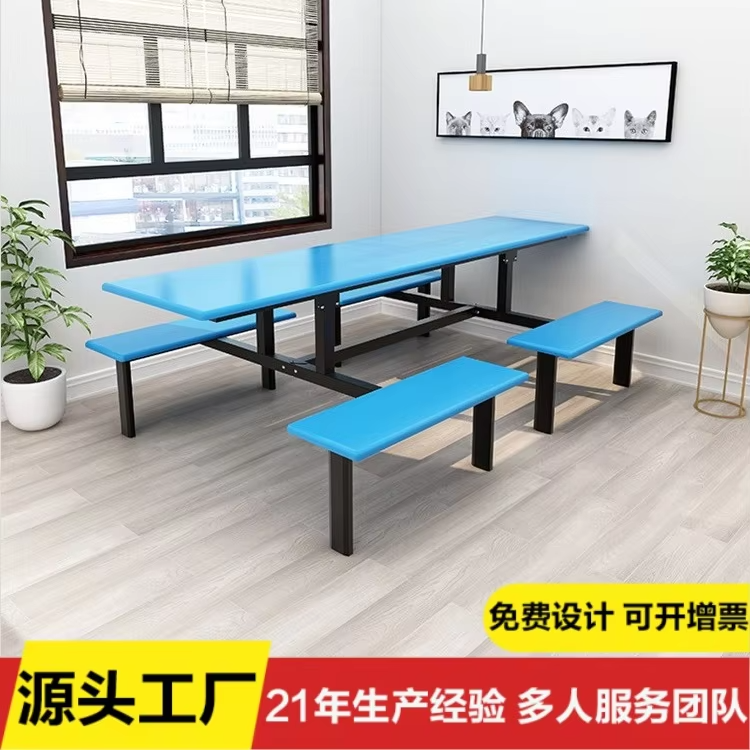
Deciding when to replace fiberglass school canteen furniture is a critical facility management decision that impacts both student dining experiences and institutional budgets. Schools often struggle to determine whether aging furniture should be refurbished, repaired, or completely replaced with new fiberglass school canteen furniture. This question becomes increasingly important as educational institutions face mounting pressure to maintain safe, hygienic, and inviting dining spaces while managing limited capital resources. Understanding the right timing for replacement helps administrators make informed decisions that balance operational costs with educational quality and student wellbeing.
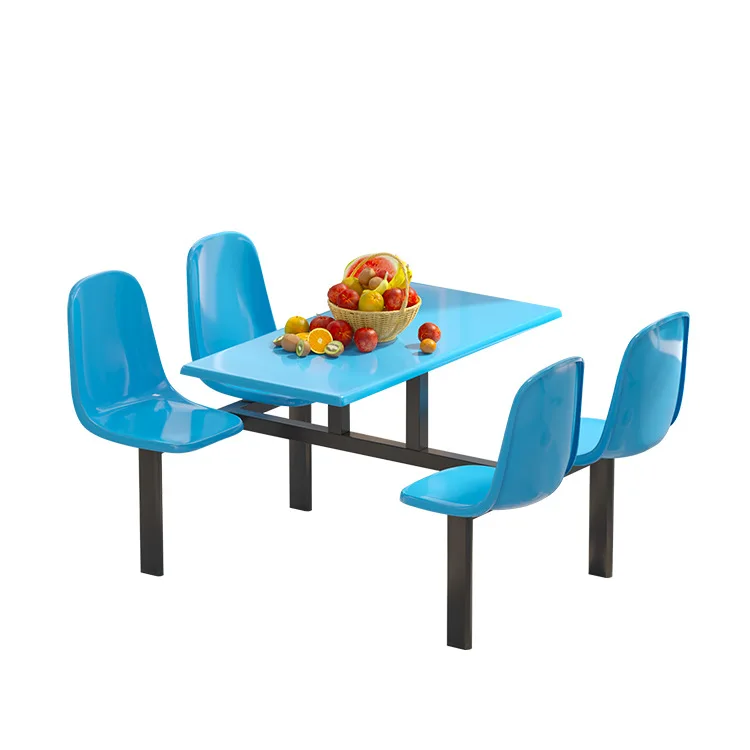
Fiberglass school canteen furniture represents a substantial long-term investment in school infrastructure. Unlike traditional wooden or metal options, fiberglass school canteen furniture offers specific durability characteristics that influence its replacement lifecycle. Schools must evaluate structural integrity, material degradation, maintenance demands, and alignment with educational standards to determine whether their current fiberglass school canteen furniture still meets institutional needs or requires replacement.
Identifying Structural Damage and Material Deterioration
Signs of Physical Deterioration
Fiberglass school canteen furniture typically shows predictable wear patterns that signal replacement timing. Visible cracks, splits, or splintering in the fiberglass surface indicate advancing material breakdown that compromises both aesthetics and functionality. When fiberglass school canteen furniture develops deep cracks that penetrate the resin layer, moisture can infiltrate the material, accelerating internal degradation and structural weakness. Color fading and chalking on the surface suggest UV damage and resin deterioration, particularly in furniture exposed to direct sunlight. Seats that no longer maintain their original shape or cushioning indicate that the fiberglass school canteen furniture has lost structural rigidity and no longer provides adequate user comfort or support.
Hygiene and Safety Concerns
Schools prioritize student health and safety above all other considerations when evaluating fiberglass school canteen furniture. Damaged surfaces create hidden crevices where bacteria, mold, and food particles can accumulate despite cleaning efforts, violating health code standards. Cracked or splintered fiberglass school canteen furniture poses direct physical hazards, including sharp edges that can cause cuts or injuries to students. When professional cleaning no longer removes staining or discoloration from fiberglass school canteen furniture, the furniture may harbor pathogens or simply appear unhygienic to students and parents. Any furniture displaying visible mold growth, persistent odors, or evidence of pest infestation warrants immediate replacement with new fiberglass school canteen furniture that meets current health and safety standards.
Evaluating Maintenance Costs and Operational Efficiency
Escalating Repair Expenses
Schools should track maintenance and repair costs for fiberglass school canteen furniture as a key metric in replacement decisions. When repair expenses exceed 30-40% of replacement costs annually, replacing fiberglass school canteen furniture becomes more economical than continued repairs. Frequent repairs to the same fiberglass school canteen furniture pieces—such as repeated reattachment of seats, ongoing crack repairs, or cushion replacements—indicate that the material has reached end-of-life. Specialized repair services for fiberglass school canteen furniture become harder to source and more expensive as manufacturers discontinue support for older designs. When parts and accessories for current fiberglass school canteen furniture become unavailable, schools lose the ability to maintain consistency across the dining facility and must consider replacement with newer models.
Cleaning and Sanitization Labor
Damaged fiberglass school canteen furniture requires disproportionate cleaning effort and specialized sanitization procedures. Staff time spent addressing staining, odor, or surface contamination on aging fiberglass school canteen furniture reduces efficiency and increases operational costs. Schools should calculate whether the labor hours spent maintaining problematic fiberglass school canteen furniture could be reduced through replacement with modern furniture featuring improved surface coatings and easier cleaning protocols. New fiberglass school canteen furniture designs often incorporate antimicrobial treatments and seamless construction that significantly reduces cleaning time and improves hygiene outcomes compared to aging pieces.
Assessing Capacity, Functionality, and Learning Environment Impact
Changing Student Needs and Usage Patterns
Schools experience shifting enrollment numbers, dietary preferences, and dining patterns that may render existing fiberglass school canteen furniture incompatible with current operational requirements. Outdated fiberglass school canteen furniture designs may not accommodate modern accessibility standards or diverse seating preferences that benefit all students. When fiberglass school canteen furniture no longer supports flexible dining configurations needed for special events, reduced-capacity periods, or alternative meal service models, replacement with adaptable new furniture enhances operational flexibility. Aging fiberglass school canteen furniture that no longer reflects contemporary educational environments may negatively impact student perception of the school's quality and commitment to student experience.
Alignment With School Standards and Policies
School districts often establish minimum standards for dining facility aesthetics, sustainability, and safety that aging fiberglass school canteen furniture may fail to meet. When institutional policies require antimicrobial surfaces, eco-friendly materials, or specific ergonomic features, existing fiberglass school canteen furniture may require replacement to achieve compliance. New fiberglass school canteen furniture incorporating modern design principles, improved environmental performance, and enhanced student comfort supports the school's strategic mission and reputation. Replacement of fiberglass school canteen furniture signals institutional investment in student wellbeing and creates dining environments that genuinely support educational objectives rather than merely fulfilling basic functional requirements.
FAQ
How long does quality fiberglass school canteen furniture typically last?
Quality fiberglass school canteen furniture generally performs reliably for 10-15 years with appropriate maintenance and moderate use. However, timeframe varies significantly based on usage intensity, climate conditions, maintenance practices, and initial manufacturing quality. Schools in high-humidity environments or with very high student volume may experience shorter functional lifespans for fiberglass school canteen furniture, while institutions with lower usage and excellent maintenance may extend longevity beyond 15 years. Regular inspection helps schools identify when their specific fiberglass school canteen furniture falls below functional standards regardless of age.
Can fiberglass school canteen furniture be refurbished instead of replaced?
Many schools successfully refurbish fiberglass school canteen furniture through professional restoration, including repainting, resealing, and cushion replacement. However, refurbishment only addresses cosmetic issues and does not restore compromised structural integrity or resolve internal material degradation. If fiberglass school canteen furniture has deep cracks, significant warping, or deteriorated resin layers, refurbishment cannot restore full functionality and safety. Schools should reserve refurbishment for fiberglass school canteen furniture that remains structurally sound but shows surface wear, while planning replacement for furniture with fundamental structural problems.
What makes replacement fiberglass school canteen furniture a better investment than wooden alternatives?
Fiberglass school canteen furniture offers superior hygiene properties compared to wood because it resists moisture absorption, mold growth, and bacterial colonization in porous grain structures. New fiberglass school canteen furniture requires significantly less maintenance and cleaning compared to wooden furniture that demands regular sealing and refinishing. Fiberglass school canteen furniture withstands high-volume use and frequent sanitization cycles without degradation, making it ideal for institutional dining environments. While fiberglass school canteen furniture may carry higher initial costs, the reduced lifetime maintenance, superior durability, and improved sanitation outcomes deliver better long-term value for school budgets.