
 EN
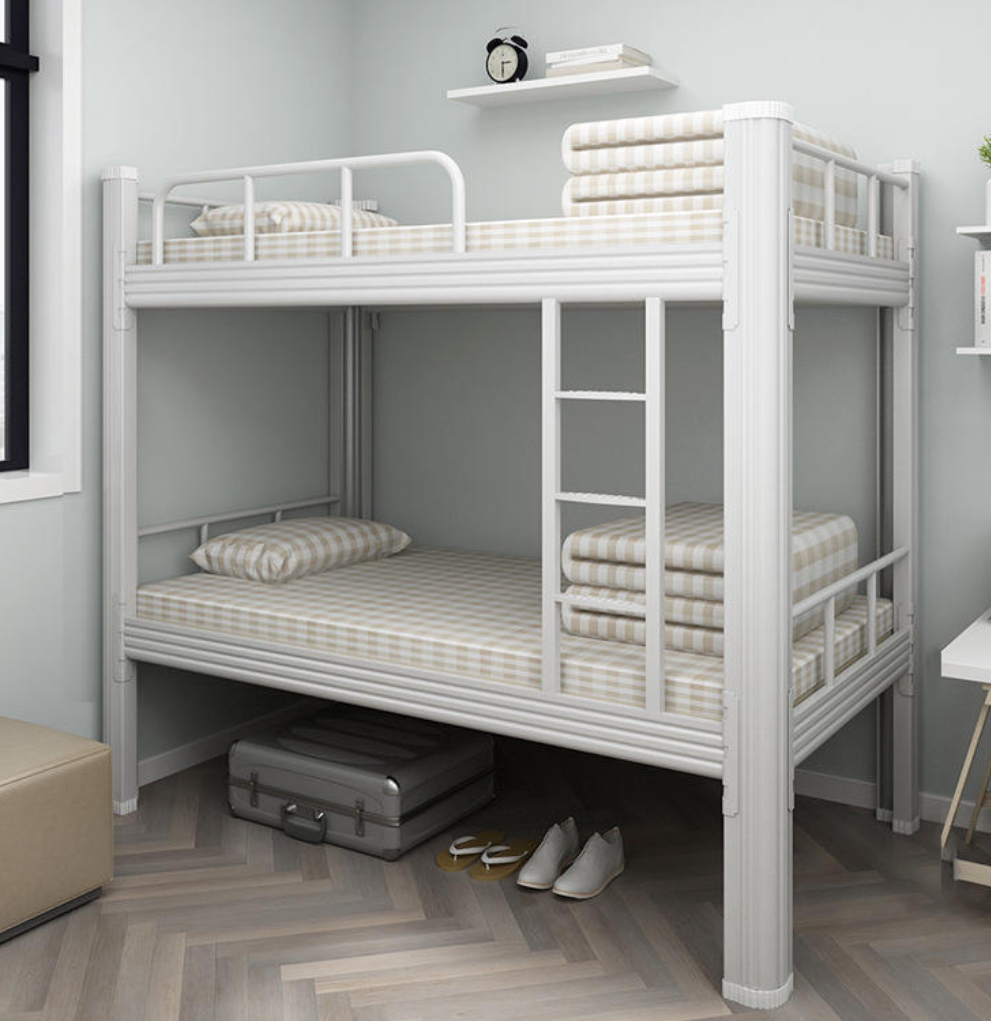
Bed frame metal construction can affect sleep through movement, sound, mattress support, and the way a bed responds to everyday use. The material alone does not determine comfort, but its design influences whether a sleeper notices creaks, shifting, or uneven support. Understanding bed frame metal details helps buyers assess how a frame may behave in a real bedroom or shared accommodation.

A comfortable mattress needs a stable base, and bed frame metal construction is one part of that foundation. Joint design, slat spacing, assembly quality, and floor contact can influence noise and stability as much as the material itself. For homes, hotels, dormitories, and apartments, evaluating bed frame metal means considering both the sleeper’s experience and the maintenance demands of the room.
How construction influences nighttime comfort
Stability reduces distracting movement
A bed that shifts when someone turns can interrupt rest, especially when two people share it. Bed frame metal construction affects stability through the geometry of the rails, legs, cross supports, and connection points. A well-braced bed frame metal design can limit side-to-side movement, while loose joints or a poorly matched mattress base may allow the structure to rack during use.
The useful question is not simply whether bed frame metal is strong, but whether the frame distributes ordinary loads across its structure. Central support can matter on wider beds, while secure connections help keep the rails aligned. When reviewing bed frame metal specifications, buyers should look for clear information about support layout and intended mattress dimensions rather than assuming that a heavier-looking frame will feel steadier.
Noise depends on joints and contact points
Creaking often comes from friction where parts meet, not from metal as a material by itself. In bed frame metal assemblies, bolts, brackets, slats, and mattress contact areas can shift slightly as weight changes. A bed frame metal product with firm connections and properly seated components is less likely to develop distracting movement sounds, though assembly and ongoing use still matter.
Floor contact is another part of the sound path. Uneven flooring can make one leg bear differently, allowing a bed to rock or tap against the surface. With bed frame metal, adjustable feet or suitable floor protectors may help address that issue, depending on the design. Tightening accessible fasteners after setup can also reduce avoidable movement, following the maker’s instructions.
Support, mattress fit, and room conditions
A level base helps the mattress perform as intended
A mattress needs consistent support across the areas specified for its construction. Bed frame metal support rails and slats should match the mattress size and support requirements; gaps that are too wide may create unsuitable support, while a mismatched base can let the mattress shift. Before purchase, check how the bed frame metal layout supports the particular mattress rather than relying on a general description.
A level sleeping surface can make it easier to settle into a comfortable position, but the frame cannot correct every mattress issue. If the bed frame metal base is uneven, damaged, or incorrectly assembled, the mattress may not sit as designed. Inspecting the support surface and confirming that the mattress rests securely are practical steps for protecting comfort and reducing unnecessary movement.
Fit and structure matter in shared rooms
In hotels, student housing, and staff accommodation, beds may experience frequent use and repeated room turnover. Bed frame metal can suit these settings when the frame’s dimensions, support configuration, and assembly approach match the intended use. A stable bed frame metal structure may also make routine room checks simpler, because visible joints and rails can be inspected without removing upholstered coverings.
Room layout also shapes perceived comfort. A frame that fits tightly against a wall or other furniture can transmit contact noise when occupants move, while an unsuitable mattress size may leave it unsecured. When specifying bed frame metal for a project, confirm clearances, mattress compatibility, access for assembly, and floor conditions. These details help prevent disturbances that have little to do with sleep habits.
Practical selection and upkeep for quieter sleep
Assess construction before installation
Review the frame drawing or product details for rail configuration, support points, connection types, and mattress dimensions. These details give a more useful picture of bed frame metal performance than appearance alone. For a bunk bed or another multi-level arrangement, also verify the stated use, assembly requirements, and safety instructions. Bed frame metal should be selected for the application, not just for a preferred finish.
If project planning includes custom room dimensions or coordinated layouts, a design review can clarify fit before units arrive. For example, a buyer can explore a bed frame metal option in the context of hotel, school, or apartment use. Confirming dimensions and access early can reduce installation problems that otherwise affect stability and quiet operation.
Maintain the frame as the room is used
After assembly, check that the frame sits evenly and that each connection is secured as directed. Bed frame metal components may loosen through normal movement, relocation, or repeated assembly, so periodic inspection can help identify a problem before it becomes a recurring disturbance. Avoid improvised changes that could alter the intended support arrangement or compromise the structure.
If noise develops, locate its source before replacing the bed. Check for a loose fastener, a moving slat, uneven floor contact, or friction against nearby furniture. These simple observations can distinguish a bed frame metal issue from a mattress concern. Follow the supplied care guidance, and stop using any component that appears damaged until it has been assessed appropriately.
FAQ
Does bed frame metal make a bed noisy?
Not inherently. Noise usually relates to movement at joints, slats, or floor contact, so bed frame metal construction and assembly both matter. Secure connections, an even floor, and correct mattress fit can help limit avoidable sounds. If creaking persists, inspect the frame according to its instructions rather than assuming the material is the cause.
Can a metal frame improve mattress support?
It can provide a suitable base when its support layout matches the mattress requirements. Bed frame metal does not automatically guarantee even support; rail placement, slat spacing, center supports, and bed size all contribute. Check the mattress guidance and frame specifications together, then confirm that the assembled base is level and the mattress fits securely.
What should facilities buyers check first?
Start with the room dimensions, expected bed use, mattress size, assembly access, and maintenance plan. For bed frame metal in shared accommodation, assess stability, connection accessibility, and the support arrangement for the chosen mattress. Clear product documentation helps teams install and inspect beds consistently, supporting a quieter and more dependable sleeping environment.