
 EN

A durable, stable bed depends on more than the visible shape of its rails and legs. In a bed frame metal structure, material quality, section dimensions, joint design, surface protection, and assembly all work together. Understanding these factors helps buyers assess whether a frame can handle repeated use without becoming loose, noisy, or uneven.
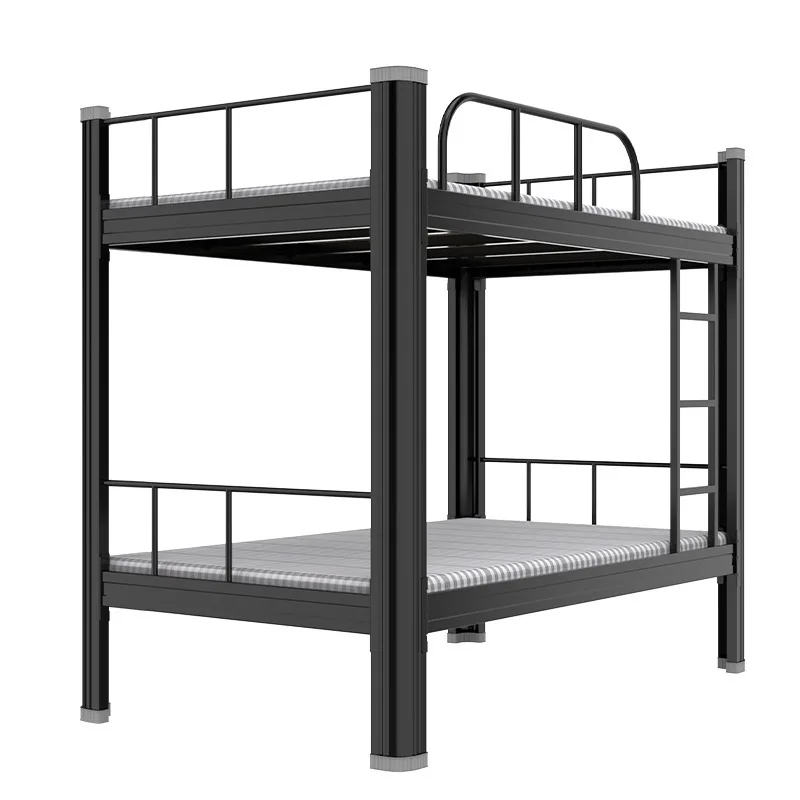
Stability is not simply a matter of choosing heavier components. A well-designed bed frame metal structure distributes loads through connected rails and supports, while suitable finishes help limit corrosion during its service life. When evaluating a bed frame metal product for a home, dormitory, or other shared setting, inspect how these design choices combine rather than relying on appearance alone.
Structural choices that carry the load
Material and section dimensions
The steel used in a bed frame metal structure needs appropriate strength and consistent quality for its intended use. Material grade matters, but so does the thickness and shape of each section. A hollow rail with a well-chosen profile can resist bending effectively, while an undersized section may flex even when the overall frame looks substantial.
Consider where weight enters and travels through the frame. In a bed frame metal design, side rails support the sleeping platform, and legs transfer forces to the floor. Cross supports help share loads between the rails. Ask for clear specifications about tube dimensions and construction, then consider the expected mattress, occupancy, and frequency of use together.
Geometry and load distribution
A stable bed frame metal structure uses balanced geometry so that the mattress platform does not rely on one isolated support point. Rails should align, legs should sit beneath load-bearing areas, and cross members should limit excessive span. These relationships reduce twisting and uneven pressure when someone sits on an edge or changes position.
The bed frame metal layout should also suit the bed size and intended environment. Wider spans may need additional support to control deflection, while a compact frame may depend on carefully positioned rails and feet. Look for a platform that sits level and is supported across its width, not only at the corners.
Connections and finishes that preserve stability
Joint design and fastener fit
Joints are critical because movement often begins where frame members meet. In a bed frame metal assembly, welded joints need consistent contact and sound execution, while bolted connections need aligned holes and fasteners that fit securely. Poorly matched parts can leave gaps, create rattling, or place extra stress on a small area.
Check whether the bed frame metal connection points are accessible for inspection and tightening after assembly. A fastener that is difficult to reach may be neglected during maintenance. The design should bring adjoining parts together without forcing them into alignment, since forced assembly can distort rails and make the finished platform less square.
Surface protection and wear
A protective finish helps a bed frame metal structure resist moisture and everyday abrasion. Coating quality depends on preparation, coverage, and application, especially around corners, welds, and concealed edges. Scratches or exposed areas can allow corrosion to develop over time, so inspect the finish carefully rather than judging it only from the broad, visible surfaces.
The right bed frame metal finish should also suit the environment and expected handling. A dry bedroom has different exposure conditions from a frequently cleaned dormitory or staff accommodation. During routine care, use suitable cleaning methods and address chips promptly. Keeping joints clean and dry can help preserve both the coating and the fit of connected parts.
Practical checks for selecting and maintaining a frame
Fit the design to actual use
Before choosing a bed frame metal option, define how and where it will be used. A private bedroom may experience occasional repositioning, while shared accommodation can involve more frequent assembly, occupancy, and movement. Consider mattress weight, user needs, available floor space, and whether the frame will be moved often. These details guide sensible structural priorities.
Ask what the bed frame metal product includes, such as slats, center supports, fasteners, and assembly instructions. Confirm that the intended mattress dimensions match the platform and that the support arrangement is clearly described. For institutional purchasing, consistent components and straightforward inspection can matter as much as initial installation, since maintenance teams need practical access.
Inspect assembly and ongoing condition
During setup, assemble the bed frame metal structure on a level surface and follow the supplied sequence. Bring parts into alignment before fully tightening fasteners, then check that each foot contacts the floor and the platform sits square. A rocking frame may indicate an uneven floor, a loose connection, or a mismatch between components that deserves attention.
After installation, periodically check the bed frame metal joints, support slats, and feet for looseness, movement, or visible damage. Tighten fasteners according to the product instructions, not by applying excessive force. Stop using a frame if a rail is cracked, a weld appears damaged, or the structure no longer supports the platform evenly, and seek an appropriate repair or replacement.
FAQ
Does a heavier frame always provide greater stability?
No. Weight alone does not establish strength or stability. A bed frame metal design also depends on section shape, support placement, joint quality, and correct assembly. A heavier frame with weak connections can still move or develop noise, while a thoughtfully engineered structure can distribute loads without unnecessary bulk. Compare documented dimensions and construction details.
Which parts should be checked first if a frame wobbles?
Start with floor contact, then inspect the bed frame metal fasteners, rail connections, and center supports. Confirm that the frame is square and that no part is bent or damaged. Tightening may resolve ordinary looseness, but persistent rocking can point to uneven flooring, missing supports, or a component that needs professional assessment.
How can routine care extend useful service life?
Keep the bed frame metal structure clean and dry, follow the care instructions, and check connections periodically. Avoid dragging an assembled frame across rough flooring, which can strain feet and joints. Address chipped coating and unusual sounds early, and do not exceed the product's stated use guidance. Regular checks help identify developing issues before they affect stability.