
 EN
EN
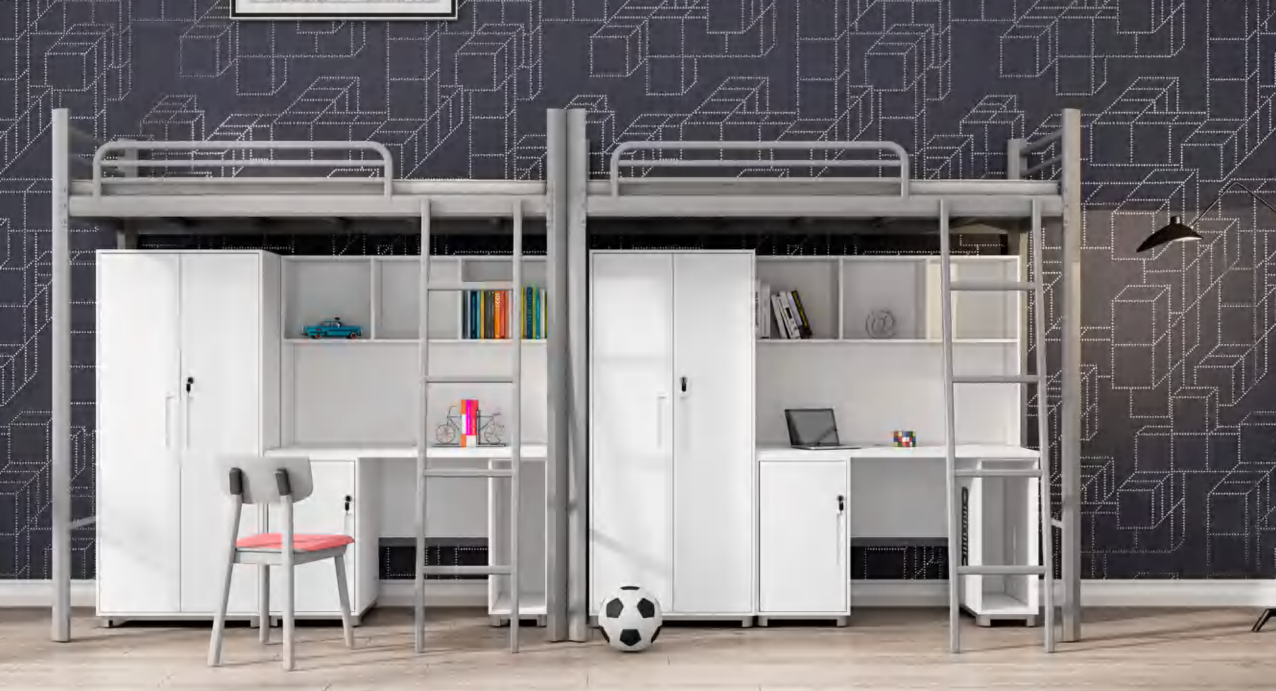
A metal bed frame serves as the foundation for restorative sleep, yet many people underestimate how significantly this single piece of furniture influences sleep quality and overall comfort. The choice between a metal bed frame and other materials directly affects spinal alignment, mattress support, temperature regulation, and long-term durability. Understanding the relationship between a metal bed frame and sleep quality helps you make an informed decision that supports better rest and improved health outcomes.
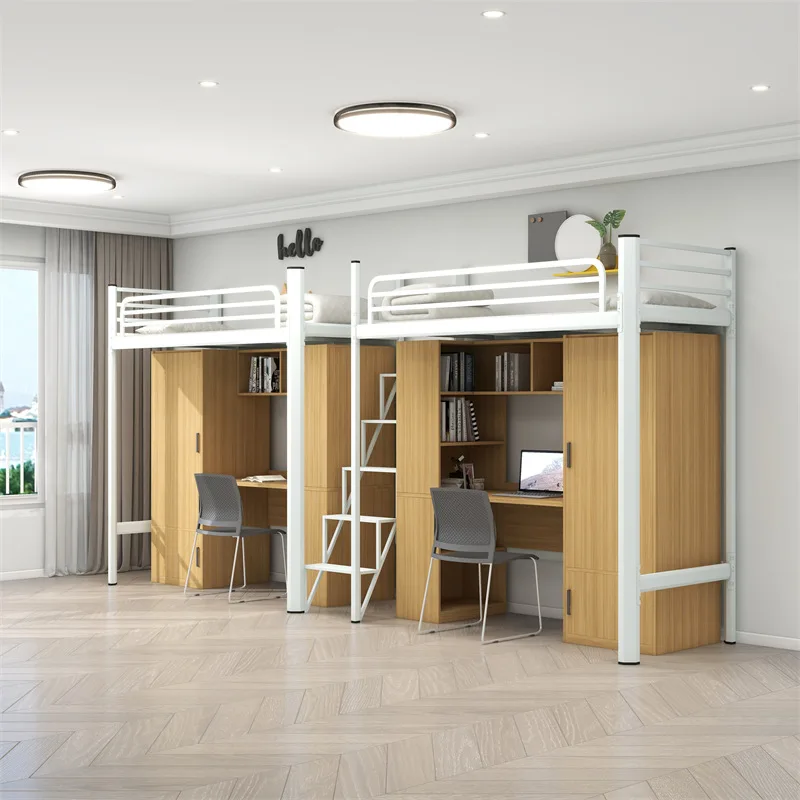
A metal bed frame combines industrial durability with practical comfort benefits that directly address common sleep complaints. Whether you are furnishing a residential bedroom, dormitory, hotel, or hospital setting, the performance characteristics of a metal bed frame impact both immediate comfort and long-term investment value. This guide explores how structural design, material properties, and engineering features of a metal bed frame work together to enhance sleep quality and comfort.
Structural Support and Spinal Alignment
How Metal Frame Engineering Supports Your Spine
The foundation provided by a metal bed frame directly influences spinal alignment during sleep. A well-engineered metal bed frame distributes body weight evenly across support slats or springs, preventing the sagging that occurs with inferior materials. This consistent support maintains natural spinal curves throughout the night, reducing pressure points that interrupt sleep cycles and cause morning discomfort. When you sleep on a metal bed frame with proper load distribution, your spine remains in neutral alignment, enabling deeper, more restorative sleep.
Metal bed frame construction typically includes multiple support points beneath the mattress, creating a rigid foundation that prevents motion transfer between sleeping partners. This stability matters for sleep quality because movements from one side of the bed do not disturb the other sleeper. Hospital and dormitory settings particularly benefit from this feature, as a metal bed frame maintains consistent support across varying mattress types and body weights. The structural integrity of a metal bed frame ensures that support performance remains consistent night after night, month after month.
Pressure Relief and Comfort Distribution
A quality metal bed frame works in partnership with your mattress to enhance pressure relief and comfort distribution. The rigid base prevents hammocking, which occurs when mattresses sink unevenly into unsupportive frames. When a metal bed frame maintains proper tension and support, pressure is distributed across larger surface areas rather than concentrating at contact points like shoulders and hips. This distributed pressure relief reduces nighttime tossing and turning, allowing you to remain in deeper sleep stages longer.
For individuals with chronic pain, back issues, or mobility challenges, a metal bed frame provides the stable foundation necessary for comfortable sleep. The even support surface minimizes the compensatory muscle tension that develops when sleeping on inadequate frames. Hospital and recovery settings rely on metal bed frame designs specifically because this consistency supports healing and reduces sleep-related complications.
Durability, Longevity, and Sleep Consistency
Metal Bed Frame Resistance to Sagging and Wear
One primary advantage of a metal bed frame is exceptional resistance to sagging and permanent deformation. Unlike wooden frames that warp, crack, or weaken over time, a metal bed frame maintains structural integrity across years of nightly use. This consistency directly benefits sleep quality because your body receives the same support level every night, rather than gradually declining performance. School dormitories, hotels, and institutions choose metal bed frame construction precisely because durability translates to dependable comfort and reduced replacement costs.
When a metal bed frame resists sagging, the mattress itself performs optimally. Sagging frames force mattresses to work harder, accelerating wear and reducing the mattress lifespan while simultaneously degrading sleep quality. A metal bed frame protects your mattress investment while protecting your sleep quality by providing unchanging support. This matters significantly in high-traffic environments like student housing, where a metal bed frame might outlast multiple mattresses with consistent performance throughout.
Temperature Regulation and Material Properties
Metal bed frame materials possess thermal properties that influence bedroom comfort and sleep quality. Unlike wood, which insulates heat, metal naturally conducts temperature, helping dissipate body heat during sleep. For hot sleepers or warm climates, a metal bed frame can subtly improve comfort by preventing heat buildup in the sleep surface. The material composition of a metal bed frame also resists moisture accumulation, reducing mold and mildew growth that can affect air quality and sleep health in humid environments.
Hospital and healthcare facilities specifically utilize metal bed frame construction because the material properties support patient comfort while maintaining hygiene standards. The non-porous surface of a metal bed frame resists bacterial colonization and allows for thorough cleaning, supporting both comfort and health protocols. For anyone prioritizing long-term durability and comfort consistency, the material characteristics of a metal bed frame offer practical advantages beyond basic support.
Design Features and Customization for Sleep Comfort
Adjustable Elements and Personalized Support
Modern metal bed frame designs often include adjustable slat systems or under-bed storage options that enhance overall sleep comfort and bedroom functionality. Adjustable slats within a metal bed frame allow customization of firmness levels to match individual preferences and mattress types. This flexibility means a single metal bed frame can accommodate different mattress technologies, body types, and comfort preferences, making it an adaptable solution for shared spaces like dormitories or multi-purpose facilities. The ability to fine-tune support through adjustable components within a metal bed frame significantly impacts sleep quality satisfaction.
Additional design features like reinforced edges prevent metal bed frame flexing at perimeter areas, which is particularly important for side sleepers who experience edge pressure. A metal bed frame engineered for edge support allows you to use the full mattress surface without experiencing the discomfort of unsupported edges pressing into hips or shoulders during sleep.
Noise Reduction and Sleep Environment
Quality metal bed frame construction eliminates squeaking and movement noise that disrupts sleep cycles. Poor-quality frames produce acoustic disturbances whenever you shift position during sleep, fragmenting sleep stages and reducing restorative benefits. A well-engineered metal bed frame uses secure fastening, vibration dampening, and precision tolerances to eliminate noise throughout the night. This acoustic performance directly contributes to uninterrupted sleep, allowing you to progress through complete sleep cycles without disturbance-induced micro-awakenings.
The quiet operation of a quality metal bed frame becomes especially valuable in shared environments like student housing or hospital wards, where disturbance tolerance affects multiple occupants. When a metal bed frame operates silently, sleep quality improves not just for the primary sleeper but for anyone in proximity. This environmental consideration makes metal bed frame selection important for institutional settings where multiple occupants share sleeping areas.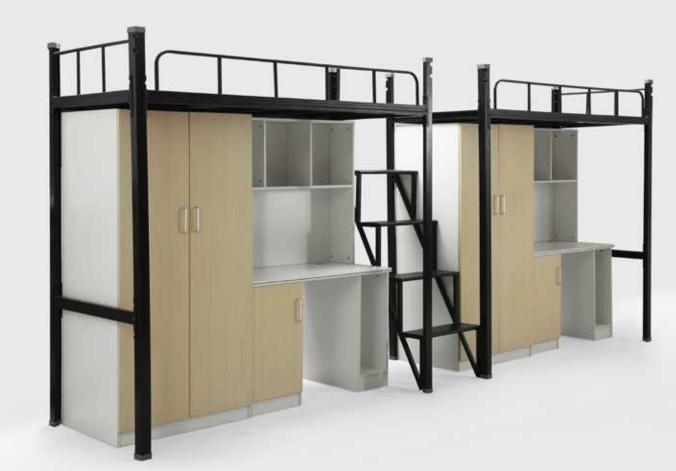
FAQ
Does a metal bed frame improve mattress performance and overall sleep quality?
Yes, a quality metal bed frame significantly improves mattress performance by providing consistent, even support that prevents sagging and maintains spinal alignment. A metal bed frame allows your mattress to perform at its design specifications, maximizing comfort features and extending mattress lifespan. When mattress support is compromised by a poor frame, sleep quality declines regardless of mattress quality. A metal bed frame ensures your mattress investment translates into better sleep quality night after night.
Is a metal bed frame suitable for people with back pain or sleep-related discomfort?
A metal bed frame is excellent for individuals with back pain because it provides the stable, even support necessary to maintain neutral spinal alignment during sleep. The rigid foundation prevents the uneven support that aggravates back pain, and consistent positioning reduces muscle tension. Many people with chronic pain report improved sleep quality after switching to a metal bed frame from unsupportive alternatives. Hospitals and medical facilities choose metal bed frame construction specifically because the support benefits patients recovering from injury or managing chronic conditions.
How long does a metal bed frame typically maintain consistent support and comfort performance?
A quality metal bed frame maintains consistent support and comfort performance for ten to twenty years or longer, depending on usage intensity and material quality. Unlike wood frames that gradually weaken or warp, a metal bed frame resists deformation and maintains original support characteristics throughout its service life. This exceptional longevity means sleep quality remains consistent year after year, making a metal bed frame a cost-effective investment in long-term comfort. Institutional settings like schools and hospitals choose metal bed frame construction precisely because durability ensures reliable performance across many years and multiple users.