
 EN
EN
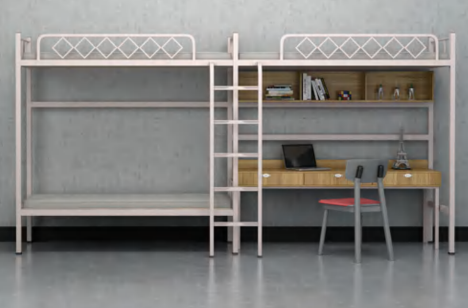
A metal bed is a bed frame constructed primarily from steel, iron, or aluminum materials, offering a distinct alternative to traditional wood frames. The metal bed has gained significant popularity in residential, commercial, and institutional settings due to its robust construction, modern aesthetic appeal, and superior longevity. Understanding how a metal bed compares to wood frames is essential for making an informed purchasing decision that aligns with your space requirements, design preferences, and budget constraints.
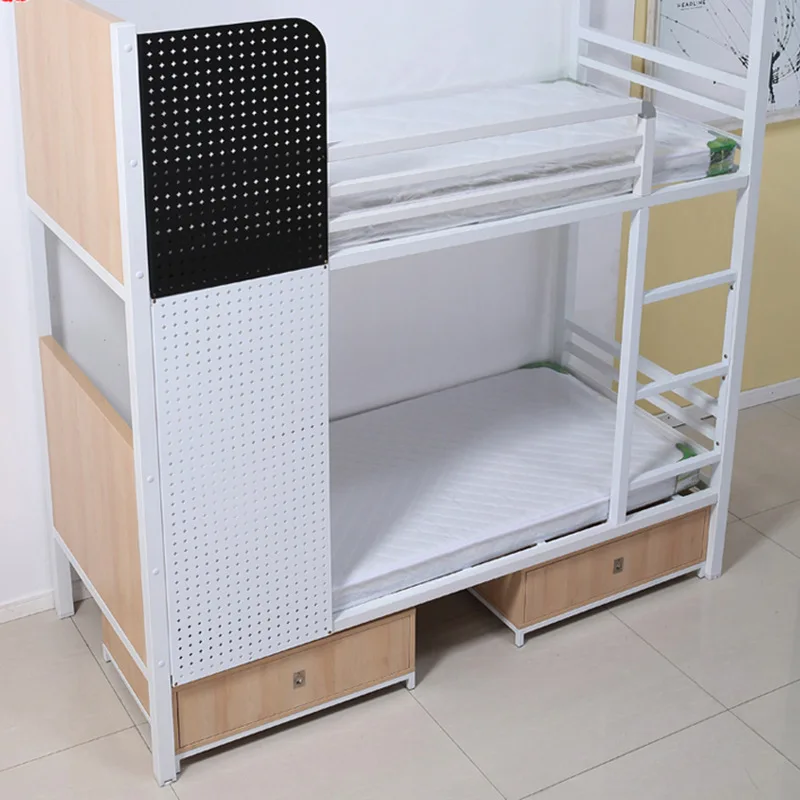
When evaluating furniture options for bedrooms, dormitories, apartments, or commercial spaces, the choice between a metal bed and a wood frame significantly impacts both functionality and aesthetics. Each material type brings distinct advantages and trade-offs that deserve careful consideration. This comprehensive guide explores the fundamental differences between metal beds and wood frames, helping you understand which option delivers the best value for your specific situation.
Material Composition and Construction Quality
Metal Bed Frame Structure
A metal bed typically consists of tubular steel, wrought iron, or aluminum components welded or bolted together to create the frame structure. The metal bed manufacturing process involves cutting, bending, and joining metal pieces to form a cohesive framework that supports the mattress and occupants. The metal bed design often incorporates reinforced cross-bracing and corner joints that distribute weight evenly across the entire structure. These engineering features make a metal bed inherently rigid and resistant to flexing or sagging over extended use periods.
Wood Frame Structure
Wood frames rely on solid timber or plywood components joined through mortise and tenon joints, doweling, or metal fasteners. Wood beds depend on the quality of timber selected, which varies significantly based on species, grade, and moisture content. The wood frame structure distributes weight through wooden members that can flex slightly during use, requiring proper mattress support to maintain structural integrity. Wood beds may develop squeaks, creaks, or joint separation as wood shrinks and swells with seasonal humidity changes.
Durability, Longevity, and Maintenance Requirements
Metal Bed Longevity and Care
A metal bed demonstrates exceptional durability when properly maintained, often lasting fifteen to twenty years or more in residential settings. The metal bed resists warping, twisting, or structural degradation from moisture exposure, making it ideal for bathrooms, basements, or humid environments. A metal bed requires minimal maintenance beyond occasional wiping with a dry cloth and periodic inspection of fasteners. The metal bed surface can be powder-coated, painted, or galvanized to prevent rust and corrosion, providing aesthetic customization while extending service life. Unlike wood, a metal bed does not require sanding, staining, or refinishing treatments.
Wood Frame Maintenance and Durability
Wood frames require more active maintenance to prevent deterioration, including regular staining, sealing, or varnishing applications. Wood beds are susceptible to moisture damage, warping, and pest infestation if not properly treated with protective finishes. The wood frame may develop surface scratches, dents, or splinters requiring repair over time. While high-quality hardwood beds can last decades, they demand consistent care and environmental control. Wood beds placed in damp conditions are particularly vulnerable to mold, mildew, and structural compromise.
Aesthetic Design and Interior Integration
Metal Bed Visual Characteristics
A metal bed offers sleek, contemporary styling that complements modern, industrial, minimalist, and eclectic interior design schemes. The metal bed can feature ornamental scrollwork, geometric patterns, or simple linear designs depending on aesthetic preference. The metal bed's clean lines and lightweight visual profile make it suitable for smaller spaces or rooms with limited square footage. A metal bed available in matte black, bronze, silver, or powder-coated finishes provides flexible color coordination with existing decor. The metal bed often creates a more open, airy feeling compared to solid wood frames that visually occupy more space.
Wood Frame Design Range
Wood frames provide warmth, traditional charm, and natural aesthetic variety that appeals to classic and rustic interior design styles. The wood bed variety spans from minimalist platform designs to ornately carved statement pieces. Wood beds showcase natural grain patterns, warm tones, and tactile qualities that resonate with eco-conscious consumers. The wood frame design integrates seamlessly with farmhouse, cottage, bohemian, and transitional decor approaches. However, the wood bed occupies more visual weight and may overwhelm compact bedroom spaces.
Cost Considerations and Value Proposition
Metal Bed Pricing
A metal bed typically costs between fifty to three hundred dollars depending on size, design complexity, and material quality. The metal bed offers superior value per dollar when calculated over its extended lifespan and minimal maintenance requirements. A metal bed represents an economical choice for budget-conscious consumers, rental properties, dormitories, and institutional applications. The metal bed initial investment often yields lower total cost of ownership due to durability and maintenance savings. A metal bed with basic construction provides functional bed support without premium pricing.
Wood Frame Investment
Wood frames range from one hundred to several thousand dollars depending on timber quality, joinery craftsmanship, and design sophistication. The wood bed premium pricing reflects material costs, artisanal construction, and aesthetic appeal for discerning consumers. The wood frame long-term cost consideration includes maintenance expenses, potential repairs, and eventual refinishing requirements. The wood bed investment strategy targets consumers prioritizing natural materials, heirloom-quality construction, and timeless design aesthetics.
Application Scenarios and Suitability
Optimal Metal Bed Environments
A metal bed excels in dormitory settings, student housing, military installations, and commercial hospitality applications where durability and easy maintenance are paramount. The metal bed suits humid environments including basements, kitchens, and spaces with moisture exposure risks. A metal bed serves temporary living arrangements, furnished rentals, and frequent moving scenarios due to lightweight construction. The metal bed performs exceptionally in industrial lofts, studio apartments, and contemporary residential designs. A metal bed with integrated storage options provides functional solutions for space-constrained environments.
Ideal Wood Frame Contexts
Wood frames suit permanent residential installations where owners plan extended tenure and invest in quality furnishings. The wood bed thrives in climate-controlled environments with stable humidity and temperature conditions. The wood frame appeals to consumers building cohesive interior design schemes emphasizing natural materials and warmth. The wood bed works optimally in master bedrooms, guest rooms, and spaces where aesthetic impact influences daily mood and relaxation. The wood frame investment justifies itself in homes where the bedroom serves as a personal sanctuary.
FAQ
Does a metal bed require special mattress types or support systems?
A metal bed accommodates most standard mattress sizes and types including foam, spring, and hybrid mattresses. The metal bed provides excellent weight distribution across most mattress constructions. However, the metal bed performs best with mattresses featuring reinforced edges and appropriate firmness levels. The metal bed does not typically require box springs or additional support platforms beyond basic slat systems. Always verify mattress compatibility with specific metal bed frame dimensions and weight ratings.
Can a metal bed be customized with different finishes or designs?
A metal bed offers extensive customization possibilities through powder coating, painting, welding modifications, and hardware additions. The metal bed can accommodate decorative elements, adjustable components, and personalized finishes to suit individual preferences. The metal bed manufacturer often provides color options, sizing variations, and design configurations during production. The metal bed surface can be refinished multiple times throughout its lifespan without structural compromise. Professional metalworking services can enhance or modify metal bed designs to achieve specific aesthetic goals.
Which bed type offers better value for college dormitory or apartment living?
A metal bed represents superior value for temporary housing situations due to affordable pricing, durability, and low maintenance requirements. The metal bed withstands frequent relocation, multiple occupants, and heavy use without damage or degradation. The metal bed easy-to-clean surface resists stains and requires minimal care during transient living arrangements. The metal bed lightweight construction facilitates moving between locations without special equipment or professional assistance. The metal bed practical advantages justify selection for dormitory, rental, and apartment applications over wood frame alternatives.