
 EN
EN

A squeaking or noisy metal bed frame can disrupt sleep and create frustration in any bedroom. Metal bed frames are popular for their durability, affordability, and modern aesthetic, but they often develop unwanted sounds over time. Whether the noise comes from loose bolts, friction between components, or worn joints, understanding how to eliminate metal bed frame noise is essential for restoring peace and comfort to your sleeping environment. The good news is that most metal bed frame noise issues can be resolved with simple adjustments and preventive maintenance strategies.
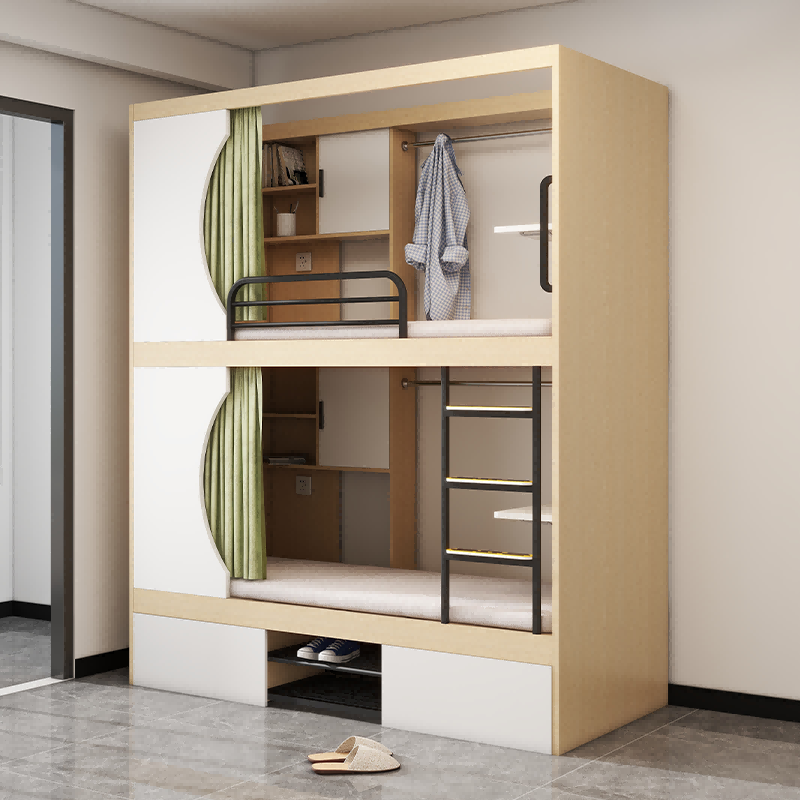
Understanding the root cause of metal bed frame noise is the first step toward a lasting solution. Metal bed frames consist of multiple interconnected parts, including rails, slats, connectors, and fasteners that can loosen or rub against each other. Over time, regular use, movement, and weight distribution can create gaps and friction points that generate squeaking, creaking, and rattling sounds. By identifying where the metal bed frame noise originates, you can apply targeted fixes that address the specific problem rather than attempting generic solutions that may not work.
Identifying the Source of Metal Bed Frame Noise
Common Causes of Squeaking and Creaking
Metal bed frame noise typically stems from loose connections between frame components. When bolts, screws, and connectors become slack due to regular movement and weight, they allow metal parts to shift and rub against each other, producing audible sounds. Friction between the frame rails and mattress support slats is another frequent culprit behind persistent metal bed frame noise. Additionally, if wood slats rest directly on metal rails without proper cushioning or padding, the wood can vibrate and create continuous creaking sounds that intensify with movement.
Where the Noise Originates
Systematically identifying the source of metal bed frame noise requires careful listening and physical inspection. Gently rock the bed frame while lying on the mattress to pinpoint which section produces the most pronounced metal bed frame noise. Check where the frame rails connect to the headboard and footboard, as these joints are common noise sources. Examine the points where slats attach to the rails, and inspect all visible bolts and fasteners for looseness. Many metal bed frame noise problems concentrate around the center support beam or where legs meet the frame base, making these areas priority inspection zones.
Practical Solutions to Eliminate Metal Bed Frame Noise
Tightening Fasteners and Connections
The most straightforward approach to reducing metal bed frame noise is systematically tightening every bolt, screw, and fastener on the frame. Use an appropriate wrench or Allen key to firmly secure each connection point without over-tightening, which could strip threads or damage components. Check the corners where the rails meet the headboard and footboard, as these high-stress areas frequently develop metal bed frame noise after extended use. Don't overlook smaller fasteners on connector plates and support brackets, as even slightly loose hardware can amplify vibrations and contribute to overall metal bed frame noise. Make this tightening process part of your regular maintenance routine, checking connections every few months to prevent metal bed frame noise from reoccurring.
Adding Cushioning and Damping Materials
Strategic placement of cushioning materials effectively absorbs vibrations and eliminates metal bed frame noise at its source. Rubber pads, foam strips, and adhesive-backed felt can be applied to contact points where metal components touch each other or where slats rest on rails. These materials reduce direct metal-to-metal contact and dramatically diminish metal bed frame noise without requiring complex modifications. Wrap thin foam or rubber tubing around the frame rails or insert rubber grommets into holes where fasteners pass through, creating a barrier that prevents metal bed frame noise from vibrating through the structure. Furniture pads placed under the bed feet also reduce floor vibration and minimize the transmission of metal bed frame noise to surrounding areas.
Reinforcing Weak Connection Points
Metal bed frame noise often intensifies at connection points that lack adequate structural support or rigidity. Adding metal L-brackets or corner reinforcement plates to weak joints significantly reduces movement and friction that generates metal bed frame noise. If slats move excessively on the rails, installing additional center support beams or reinforcement bars can eliminate flexing and the metal bed frame noise it produces. Some manufacturers provide optional reinforcement kits specifically designed to address metal bed frame noise in their models, so consulting your frame documentation may reveal ready-made solutions tailored to your specific design.
Long-Term Prevention and Maintenance Strategies
Regular Inspection and Maintenance Routines
Establishing a consistent maintenance schedule prevents metal bed frame noise from developing in the first place. Inspect all connections and fasteners quarterly, tightening any that have loosened during regular use. Listen carefully for new squeaking or creaking sounds that may indicate emerging metal bed frame noise problems, addressing them immediately before they worsen. Regular movement and inspection help identify worn components that may need replacement, such as damaged connector plates or deteriorated rubber pads. This proactive approach to maintaining your metal bed frame noise prevention measures ensures that your bed remains quiet and structurally sound for years to come.
Proper Setup and Weight Distribution
How you initially assemble and position your metal bed frame significantly impacts whether metal bed frame noise develops. Follow manufacturer assembly instructions precisely, ensuring that all components align correctly and fasteners are tightened to recommended specifications. Proper mattress support distribution prevents concentrated stress on particular frame sections, which can lead to metal bed frame noise. Avoid placing excessive weight on the edge of the bed where stress concentration increases the likelihood of connection movement and metal bed frame noise. If your frame includes adjustable legs or feet, ensure they are properly leveled and locked in position, as unstable positioning often triggers metal bed frame noise.
FAQ
Can I fix metal bed frame noise without disassembling the entire frame?
Yes, most metal bed frame noise issues can be resolved without complete disassembly. Start by tightening all visible fasteners with the frame assembled, as this addresses approximately 80 percent of squeaking and creaking problems. If the metal bed frame noise persists after tightening, add rubber pads or foam strips to friction points without needing to deconstruct the entire structure. Only if the metal bed frame noise continues after these solutions should you consider partial or complete disassembly to inspect internal connections and components.
What materials work best for eliminating metal bed frame noise through cushioning?
Rubber pads, closed-cell foam, and felt strips are the most effective materials for reducing metal bed frame noise. Self-adhesive versions simplify installation without requiring tools or fasteners. Silicone-based materials also work well and resist deterioration over extended periods. For wrapping around rails or cushioning contact points, adhesive-backed foam weatherstripping or specialized furniture noise reduction strips designed for metal bed frame noise applications provide reliable, long-lasting performance that maintains its dampening properties through years of use.
How often should I check my metal bed frame to prevent noise from developing?
Inspect your metal bed frame every three to four months to catch loosening fasteners before metal bed frame noise becomes noticeable. After the first year of use, move to biannual inspections as connections typically stabilize after initial settling. Perform prompt spot-checks whenever you hear new squeaking or creaking sounds, as early intervention prevents minor metal bed frame noise issues from evolving into more complex problems requiring extensive repairs or replacement of components.