
 EN
EN
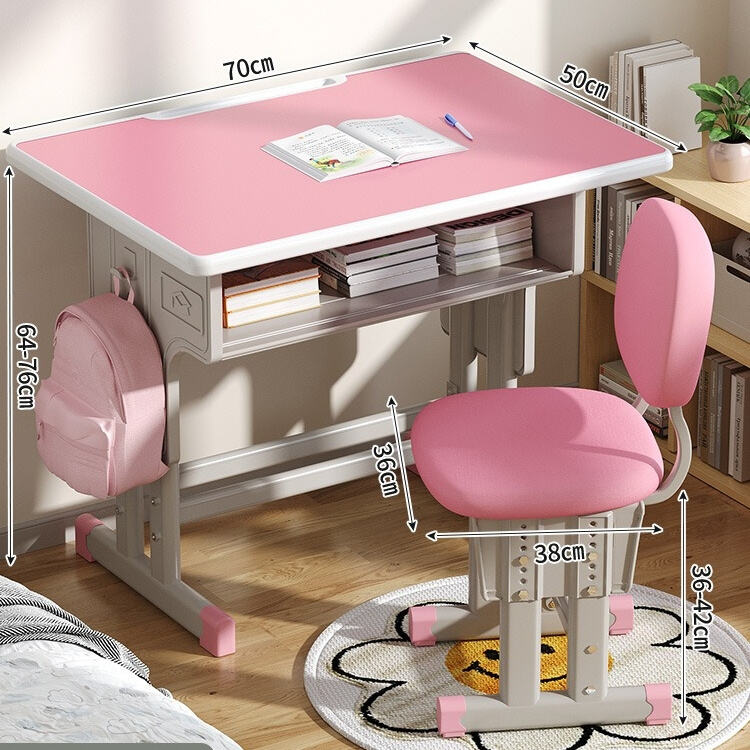
Creating an optimal learning environment for students requires careful consideration of furniture choices that directly impact posture, concentration, and overall academic performance. The selection of an appropriate student desk and chair combination represents a fundamental investment in educational success, health, and long-term well-being. Modern educational research consistently demonstrates that ergonomic furniture solutions significantly enhance focus, reduce physical discomfort, and create conditions conducive to extended study sessions.
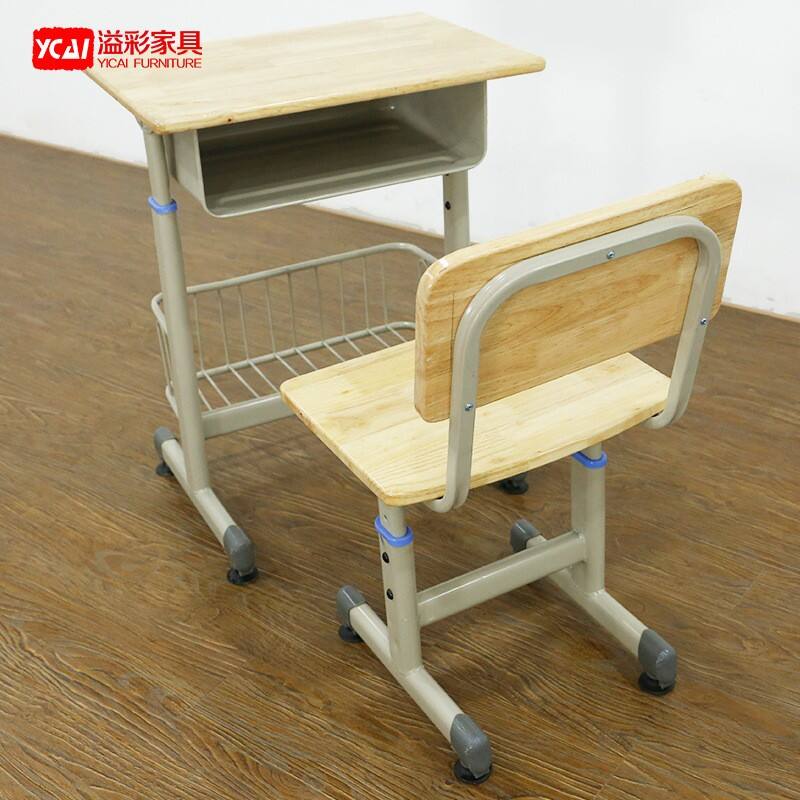
Essential Features of Ergonomic Educational Furniture
Height Adjustability and Proper Proportions
Proper height adjustment forms the cornerstone of effective ergonomic design in educational furniture. Students experience significant growth spurts during their academic years, making adjustable components essential for maintaining optimal posture throughout different developmental stages. The ideal setup ensures feet rest flat on the floor with thighs parallel to the ground, while arms maintain comfortable positioning at desk level. This configuration prevents slouching, reduces strain on the spine, and promotes healthy circulation during extended study periods.
Quality furniture manufacturers incorporate sophisticated adjustment mechanisms that allow precise customization for individual users. These systems typically feature smooth operation, secure locking positions, and durable construction designed to withstand frequent adjustments. Professional ergonomists recommend regular reassessment of furniture settings as students grow, ensuring continued alignment with proper postural requirements.
Lumbar Support and Spinal Alignment
Effective lumbar support maintains the natural curvature of the spine, preventing the development of poor postural habits that can lead to chronic discomfort and long-term health issues. Modern educational seating incorporates contoured backrests designed to support the lower back's natural arch, distributing weight evenly across the seat surface. This design approach reduces pressure points while encouraging proper spinal alignment during various learning activities.
Advanced seating solutions feature breathable materials and cushioning systems that adapt to individual body contours. These elements work together to provide consistent support while preventing heat buildup and discomfort during prolonged sitting periods. The combination of proper support and comfortable materials creates an environment where students can focus on learning rather than physical discomfort.
Health Benefits of Proper Educational Seating
Postural Development and Muscle Strengthening
Regular use of ergonomically designed furniture actively contributes to healthy postural development during critical growth phases. Proper seating encourages engagement of core muscles, promoting strength development while maintaining natural spinal curves. This active sitting approach contrasts sharply with traditional seating that often leads to passive slouching and muscle weakness over time.
Research conducted in educational settings demonstrates measurable improvements in postural awareness and muscle activation when students utilize well-designed furniture systems. These benefits extend beyond the classroom, influencing daily movement patterns and reducing the likelihood of developing musculoskeletal problems later in life. Investment in quality educational furniture represents proactive healthcare, addressing potential issues before they become established patterns.
Circulation Enhancement and Energy Levels
Proper seating position facilitates healthy blood circulation, maintaining oxygen delivery to the brain and extremities during learning activities. Poor furniture choices often compress blood vessels, leading to numbness, fatigue, and decreased cognitive function. Ergonomic designs promote natural blood flow, supporting sustained attention and mental clarity throughout extended study sessions.
Students using appropriate furniture report higher energy levels, reduced fatigue, and improved concentration spans during academic activities. These physiological benefits translate directly into enhanced learning outcomes, making ergonomic furniture an essential component of comprehensive educational strategies. The relationship between physical comfort and cognitive performance underscores the importance of thoughtful furniture selection in educational environments.
Cognitive Performance and Learning Enhancement
Focus and Attention Span Improvements
Comfortable seating arrangements directly influence cognitive function by eliminating physical distractions that interrupt learning processes. When students experience discomfort, significant mental resources shift toward managing physical sensations rather than processing educational content. Ergonomic furniture removes these barriers, allowing complete focus on academic material and improving information retention rates.
Educational psychology studies consistently show correlation between physical comfort and sustained attention spans. Students utilizing properly fitted furniture demonstrate increased engagement during lectures, improved performance on standardized assessments, and enhanced participation in classroom discussions. These improvements reflect the fundamental connection between physical well-being and academic achievement in educational settings.
Memory Formation and Information Processing
Optimal seating conditions support the neurological processes underlying memory formation and information processing. Physical discomfort triggers stress responses that interfere with hippocampal function, the brain region responsible for converting short-term memories into long-term storage. Comfortable learning environments promote relaxed states conducive to effective memory consolidation and recall.
Students working at properly configured workstations show improved performance on memory-dependent tasks, including vocabulary acquisition, mathematical problem-solving, and complex reasoning activities. The quality student desk and chair combinations create environmental conditions that optimize brain function, supporting academic success across diverse subject areas and learning styles.
Design Considerations for Different Age Groups
Elementary School Requirements
Elementary students require furniture proportioned to their smaller stature while accommodating rapid growth patterns characteristic of early childhood development. Desk surfaces positioned at appropriate heights prevent shoulder elevation and wrist extension that commonly occur when furniture sizing mismatches user dimensions. Chair depths must allow proper back support while ensuring feet contact the floor or footrests comfortably.
Colorful, engaging designs help create positive associations with learning environments while maintaining functional integrity. Rounded edges, stable bases, and easy-clean surfaces address safety concerns while supporting the active learning styles typical of younger students. Furniture selection for elementary environments balances developmental appropriateness with durability requirements for high-use educational settings.
Middle and High School Adaptations
Adolescent students benefit from sophisticated adjustment mechanisms that accommodate dramatic height variations and developing personal preferences. Advanced seating options include independent backrest and seat height controls, armrest adjustability, and tilt mechanisms that support various learning postures. These features acknowledge the increasing autonomy of older students while maintaining ergonomic principles.
Desk configurations for secondary education must support diverse activities including writing, computer work, group projects, and individual study. Larger work surfaces, integrated technology management, and storage solutions address the complex requirements of advanced curricula. The furniture selection process should consider both immediate needs and long-term educational goals as students prepare for post-secondary environments.
Material Quality and Durability Factors
Construction Standards and Longevity
Educational furniture investments require consideration of construction quality that ensures reliable performance throughout extended use periods. High-grade materials resist wear from daily use while maintaining structural integrity and safety standards. Steel frames, quality plastics, and durable upholstery materials contribute to furniture longevity, reducing replacement costs and maintaining consistent learning environments.
Manufacturing standards specific to educational environments address unique challenges including frequent adjustment, mobility requirements, and intensive cleaning protocols. Certified products undergo rigorous testing for stability, durability, and safety compliance, ensuring reliable performance in demanding educational settings. Investment in quality construction translates into long-term value and consistent user experiences.
Maintenance and Cleaning Considerations
Educational furniture must withstand regular cleaning and sanitization procedures essential for maintaining healthy learning environments. Surface materials should resist common cleaning agents while preventing absorption of spills and contaminants. Easy-access adjustment mechanisms and minimal crevices facilitate thorough cleaning without compromising functional components.
Replacement parts availability and service support ensure continued functionality throughout the furniture's operational life. Manufacturers offering comprehensive warranty coverage and responsive customer service protect educational investments while minimizing disruption to learning activities. Consideration of long-term maintenance requirements influences total cost of ownership calculations for educational furniture purchases.
Integration with Modern Learning Environments
Technology Compatibility Features
Contemporary educational furniture incorporates features supporting technology integration essential for modern curricula. Cable management systems, device charging capabilities, and adjustable monitor positioning accommodate diverse technological tools while maintaining organized workspaces. These features address the increasing prevalence of digital learning resources in educational settings.
Flexible configurations support both traditional and technology-enhanced learning activities without requiring furniture changes. Modular designs allow rapid reconfiguration for different teaching methods, collaborative projects, and individual work sessions. This adaptability ensures continued relevance as educational methodologies evolve and technology requirements change.
Collaborative Learning Support
Modern educational approaches emphasize collaborative learning, requiring furniture solutions that facilitate group interaction while maintaining individual comfort. Mobile designs allow quick arrangement changes for different group sizes and project requirements. Coordinated aesthetics create cohesive learning environments that support both individual focus and team collaboration.
Noise considerations become important in collaborative settings, with furniture materials and designs that minimize disruptive sounds during movement and adjustment. Sound-dampening features and smooth operation mechanisms support dynamic learning environments without creating acoustic distractions. These considerations ensure that furniture enhances rather than impedes collaborative educational activities.
FAQ
What height should a student desk and chair be for optimal ergonomics
The ideal height varies by student size, but generally the desk should allow elbows to rest at 90-degree angles while seated, with feet flat on the floor or footrest. Chair height should position thighs parallel to the ground, with the seat edge not pressing behind the knees. Most quality educational furniture offers adjustment ranges from 22-30 inches for chairs and 24-32 inches for desks to accommodate different ages and sizes.
How often should furniture height be adjusted as students grow
Furniture settings should be reassessed at least twice per academic year, typically at the beginning of each semester, as children experience growth spurts at different rates. Some students may require more frequent adjustments during rapid growth periods. Regular monitoring ensures continued ergonomic benefits and prevents the development of poor postural habits that can occur when furniture no longer fits properly.
Are expensive ergonomic student desks and chairs worth the investment
Quality ergonomic furniture represents excellent value when considering health benefits, improved academic performance, and durability over time. While initial costs may be higher, reduced healthcare expenses, enhanced learning outcomes, and longer furniture lifespan typically justify the investment. The positive impact on student comfort, concentration, and physical development makes ergonomic furniture essential for serious educational environments.
Can poor seating really affect academic performance
Research consistently demonstrates strong correlations between seating comfort and academic outcomes. Physical discomfort diverts mental resources from learning tasks, reduces attention spans, and can cause fidgeting that disrupts both individual and classroom focus. Students using properly fitted furniture show measurable improvements in test scores, classroom participation, and sustained attention during learning activities.