
 EN
EN
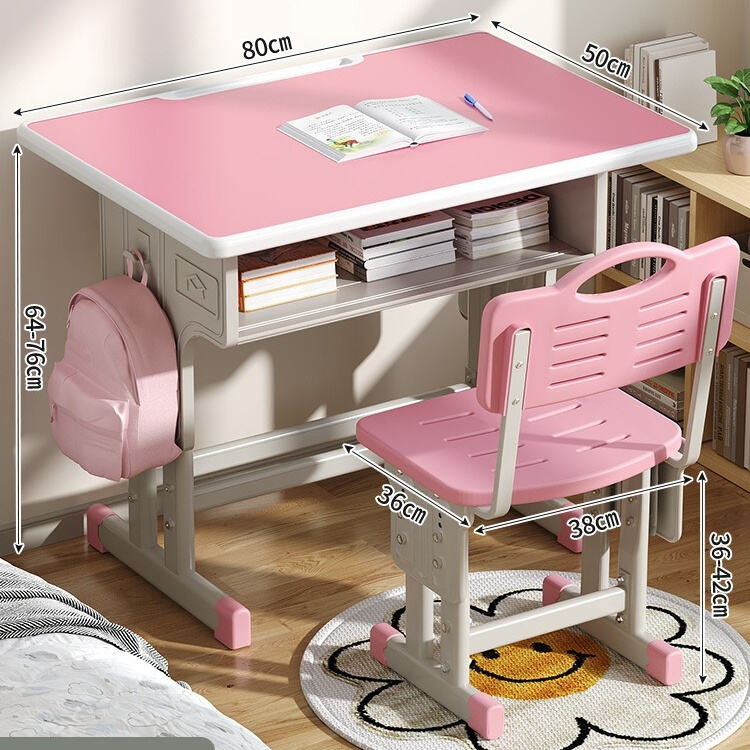
Creating an optimal learning environment for students begins with selecting the right furniture that promotes comfort, productivity, and healthy posture. A well-chosen student desk and chair combination serves as the foundation for academic success, supporting long study sessions while maintaining ergonomic principles that protect growing bodies. The importance of investing in quality educational furniture cannot be overstated, as students spend countless hours at their workstations completing assignments, researching projects, and engaging in creative activities. Understanding the key factors that contribute to an effective study setup will help parents, educators, and students themselves make informed decisions that enhance both learning outcomes and physical wellbeing.
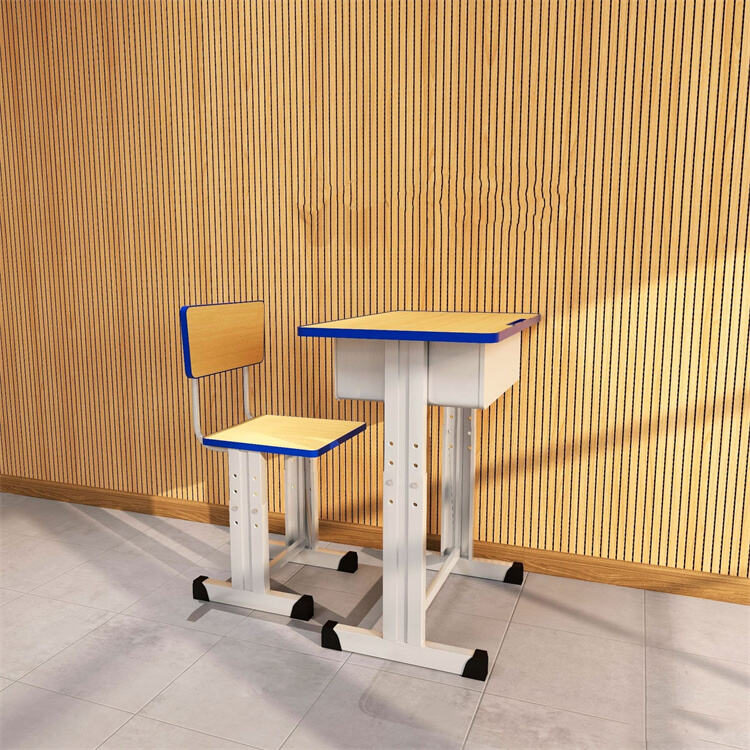
Essential Features of Quality Student Furniture
Height Adjustability and Growth Accommodation
The most critical aspect of any student desk and chair setup involves height adjustability to accommodate growing children and teenagers. Quality educational furniture should feature mechanisms that allow easy height modifications without requiring tools or complex procedures. Pneumatic height adjustment systems provide smooth transitions and reliable positioning, ensuring that students can maintain proper posture regardless of their current height. Desk surfaces should ideally range from 22 to 30 inches in height, while chair seats should adjust between 16 to 22 inches to accommodate various age groups and body types.
Growth-accommodating furniture represents a long-term investment that adapts to changing needs over several years of use. Many manufacturers design student furniture with expandable features, including adjustable footrests, tilting surfaces, and modular components that can be reconfigured as requirements evolve. This adaptability ensures that the initial furniture investment continues providing value throughout a student's educational journey, eliminating the need for frequent replacements as children grow.
Ergonomic Design Principles
Proper ergonomic design in student furniture focuses on maintaining natural body alignment and reducing strain during extended study periods. The chair should provide adequate lumbar support to maintain the spine's natural curve, while the seat depth should allow students to sit back comfortably with their feet flat on the floor. Armrests, when included, should be positioned to support the forearms without forcing the shoulders upward or creating tension in the neck and upper back muscles.
Desktop ergonomics play an equally important role in creating a comfortable study environment. The work surface should be positioned at elbow height when students are seated properly, allowing their arms to rest comfortably while writing or typing. A slight forward tilt of the desktop can improve writing posture and reduce neck strain when reading books or documents. These ergonomic considerations become increasingly important as students spend more time engaged in computer-based activities and digital learning platforms.
Material Selection and Durability Considerations
Wood versus Metal Construction
The choice between wood and metal construction significantly impacts both the aesthetic appeal and functional longevity of student furniture. Solid wood desks and chairs offer natural beauty, excellent durability, and the ability to withstand years of daily use without showing significant wear. Hardwood options like oak, maple, or birch provide superior strength and resistance to dents and scratches, making them ideal for active learning environments where furniture endures frequent movement and adjustment.
Metal frame construction offers distinct advantages in terms of adjustability mechanisms and modern design aesthetics. Steel or aluminum frames can support sophisticated height adjustment systems while maintaining structural integrity over time. The combination of metal frames with wood or laminate surfaces creates hybrid designs that maximize both durability and visual appeal. Metal construction also facilitates easier cleaning and maintenance, important considerations in shared educational spaces or homes with multiple children.
Surface Materials and Maintenance Requirements
Desktop surface materials directly affect both functionality and maintenance requirements of student furniture. Laminate surfaces provide excellent durability and stain resistance while offering a smooth writing surface that accommodates various activities. High-pressure laminate finishes resist scratches, heat damage, and moisture, making them ideal for student use where spills and heavy use are common occurrences.
Natural wood surfaces require more careful maintenance but provide unmatched warmth and character that many families prefer. Protective finishes like polyurethane or lacquer help preserve wood surfaces while maintaining their natural appearance. Understanding the maintenance requirements of different materials helps families choose options that align with their lifestyle and commitment to furniture care, ensuring long-term satisfaction with their student desk and chair investment.
Size and Space Optimization
Room Layout and Traffic Flow
Successful integration of student furniture requires careful consideration of room layout and traffic flow patterns within the study space. The desk and chair combination should be positioned to maximize natural light while minimizing distractions from high-traffic areas of the home. Adequate clearance around the furniture allows students to move freely and access storage areas without feeling cramped or restricted in their movements.
Multi-functional furniture designs can significantly enhance space efficiency in smaller rooms or shared spaces. Desks with built-in storage compartments, pull-out keyboard trays, or folding extensions maximize functionality without requiring additional floor space. Corner desk configurations make excellent use of otherwise underutilized areas while creating defined study zones that help students focus on their academic tasks.
Storage Integration and Organization
Effective storage integration within student desk and chair combinations promotes organization and reduces clutter that can interfere with concentration. Built-in drawers, shelving units, and compartments provide designated spaces for books, supplies, and electronic devices. The accessibility of storage elements should be carefully considered to ensure that frequently used items remain within easy reach during study sessions.
Modular storage solutions offer flexibility to adapt organization systems as student needs change over time. Rolling caddies, desktop organizers, and adjustable shelf systems can be reconfigured to accommodate different subjects, projects, or learning styles. This adaptability ensures that the study space remains functional and organized regardless of changing academic requirements or personal preferences.
Technology Integration and Modern Learning Needs
Cable Management and Device Accommodation
Modern student furniture must accommodate the increasing prevalence of technology in educational settings. Integrated cable management systems help maintain clean, organized workspaces while providing easy access to power outlets and connectivity options. Grommets, cable trays, and wire management channels prevent tangled cords from creating safety hazards or visual distractions that can impact focus and productivity.
Device-specific accommodations, such as tablet holders, laptop stands, and charging stations, enhance the functionality of student workstations. These features should be designed to maintain proper viewing angles and ergonomic positioning while keeping devices secure and easily accessible. The integration of technology support elements should complement rather than compromise the fundamental ergonomic principles that guide healthy furniture design.
Lighting and Visual Comfort
Proper lighting integration significantly impacts the effectiveness of any student study setup. Desk lamps with adjustable positioning and brightness controls allow students to customize illumination based on specific tasks and ambient lighting conditions. LED lighting options provide energy efficiency and reduced heat generation while offering excellent color rendering for detailed work and reading activities.
The positioning of furniture relative to windows and artificial light sources affects both visual comfort and energy efficiency. Natural light should illuminate the work surface without creating glare on computer screens or reflective surfaces. Consideration of seasonal lighting changes and varying study schedules helps ensure that the furniture placement remains optimal throughout different times of day and year.
Budget Considerations and Value Assessment
Initial Investment versus Long-term Value
Evaluating student furniture requires balancing initial investment costs against long-term value and durability expectations. Higher-quality construction materials and sophisticated adjustment mechanisms typically command premium prices but offer superior longevity and user satisfaction. The cost per year of use often favors well-built furniture that maintains its functionality and appearance over many years of daily use.
Budget-conscious families can maximize value by prioritizing essential features while identifying areas where compromises might be acceptable. Focusing investment on core ergonomic features and structural durability while selecting simpler finishes or fewer accessories can significantly reduce costs without sacrificing fundamental functionality. Understanding which features provide the greatest impact on student comfort and productivity helps guide purchasing decisions within available budget constraints.
Warranty and Manufacturer Support
Comprehensive warranty coverage and responsive manufacturer support significantly enhance the value proposition of student furniture investments. Quality manufacturers typically offer multi-year warranties that cover both structural components and adjustment mechanisms, providing confidence in the durability and reliability of their products. Understanding warranty terms, including coverage limitations and claim procedures, helps families make informed comparisons between different furniture options.
Manufacturer reputation and customer service quality become particularly important for furniture with complex adjustment mechanisms or specialized features. Companies with established track records of responsive support and readily available replacement parts offer greater assurance of long-term satisfaction. Researching customer reviews and industry ratings provides valuable insights into real-world performance and support experiences that may not be apparent from product specifications alone.
Safety Standards and Certification Requirements
Industry Safety Certifications
Reputable student furniture manufacturers adhere to strict safety standards and obtain relevant industry certifications to ensure product safety and quality. GREENGUARD certification indicates that furniture meets stringent chemical emissions standards, important for maintaining healthy indoor air quality in study environments. BIFMA certification demonstrates compliance with commercial furniture safety and durability standards, even for residential student furniture applications.
Safety certifications also address specific concerns related to student furniture, including tip-over resistance, edge safety, and material toxicity. These certifications provide independent verification that furniture meets or exceeds established safety requirements, offering peace of mind for parents and educators concerned about student welfare. Understanding the significance of various certifications helps buyers identify products that prioritize safety alongside functionality and aesthetics.
Age-Appropriate Design Features
Student furniture design must consider age-appropriate safety features that prevent accidents and injuries during normal use. Rounded corners, smooth edges, and secure adjustment mechanisms reduce the risk of cuts, pinching, or other injuries that could occur during daily activities. Stability features, including wide bases and anti-tip mechanisms, prevent furniture from becoming unstable during normal student interactions.
Color and finish safety considerations become particularly important for younger students who may be more likely to put objects in their mouths or have extended skin contact with furniture surfaces. Non-toxic finishes and materials that meet or exceed safety standards for children's products ensure that student furniture does not pose health risks through normal use patterns. These safety considerations should be balanced with durability and aesthetic requirements to create furniture that is both safe and appealing to students.
FAQ
What is the ideal height ratio between a student desk and chair
The optimal height relationship between a student desk and chair follows the principle that the desktop should be positioned at approximately elbow height when the student is seated properly. This typically means a 10 to 12-inch difference between the seat height and desktop height. For example, if the chair seat is 18 inches high, the desk surface should be approximately 28 to 30 inches high. This relationship ensures that students can maintain relaxed shoulders and straight wrists while writing or typing, reducing strain and promoting better posture during extended study sessions.
How often should student furniture be adjusted as children grow
Student furniture should be evaluated and adjusted every 3 to 6 months during periods of rapid growth, which typically occur during elementary and middle school years. Parents and educators should monitor whether students can maintain proper posture with their feet flat on the floor, thighs parallel to the ground, and arms comfortably positioned at the desktop. Signs that adjustment is needed include slouching, feet dangling, or students having to strain to reach the work surface. Regular assessment ensures that the furniture continues to provide proper ergonomic support as children develop.
What storage features are most important in student desk designs
The most valuable storage features in student desk designs include easily accessible drawers for frequently used supplies, a dedicated space for books or binders, and compartments for organizing smaller items like pencils and erasers. Desktop hutches or shelving units provide additional storage without consuming floor space, while pull-out keyboard trays can double as writing surfaces when needed. The key is ensuring that storage elements are within easy reach of the seated student and sized appropriately for typical school supplies and materials.
Can the same furniture work for multiple children of different ages
High-quality adjustable student furniture can effectively serve multiple children of different ages when designed with sufficient adjustment range and durable construction. The key factors include height adjustment mechanisms that accommodate the size differences between siblings, sturdy construction that can withstand use by multiple children, and neutral design aesthetics that appeal to various age groups. However, very large age gaps may require furniture with exceptional adjustment ranges or consideration of separate furniture pieces to ensure optimal ergonomic fit for each child.