
 EN
EN
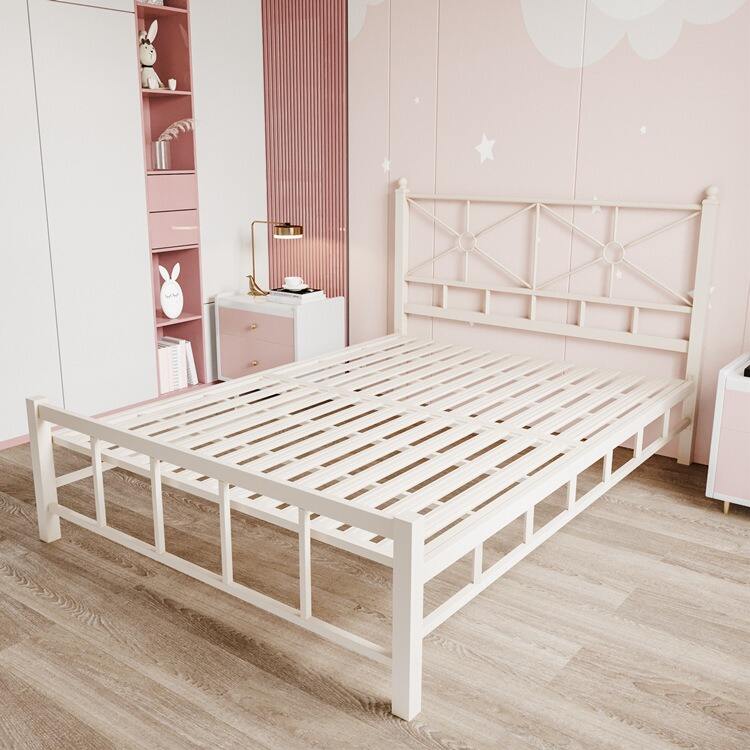
Selecting the perfect single bed for your bedroom requires careful consideration of multiple factors including construction quality, comfort features, durability, and overall value. Whether you're furnishing a guest room, child's bedroom, or compact living space, finding the right single bed can significantly impact sleep quality and room aesthetics. Our comprehensive review process evaluated dozens of models to identify the top performers that deliver exceptional comfort, longevity, and design appeal for various needs and budgets.
Essential Features to Consider in Modern Single Beds
Frame Construction and Material Quality
The foundation of any quality single bed lies in its frame construction and material selection. Premium models typically feature solid wood construction or heavy-duty metal frameworks that provide superior stability and longevity. Hardwood frames such as oak, maple, or birch offer exceptional durability and can withstand years of regular use without developing squeaks or structural issues. Metal frames constructed from steel tubing provide excellent support while often featuring more contemporary aesthetic designs.
Manufacturing quality becomes evident in the joinery methods used to connect frame components. Mortise and tenon joints, reinforced corner brackets, and precision-welded connections ensure the single bed maintains structural integrity over time. Budget models may utilize particle board or composite materials that can compromise long-term durability, making careful material assessment crucial during the selection process.
Support Systems and Mattress Compatibility
Modern single beds incorporate various support mechanisms designed to optimize mattress performance and extend its lifespan. Platform-style designs with closely-spaced slats provide even weight distribution that works well with memory foam and latex mattresses. Traditional box spring compatibility remains important for households that prefer innerspring mattresses or already own existing foundation components.
Adjustable slat systems allow users to customize firmness levels by modifying slat tension or spacing. Some premium single bed models include center support beams or additional cross-bracing that prevents sagging and maintains proper spinal alignment throughout the sleep surface. Understanding these support characteristics helps ensure optimal comfort and mattress longevity regardless of sleeping position preferences.
Design Aesthetics and Space Optimization
Contemporary Styling Trends
Current single bed design trends emphasize clean lines, minimalist profiles, and versatile finishes that complement various interior decorating styles. Upholstered headboards in neutral fabrics provide comfort for reading or relaxing while adding textural interest to bedroom environments. Wooden frames with natural grain patterns bring warmth and organic appeal that works particularly well in Scandinavian or rustic-inspired spaces.
Color coordination opportunities have expanded significantly with manufacturers offering extensive finish options including painted surfaces, stained woods, and powder-coated metals. Low-profile designs create visual spaciousness in smaller rooms while taller headboards can serve as dramatic focal points in larger bedrooms. The versatility of modern single bed designs allows them to transition effectively from children's rooms to adult guest accommodations as household needs evolve.
Storage Integration Solutions
Maximizing bedroom storage capacity has become increasingly important as living spaces become more compact. Many contemporary single bed designs incorporate built-in storage solutions such as under-bed drawers, lift-up mattress platforms, or integrated shelving systems. These features prove particularly valuable in children's bedrooms, studio apartments, or guest rooms where efficient space utilization is essential.
Drawer configurations vary from simple pull-out boxes to sophisticated soft-close mechanisms with full-extension slides that provide easy access to stored items. Some models feature hydraulic lift systems that raise the entire mattress platform to reveal spacious storage compartments underneath. When evaluating storage options, consider the types of items you plan to store and ensure adequate clearance space around the bed for accessing storage features.
Comfort and Sleep Quality Factors
Headboard Design and Functionality
Headboard selection significantly influences both comfort and aesthetic appeal in single bed configurations. Padded upholstered headboards provide comfortable back support for reading, watching television, or working on laptops while in bed. The cushioning materials used in quality headboards resist compression over time and maintain their supportive properties through regular use.
Height considerations affect both comfort and visual proportions within the bedroom space. Standard headboard heights typically range from 48 to 58 inches, though some contemporary designs extend higher for dramatic visual impact. Adjustable headboard systems allow customization of height and angle to accommodate different user preferences and bedroom ceiling heights.
Noise Reduction and Stability
Sleep quality can be significantly impacted by bed frame noise and movement during normal use. Premium single bed models incorporate design features that minimize squeaking, creaking, and shifting sounds that can disturb sleep. Solid construction joints, quality hardware, and appropriate weight distribution contribute to quiet operation throughout the night.
Stability features become particularly important for active sleepers or households with children who may use beds for activities beyond sleeping. Reinforced corner connections, adequate floor contact points, and proper weight ratings ensure the bed remains stable and secure during various types of use. Some models include adjustable leveling feet that compensate for uneven flooring and prevent rocking or wobbling movements.
Size Specifications and Room Planning
Standard Dimensions and Variations
Understanding single bed dimensions is crucial for proper room planning and ensuring adequate space for movement and other furniture pieces. Standard single beds typically measure 39 inches wide by 75 inches long, though variations exist including extra-long models that extend to 80 inches in length. European single bed sizes may differ slightly from North American standards, making measurement verification important when ordering.
Clearance requirements around the bed should account for making the bed, accessing storage, and general movement within the bedroom space. Interior design experts typically recommend maintaining at least 24 inches of clearance on the sides where people will walk, with 36 inches being preferable when space permits. These spacing guidelines ensure the bedroom remains functional and comfortable for daily use.
Integration with Other Furniture
Successful bedroom design requires considering how the single bed will coordinate with other essential furniture pieces including dressers, nightstands, and seating. Scale relationships between different furniture items affect the overall visual balance and functionality of the bedroom environment. Matching or complementary finishes create cohesive design themes while contrasting elements can add visual interest when carefully coordinated.
Nightstand height coordination with the mattress surface ensures convenient access to bedside items such as lamps, books, or personal devices. Most interior designers recommend positioning nightstand surfaces within 2-4 inches of the mattress height for optimal ergonomics and visual proportion. Consider the combined width of the bed and nightstands when planning furniture arrangements in narrower bedroom spaces.
Maintenance and Longevity Considerations
Care Requirements and Cleaning
Proper maintenance significantly extends single bed lifespan and preserves appearance quality over years of regular use. Wood frame maintenance typically involves periodic dusting, occasional polishing with appropriate wood care products, and inspection of joint connections for loosening. Upholstered components may require vacuum cleaning and spot treatment for stains using manufacturer-recommended cleaning solutions.
Metal frame maintenance focuses primarily on preventing rust or corrosion in humid environments and ensuring hardware connections remain tight. Powder-coated finishes resist scratching and fading when properly cared for, while raw metal surfaces may require periodic protective treatments. Regular inspection of all connection points helps identify potential issues before they develop into more significant structural problems.
Warranty Coverage and Support
Comprehensive warranty coverage provides valuable protection for your single bed investment and indicates manufacturer confidence in product quality. Quality manufacturers typically offer warranties ranging from 5 to 15 years covering structural defects, hardware failures, and finish deterioration under normal use conditions. Understanding warranty terms and exclusions helps set appropriate expectations and guides proper care practices.
Customer support availability becomes important when questions arise about assembly, maintenance, or warranty claims. Manufacturers with responsive customer service departments and readily available replacement parts demonstrate commitment to long-term customer satisfaction. Some companies provide detailed care instructions, video tutorials, and troubleshooting guides that help owners maintain their beds properly throughout the warranty period.
Budget Considerations and Value Assessment
Price Range Categories
Single bed pricing varies significantly based on materials, construction quality, design complexity, and brand reputation. Entry-level models typically range from $150 to $400 and offer basic functionality with simpler construction methods and materials. Mid-range options between $400 and $800 generally provide improved durability, better materials, and additional features such as storage or upgraded hardware.
Premium single bed models exceeding $800 incorporate superior materials, advanced construction techniques, and often include specialized features such as adjustable elements or luxury finishes. While higher prices don't automatically guarantee better quality, they often reflect more durable materials, enhanced comfort features, and superior manufacturing standards that justify the additional investment for long-term use.
Total Cost of Ownership
Evaluating true single bed value requires considering total ownership costs beyond the initial purchase price. Quality beds that maintain structural integrity and appearance over many years provide better value than cheaper alternatives requiring frequent replacement or repair. Factor in potential mattress replacement costs if the bed frame doesn't provide adequate support that could prematurely wear out sleep surfaces.
Additional costs may include delivery fees, assembly services, or future modifications such as adding storage components or upgrading hardware. Some manufacturers offer modular systems that allow component upgrades over time, potentially extending the useful life and functionality of the original investment. Consider these factors when comparing options to determine the most cost-effective choice for your specific needs and timeline.
FAQ
What mattress types work best with single beds
Single beds accommodate virtually all mattress types including memory foam, innerspring, latex, and hybrid constructions. Platform-style single beds with closely-spaced slats work particularly well with foam-based mattresses that don't require box springs. Traditional single bed frames designed for box spring use may need additional support for foam mattresses to prevent sagging and ensure proper warranty coverage.
How much assembly time should I expect for a single bed
Most single bed assembly projects require 1-3 hours depending on design complexity and your experience with furniture assembly. Simple platform designs with minimal hardware can often be completed in under an hour, while beds with storage features or upholstered components may take longer. Having appropriate tools available and carefully reviewing instructions before beginning assembly helps streamline the process and ensures proper construction.
Can single beds support adult weight capacities safely
Quality single beds typically support 250-400 pounds safely when properly assembled and maintained. Weight capacity depends primarily on frame construction, material quality, and support system design rather than bed size. Always verify manufacturer weight ratings and ensure the bed frame, mattress, and any foundation components all meet or exceed your weight requirements for safe, long-term use.
What room size works best for single bed placement
Single beds work effectively in rooms as small as 7x9 feet, though 8x10 feet or larger provides more comfortable movement space and furniture arrangement options. The key consideration is maintaining adequate clearance around the bed for making it, accessing storage, and general movement. Smaller rooms benefit from single beds with built-in storage to maximize space efficiency without compromising functionality.