
 EN
EN
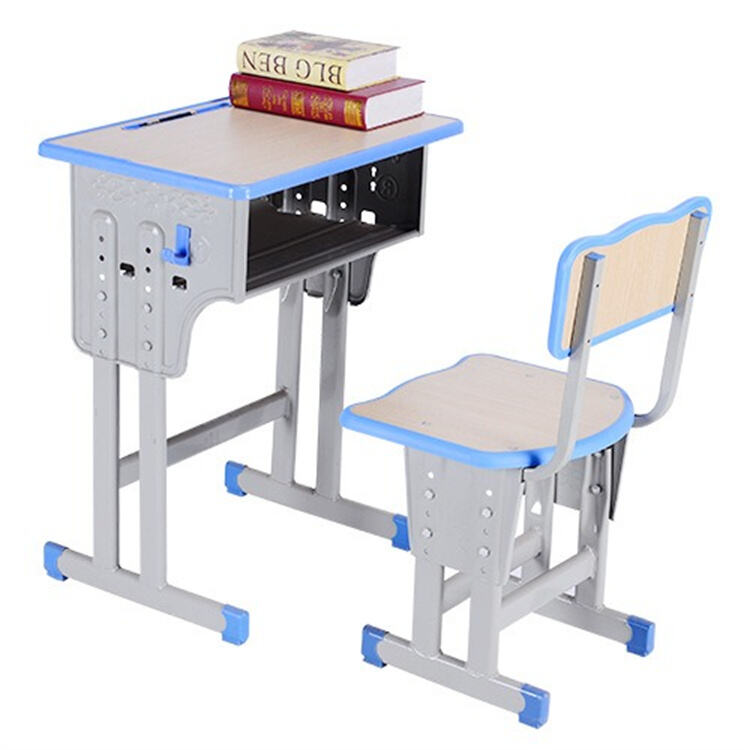
The evolution of educational furniture has transformed dramatically over the past few decades, particularly in the realm of student seating and workspace solutions. Today's learning environments demand furniture that balances ergonomic support, aesthetic appeal, and functional versatility. Understanding the key differences between modern and traditional student desk and chair designs helps educators, administrators, and parents make informed decisions about creating optimal study spaces.
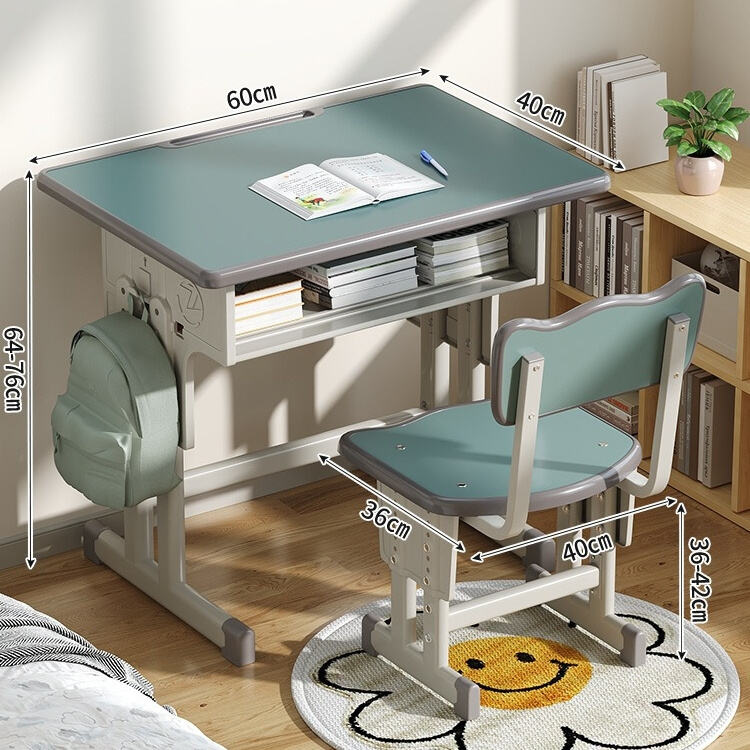
The fundamental distinction between contemporary and conventional educational furniture lies in their approach to student comfort, health, and learning efficiency. Modern designs prioritize scientific research on posture, movement, and cognitive performance, while traditional styles often emphasize durability and cost-effectiveness. This shift reflects our growing understanding of how physical comfort directly impacts academic achievement and long-term student wellbeing.
Educational institutions worldwide are increasingly recognizing that the right furniture choices can significantly influence student engagement, concentration levels, and overall academic success. The debate between modern versus traditional approaches involves multiple factors including ergonomic benefits, aesthetic considerations, maintenance requirements, and budget constraints. Each approach offers distinct advantages that must be carefully weighed against specific institutional needs and student demographics.
Design Philosophy and Ergonomic Principles
Traditional Design Foundations
Traditional student furniture design emerged from industrial manufacturing principles that prioritized mass production and standardization. These designs typically feature fixed dimensions, uniform heights, and rigid construction materials such as solid wood or basic metal frameworks. The philosophy behind traditional designs centered on creating durable, cost-effective solutions that could withstand heavy daily use across diverse educational settings.
Classic student desk and chair combinations often incorporated simple geometric shapes with minimal adjustability features. The standard height specifications were based on average measurements from decades past, when student populations were generally smaller in stature. These designs emphasized functionality over individual comfort, reflecting an era when classroom management and uniformity took precedence over personalized learning experiences.
The construction methods used in traditional furniture focused on joint durability and surface resistance to wear and tear. Manufacturers employed time-tested techniques such as mortise and tenon joinery, reinforced with metal brackets and heavy-duty fasteners. While these approaches created exceptionally sturdy pieces, they often resulted in furniture that was heavy, difficult to reconfigure, and limited in terms of ergonomic adaptability.
Modern Ergonomic Evolution
Contemporary student furniture design draws heavily from ergonomic research and biomechanical studies that have revealed the importance of proper posture in learning environments. Modern designs incorporate adjustable height mechanisms, contoured seating surfaces, and flexible positioning options that accommodate the natural variations in student body types and preferences. This approach recognizes that optimal comfort directly correlates with improved focus and reduced physical fatigue during extended study sessions.
Advanced materials science has enabled modern manufacturers to create lightweight yet durable furniture using composite materials, engineered plastics, and aerospace-grade aluminum alloys. These materials allow for complex curves and ergonomic shapes that would be impossible to achieve with traditional wood construction methods. The result is furniture that provides superior lumbar support, proper arm positioning, and optimal viewing angles for various learning activities.
Modern design philosophy also emphasizes flexibility and adaptability to support diverse learning styles and classroom configurations. Contemporary student desk and chair sets often feature modular components that can be easily reconfigured for group work, individual study, or presentation formats. This versatility reflects current educational trends toward collaborative learning and student-centered instruction methods.
Material Innovation and Construction Quality
Traditional Materials and Craftsmanship
Traditional student furniture construction relied heavily on solid hardwoods such as oak, maple, and birch, chosen for their natural durability and resistance to damage. These materials provided excellent longevity and could withstand decades of student use with minimal maintenance beyond occasional refinishing. The craftsmanship involved in traditional furniture production emphasized hand-fitted joints, careful wood selection, and time-intensive finishing processes that created pieces with distinctive character and warmth.
Metal components in traditional designs typically consisted of heavy-gauge steel with powder-coated or painted finishes. These materials were selected primarily for strength and corrosion resistance rather than weight considerations or aesthetic appeal. The resulting furniture pieces were often extremely heavy, requiring significant effort to move or reconfigure classroom layouts. However, this weight contributed to stability and reduced the likelihood of tipping or shifting during normal use.
Traditional manufacturing processes involved extensive quality control measures focused on structural integrity and finish durability. Each piece underwent rigorous testing for joint strength, surface hardness, and resistance to common classroom hazards such as moisture, scratches, and impact damage. While these standards ensured exceptional longevity, they also limited design flexibility and increased production costs significantly.
Contemporary Material Sciences
Modern student furniture leverages advanced materials that offer superior performance characteristics while reducing environmental impact. High-density polyethylene, injection-molded composites, and recycled plastic lumber provide excellent durability with significantly reduced weight compared to traditional materials. These synthetic options also offer enhanced resistance to moisture, stains, and bacterial growth, making them ideal for high-traffic educational environments.
Contemporary metal components utilize aluminum alloys and high-strength steel in thinner profiles that maintain structural integrity while reducing overall furniture weight. Advanced coating technologies including powder coating, anodization, and specialty paints provide superior corrosion resistance and color retention. These improvements allow for more vibrant color options and longer-lasting finishes that maintain their appearance throughout extended use cycles.
Sustainable manufacturing practices have become increasingly important in modern furniture production, with many manufacturers incorporating recycled content, renewable materials, and environmentally responsible production methods. Bamboo, rapidly renewable hardwoods, and bio-based plastics are gaining popularity as alternatives to traditional materials. These choices reflect growing environmental consciousness among educational institutions and their commitment to teaching sustainability through example.
Aesthetic Appeal and Visual Design Trends
Classic Visual Elements
Traditional student furniture aesthetics emphasized timeless design elements that would remain appropriate across multiple decades of use. Classic color schemes typically featured neutral tones such as natural wood finishes, institutional gray, and muted earth tones that complemented traditional classroom environments. The visual approach prioritized understated elegance and professional appearance over bold design statements or trend-following elements.
Decorative details in traditional designs often incorporated subtle wood grain patterns, simple metal accents, and classic proportions based on historical furniture styles. These elements created a sense of permanence and institutional dignity that aligned with traditional educational values. The overall aesthetic conveyed stability, respect for learning, and continuity with educational traditions spanning generations of students and educators.
Traditional classroom furniture layouts emphasized uniformity and order, with identical pieces arranged in precise rows or grids. This visual consistency supported classroom management objectives and created an environment that minimized distractions while promoting focus on instructional activities. The aesthetic philosophy viewed furniture as a neutral background element that should not compete with educational content for student attention.
Contemporary Design Innovation
Modern student furniture design embraces bold colors, innovative shapes, and visually engaging elements that actively contribute to creating inspiring learning environments. Contemporary color palettes include vibrant primary colors, sophisticated accent tones, and carefully coordinated combinations that energize spaces while maintaining visual harmony. These choices reflect research indicating that appropriate color use can enhance mood, creativity, and learning outcomes.
Current design trends incorporate organic curves, asymmetrical elements, and sculptural qualities that transform functional furniture into aesthetic statements. Modern student desk and chair designs often feature flowing lines, integrated storage solutions, and multi-functional capabilities that blur the boundaries between furniture and educational tools. These approaches create learning environments that feel more like contemporary workspaces than traditional institutional settings.
Customization options have become increasingly important in modern educational furniture, allowing institutions to select colors, finishes, and configurations that reflect their unique identity and educational philosophy. Many manufacturers offer extensive personalization programs including logo integration, custom color matching, and specialized configurations tailored to specific curriculum requirements or architectural constraints.
Functionality and Practical Applications
Traditional Functionality Focus
Traditional student furniture prioritized fundamental functionality with emphasis on providing stable writing surfaces, secure seating, and adequate storage capacity. These designs typically featured fixed-height desks with built-in storage compartments, drawers, or under-surface book wells. The functional approach was straightforward and practical, focusing on meeting basic educational needs without unnecessary complexity or adjustment mechanisms.
Classic desk designs incorporated features such as inkwell holes, pencil grooves, and dedicated spaces for textbooks and supplies. These elements reflected the specific educational tools and methods prevalent during their design era. While these features may seem outdated by contemporary standards, they demonstrate the thoughtful consideration given to student needs within the technological constraints of their time period.
Traditional seating solutions emphasized proper posture through fixed positioning and supportive construction rather than adjustable mechanisms. Chair designs typically featured straight backs, firm seats, and appropriate depth proportions based on average student measurements. While lacking in personalization options, these designs provided consistent support that encouraged good sitting habits and proper spine alignment during classroom activities.
Modern Multi-Functional Design
Contemporary student furniture incorporates sophisticated functionality that adapts to diverse learning activities and technological requirements. Modern desks feature integrated power management systems, device charging capabilities, and cable management solutions that support digital learning tools. Adjustable height mechanisms allow the same furniture to accommodate students of varying sizes and different learning positions including sitting and standing options.
Advanced storage solutions in modern designs include modular components, mobile pedestals, and integrated organizational systems that can be customized to individual student needs. These features support project-based learning, collaborative activities, and the management of multiple digital and analog learning materials simultaneously. The flexibility inherent in modern designs enables rapid classroom reconfiguration to support different instructional formats throughout the school day.
Modern seating incorporates dynamic support systems that encourage natural movement and position changes throughout extended learning sessions. Features such as flexible backrests, rocking mechanisms, and balance-promoting seat designs support current research indicating that appropriate movement can enhance concentration and learning retention. These innovations represent a significant departure from the static positioning emphasized in traditional furniture approaches.
Cost Considerations and Value Assessment
Initial Investment Analysis
Traditional student furniture typically requires higher initial investment costs due to expensive materials, labor-intensive manufacturing processes, and premium construction methods. However, these upfront costs are often justified by exceptional longevity, with well-maintained traditional pieces serving multiple decades of students. The cost per year of service for high-quality traditional furniture can be surprisingly competitive when amortized over extended useful life periods.
Modern student furniture presents a more complex cost structure with wide variation based on features, materials, and technological integration levels. Basic modern designs may cost less than traditional equivalents, while advanced ergonomic and technological features can significantly increase prices. The key consideration involves balancing desired functionality against available budget while considering long-term operational costs and replacement cycles.
Hidden costs associated with each approach include maintenance requirements, replacement part availability, and adaptation needs as educational methods evolve. Traditional furniture may require periodic refinishing, hardware replacement, and eventual complete replacement as ergonomic standards change. Modern furniture might need more frequent updates to keep pace with technological advances but offers easier maintenance and component replacement options.
Long-Term Value Proposition
The long-term value of student furniture investments depends on multiple factors including durability, adaptability, and alignment with evolving educational practices. Traditional furniture offers exceptional durability and timeless aesthetic appeal that remains appropriate across changing design trends. However, limited adaptability may necessitate complete replacement as educational methods and ergonomic understanding advance.
Modern furniture designs typically offer greater flexibility for adaptation and reconfiguration as educational needs change. This adaptability can extend useful life and reduce the frequency of complete furniture replacement cycles. Additionally, many modern manufacturers offer upgrade programs and component replacement services that allow institutions to gradually update their furniture inventory rather than making large capital expenditures.
Resale value considerations also differ between traditional and modern approaches. High-quality traditional pieces often retain significant value and may appreciate over time, particularly items crafted from premium materials with exceptional construction quality. Modern pieces typically depreciate more rapidly but may offer better trade-in programs and manufacturer buyback options that offset this disadvantage.
FAQ
What are the main ergonomic differences between modern and traditional student desk and chair sets
Modern student furniture incorporates adjustable height mechanisms, contoured seating surfaces, and flexible positioning options based on current ergonomic research. Traditional designs feature fixed dimensions and rigid construction that may not accommodate individual student needs as effectively. Modern pieces often include lumbar support, proper arm positioning features, and materials that promote healthy posture during extended use periods.
How do maintenance requirements compare between modern and traditional student furniture
Traditional student furniture typically requires periodic refinishing, joint tightening, and hardware replacement due to solid wood construction and mechanical fasteners. Modern furniture often features sealed surfaces, integrated components, and materials that resist staining and moisture damage. While modern pieces may need occasional mechanism adjustments, they generally require less frequent intensive maintenance compared to traditional wooden alternatives.
Which type of student furniture offers better long-term value for educational institutions
The answer depends on specific institutional priorities and budget constraints. Traditional furniture offers exceptional durability and timeless appeal but limited adaptability to changing educational methods. Modern furniture provides greater flexibility and ergonomic benefits but may require more frequent updates. Institutions prioritizing longevity and classic aesthetics may prefer traditional options, while those emphasizing adaptability and student comfort might choose modern alternatives.
Can modern and traditional student furniture styles be effectively combined in the same classroom
Combining furniture styles can create visual interest and accommodate diverse student preferences, but requires careful planning to maintain aesthetic harmony and functional consistency. Successful integration typically involves selecting pieces with complementary proportions, coordinated color schemes, and similar quality levels. The key is ensuring that different styles serve the same educational objectives while creating a cohesive learning environment that supports all students effectively.
Table of Contents
- Design Philosophy and Ergonomic Principles
- Material Innovation and Construction Quality
- Aesthetic Appeal and Visual Design Trends
- Functionality and Practical Applications
- Cost Considerations and Value Assessment
-
FAQ
- What are the main ergonomic differences between modern and traditional student desk and chair sets
- How do maintenance requirements compare between modern and traditional student furniture
- Which type of student furniture offers better long-term value for educational institutions
- Can modern and traditional student furniture styles be effectively combined in the same classroom