
 EN

A floating bed frame creates a striking visual illusion that transforms any bedroom into a modern, sophisticated space. The primary illusion comes from the appearance that the bed is suspended in mid-air without visible support, when in reality the frame uses carefully engineered mounting systems to remain secure and stable. This design innovation has become increasingly popular in contemporary interior design because it challenges our conventional understanding of furniture placement while maintaining complete functionality and safety.
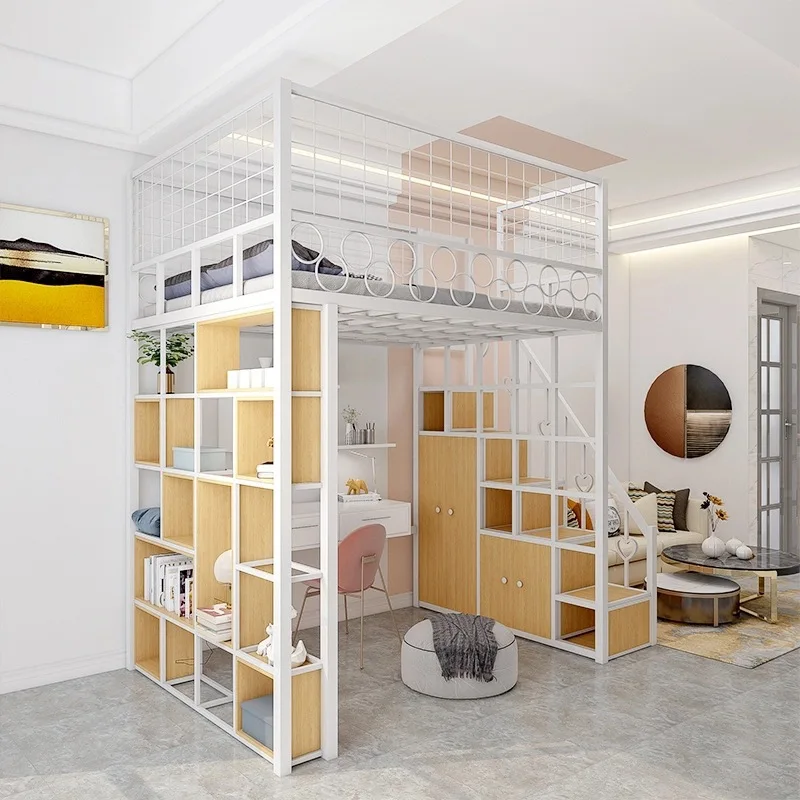
The illusion effect of a floating bed frame relies on several interconnected design principles that work together to minimize visual anchoring points and maximize the sense of weightlessness. Understanding how these principles function reveals why this furniture style has captured the imagination of designers and homeowners seeking to create dramatic spatial transformations. The psychological and visual components of this illusion are equally important as the structural engineering that makes it possible.
Visual Suspension and Spatial Perception
Hidden Support Systems Behind the Illusion
A floating bed frame achieves its illusion through concealed mounting mechanisms that anchor the structure to the wall rather than the floor. These support systems, typically consisting of metal brackets or steel beams embedded within the wall structure, remain completely invisible from normal viewing angles. The floating bed frame design intentionally hides all structural elements behind the mattress, bedding, and the frame itself, creating the visual impression that the bed exists in mid-air. This hidden architecture is the foundational principle that makes the entire illusion possible, as viewers cannot see the support system and therefore cannot rationalize where the bed's weight is actually going.
The engineering behind a floating bed frame demands precision and careful calculation to ensure the illusion remains convincing. Installation requires professional assessment of wall composition, stud location, and load-bearing capacity to guarantee safety. The support structure must be robust enough to handle the combined weight of the frame, mattress, and occupants, often rated for several hundred pounds or more. When properly installed, a floating bed frame functions identically to traditional bed frames in terms of comfort and durability while delivering an entirely different visual experience that seems to defy gravity.
Gap Below the Frame Creates Visual Lightness
The defining characteristic of any floating bed frame is the empty space visible between the bottom of the frame and the floor. This gap, whether a few inches or several feet depending on design preference, creates a critical visual illusion that separates the floating bed frame from conventional raised beds. The space allows light to pass underneath the bed structure, and viewers can typically see the wall or floor surface through this gap, reinforcing the impression that the bed is indeed levitating. This visual separation from the ground plane is what transforms a high bed into a genuine floating bed frame with its distinctive illusion quality.
The psychological impact of the gap beneath a floating bed frame extends beyond visual trickery. This design element creates a sense of openness and airiness in the bedroom, making the space feel larger and less cluttered than it would with a traditional bed frame. The floating bed frame literally eliminates the dead space that typically accumulates under conventional beds, whether dust, storage items, or visual obstruction. This combination of practical and perceptual benefits explains why the floating bed frame style has become popular in interior design for both residential and commercial applications seeking to maximize spatial experience.
Design Elements That Enhance the Illusion
Material Selection and Visual Minimalism
The materials chosen for a floating bed frame significantly impact how effectively the illusion convinces viewers. Most modern floating bed frame designs employ metal frames, particularly steel or iron, in colors that either contrast dramatically with the wall or blend seamlessly into it. A dark metal floating bed frame against a light wall creates sharp visual definition, while a floating bed frame painted to match the wall color intensifies the levitation illusion by making the support structure even harder to perceive. The minimalist aesthetic naturally associated with floating bed frame design removes unnecessary visual elements that might anchor the frame to the floor or wall too obviously.
The thickness and profile of the floating bed frame structure also influence the illusion's effectiveness. Thinner, more refined frames create a lighter visual presence than chunky, bulky structures, enhancing the floating sensation. Many contemporary floating bed frame designs feature sleek, geometric forms that emphasize linearity and precision rather than mass and weight. The material finish also matters significantly, as glossy surfaces on a floating bed frame can reflect light in ways that enhance the illusion of weightlessness, while matte finishes provide a more grounded appearance despite the floating design.
Color Coordination and Wall Integration
Strategic color selection transforms how effectively a floating bed frame creates its illusion effect. When a floating bed frame is painted or finished in a color matching the surrounding wall, the mounting system becomes virtually invisible, and the frame appears to emerge directly from the wall surface itself. This integration creates maximum illusion impact because viewers struggle to find the visual seam between wall and frame. Conversely, a contrasting color floating bed frame creates a different illusion where the frame becomes a bold sculptural element that appears to defy gravity through the sheer strength of its visual presence rather than through camouflage.
Lighting design plays an equally important role in enhancing the floating bed frame illusion. Strategic placement of ambient lighting above or around the floating bed frame creates dramatic shadows and highlights that emphasize the gap beneath the structure. The interplay of light and shadow can either strengthen or weaken the levitation effect, making lighting considerations essential when designing bedrooms featuring a floating bed frame. This design coordination between furniture, color, and lighting demonstrates that the floating bed frame illusion depends on comprehensive spatial planning rather than the bed frame alone.
Psychological and Spatial Impact of the Illusion
Perception of Space and Room Size
The illusion created by a floating bed frame extends beyond the bed itself to fundamentally alter how people perceive the entire bedroom space. By eliminating the visual weight that conventional bed frames place on the floor, a floating bed frame makes rooms feel more open, airier, and larger than equivalent rooms with traditional beds. The visible floor space beneath the floating bed frame acts as an extension of the room's footprint, tricking the eye into interpreting the bedroom as more expansive. This perceptual shift proves particularly valuable in smaller bedrooms where maximizing the sense of space becomes important for comfort and aesthetics.
Interior designers specifically choose floating bed frame solutions to address spatial limitations and create dramatic visual effects in constrained environments. The floating bed frame illusion of weightlessness and suspension creates a psychological sense of freedom and openness that contrasts sharply with heavier, grounded furniture styles. This effect demonstrates that the illusion quality of a floating bed frame is not merely decorative but functionally impacts how occupants experience and move through the space. The floating bed frame essentially reshapes spatial perception without physically altering the room's dimensions.
Modern Aesthetic and Contemporary Design Language
The illusion effect of a floating bed frame aligns perfectly with contemporary design values emphasizing minimalism, innovation, and visual sophistication. A floating bed frame signals a commitment to modern design principles and creates an immediate impression of thoughtfulness and attention to detail. The illusion quality makes the floating bed frame stand out as a design statement rather than merely functional furniture, transforming bedrooms into curated spaces that reflect intentional aesthetic choices. This aspirational quality helps explain the rising popularity of floating bed frame designs across residential, hospitality, and commercial interior design projects.
The psychological satisfaction derived from experiencing a well-executed floating bed frame illusion should not be underestimated in design decision-making. The sense of wonder and visual intrigue created by the floating bed frame contributes to overall user satisfaction and emotional connection to the space. People respond positively to environments that challenge their expectations and provide novel visual experiences, and the floating bed frame delivers precisely this kind of engaging illusion. This combination of aesthetic innovation and psychological reward positions the floating bed frame as a design solution with lasting impact beyond its functional role.
FAQ
How is a floating bed frame actually held up without visible support?
A floating bed frame is held securely by heavy-duty metal brackets or steel beams that are anchored directly into the wall studs, typically embedded within the wall cavity where they remain hidden from view. These support systems can safely bear hundreds of pounds of weight while remaining completely invisible from normal viewing angles. The mounting hardware is designed for permanent installation and must be professionally installed to ensure structural integrity and safety for the inhabitants.
Can a floating bed frame support the same weight as traditional beds?
Yes, a properly installed floating bed frame can support equal or greater weight capacity compared to traditional bed frames because the support is anchored into the wall structure rather than dependent on legs. The wall-mounted support system distributes the load directly into the building's structural framing, which is engineered to bear significant stress. The weight capacity of a floating bed frame depends on the installation quality, wall construction, and bracket rating rather than the frame design itself.
What is the ideal ceiling height for a floating bed frame to maximize the illusion?
A floating bed frame illusion is most effective when positioned at least two to three feet from the floor, allowing sufficient visible gap to create the levitation effect. Rooms with higher ceilings provide greater flexibility for creating dramatic floating bed frame installations, though even modest clearance can produce a convincing illusion. The psychological impact of the floating bed frame increases with visibility of the gap beneath the structure, making vertical clearance a significant factor in design effectiveness.