
 EN
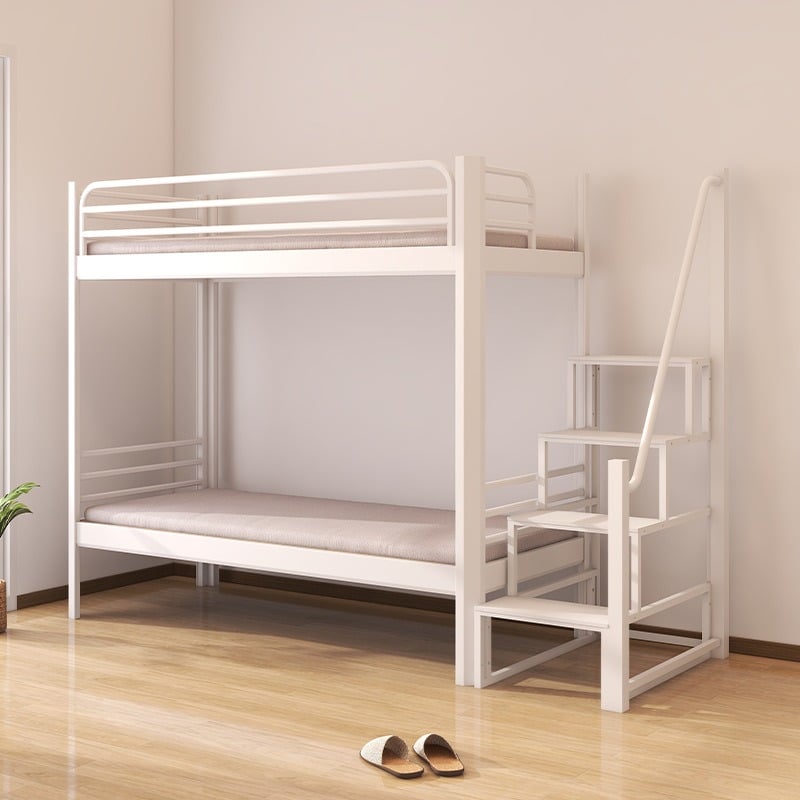
Small bedroom spaces present unique design challenges that demand creative solutions. A floating bed frame has emerged as one of the most practical and aesthetically appealing answers to maximizing limited square footage. Unlike traditional bed frames that occupy floor space and visually weigh down a room, a floating bed frame elevates your sleeping surface while creating valuable open space beneath it. This architectural approach transforms how residents interact with their compact environments, offering both functional benefits and modern aesthetic appeal.
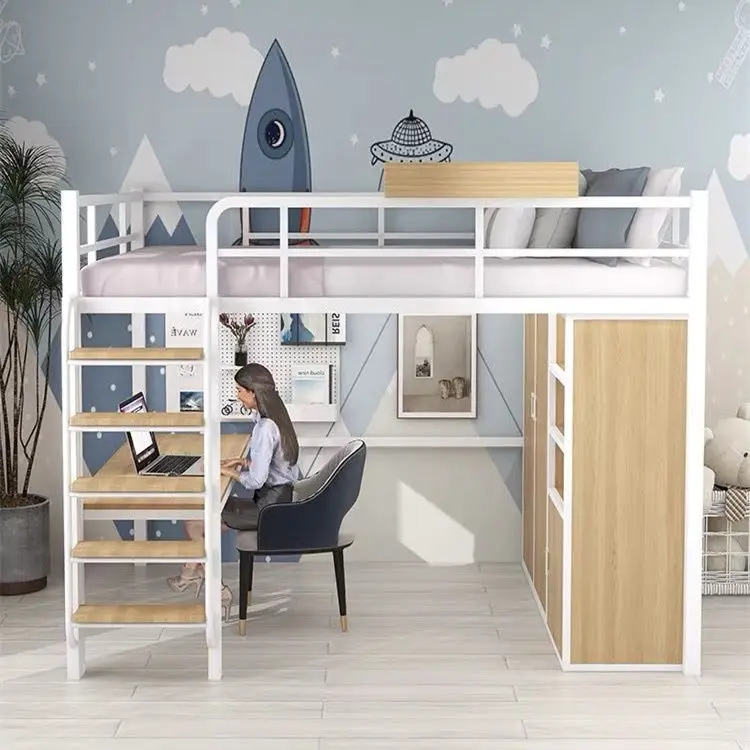
The decision to invest in a floating bed frame goes beyond simple furniture selection. For apartment dwellers, students, and professionals managing limited living areas, this choice directly influences daily comfort, room functionality, and perceived space dimensions. Understanding why a floating bed frame matters for small spaces requires examining how it addresses real constraints while delivering multiple layers of practical and psychological benefits that traditional furniture simply cannot replicate.
Maximizing Floor Space and Visual Openness
Creating Usable Storage and Circulation Area
The primary advantage of choosing a floating bed frame lies in its ability to liberate floor space in small bedrooms. When your bed sits elevated on a floating bed frame, the area underneath becomes immediately available for storage, seating, workspace, or simple visual breathing room. This recovered square footage translates directly to improved traffic flow, allowing residents to move comfortably through the bedroom without navigating around furniture legs and base structures. In apartments where bedroom dimensions measure ten by twelve feet or smaller, this reclaimed space becomes genuinely transformative.
Storage solutions integrate seamlessly beneath a floating bed frame. Many residents position rolling storage containers, shelving units, or seasonal item boxes in this zone, effectively doubling their organizational capacity without purchasing additional furniture pieces. This approach works particularly well in studios and one-bedroom apartments where bedroom storage directly impacts overall living quality. A floating bed frame accomplishes this storage expansion without the visual clutter or floor-blocking appearance of traditional under-bed storage methods.
Enhancing Perceived Room Dimensions
Beyond practical floor recovery, a floating bed frame creates powerful visual effects that make small spaces feel noticeably larger. The visible floor beneath a floating bed frame tricks the eye into perceiving greater openness and higher ceilings. This psychological expansion of space proves particularly valuable in compact urban apartments where actual square footage remains fixed but perceived comfort levels can be significantly enhanced. When designers and apartment dwellers choose a floating bed frame, they invest in environmental perception as much as physical functionality.
The elevated design eliminates the visual heaviness that traditional bed bases create. Ground-level bed frames often dominate small room aesthetics, consuming visual weight that makes spaces feel cramped and closed. Conversely, a floating bed frame seems to hover, introducing airiness and contemporary design sensibility. This visual lightness particularly benefits studios and efficiency apartments where single furniture pieces disproportionately influence overall room character and livability perception.
Improving Aesthetics and Modern Design Integration
Contemporary Style and Design Flexibility
A floating bed frame naturally complements modern, minimalist, and industrial design aesthetic movements popular in contemporary residential spaces. The clean lines, geometric simplicity, and structural visibility inherent in most floating bed frame designs align perfectly with contemporary interior preferences. Residents who select a floating bed frame gain access to design flexibility that traditional bed frames simply cannot provide. Whether your small space features Scandinavian minimalism, industrial edge, or modern luxury styling, a floating bed frame adapts seamlessly to your chosen aesthetic direction.
The material choices available in floating bed frame designs range from steel and iron to wood and mixed media, allowing personalization within compact space constraints. A floating bed frame constructed from warm wood complements cozy, transitional interiors, while metal variations suit industrial and contemporary schemes. This design versatility means selecting a floating bed frame doesn't compromise your overall interior vision or force aesthetic compromises common with space-saving furniture choices.
Maintenance and Cleanliness Benefits
Elevated design provides unexpected practical advantages that improve daily living quality in small spaces. A floating bed frame eliminates the difficult-to-reach, dust-collecting cavity beneath traditional beds. Cleaning floors becomes simpler since no bed base blocks access to wall edges and bedroom perimeters. This accessibility benefit extends the lifespan of bedroom flooring, improves air circulation under sleeping surfaces, and reduces allergen accumulation that plagues traditional bed foundations. For allergy-sensitive residents in small apartments, these hygiene advantages become genuinely meaningful quality-of-life improvements.
Moisture and air circulation concerns that plague traditional under-bed storage improve dramatically with a floating bed frame design. The open space beneath the sleeping surface allows consistent air movement, reducing mold risk and creating healthier bedroom microclimates. In humid climates or older buildings with moisture challenges, this ventilation advantage of choosing a floating bed frame contributes measurably to long-term material preservation and indoor air quality.
Supporting Multifunctional Space Usage
Enabling Workspace and Activity Zones
Modern small apartments increasingly blur boundaries between sleeping, working, and leisure activities within single rooms. A floating bed frame facilitates this multifunctional necessity by creating defined zones without consuming precious floor area. The space beneath a floating bed frame accommodates desks, reading nooks, workout areas, or seating arrangements that establish functional separation within open layouts. This zone creation proves especially valuable in studios where remote workers require dedicated workspace but lack dedicated home office rooms. Selecting a floating bed frame becomes a strategic choice for supporting contemporary work-from-home lifestyles in compact residential settings.
The elevated nature of a floating bed frame creates natural visual segmentation between sleeping and activity areas. This psychological separation enhances productivity and promotes healthier sleep patterns by maintaining distinct environmental zones. Residents working or relaxing beneath a floating bed frame unconsciously register the space differentiation, improving focus and reducing the cognitive clutter common in studio and one-bedroom layouts where all activities occur within single visible areas.
Accommodating Loft-Style Configurations
Advanced floating bed frame designs enable loft-style configurations that dramatically expand small space utility. Some floating bed frame systems integrate desks, shelving, and storage solutions as unified structures, effectively creating multi-story furniture arrangements within modest square footage. These sophisticated floating bed frame installations transform single rooms into integrated living environments incorporating sleeping, working, and storage functions that would otherwise demand separate furniture pieces and compromise space availability. This integrated approach represents the architectural evolution of floating bed frame design specifically responding to small apartment challenges.
For students, young professionals, and creative individuals, a floating bed frame supporting loft configurations offers transformative lifestyle functionality. The vertical organization enabled by elevated sleeping surfaces maximizes three-dimensional space utilization in ways traditional horizontal layouts cannot achieve. This dimensional thinking represents a fundamental shift in how residents approach small space design, with a floating bed frame serving as the foundational architectural element that makes comprehensive vertical integration possible.
FAQ
What weight capacity should a floating bed frame support for safety?
A quality floating bed frame must support at least 400 to 600 pounds depending on design and materials, accommodating two adults plus bedding and lightweight storage items. The wall-mounting system should incorporate reinforced brackets anchored directly to solid wall studs, not drywall alone. When evaluating a floating bed frame for your small space, always verify weight specifications, mounting requirements, and professional installation recommendations before purchase. Undersized or improperly installed floating bed frames present legitimate safety concerns that demand careful attention during selection and setup phases.
Can a floating bed frame work in apartments with standard walls?
Most apartments feature walls sufficiently sturdy for floating bed frame installation, though construction type matters significantly. Concrete, brick, and standard drywall over wooden studs all accommodate floating bed frame mounting through appropriate hardware and anchoring methods. However, apartments with metal stud construction or problematic wall conditions may require professional assessment before floating bed frame installation proceeds. Always consult installation specialists or building management before committing to a floating bed frame setup, ensuring structural compatibility with your specific residential environment and maintaining landlord approval for wall modifications.
How does a floating bed frame compare to platform beds for small spaces?
A floating bed frame offers superior visual lightness and floor space recovery compared to platform beds, which still occupy floor footprint despite providing under-bed clearance. While platform beds provide accessible storage and solid support, a floating bed frame delivers the psychological expansion and aesthetic modernity that small space residents increasingly prioritize. The choice between platforms and a floating bed frame ultimately depends on your specific aesthetic preferences, structural capabilities, and functional requirements, though contemporary small space design increasingly favors floating bed frame solutions for their comprehensive approach to space maximization.