
 EN

A floating bed frame is a contemporary furniture piece designed to appear as though it hovers above the ground without visible support legs or a traditional base. Instead of resting on the floor with conventional legs, a floating bed frame uses hidden structural support—typically embedded into walls or installed beneath the mattress platform—to create the illusion of levitation. This modern design approach combines aesthetic appeal with practical functionality, making floating bed frames increasingly popular in residential and commercial spaces seeking contemporary style and efficient room layouts.
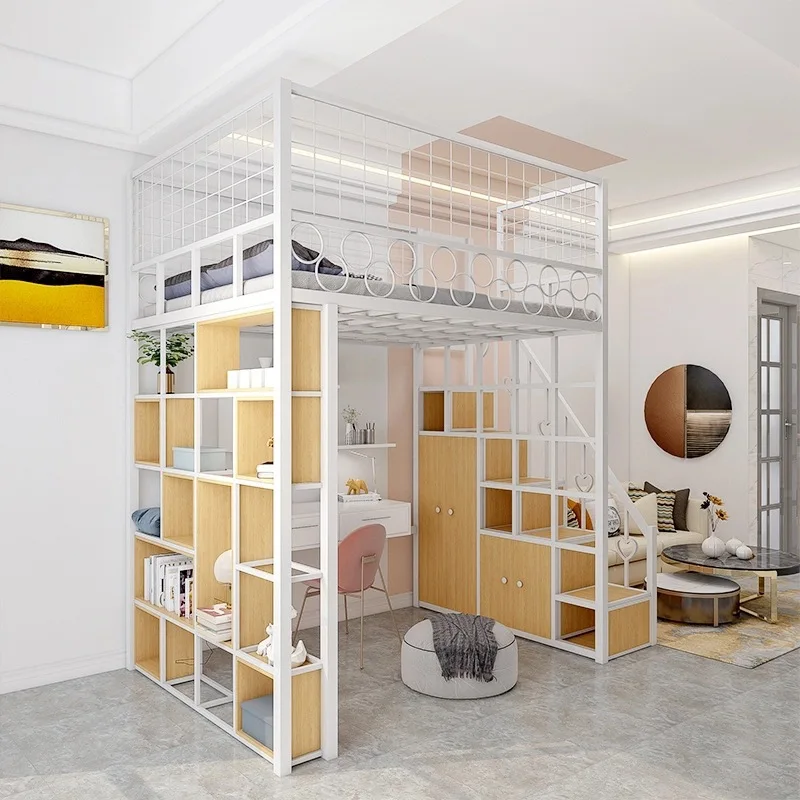
The floating bed frame represents a shift in how homeowners and designers approach bedroom furniture and spatial organization. By eliminating the visual bulk of traditional bed legs, a floating bed frame opens up floor space and creates an airy, sophisticated atmosphere. Understanding how a floating bed frame works mechanically, what styles are available, and whether it suits your living situation helps you make an informed decision about this modern furniture investment.
The Core Mechanics of a Floating Bed Frame
Hidden Support Systems Behind the Floating Bed Frame
A floating bed frame relies on one of two primary support methods. The first approach embeds a heavy-duty metal frame or wooden structure into the wall, anchored to the wall studs with industrial-grade fasteners. This wall-mounted floating bed frame distributes the weight directly into the home's structural framework, allowing the mattress platform to project outward without visible support legs. The second method uses telescoping legs or support arms hidden within the bed platform itself, creating the visual effect of levitation while the actual weight rests on reinforced mechanical supports beneath the surface.
The engineering behind a floating bed frame must account for weight distribution, mattress stability, and user safety. Most floating bed frame designs incorporate high-tensile steel brackets rated to support 500 to 1,500 pounds, depending on the specific model and configuration. A floating bed frame typically sits 12 to 24 inches above the floor, providing enough clearance for visual impact while maintaining practical access and ventilation. The structural integrity of a floating bed frame depends entirely on proper installation—wall-mounted versions require attachment to structural studs, while platform-based floating bed frames need solid foundation support.
Material Choices and Weight Capacity in Floating Bed Frame Design
Floating bed frame construction materials significantly influence durability and aesthetic presentation. High-quality floating bed frame options feature steel or reinforced metal components combined with premium wood veneers, creating a durable yet visually elegant structure. A modern floating bed frame typically uses engineered wood or solid wood platforms mounted on steel support systems that remain hidden from view. The choice of materials affects both the weight capacity and longevity of a floating bed frame; steel-reinforced designs generally accommodate heavier sleepers and withstand longer-term use without sagging or structural compromise.
Design Styles and Aesthetic Advantages of Floating Bed Frames
Contemporary and Minimalist Floating Bed Frame Styles
A floating bed frame serves as a focal point in modern bedroom design, available in styles ranging from minimalist platforms to integrated storage solutions. Minimalist floating bed frame designs feature clean lines, neutral colors, and simple geometric forms that appeal to contemporary aesthetics. Industrial floating bed frame styles incorporate exposed metal accents, darker finishes, and structural elements that emphasize the engineering aspect of the design. Scandinavian-inspired floating bed frame options emphasize light woods, neutral tones, and functional simplicity that maximizes visual openness.
The aesthetic advantages of a floating bed frame extend beyond style preference to tangible spatial benefits. By lifting the bed platform away from the floor, a floating bed frame creates visual continuity across the bedroom, making the space feel larger and less cluttered. A floating bed frame with integrated storage drawers or shelving beneath the platform combines style with functionality, providing concealed organization without additional furniture pieces. The psychological effect of a floating bed frame—suggesting lightness, modernity, and careful design—elevates the entire bedroom's perceived quality and sophistication.
Storage Integration and Space Optimization in Floating Bed Frames
Many modern floating bed frame designs incorporate functional storage elements, addressing space constraints common in contemporary living. A floating bed frame with built-in drawers or shelving maximizes under-bed space for seasonal items, bedding, or personal belongings, eliminating the need for additional storage furniture. Some floating bed frame configurations include desk surfaces, nightstands, or shelving integrated into the platform structure, creating a multifunctional furniture hub. This space-optimization approach makes a floating bed frame particularly valuable in smaller bedrooms, studio apartments, or loft spaces where square footage is limited and visual openness is essential for comfort.
Installation, Maintenance, and Practical Considerations for Floating Bed Frames
Installation Requirements and Professional Support for Floating Bed Frames
Proper installation is critical for floating bed frame performance and safety. Wall-mounted floating bed frame systems require locating wall studs accurately and using heavy-duty anchors rated for the combined weight of the frame, mattress, and occupants. Most manufacturers recommend professional installation for floating bed frame products to ensure structural integrity and warranty coverage. A floating bed frame installation typically involves drilling into wall studs, mounting steel brackets securely, and then attaching the platform to these hidden supports with fasteners rated for lateral stress.
Before purchasing a floating bed frame, verify that your walls can support the weight and that wall studs align with your desired bed placement. Renters or those in rental properties should confirm that wall-mounted floating bed frame installation is permitted, as it requires permanent structural modifications. Some floating bed frame alternatives, such as platform-based designs with internal support systems, may be suitable for rental situations where wall modification is prohibited, though they require adequate floor support.
Maintenance and Long-Term Durability of Floating Bed Frames
A floating bed frame requires minimal ongoing maintenance compared to traditional bed frames. Periodically inspect mounting hardware and fasteners to ensure no loosening has occurred due to vibration or settling. Dust accumulation under a floating bed frame is simpler to manage than with traditional beds, as the clear floor space allows easy vacuuming and cleaning. Most floating bed frame surfaces simply need regular dusting and occasional cleaning with appropriate wood or metal polish, depending on finish type.
Longevity of a floating bed frame depends on material quality and proper installation. High-quality floating bed frame systems can last 10 to 15 years or more when properly maintained and used according to manufacturer specifications. Check the weight rating of your specific floating bed frame and avoid exceeding recommended capacity, which can cause structural failure or wall damage. Address any squeaking, movement, or visible separation immediately, as these signs indicate potential mounting issues that require professional attention.
FAQ
Is a floating bed frame suitable for all bedroom types?
A floating bed frame works best in modern, contemporary, and minimalist bedroom designs, though it can complement various aesthetic styles. The primary consideration is whether your walls have adequate structural support—studs spaced to accommodate your bed width and the wall's ability to handle mounting hardware safely. In older homes with plaster walls or uncertain structural integrity, a floating bed frame may not be feasible without professional structural assessment. Alternatively, platform-based floating bed frame designs that don't require wall mounting offer greater flexibility in diverse living situations.
How much does a typical floating bed frame cost?
Pricing for a floating bed frame varies widely based on size, materials, and design complexity. Basic floating bed frame models start around 400 to 600 dollars, while higher-end designs with integrated storage or premium materials range from 1,000 to 3,000 dollars or more. Wall-mounted floating bed frame systems typically cost less than those featuring substantial built-in storage, as they use simpler support mechanisms. Professional installation services add additional expense, typically ranging from 200 to 500 dollars depending on complexity and local labor rates.
Can children safely use a floating bed frame?
A floating bed frame is generally safe for children provided it meets weight capacity requirements and has been properly installed with appropriate safety margins. However, very young children who might attempt climbing or playing with support structures may benefit from traditional bed options. Most floating bed frame designs allow safe passage underneath for cleaning and toy retrieval without risk. Ensure that your chosen floating bed frame has no sharp edges or protrusions, and verify that the mounting system is secure and cannot be disturbed by normal childhood activity or play.