
 EN
EN
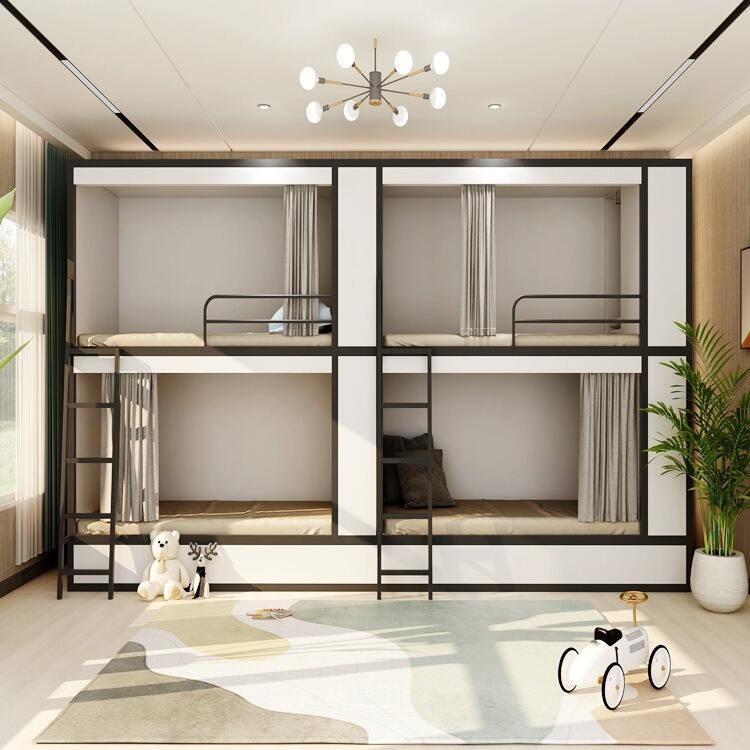
Ang pag-unawa sa mga salik na nagtatakda ng kapasidad ng bunk bed sa pagbubuhat ng timbang ay mahalaga para sa sinumang isinasaalang-alang ang pagbili o paggamit ng mga solusyon sa kagamitang pang-tahanan na nakakatipid ng espasyo na ito sa mga pampamayanan, komersyal, o institusyonal na setting. Ang kapasidad sa pagbubuhat ng timbang ay hindi arbitraryo—ito ay bunga ng maingat na pag-iisip sa inhinyerya na kasama ang mga materyales, heometriya ng disenyo, paraan ng paggawa, at mga pamantayan sa kaligtasan. Kung ikaw man ay nagpapagawa ng kuwarto ng mga bata, nagkakalapit ng dormitoryo, o nagpapagawa ng pasilidad para sa hospitality, ang pagkaalam kung paano kinukwenta at ginagarantiya ng mga tagagawa ang mga limitasyon sa timbang ay nagsisiguro ng parehong kaligtasan at haba ng buhay ng produkto. Ang kakayahan ng isang bunk bed na suportahan nang ligtas ang mga naninirahan ay nakasalalay sa interaksyon ng mga istruktural na bahagi, katangian ng materyales, at kalidad ng pag-aassemble, na lahat ay dapat sumunod o lumampas sa mga pamantayan ng regulasyon.
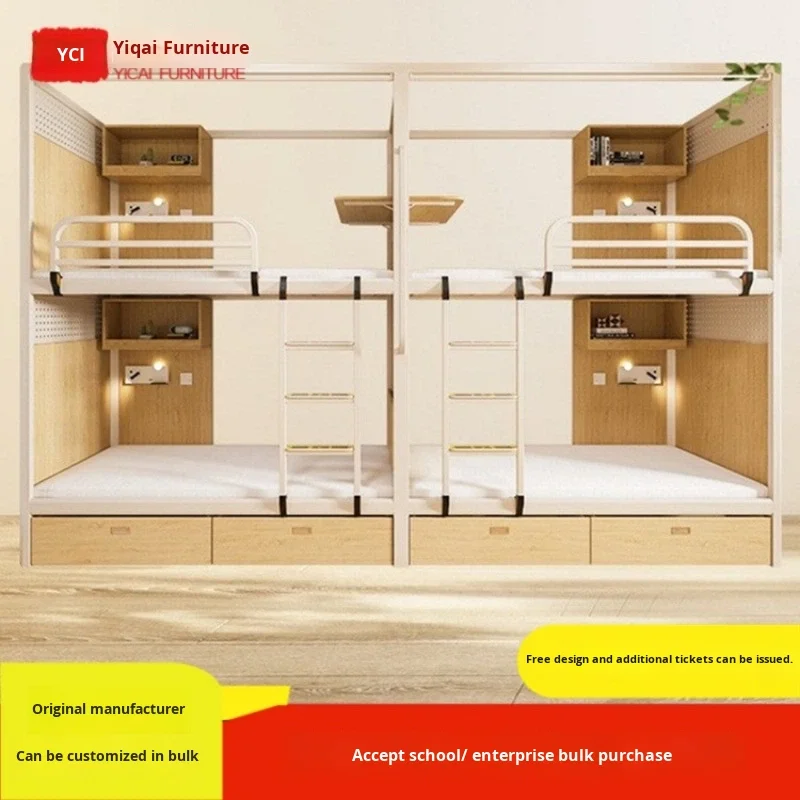
Ang kapasidad ng timbang ng isang kama na may hagdan-hagdan ay tinutukoy batay sa kombinasyon ng lakas ng materyales, disenyo ng balangkas, integridad ng mga sambungan, mga sistema ng suporta para sa kama, at pagkakasunod sa mga pamantayan sa kaligtasan. Ang bawat isa sa mga kadahilanan na ito ay nakaaapekto sa kabuuang kakayahang magdala ng beban ng istruktura, at walang iisang elemento ang maaaring suriin nang hiwalay. Halimbawa, ang isang kama na may hagdan-hagdan na gawa sa mataas na antas na bakal na tubo ay maaaring magbigay ng mahusay na lakas ng materyales, ngunit kung ang mga punto ng pagwelding ay mahina o kulang ang cross-bracing, ang aktuwal na kapasidad ng timbang ay hindi makakamit ang inaasahan. Gayundin, kahit ang pinakamatibay na balangkas ay hindi gagana nang ligtas kung ang distansya ng mga slat o ang pundasyon ng kama ay hindi wastong idisenyo. Ang artikulong ito ay tatalakayin nang detalyado ang mga pangunahing salik na tumutukoy sa kapasidad ng timbang ng kama na may hagdan-hagdan, na nagbibigay ng mga praktikal na pananaw para sa mga mamimili, mga tagapamahala ng pasilidad, at mga opisyales ng kaligtasan na kailangang gumawa ng impormadong desisyon.
Pagpili ng Materyales at Lakas ng Isturktura
Komposisyon at Antas ng Balangkas na Gawa sa Metal
Ang pagpili ng metal ay isa sa mga pinakamahalagang kadahilanan na nakaaapekto sa kapasidad ng bunk bed na magdala ng bigat. Ang bakal ang pangunahing materyal sa paggawa ng heavy-duty na bunk bed dahil sa kanyang mataas na tensile strength at rigidity. Ang gauge o kapal ng bakal na tubo ay direktang nauugnay sa kanyang kakayahang magdala ng beban—mas makapal na gauge ng bakal ang nagbibigay ng mas malakas na resistensya laban sa pagkabend at pagbabago ng hugis kapag may bigat. Karaniwang ginagamit ng mga tagagawa ang bakal na may gauge mula 14 hanggang 18 para sa mga residential na bunk bed, samantalang ang mga commercial-grade na yunit ay gumagamit madalas ng 12-gauge o mas makapal na bakal para sa mas mataas na tibay. Nakaaapekto rin ang nilalaman ng carbon at ang komposisyon ng alloy ng bakal sa kanyang hardness at resistensya sa fatigue sa paglipas ng panahon. Ang high-carbon steel ay nag-aalok ng mas mataas na lakas ngunit maaaring mas brittle, habang ang low-carbon steel ay nagbibigay ng mas mahusay na ductility at weldability. Dapat i-match ang grade ng materyal sa layunin ng paggamit, dahil ang isang bunk bed na idinisenyo para sa mga adult ay nangangailangan ng malaki ang pagkakaiba sa robustness ng materyal kumpara sa isang bunk bed na idinisenyo para sa mga bata.
Kahoy na Frame na may Density at Species
Kapag ginagamit ang kahoy bilang pangunahing estruktural na materyal para sa isang bunk bed, ang uri at densidad ng kahoy ay naging napakahalaga. Ang mga hardwood tulad ng oak, maple, at birch ay nag-aalok ng mas mataas na densidad at mas malakas na compressive strength kumpara sa mga softwood tulad ng pine o fir. Ang Janka hardness rating ay nagbibigay ng sukatan na maaukuran para sa tibay ng kahoy, kung saan ang mas mataas na rating ay nangangahulugan ng mas mahusay na paglaban sa pagkabuto at pagsuot. Ang konstruksyon na gawa sa solid wood ay karaniwang nakakasupporta ng mas mataas na kapasidad ng bigat kumpara sa mga engineered wood products, bagaman ang mataas na kalidad na plywood at laminated veneer lumber ay maaaring magaling gumana kung ang disenyo ay angkop. Isa pa ring dapat isaalang-alang ang nilalaman ng kahoy sa tubig—ang kahoy na hindi sapat na tinuyong maaaring magpalingkis o sumira sa ilalim ng beban, na nakakompromiso sa kaisahan ng istruktura. Dapat ding isaalang-alang ng mga tagagawa ang likas na pagkakaiba-iba sa ugat ng kahoy at distribusyon ng mga buhol, dahil ang mga katangiang ito ay maaaring lumikha ng mga mahinang punto sa frame. Para sa mga aplikasyon ng bunk bed na nangangailangan ng pinakamataas na kapasidad ng bigat, ang mga dense hardwoods na may tuwid at pare-parehong ugat ng kahoy ang pinipili.
Mga Sistema ng Komposito at Hybrid na Materyales
Ang ilang modernong disenyo ng kama na may hagdanan ay kasama ang mga kompositong materyales o hybrid na paraan ng paggawa na pagsasama-sama ng mga elemento ng metal at kahoy. Ang mga sistemang ito ay naglalayong balansehin ang kapasidad ng bigat sa kaakit-akit na anyo at kahusayan sa gastos. Halimbawa, ang isang kama na may hagdanan ay maaaring may frame na tubular na bakal para sa pangunahing istrukturang suporta habang gumagamit ng mga panel na kahoy para sa dekoratibong headboard at footboard. Sa ganitong mga disenyo, ang mga bahagi na gawa sa metal ang nagsisilbing pangunahing suporta sa istruktura, samantalang ang kahoy ay may sekondaryong tungkulin. Ang mga kompositong materyales tulad ng medium-density fiberboard o particle board ay minsan ginagamit para sa mga bahaging hindi nagsisilbing suporta sa bigat, ngunit ang mga materyales na ito ay karaniwang hindi kayang tugunan ang lakas ng solidong metal o hardwood. Kapag sinusuri ang isang kama na may hagdanan na may hybrid na konstruksyon, mahalaga na kilalanin kung aling mga bahagi ang nagsisilbing suporta sa bigat at tiyakin na ginawa ang mga ito mula sa angkop na materyales na may mataas na lakas. Dapat ding maingat na idisenyo ang interface sa pagitan ng magkakaibang materyales upang maiwasan ang concentration ng stress at maagang pagkabigo.
Heometriya ng Disenyo at Pamamahagi ng Karga
Konpigurasyon ng Frame at mga Punto ng Suporta
Ang heometrikong konpigurasyon ng frame ng bunk bed ay may malaking epekto sa kanyang kapasidad sa karga dahil ito ang nagtatakda kung paano ipinamamahagi ang mga karga sa buong istruktura. Ang isang maayos na idisenyong bunk bed ay may kasamang maraming patayong suportang poste na nakaposisyon sa estratehikong mga lokasyon upang mabawasan ang mga bending moment at deflection. Ang distansya sa pagitan ng mga suportang poste na ito ay nakaaapekto sa haba ng span ng mga horizontal na miyembro, kung saan ang mas maikling span ay karaniwang nagbibigay ng mas mataas na rigidity at kapasidad sa karga. Ang mga poste sa sulok ay karaniwang nagsisilbing tagatanggap ng pinakamataas na konsentrasyon ng mga puwersa, kaya ang kanilang sukat at mga katangian ng materyal ay lalo pang mahalaga. Ang ilan bunk Bed ang mga disenyo ay kasama ang karagdagang mga paa ng suporta sa gitna o mga crossbeam upang mabawasan ang haba ng span at mapataas ang kabuuang rigidity. Ang taas ng itaas na kama ay may papel din—ang mas mataas na istruktura ay nakakaranas ng mas malaking lateral sway at nangangailangan ng mas matibay na bracing upang panatilihin ang katiyakan. Ginagamit ng mga inhinyero ang mga paraan ng structural analysis upang i-optimize ang geometry ng frame, na nagpapatiyak na ang mga load ay epektibong naililipat sa sahig nang hindi lumalampas sa mga limitasyon ng stress ng materyales sa anumang bahagi ng istruktura.
Cross-Bracing at Diagonal na Pagpapatibay
Ang mga elemento ng cross-bracing at diagonal reinforcement ay mahalaga upang mapabuti ang lateral stability at kapasidad sa bigat ng isang bunk bed. Ang mga bahaging ito ay nagpipigil sa frame na mag-rack o mag-twist sa ilalim ng asymmetric loads, na maaaring mangyari kapag ang mga mananatili ay nagbabago ng posisyon o kapag ang bigat ay nakatuon sa isang gilid lamang ng ibabaw ng pagtulog. Ang mga diagonal brace ay gumagana sa pamamagitan ng pag-convert ng lateral forces sa axial tension at compression forces sa buong haba nito, na mas epektibong kayang labanan ng mga structural members kaysa sa purong bending. Dapat maingat na planuhin ang pagkakalagay at orientasyon ng cross-bracing upang makamit ang pinakamataas na kahusayan nito nang hindi nakakaapekto sa accessibility o aesthetics. Sa mga metal bunk bed frame, ang mga diagonal tube ay karaniwang welded o bolted sa posisyon, na lumilikha ng matigas na triangulated structure. Ang mga wooden bunk bed naman ay maaaring gumamit ng diagonal boards o metal rods upang makamit ang katulad na reinforcement. Ang kawalan o kakulangan ng cross-bracing ay isang karaniwang kahinaan sa mga disenyo ng mababang kalidad na bunk bed, na humahantong sa nababawasan na kapasidad sa bigat at sa tumataas na panganib ng structural failure sa paglipas ng panahon.
Disenyo ng Platform ng Matras at Pagkakalagay ng mga Slat
Ang platform na sumusuporta sa matras ay isang mahalagang bahagi na direktang nakaaapekto sa kakayahang magdala ng timbang ng isang kama na may dalawang antas. Ang karamihan sa mga kama na may dalawang antas ay gumagamit ng platform na may mga guhit (slatted) o isang solidong panel system upang suportahan ang matras. Ang mga platform na may mga guhit ay binubuo ng maraming kahoy o metal na guhit na nakaayos nang pahalang at pantay-pantay sa loob ng frame. Ang kapal, lapad, at distansya ng mga guhit na ito ang nagtutukoy kung gaano kahusay nila ipinapamahagi ang timbang sa paligid ng frame. Ang mga guhit na sobrang manipis o malayo ang distansya sa isa't isa ay maaaring umunat o mabasag kapag pinabigatan, kahit na ang pangunahing frame ay sapat na matibay. Ang pinakamahusay na gawain sa industriya ay inirerekomenda ang distansya ng mga guhit na hindi lalampas sa tatlo hanggang apat na pulgada para sa pinakamahusay na suporta at tibay ng matras. Ang ilang disenyo ng kama na may dalawang antas na may mataas na kapasidad ay may kasamang sentral na mga riles na sumusuporta na umaabot nang habang-baba sa ilalim ng mga guhit, na nagbibigay ng karagdagang ibabaw na sumusuporta upang mabawasan ang haba ng span at mapataas ang rigidity. Ang mga platform na solidong panel, na karaniwang ginagawa mula sa plywood o mga sheet ng metal, ay nag-aalok ng mas pantay na pamamahagi ng timbang ngunit maaaring mas mabigat at mas hindi maayos ang hangin kumpara sa mga platform na may mga guhit.
Kabuuan ng Pagkakasundo at mga Paraan ng Pagkakakonekta
Kalidad ng Pagweweld sa mga Metal na Frame
Para sa mga metal bunk bed frame, ang kalidad ng mga hinang na dugtungan ay pangunahing tumutukoy sa kabuuang kapasidad ng timbang at pagiging maaasahan ng istruktura. Ang hinang ay lumilikha ng permanenteng metalurhikong dugtungan sa pagitan ng mga bahagi, na mainam na lumilikha ng mga dugtungan na kasinglakas ng mga base material mismo. Gayunpaman, ang mga hindi wastong pamamaraan ng hinang ay maaaring magdulot ng mga depekto tulad ng porosity, hindi kumpletong pagtagos, o mga konsentrasyon ng stress na lubos na nagpapahina sa istruktura. Ang mga de-kalidad na tagagawa ng bunk bed ay kumukuha ng mga bihasang welder at gumagamit ng mga naaangkop na proseso ng hinang tulad ng MIG o TIG welding upang matiyak ang pare-parehong lakas ng dugtungan. Ang mga lokasyon ng hinang ay dapat na estratehikong ilagay upang ihanay sa natural na mga landas ng karga sa frame, na binabawasan ang eccentric loading na maaaring magdulot ng maagang pagkabigo. Ang visual inspection at mga pamamaraan ng hindi mapanirang pagsubok ay maaaring magpatunay sa kalidad ng hinang, bagama't ang mga ito ay mas karaniwang ginagamit sa komersyal o institusyonal na produksyon ng bunk bed. Ang post-weld heat treatment ay maaaring gamitin upang mapawi ang mga natitirang stress at mapabuti ang resistensya sa pagkapagod ng mga hinang na dugtungan, lalo na sa mga heavy-duty na aplikasyon kung saan ang bunk bed ay makakaranas ng paulit-ulit na mga cycle ng pagkarga sa buong buhay ng serbisyo nito.
Mga Mekanikal na Fastener at Hardware
Ang mga mekanikal na fastener tulad ng mga bolt, turnilyo, at suporta ay nagbibigay ng alternatibong o karagdagang paraan ng pagkonekta sa paggawa ng bunk bed. Ang lakas ng mga koneksyon na may bolt ay nakasalalay sa diameter ng fastener, haba ng thread engagement, at ang clamping force na inilalapat habang isinasagawa ang assembly. Ang mga bolt na may mas malaking diameter at fine threads ay karaniwang nagbibigay ng mas mataas na tensile at shear capacity kumpara sa mga mas maliit o coarse-threaded na fastener. Ang paggamit ng washers at lock nuts ay tumutulong sa pagpapakalat ng clamping forces at nanghihinto sa pagkaluwang dahil sa vibration o paulit-ulit na pagkarga. Sa mga bunk bed na gawa sa kahoy, ang oryentasyon ng mga turnilyo ayon sa direksyon ng kahoy (wood grain) ay nakaaapekto sa kanilang pullout resistance—ang mga turnilyo na ipinapasok nang perpendicular sa kahoy ay karaniwang mas ligtas ang pagkakahawak kaysa sa mga turnilyo na ipinapasok nang parallel dito. Ang mga metal na bracket at corner braces ay maaaring palakasin ang mga joint at mag-transfer ng load nang mas epektibo kaysa sa mga fastener lamang. Gayunpaman, ang mga mekanikal na koneksyon ay nagdudulot ng stress concentrations sa mga butas ng fastener, na maaaring maging pinagmulan ng mga pukyawan kung ang disenyo ay hindi sumasalamin sa mga stress risers na ito. Kinakailangan ang regular na inspeksyon at pagpapalakas muli ng mga mekanikal na fastener upang mapanatili ang nakalaang kapasidad sa bigat sa buong buhay ng bunk bed.
Mga Toleransya sa Pagsasama at Kalidad ng Pagkakasya
Ang kahusayan sa paggawa at ang kalidad ng pagkakasunod-sunod ng mga bahagi habang isinasagawa ang pag-aassemble ay direktang nakaaapekto sa kakayahan ng isang bunk bed na magdala ng beban. Ang mabibigat na toleransya ay nagsisiguro na ang mga ibabaw na nag-uugnay ay nasa tamang posisyon at ang mga beban ay naililipat nang pantay-pantay sa buong mga sambungan. Ang labis na puwang o hindi tamang pagkakasunod-sunod ay maaaring magdulot ng pagsingil ng stress at hindi pantay na pamamahagi ng beban, na kung saan ay binabawasan ang epektibong kapasidad ng timbang nang lampas sa mga halaga sa disenyo. Mahalaga ang pagkakapalit-palit ng mga bahagi para sa mga disenyo ng bunk bed na nabebenta nang patag (knock-down) at inaassemble sa lugar—ang mga bahagi ay dapat magkasya nang pare-pareho nang walang pagpilit o paggamit ng shim. Ginagamit ng mga tagagawa ang mga jig at fixture habang ginagawa ang produkto upang mapanatili ang kahusayan ng sukat sa maraming yunit. Ang mga instruksyon sa pag-aassemble at ang kasangkapang kasama sa bunk bed ay dapat na magbigay-daan sa tamang pagkakasunod-sunod nang walang pangangailangan ng espesyal na kasangkapan o sobrang pilit. Ang mahinang kalidad ng pagkakasunod-sunod ay karaniwang lumilitaw bilang mga istrukturang nanginginig o hindi matatag, na nagpapahiwatig na ang mga sambungan ay hindi gumagana ayon sa orihinal na disenyo. Kapag sinusuri ang isang bunk bed, ang pagsusuri sa pagkakaroon ng pare-parehong puwang, maayos na pagkakasunod-sunod, at ligtas na mga koneksyon ay nagbibigay ng impormasyon tungkol sa kabuuang kalidad ng inhinyerya at paggawa.
Mga Pamantayan sa Kaligtasan at mga Protokol sa Pagsusuri
Mga Regulasyon at Pagsunod sa Pamantayan
Ang kapasidad ng bunk bed sa pagkarga ng timbang ay hindi lamang isang usapin ng engineering na kalkulasyon—kailangan din nitong sumunod sa mga itinatag na pamantayan sa kaligtasan at mga regulasyong pangreklamo. Sa Estados Unidos, ipinapatupad ng Consumer Product Safety Commission ang mga pamantayan para sa mga bunk bed na inilaan para sa mga bata, kabilang ang mga kinakailangan sa taas ng guardrail, disenyo ng hagdan, at integridad ng istruktura. Ang pamantayan ng ASTM F1427 ay nagtutukoy ng mga prosedurang pagsusuri at mga kriteria sa pagganap para sa mga bunk bed, kabilang ang mga static load test at cyclic fatigue test na kumakatawan sa mahabang panahong paggamit. Mayroon ding katulad na mga pamantayan sa iba pang hurisdiksyon, tulad ng European EN 747 standard at iba’t ibang pambansang kode. Karaniwang nangangailangan ang mga pamantayang ito na ang isang bunk bed ay kayang tiisin ang mga beban na malaki ang lawak kaysa sa nakasaad na kapasidad sa pagkarga ng timbang, upang magbigay ng kaligtasan laban sa dynamic loading, pagkakaiba-iba ng materyales, at pagbaba ng kalidad sa paglipas ng panahon. Ang pagsunod sa mga kilalang pamantayan ay nagbibigay ng garantiya na ang bunk bed ay idinisenyo at sinubok ayon sa mahigpit na mga protokol. Ang mga tagagawa na nakakakuha ng sertipikasyon mula sa ikatlong partido ay nagpapakita ng kanilang dedikasyon sa kaligtasan at kalidad, dahil ang mga independiyenteng laboratoryo sa pagsusuri ay nangangatiwala na ang mga produkto ay sumusunod o lumalampas sa mga aplikableng kinakailangan.
Pagsusuri ng Static at Dynamic Load
Ang pagsubok sa karga ang panghuling paraan upang patunayan ang kapasidad ng timbang ng isang disenyo ng kama na may hagdan. Ang mga pampasibong pagsubok sa karga ay kasali ang paglalagay ng tiyak na timbang sa ibabaw ng pagtulog at ang pagsusuri sa istruktura para sa anumang pagkiling, permanenteng depekto, o kabiguan. Karaniwang inilalagay ang timbang na ginagamit sa pagsubok sa loob ng tiyak na tagal upang mataya kung ang kama na may hagdan ay kayang suportahan ang timbang nang hindi nababagsak nang unti-unti o lumalim nang labis. Ang dinamikong pagsubok sa karga ay nagmimita ng epekto ng galaw at paulit-ulit na paggamit sa pamamagitan ng paglalapat ng siklikong karga na kumakatawan sa pagbabago ng posisyon ng taong nakaupo o pagpasok at paglabas sa kama na may hagdan. Ang mga pagsubok na ito ay mas mahigpit kaysa sa mga pampasibong pagsubok dahil nagdudulot sila ng pagkapagod sa mga materyales at mga sambungan, na maaaring magbunyag ng mga kahinaan na hindi lilitaw sa ilalim ng tuloy-tuloy na karga. Ang mga protokol sa pagsubok ay tumutukoy sa lawak, dalas, at bilang ng mga siklo ng karga na kinakailangan upang mapatunayan ang tibay. Ang mga tagagawa ng mataas na kalidad na kama na may hagdan ay nagpapaganap ng parehong pampasibong at dinamikong pagsubok sa mga representatibong sample mula sa mga produksyon, na nagpapatitiyak na ang kapasidad ng timbang na ipinangako para sa produkto ay maaasahan talaga sa lahat ng yunit na ibinebenta.
Margin ng Kaligtasan at Pag-iingat sa Disenyo
Ang responsable na disenyo ng bunk bed ay kasama ang isang kaligtasan na margin sa pagitan ng nasubukang kapasidad sa kahihinatnan at ng inilalathalang limitasyon sa timbang. Ang margin na ito ay sumasaklaw sa mga hindi tiyak na katangian ng materyales, pagkakaiba-iba sa produksyon, at sa di-maikakailang kalikasan ng aktuwal na kondisyon ng paggamit. Karaniwang kasanayan ang magbigay ng rating sa bunk bed para sa kapasidad sa timbang na 50 hanggang 75 porsyento lamang ng load na nagdudulot ng kabiguan (failure load) na naitala sa panahon ng pagsusuri. Halimbawa, kung ang frame ng isang bunk bed ay hindi nabibigo hanggang sa ilagay dito ang 800 pounds, maaaring mapanatili ng tagagawa ang konservatibong rating nito sa 400 hanggang 500 pounds bilang kapasidad para sa aktuwal na paggamit. Ang ganitong pamamaraan ay nagbibigay ng buffer laban sa sobrang pagbabarga, pagbaba ng kalidad ng materyales, at mga sitwasyon ng pang-aabuso na lumalabas sa karaniwang paggamit. Ang mga bunk bed na ginagamit sa komersyal at institusyonal na setting ay madalas na may mas malalaking margin ng kaligtasan dahil sa mas mataas na peligro ng maling paggamit at sa mas malalim na epekto ng kabiguan sa mga pampublikong lugar. Kapag kinukumpara ang mga produkto ng bunk bed, dapat tanungin ng mga bumibili ang mga ginamit na pamamaraan sa pagsusuri at ang ugnayan sa pagitan ng nasubukang kapasidad at ng pinagkakaloobang rating ng kapasidad, dahil ang impormasyong ito ay nagpapakita ng dedikasyon ng tagagawa sa kaligtasan at tibay.
Mga Konsiderasyon sa Matras at Kama
Timbang at Density ng Matras
Ang matras mismo ay nakakatulong sa kabuuang bigat na kailangang suportahan ng isang bunk bed, at ang ambag nito ay maaaring mag-iba nang malaki depende sa uri at pagkakagawa ng matras. Ang tradisyonal na mga matras na may coil spring ay karaniwang may timbang na 50 hanggang 100 pounds para sa karaniwang sukat na twin, samantalang ang mga matras na memory foam at latex ay maaaring umabot sa 60 hanggang 120 pounds o higit pa. Ang mga matras na gawa sa foam na may mataas na density ay mas mabigat, ngunit maaari ring magbigay ng mas mahusay na suporta at tibay. Kapag kinukwenta ang magagamit na kapasidad ng bigat para sa mananahan, ang timbang ng matras ay dapat ibawas sa kabuuang na-rate na kapasidad ng bunk bed. Halimbawa, kung ang isang bunk bed ay na-rate para sa kabuuang kapasidad na 400 pounds at ang matras ay may timbang na 80 pounds, ang epektibong limitasyon sa bigat ng mananahan ay 320 pounds. Mahalaga ang pagkakaiba ng dalawang ito dahil maaaring tukuyin ng mga tagagawa ang kabuuang kapasidad o ang kapasidad para sa mananahan, na maaaring magdulot ng potensyal na kalituhan. Sa mga aplikasyon ng bunk bed para sa mga adult o sa mga sitwasyon kung saan pinipili ang mas mabibigat na matras para sa komportable na paggamit, ang timbang ng matras ay naging mas makabuluhan na bahagi ng kabuuang kapasidad, na posibleng limitahan ang laki o bilang ng mga mananahan na maaring ligtas na iakomoda ng bunk bed.
Mga Kinakailangan sa Suporta ng Matras
Ang disenyo ng platform na sumusuporta sa matras ay kailangang compatible sa uri ng ginagamit na matras upang matiyak ang tamang pagganap at haba ng buhay ng parehong matras at istruktura ng bunk bed. Ang iba't ibang uri ng matras ay may magkakaibang pangangailangan sa suporta—ang mga matras na gawa sa memory foam ay karaniwang nangangailangan ng solidong suporta o malapit na espasyo sa mga slat upang maiwasan ang pagbaba sa mga butas, samantalang ang mga matras na may panloob na spring ay mas tolerant sa mas malawak na espasyo sa pagitan ng mga slat. Ang rigidity (pagiging matigas) ng platform na sumusuporta ay nakaaapekto sa paraan kung paano ipinapamahagi ng matras ang timbang sa frame ng bunk bed. Ang isang flexible (nababaluktot) o nagsasag na platform ay maaaring magdulot ng hindi pantay na distribusyon ng load, na nagpapasentro ng timbang sa ilang bahagi ng frame at posibleng lumampas sa lokal na stress limits kahit na ang kabuuang load ay nasa loob ng kakayahan nito. Ang tamang suporta para sa matras ay nakakaiwas din sa maagang pagkasira at compression ng mga materyales ng matras, na nananatiling komportable at nagpapahaba ng buhay ng serbisyo nito. Ang ilang disenyo ng bunk bed ay nagtatakda ng maximum na kapal ng matras upang matiyak ang sapat na clearance sa ilalim ng mga guardrail, na ito ay isang konsiderasyon sa kaligtasan imbes na isang konsiderasyon sa istruktura. Gayunpaman, ang labis na kapal ng matras ay maaari ring dagdagan ang sentro ng gravity at makaapekto sa lateral stability (estabilidad sa gilid) ng kabuuang istruktura.
Timbang ng Kama at Panakip
Kahit madalas na hindi pinapansin, ang kabuuan ng timbang ng kama, unan, at mga accessory ay maaaring magdagdag ng 10 hanggang 20 pondo o higit pa sa kabuuang beban sa isang bunk bed. Ang mabigat na comforter, maraming unan, at mga bagay na inilalagay sa kama ay lahat nakaaambag sa kabuuang timbang na kailangan suportahan ng istruktura. Sa mga shared sleeping arrangements o kapag ginagamit ang mga bunk bed bilang upuan sa araw, ang dagdag na beban na ito ay maaaring maging mas makabuluhan. Dapat isaalang-alang ng mga gumagamit ang mga dagdag na beban na ito kapag tinutukoy kung nasa loob ba sila ng na-rate na kapasidad ng kanilang bunk bed. Ang mga solusyon para sa imbakan na nakakabit o kasama sa bunk bed—tulad ng mga shelf, drawer, o hanging organizer—ay nagdadagdag din ng timbang at maaaring baguhin ang distribusyon ng beban sa frame. Ang mga accessory na ito ay dapat isaalang-alang bilang bahagi ng kabuuang timbang ng sistema, lalo na kung nakakabit sila sa itaas na bunk o nakasalansang palabas mula sa pangunahing istruktura. Ang mga tagagawa na nag-ooffer ng mga integrated storage option ay karaniwang idinisenyo ang frame upang sakupin ang dagdag na beban, ngunit ang mga aftermarket accessory ay maaaring hindi isinama sa orihinal na rating ng kapasidad ng timbang.
Mga Faktor sa Pag-install at Paggamot
Surface ng sahig at Pagpapantay
Ang ibabaw ng sahig kung saan inilalagay ang isang bunk bed ay nakaaapekto sa kanyang katatagan at kakayahang magdala ng beban, bagaman ito ay karaniwang itinuturing na isang kadahilanan sa pag-i-install kaysa sa disenyo. Ang isang bunk bed na naka-install sa isang hindi pantay o miring na sahig ay maaaring makaranas ng hindi pantay na distribusyon ng beban sa mga suportang haligi nito, na nagdudulot ng hindi proporsyonal na bigat sa ilang mga paa. Maaari itong magdulot ng mataas na antas ng stress at maagang pagkabigo sa mga bahagi ng frame o mga sambungan nito. Ang mga malambot na ibabaw ng sahig tulad ng makapal na carpet o foam padding ay maaaring makompres nang hindi pantay sa ilalim ng bigat ng isang napupunuan na bunk bed, na lumilikha ng katulad na epekto. Ang matitigas at pantay na ibabaw ng sahig tulad ng kongkreto, tile, o kahoy na sahig ay nagbibigay ng pinakamatatag na pundasyon at nagpapanatili ng tamang distribusyon ng mga beban ayon sa orihinal na disenyo. Kapag nag-i-install ng bunk bed sa carpet, ang mga manipis ngunit matitigas na pad na ilalagay sa ilalim ng bawat paa ay maaaring tumulong sa pantay na distribusyon ng bigat at maiwasan ang mga butas o depekto sa carpet. Ang regular na inspeksyon upang tiyakin na nananatiling pantay ang bunk bed at na ang lahat ng mga paa ay may matibay na kontak sa sahig ay isang mahalagang gawain sa pangangalaga na nagpapanatili ng orihinal na kakayahang magdala ng bigat nito sa paglipas ng panahon.
Pagpapahigpit at Pagsusuri ng Hardware
Para sa mga kama na naka-stack na nabuo gamit ang mekanikal na mga fastener, kinakailangan ang periodicong inspeksyon at pagpapalakas muli ng mga bolt at turnilyo upang mapanatili ang istruktural na integridad at kapasidad ng bigat. Ang vibrasyon at paulit-ulit na pagkarga ay maaaring maging sanhi ng unti-unting pagluluwag ng mga fastener, na nagbabawas sa clamping force at nagpapahintulot ng galaw sa mga sambungan. Ang ganitong galaw ay maaaring pabilisin ang pagkasira, lumikha ng ingay, at mabawasan ang kakayahang magdala ng beban ng istruktura. Karaniwang inirerekomenda ng mga tagagawa na suriin at palakasin ang lahat ng fastener matapos ang paunang pagkakalapat at sa regular na mga panahon pagkatapos noon, tulad ng bawat tatlo hanggang anim na buwan depende sa antas ng paggamit. Ang paggamit ng torque wrench upang ilapat ang pare-parehong at angkop na lakas ng pagpapalakas ay tumutulong na maiwasan ang parehong kulang sa pagpapalakas, na nagpapahintulot ng galaw sa sambungan, at sobrang pagpapalakas, na maaaring mag-strip ng mga thread o sirain ang mga bahagi. Dapat din isama sa visual na inspeksyon ang paghahanap ng mga palatandaan ng pagsuot, depekto, o pinsala tulad ng mga baluktot na frame member, cracked welds, o nababasag na kahoy. Ang agarang pagtugon sa mga maliit na isyu ay maaaring maiwasan ang progresibong pagkasira na mababawasan ang kapasidad ng bigat at kaligtasan. Ang mga parte para sa kapalit ay dapat kunin mula sa orihinal na tagagawa upang matiyak ang compatibility at ang tamang mga specifikasyon ng materyales.
Mga Kondisyon sa Kapaligiran at Proteksyon Laban sa Corrosion
Ang mga kadahilanan sa kapaligiran tulad ng kahalumigan, pagbabago ng temperatura, at pagkakalantad sa mga nakakakorosyon na sangkap ay maaaring pabaguhin ang mga materyales ng bunk bed sa paglipas ng panahon, na kung saan nababawasan ang kanilang epektibong kakayahan sa bigat. Ang mga frame na gawa sa metal ay madaling magkaroon ng rust at korosyon, lalo na sa mga lugar na may mataas na kahalumigan o sa mga coastal area na may hangin na may asin. Ang mga protektibong coating tulad ng powder coating o galvanizing ay nagbibigay ng barrier laban sa kahalumigan at oksidasyon, ngunit maaaring masira ang mga coating na ito dahil sa mga sugat o pagka-abrasion. Ang regular na inspeksyon para sa mga palatandaan ng rust o pagkasira ng coating ay nagpapahintulot ng maagang interbensyon sa pamamagitan ng touch-up painting o aplikasyon ng mga protektibong paggamot. Ang mga bunk bed na gawa sa kahoy ay madaling sumipsip ng kahalumigan, na maaaring magdulot ng pagbubulok, pagkabend, at pagkawala ng istruktural na lakas. Ang pagpapanatili ng angkop na antas ng kahalumigan sa loob ng bahay at ang pagtiyak na may sapat na sirkulasyon ng hangin sa paligid ng bunk bed ay tumutulong sa pagpanatili ng integridad ng kahoy. Ang pagkakalantad sa sobrang temperatura o direkta sa sinag ng araw ay maaari ring magdulot ng pagpapalawak, pagkontrakt, o degradasyon ng mga materyales. Para sa mga bunk bed na ginagamit sa mga lugar na walang climate control tulad ng mga kampo o dormitoryo, ang pagpili ng mga materyales at finishes na may mas mataas na resistensya sa mga kadahilanan sa kapaligiran ay inirerekomenda upang mapanatili ang pangmatagalang kakayahan sa bigat at kaligtasan.
Madalas Itanong
Paano kinakalkula ang kapasidad ng timbang ng isang bunk bed?
Ang kapasidad ng timbang ng isang bunk bed ay kinakalkula sa pamamagitan ng kumbinasyon ng pagsusuri sa inhinyerya at pisikal na pagsubok. Ginagamit ng mga inhinyero ang mga paraan ng pagsusuri sa istruktura upang i-model ang hugis ng frame, mga katangian ng materyales, at mga kondisyon ng pagkarga, at kinakalkula ang mga stress at deflection na nangyayari sa ilalim ng iba't ibang mga beban. Ang teoretikal na kapasidad na ito ay sinusubukan naman sa pamamagitan ng static at dynamic load testing, kung saan ang mga tunay na unit ng bunk bed ay inilalagay sa kontroladong mga timbang at puwersa. Ang inilalathala na kapasidad ng timbang ay karaniwang itinatakda bilang isang mapag-ingat na bahagi ng nasubukang failure load, na nagbibigay ng kaligtasan na margin na sumasaklaw sa pagkakaiba-iba ng materyales at mga kondisyon sa aktwal na paggamit. Ang mga protokol sa pagsubok ay sumusunod sa mga pamantayan ng industriya tulad ng ASTM F1427, na nagtutukoy sa mga paraan ng pagsubok at mga kriteya sa pag-apruba.
Maaari ko bang dagdagan ang kapasidad ng timbang ng aking umiiral na bunk bed?
Hindi karaniwang inirerekomenda ang pagtaas ng kapasidad ng timbang ng isang umiiral na kama na may hagdan-hagdan, dahil ang istruktura ay idinisenyo at sinubok para sa mga tiyak na limitasyon sa beban na sumasalamin sa likas na kakayahan ng mga materyales at konstruksyon nito. Ang anumang pagtatangka na palakasin ang kama na may hagdan-hagdan sa pamamagitan ng mga pagbabago tulad ng pagdaragdag ng suporta o pagpapalit ng mga bahagi ay maaaring hindi makamit ang ninanais na resulta at maaaring magdulot ng mga bagong uri ng kabiguan o panganib sa kaligtasan. Ang anumang pagbabago ay nangangailangan ng pagsusuri at pagsubok sa inhinyero upang mapatunayan ang kanilang epekto, na hindi praktikal para sa karamihan ng mga gumagamit. Kung kailangan ang mas mataas na kapasidad ng timbang, ang tamang solusyon ay palitan ang kama na may hagdan-hagdan ng isang modelo na partikular na idinisenyo at na-rate para sa mga kinakailangang beban. Ang mga tagagawa ay nag-ofer ng mga kama na may hagdan-hagdan na pang-malakas (heavy-duty) na idinisenyo para sa paggamit ng mga matatanda o komersyal na aplikasyon, na nagbibigay ng mas mataas na kapasidad ng timbang sa pamamagitan ng mga paunlarin na materyales at paraan ng konstruksyon.
Ano ang karaniwang pagkakaiba sa kapasidad ng timbang sa pagitan ng mga kama na may hagdan-hagdan para sa mga bata at para sa mga matatanda?
Ang mga kama na may hagdan para sa mga bata ay karaniwang may kapasidad sa timbang na nasa pagitan ng 150 hanggang 250 libra bawat hagdan, dahil ito ay idinisenyo para sa mas magaan na mananakop at sa mas di-gaanong mahihirap na kondisyon ng paggamit. Ang mga kama na may hagdan para sa mga matatanda o ang mga modelo na pang-malakihan o pang-institusyonal ay madalas na may kapasidad sa timbang na 300 hanggang 500 libra o higit pa bawat hagdan. Ang pagkakaiba ay nagmumula sa paggamit ng mas makapal na materyales, mas matibay na disenyo ng balangkas, at mas mahigpit na pamantayan sa paggawa. Ang mga kama na may hagdan para sa mga matatanda ay maaaring gumamit ng bakal na tubo na 12-gauge o mas makapal kumpara sa 16 o 18-gauge na materyales na karaniwan sa mga modelo para sa mga bata. Kasama rin dito ang karagdagang pampalakas tulad ng sentral na suportang paa, cross-bracing, at mas makapal na slats o solidong platform na suporta. Kapag pipiliin ang isang kama na may hagdan para sa paggamit ng mga matatanda, mahalaga na tiyakin na ang produkto ay may opisyal na rating para sa kapasidad sa timbang ng mga matatanda, imbes na ipagpalagay na ang mas malaking sukat ay nangangahulugan na sapat ang lakas nito.
Naaapektuhan ba ng mga guardrail ang kapasidad sa timbang ng isang kama na may hagdan?
Ang mga guardrail mismo ay hindi nangangailangan ng malaking kontribusyon sa kakayahan ng isang bunk bed na magdala ng pabertikal na beban, dahil ang pangunahing tungkulin nito ay maiwasan ang pagbagsak imbes na suportahan ang timbang. Gayunpaman, ang mga punto ng pag-attach kung saan nakakabit ang mga guardrail sa pangunahing frame ay dapat idisenyo upang matagpuan ang mga pahalang na puwersa na maaaring maranasan ng mga guardrail kapag ang isang gumagamit ay nangungunot sa kanila o ginagamit sila bilang suporta habang sumasaka. Ang maayos na idisenyong mga guardrail ay maaaring magbigay ng ilang epekto sa pahalang na pagpapatatag na nagpapahusay sa kabuuang rigidity at katatagan ng istruktura, na hindi direktang ngunit nakakatulong sa inilaan na kakayahan ng istruktura na magdala ng timbang. Ang pagkakaroon at kalidad ng mga guardrail ay mahahalagang mga tampok sa kaligtasan na kinakailangan ng mga pamantayan para sa mga bunk bed, at ang kanilang kawalan o hindi sapat na disenyo ay maaaring masira ang kabuuang kaligtasan ng ibabaw na ginagamit para matulog kahit na sapat pa ang kakayanan ng istruktura na magdala ng pabertikal na timbang.
Talaan ng Nilalaman
- Pagpili ng Materyales at Lakas ng Isturktura
- Heometriya ng Disenyo at Pamamahagi ng Karga
- Kabuuan ng Pagkakasundo at mga Paraan ng Pagkakakonekta
- Mga Pamantayan sa Kaligtasan at mga Protokol sa Pagsusuri
- Mga Konsiderasyon sa Matras at Kama
- Mga Faktor sa Pag-install at Paggamot
-
Madalas Itanong
- Paano kinakalkula ang kapasidad ng timbang ng isang bunk bed?
- Maaari ko bang dagdagan ang kapasidad ng timbang ng aking umiiral na bunk bed?
- Ano ang karaniwang pagkakaiba sa kapasidad ng timbang sa pagitan ng mga kama na may hagdan-hagdan para sa mga bata at para sa mga matatanda?
- Naaapektuhan ba ng mga guardrail ang kapasidad sa timbang ng isang kama na may hagdan?