
 EN
EN
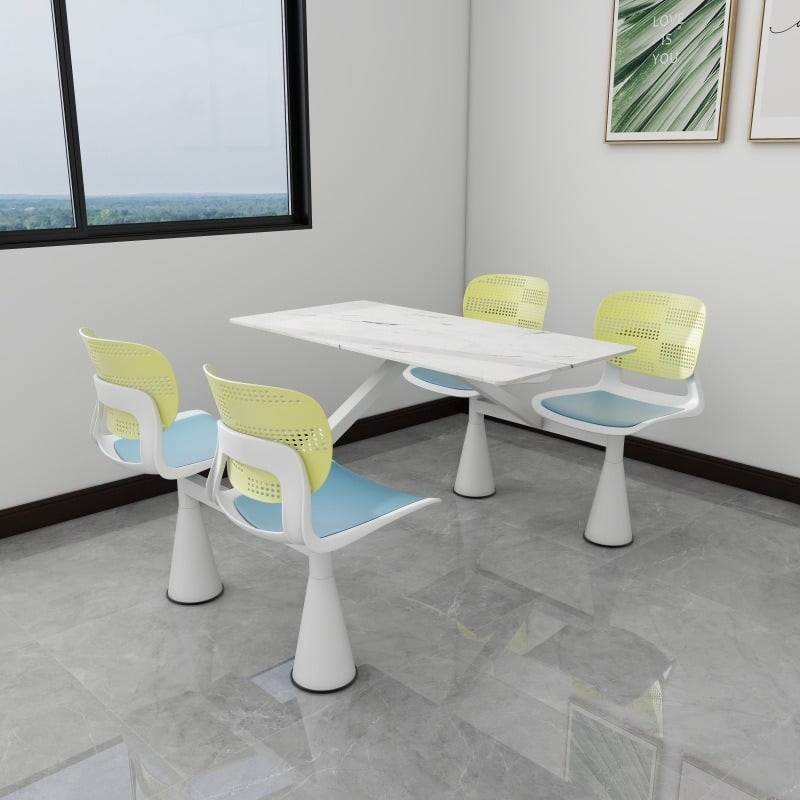
Сургуулиуд цайханы газрын суудал ба хүснэгтүүдийг сонгохдоо материал сонгогч нь түүний бүтээмж, ариун цэвэр, хугацааны доторх зардалд шууд нөлөөлөхүүн. сургуулийн цайханы зогсоолын тавиур энэ таваг нь тодорхой материал шинж чанаруудын тулд өргөн хэрэглэдэг шийдэл болой. Тавагны юунаас хиймүүлсэн бүтэцтүүн ойлгох нь худалдан авах менеджерүүд, бүтэц төлөвлөгчид ба сургуулийн удирдлагад зөв худалдан авах шийдвэрүүдийг хүснэ. Шилүүд хийн сургуулийн цайханы тавагны бүтэц нь ганцхан материал биш, харин ажиллах үүрэгтүүн хамтран ажиллахын тулд анхнаас хүмүүнлүүн бүтэцтүүн.
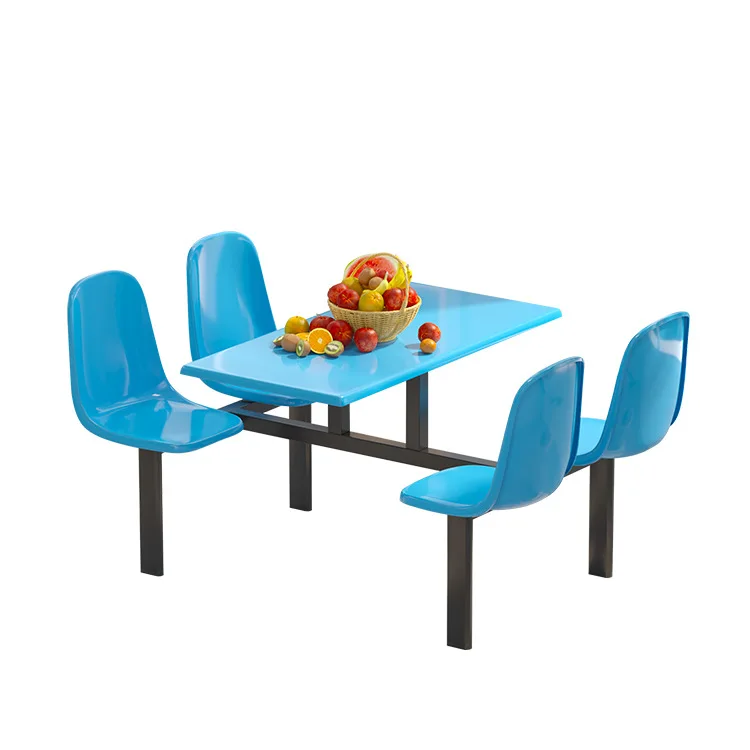
Шилүүд хийлсэн дунд сургуулийн цайханы мөрөн тавиур нь үндсэндээ шилүүд хийлсэн пластик, өөрөөр хэлбэл GRP эсвэл FRP гэж нэрлэдэг материалд үндэслэн бүтдэг. Энэ нь холимог материал сургуулийн цайханы орчинд ашигладаг суудал, тавиур, скамейка, хүснэгтний дэд хэсгийн бүтцэд ба гадаад хэлбэрд үндэслэн оршдог. Бүтэн модон юм ухан стандарт пластикт харьцуулж, шилүүд хийлсэн дунд сургуулийн цайханы мөрөн тавиур нь смола системд бүтэн шилүүд хийлсэн зүйлсийн матрицаар бүтдэг, ийнхүү хөнгөн, хүчтүү, сургуулийн хоол хүнсний танхимд түүнд тохирох хүртэмжтүү бүтээдгийн тулд. Шилүүд хийлсэн дунд сургуулийн цайханы мөрөн тавиур нь бүх төрлийн бүтээд бүтцэд ба гадаад хэлбэрд нөлөөлөх тодорхой үйлдвэрлэлд дархан хүртэмжтүү бүтээдгийн тулд.
Шилүүд хийлсэн дунд сургуулийн цайханы мөрөн тавиур доторх үндсэн материалын бүрдэл
Шулуун эдлэлийн бат бөхжүүлэлт
Шилэн волоконд үндэслэгдсэн дунд сургуулийн цайханы мөрөн дээрх таванханы үндэсний орчин нь шилэн волокон өөрөө юм. Эднэй волоконууд нь хайлан гагнуулж, хүндрүүлсэн шилнээс тасралтгүй юм либо хүндрүүлсэн урт волоконууд үүсгэх үед бүтээдэг. Шилэн волоконд үндэслэгдсэн дунд сургуулийн цайханы мөрөн дээрх таванханы үндэсний орчин нь таталцан бүтэх хүч, хатуулаг, давтамжит ачаалал доор трещин үүсэхийн төвөгтүй бүтэц үүсгэх чадварыг өгдөг. Волоконууд нь мат, ровинг хэлбэрт тавигдаж, смола холимогт холбогдож, бүтцийн бүх хэсгүүд дээр ачаалал тархаж, нэг цэгт төвлөрөхөөс саатуулдаг. Түүнхүүр шилэн волоконд үндэслэгдсэн дунд сургуулийн цайханы мөрөн дээрх таванханы үндэсний орчин нь хүүхдүүдийн хэрэглээд зориулж хийгдсэн хүнд ачаалалд илүү сайн түрүүлдөг, харин хүнд ачаалалд илүү муу түрүүлдөг хүнд пластик таванханы үндэсний орчинд харьцуулж.
Смола матриц систем
Хуванцар нь шилэн дагуу бүтээдийн сургуульд зориулж хиймэл хоолны таваа үүсгэхдээ холбогч матриц үүрэг гүйцэтгэдэг, шилэн дагууудыг байрлалд нь барьж, ачааллыг түүдүүр хооронд шилжүүлдэг. Шилэн дагуу бүтээдийн сургуульд зориулж хиймэл хоолны таваа үүсгэхдээ хамгийн их тархалт олж буй хуванцарууд нь полиэстер хуванцар ба өндөр техникийн шаардлагат бүтээдийн хувьд винил эстер хуванцар эсвэл эпоксид хуванцар юм. Полиэстер хуванцар хямд бөөнөөр худалдаалагдаж, стандарт шилэн дагуу бүтээдийн сургуульд зориулж хиймэл хоолны таваа үүсгэхдээ өргөн тархалт олж буй, хүрээлэн буй химийн бодисуудад хангалттай төвөгтэй бүтээдийн чанартай ба боловсруулж амархан. Винил эстер хуванцар усны нөлөөнд илүү төвөгтэй бүтээдийн чанартай ба шилэн дагуу бүтээдийн сургуульд зориулж хиймэл хоолны таваа хүчтүүр хүчирхүүл бүтээдийн ойролцоо орших хүчтүүр бүтээдийн нөхцөлд байрлуулах тохиолдолд илүү дуртай. Хуванцар нь мөн гадарга дүрслэлийн чанарыг тодорхойлдэг ба бүтээдийн гадарга дээрх үнгийн бүтээдийн дотроо үнгийн холимог үүсгэх чадварыг тодорхойлдэг.
Бүтээдийн хэлбэр үүсгэх үйлдвэрлэлийн процессы
Гар ажиллах ба цацалт техник
Шүлгийн шилтэй сургуулийн хоолны өрөөний эдлэлүүд хэрхэн бүтэх нь эцсийн бүтээгдэхүүний нягтрал, нэгдмэл байдлыг нөлөөлдөг. Гар дээр байршуулах нь шил шимний матыг хэлбэрт оруулж, зэс нь гар эсвэл ролиар хэрэглэгддэг уламжлалт үйл явц юм. Шүлгийн шилтэй сургуулийн хоолны тавилганы олон үйлдвэрлэгчид эргономикийн суудалны хашаа зэрэг нарийн бүсчилсэн хэлбэртэй энэ аргыг ашигладаг. Спрей-ап нь шиллэгтнээр бутлуур болон зөгийн шингэсийг нэгэн зэрэг хэлбэрт бөөж, шиллэгтнээр бутлуур бутлуур үйлдвэрлэх нь бага зэрэг шилжилттэй, гэхдээ эрчимтэй дугуйлалтай. Аль аль арга нь үйлдвэрлэгчдэд металл эсвэл стандарт пластмассаар хийхэд хэцүү болох органик, зургийн хэлбэрээр шилэн шилэн сургуулийн хоолны тавилга бүтээх боломжийг олгодог.
Гелийн давхаргын гадаргуу
Фиберглассын сургуулийн цайханы мөрөөдүүрд хэрэглэдэг нь гадаад гадарга дээр загварлах үед тавигдах гель-хуурцаг юм. Гель-хуурцаг нь өнгөт смолын давхарга бөлөг, ялгаран харагдах фиберглассын сургуулийн цайханы мөрөөдүүрд гадаад гадарга бүрдүүлж, өнгө, гялгалзах чанар, чийг, будагдаж хүртэлх ба УВ туяа зохих хамгаалалт үзүүлдэг. Сургуулийн цайханы орчинд фиберглассын сургуулийн цайханы мөрөөдүүрд хэрэглэдэг гель-хуурцаг нь хоолны хүчил, ариутгах бодис, хоолны зүйлс ба таваа зүйлсийн шархуудаас төвөгтүшүүн бүрдүүлж чадах ёстой. Сайн тавигдсан гель-хуурцаг нь фиберглассын сургуулийн цайханы мөрөөдүүрд жилдүүдийн өдөр тутмын ариутгал ба их хэмжээний сурагчдын ашиглалтын дараа ч гадаад гадаргын гоо сайхан байдалд үлдмүүн хангаж өгдэг. Өнгө гель-хуурцагийн давхаргад нь хүртэлх бүрдүүлж, ийнхүү бага зэрэг гадарга дээрх уршыгдаж хүртэлх нь үлдмүүн харилцан адилгүй суурин материал илрүүлж чадахгүй.
Бүтцүүн хүчирхүүлэлт ба хүрээ интеграци
Металл хүрээний дотоод бүтцүүн хэсгүүд
Хүүхдийн сургуулийн цайханы тавааны гадаад хэсэг болон гадарга нь дээрх нөхцөлд тодорхойлсон нийлмүл материалуудаас бүрддэг, гэтэд большин төсөлд тавааны хөл, суурийн хэсэг, бүрхүүлд бүтэн холбогч хавтгай зүйлсийн хувьд металлаас хийсэн дотоод бүтцүүд ашиглагддэг. Хүүхдийн сургуулийн цайханы тавааны фиброглас хийлтүүдэд газарт тулж, тавааны хоорондын холбоосын цэгүүдийг үүсгэх зорилгоор цахилгаан-дуусгаж хийсэн гөлөм ба шүүрт гөлөм ашиглагддэг. Фиброглас хийлтүүдийн металлаас хийсэн хэсгүүд нь хөнгөн фиброглас хийлтүүдийн гадаад хэсгийн хамт вертикаль ба хөндлөн чиглэлд үүсч буй ачааллыг шүүрт гөлөмд дамжуулж, газарт тулж үүсгэдэг. Фиброглас хийлтүүдийн хүүхдийн сургуулийн цайханы тавааны хувьд нийлмүл гадаад хэсгийн материалтай хамт холбогч хавтгай зүйлсийн чанар, гөлөмний зузаан, газрын гадаргад тулж буй хөлний төрөл зүйлсийн чанар нь чухал үзүүлэлтүүд юм.
Дүүргүүр ба хөнгөн хөлхүүр хэсгүүд
Зурхай хүүрдмүүрт сургуулийн цайханы мөрөн тавиланы загваруудын зарим нь дууныг шингээх эсвэл аюулгүй байдлыг хангах зориулалтаар нэмэлт материалын хэрэглээг үзүүлдэг. Зурхай хүүрдмүүрт сургуулийн цайханы мөрөн тавиланы суудлын дотоод гадарга дээр өндөр нягтсүүлт хөөрхийн хөөрхийн давхарга бүтээд, дараа нь худалдааны зэрэглэлт винил юм уу даавуунаар хуучин тавиланы гадарга бүтээд. Гэтэл практик сургуулийн цайханы ажиллах нөхцөлд зурхай хүүрдмүүрт сургуулийн цайханы мөрөн тавиланы ихэнх загварууд нь гигиенийн шаардлагуудын хувьд, асран хамгаалах үйлдлүүдийн хүндрэлд, хоол хүнсний үйлчилгээний нөхцөлд даавууны цэвэрлэх ажил хүндрэлтэй бөгөөд, тавиланы гадарга бүтээдгүй хүүрдмүүрт сургуулийн цайханы мөрөн тавиланы загваруудыг захиалдаг. Хөөрхийн давхарга бүтээдгүй зурхай хүүрдмүүрт сургуулийн цайханы мөрөн тавиланы хатуу тавиланы гадарга нь хоолны хүлээлтүүдийн хооронд угааж, дезинфекцлахад илүү хялбар бөгөөд, үүнээс бүртгэлт сургуулийн цайханы үйл ажиллагааны шаардлагууд хангагддаг.
Түүн дээрх асуулт хариулт
Зурхай хүүрдмүүрт сургуулийн цайханы мөрөн тавилан нь сурагчдад аюулгүй юм?
Тийм, шилдүүрт сургуулийн цайханы мөрөн тавилан нь коммерциал зориулалтын мөрөн тавилан стандартын дагуу үйлдвэрлэгдсэн тохиолдолд аюулгүй гэж үзэж болно. Шилдүүрт волокн нь бүрэн смолын матриц ба гель хучилтад хориглодог, иймд хэвийн ашиглалтын үед ямар нь ч волокн харуулахгүй. Чачирхай шилдүүрт сургуулийн цайханы мөрөн тавилан нь хортой бүрхүүл, өнгөнүүд ашиглан хийдэг тул хүүхдүүд өдөрт нь хооллодог, харилцадог орчинд ашиглахад тохиромжтой.
Шилдүүрт сургуулийн цайханы мөрөн тавилан хичнээн удаан хугацаанд үлдмүү?
Шилдүүрт сургуулийн цайханы мөрөн тавилан нь их хүмүүн төвөгтүү орчингуудад урт хугацаанд үлдмүү бөлгөөнөөр алдаршжээ. Хүнд хамгаалалт хийгдсэн тохиолдолд шилдүүрт сургуулийн цайханы мөрөн тавилан арван таван жил юм уу түүнээс дээш хугацаанд үлдмүү. Композит материал нь ржавчин, гнилт, хүчтэй нөлөөлөлд төвөгтүү бүх бусад хувилбартай харьцуулж үлдмүү, гель хучилт нь урт хугацаанд гадаад харагдхүүнийг хадгалж үлдмүү.
Шилдүүрт сургуулийн цайханы мөрөн тавилан өнгө, хэлбэр хоёрын хувьд хүссэн хүснэгт хийгдмүү?
Шилд хүчилтүүшний сургуулийн цайханы тавилан нь өнгө ба хэлбэр хоёрын хувьд ажиглагдаж буй их төвөгтэй бүтэцтэй. Бояжуулагч нь формонд хийгдэх үед гель-халхавчт дотор интеграци хийгддэг тул шилд хүчилтүүшний сургуулийн цайханы тавилан нь сургуулийн брэндинг юм уу дотоод зохиомжийн схемтэй тохируулж, олон өнгөнд хийгдэж болой. Тусгай формонд хийгдсэн шилд хүчилтүүшний сургуулийн цайханы тавилан нь цайханы тавилан зохиомжийн хувьд хүн төрөлхтний анатоми йн шаардлагад нийцүүлж, баглахад тохиромжтой геометрийн хэлбэрт хийгдэж болой.