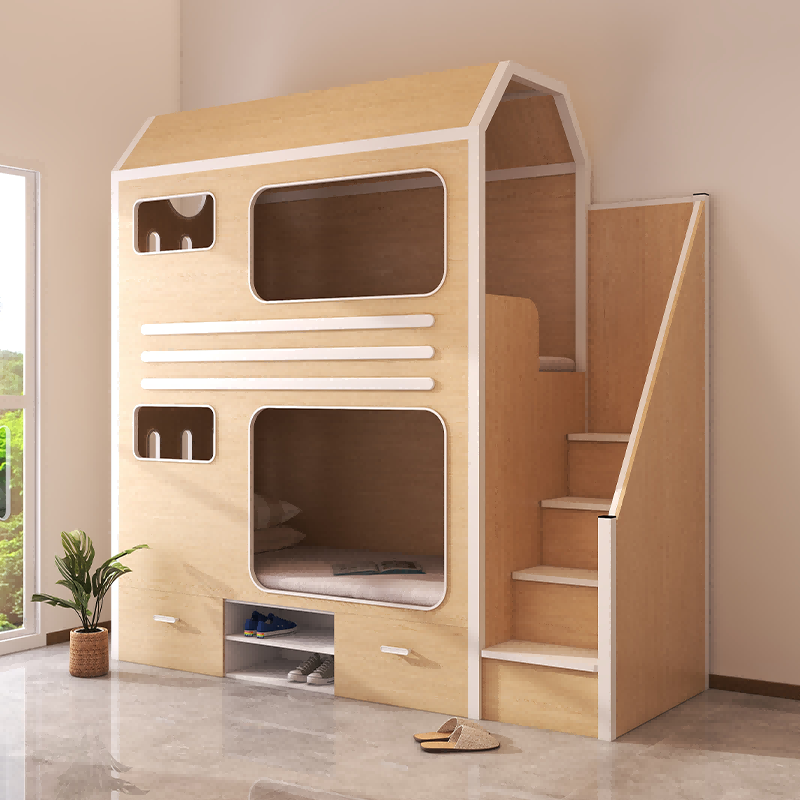
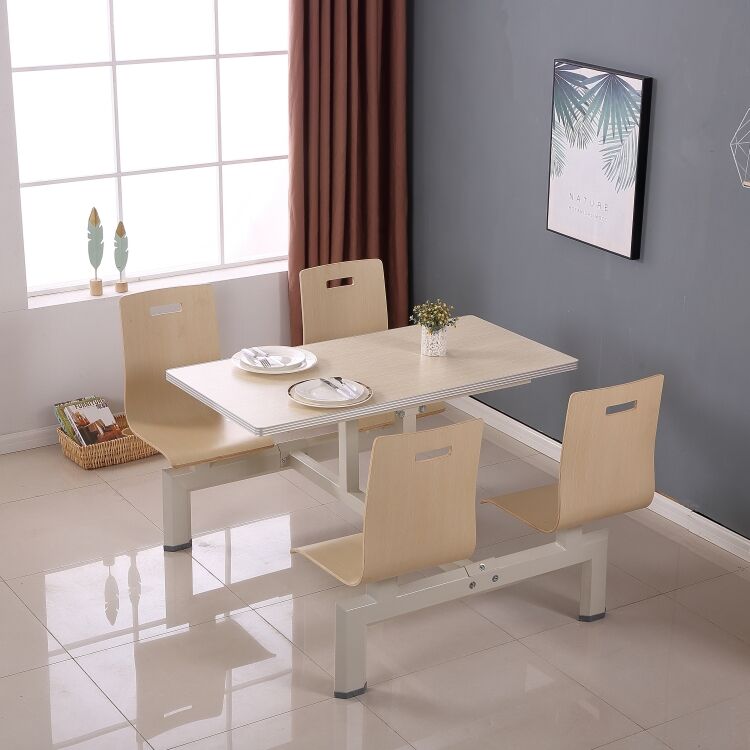
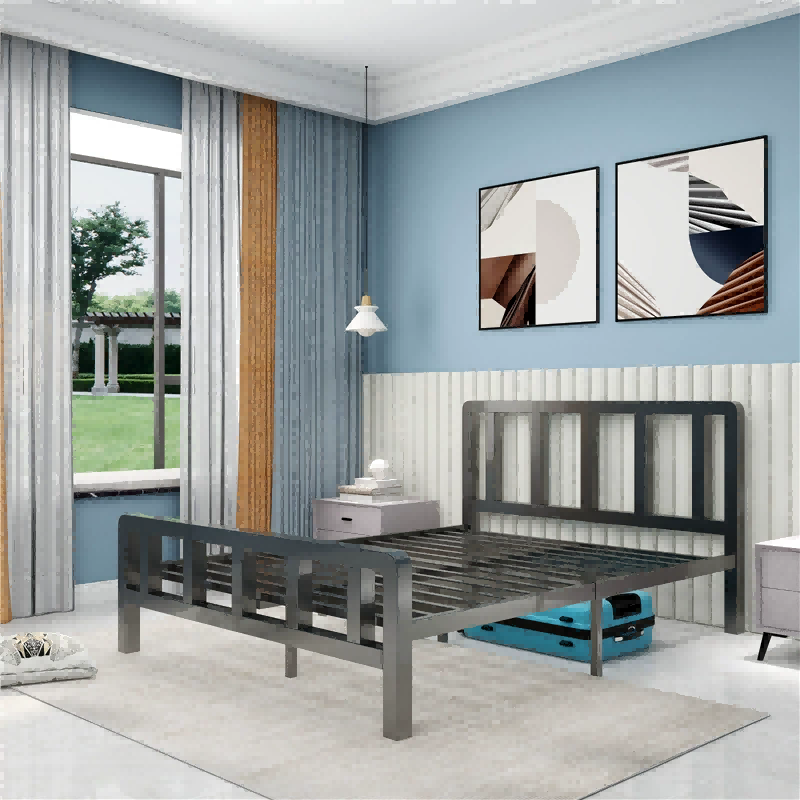
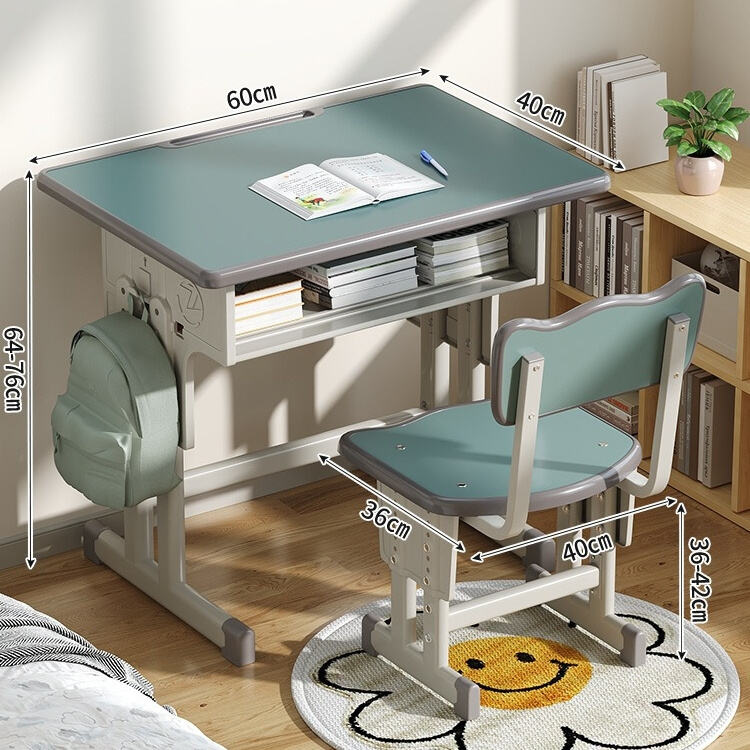
table and chair manufacturer
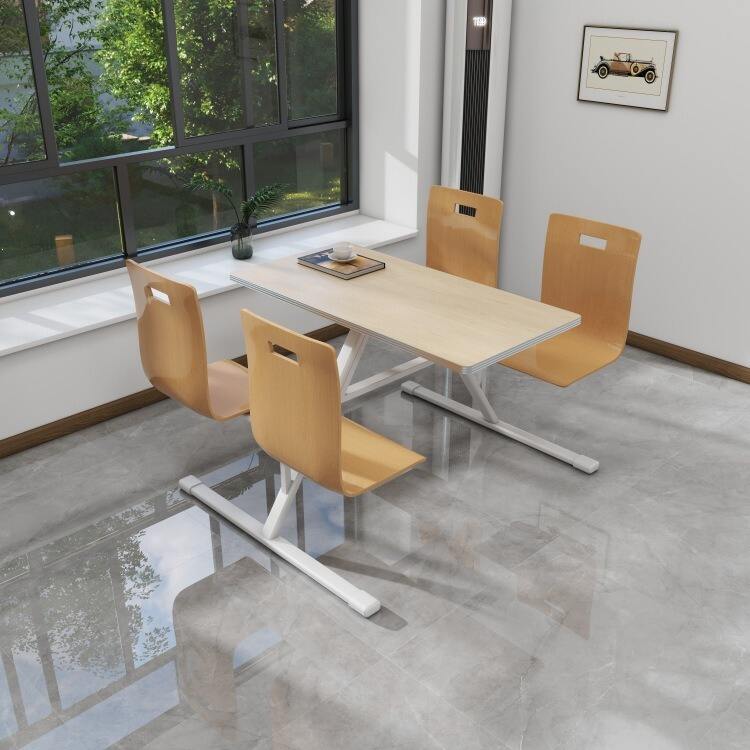
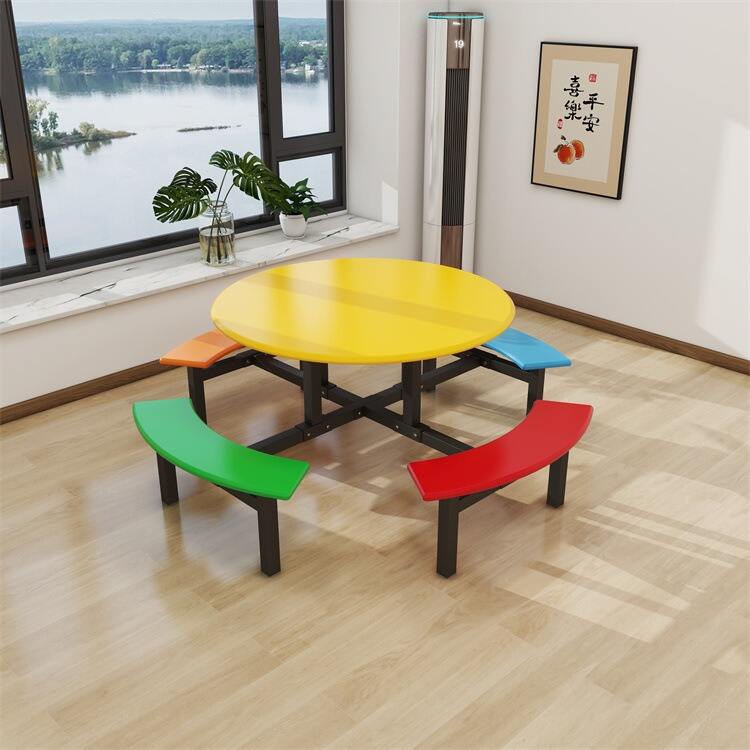
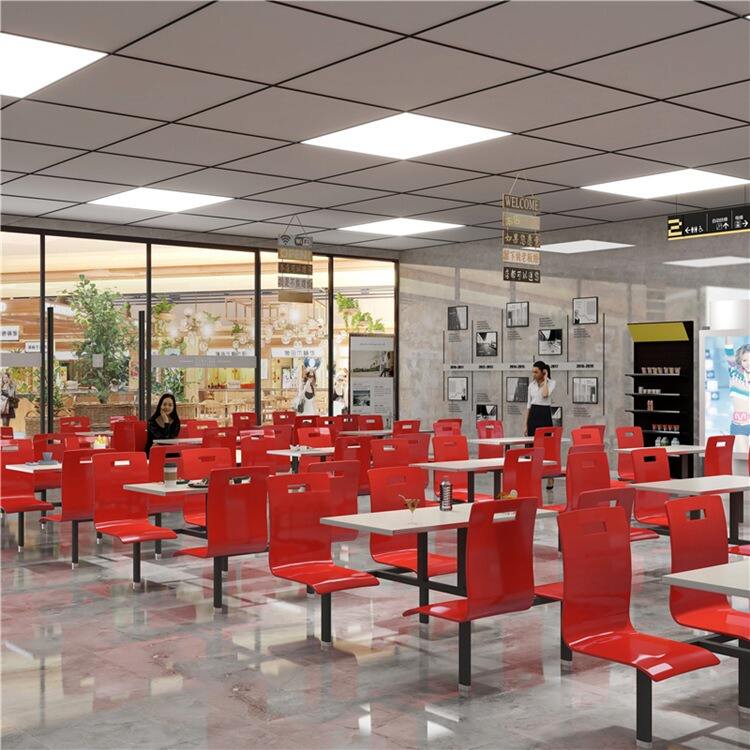
A table and chair manufacturer represents a specialized industrial enterprise dedicated to designing, producing, and distributing seating and surface furniture solutions for diverse market segments. These manufacturers operate sophisticated production facilities equipped with advanced machinery, skilled craftspeople, and comprehensive quality control systems to create furniture pieces that meet varying consumer demands. The primary function of a table and chair manufacturer encompasses the entire production cycle, from initial design conceptualization through material sourcing, manufacturing processes, finishing treatments, and final product distribution. Modern table and chair manufacturer facilities integrate cutting-edge technologies including computer-aided design software, automated cutting systems, precision molding equipment, and robotic assembly lines to enhance production efficiency and product consistency. The technological features employed by leading table and chair manufacturer companies include advanced wood processing machinery, metal fabrication equipment, upholstery automation systems, and sophisticated finishing stations that apply protective coatings, stains, and decorative elements. Quality assurance protocols within table and chair manufacturer operations involve rigorous testing procedures for structural integrity, durability assessments, ergonomic evaluations, and compliance verification with international safety standards. The applications for products from a table and chair manufacturer span residential markets, commercial establishments, educational institutions, healthcare facilities, hospitality venues, and office environments. Each application requires specific design considerations, material selections, and performance characteristics tailored to intended usage patterns and environmental conditions. Contemporary table and chair manufacturer enterprises emphasize sustainable practices, incorporating eco-friendly materials, energy-efficient production methods, and waste reduction strategies throughout their operations to minimize environmental impact while maintaining product quality and competitive pricing structures.

 EN
EN