
 EN
EN
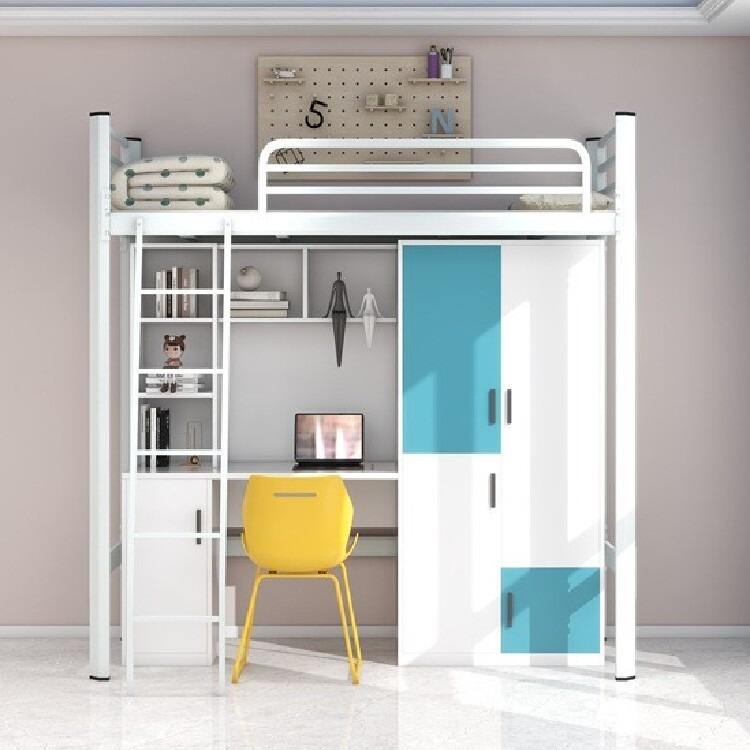
Maximizing Living Space in College Housing
College life brings exciting opportunities, but dormitory living often means making the most of limited square footage. The 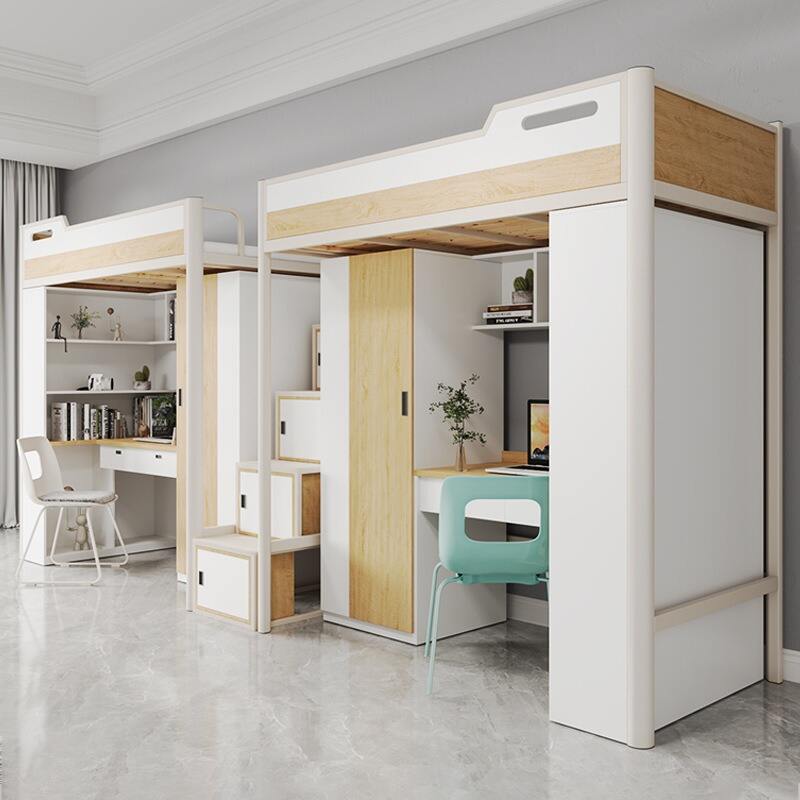 becomes not just a place to sleep, but the centerpiece of a student's personal space. Understanding how to optimize this essential piece of furniture can transform a cramped room into a functional, comfortable haven.
Today's innovative solutions go far beyond the traditional bunk bed setup, offering students creative ways to study, socialize, and rest in their compact living spaces. From multi-functional furniture to clever storage integrations, modern dormitory bed designs prioritize both practicality and comfort.
Smart Storage Integration
Under-Bed Storage Systems
The space beneath a dormitory bed represents valuable real estate in a small room. Modern bed frames often come with built-in drawers or space for storage containers. Students can utilize this area for seasonal clothing, textbooks, or extra supplies. Some designs feature hydraulic lifts, making it easier to access items stored underneath.
To maximize this space, consider using vacuum storage bags and clear containers with labels. This organization method keeps belongings dust-free while maintaining easy visibility and access to stored items.
Integrated Shelving Solutions
Many contemporary dormitory bed designs incorporate shelving units into the frame itself. These can range from simple headboard shelves to entire wall units that connect to the bed structure. This integration eliminates the need for separate bookcases or nightstands, freeing up valuable floor space.
Strategic shelf placement allows students to keep frequently used items within arm's reach while sleeping or studying. Some designs even include built-in lighting options, perfect for late-night reading or early morning preparation.
Vertical Space Optimization
Lofted Bed Arrangements
Lofting a dormitory bed creates an entirely new functional space underneath. This elevated setup can accommodate a desk, mini lounge area, or additional storage solutions. The key to successful lofting lies in choosing a sturdy frame and ensuring proper installation.
Many universities provide approved lofting kits designed specifically for their dormitory beds. These kits typically include safety rails and stable support systems, ensuring both security and functionality.
Multi-Level Living Zones
Beyond simple lofting, some dormitory bed solutions create distinct living zones within the vertical space. A mid-height loft might feature a compact study nook underneath, while still maintaining enough headroom for comfortable sleeping above. This arrangement effectively doubles the usable space in a single room.
Consider adding curtains or sliding panels to create privacy between zones, allowing for better separation of sleep and study areas.
Multifunctional Furniture Integration
Convertible Bed Systems
Modern dormitory bed designs often include convertible features that adapt to different daily activities. Murphy beds that fold into wall units, or daybeds that transform into seating areas, provide versatility in tight spaces. These solutions allow students to maximize their living area during waking hours.
The key to successful convertible furniture lies in smooth operation and durability. Quality hardware ensures easy transitions between configurations, while robust construction withstands frequent use.
Study-Sleep Combinations
Innovative dormitory bed designs now incorporate dedicated study spaces without sacrificing comfort. Built-in desks that slide out from the bed frame or attach to the side provide convenient workstations. Some models feature adjustable components that can be repositioned throughout the day.
These integrated solutions often include cable management systems and power outlets, creating organized, functional workspaces within the bed unit itself.
Aesthetic and Comfort Considerations
Style Integration
While functionality remains paramount, modern dormitory bed solutions also prioritize aesthetic appeal. Clean lines, contemporary materials, and customizable elements allow students to express their personal style while maintaining practicality.
Color coordination and modular components help create a cohesive look, turning necessary furniture into design features. Many systems offer interchangeable parts or accessories to update the appearance without replacing the entire unit.
Comfort Enhancement Features
Space-saving shouldn't mean sacrificing comfort. Today's dormitory bed solutions incorporate ergonomic considerations and quality materials. Adjustable mattress supports, built-in reading lights, and charging stations enhance the user experience.
Some designs feature noise-reducing elements or privacy screens, particularly beneficial in shared room situations. These thoughtful additions improve sleep quality and overall living comfort.
Frequently Asked Questions
How much weight can a lofted dormitory bed typically support?
Standard dormitory bed frames, when properly lofted, can typically support between 200-400 pounds. However, specific weight capacities vary by manufacturer and model. Always consult your university's housing department or the bed manufacturer's specifications for exact weight limits and safety guidelines.
What tools are needed to modify a dormitory bed setup?
Most dormitory bed modifications require basic tools like an adjustable wrench, screwdriver, and Allen key. However, many universities restrict personal modifications and require maintenance staff to make approved changes. Check your housing policies before attempting any bed modifications.
Can dormitory beds be customized with personal accessories?
Most dormitory beds allow for some customization through removable accessories like bed skirts, headboard organizers, and clip-on lights. However, permanent modifications are typically prohibited. Focus on removable solutions that won't damage the bed frame or violate housing regulations.