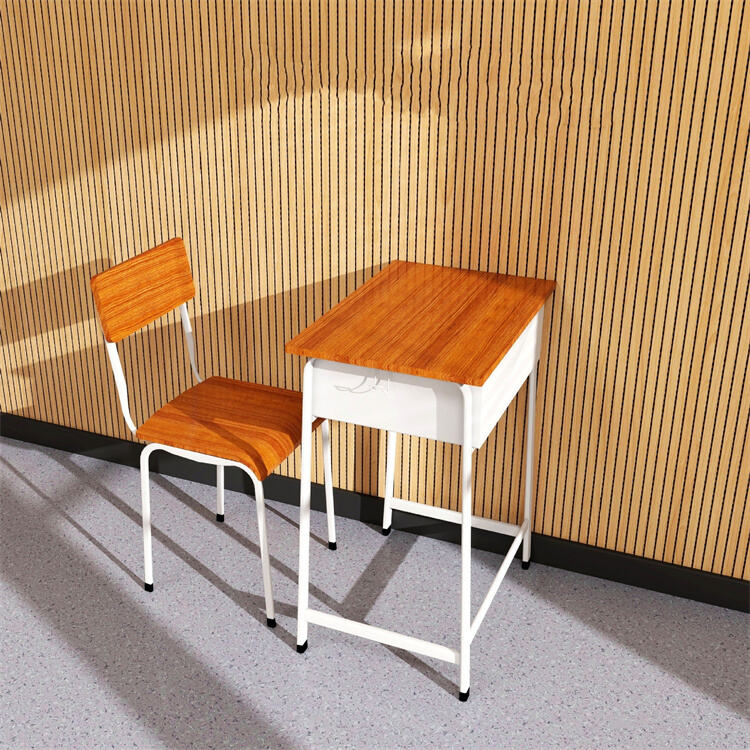
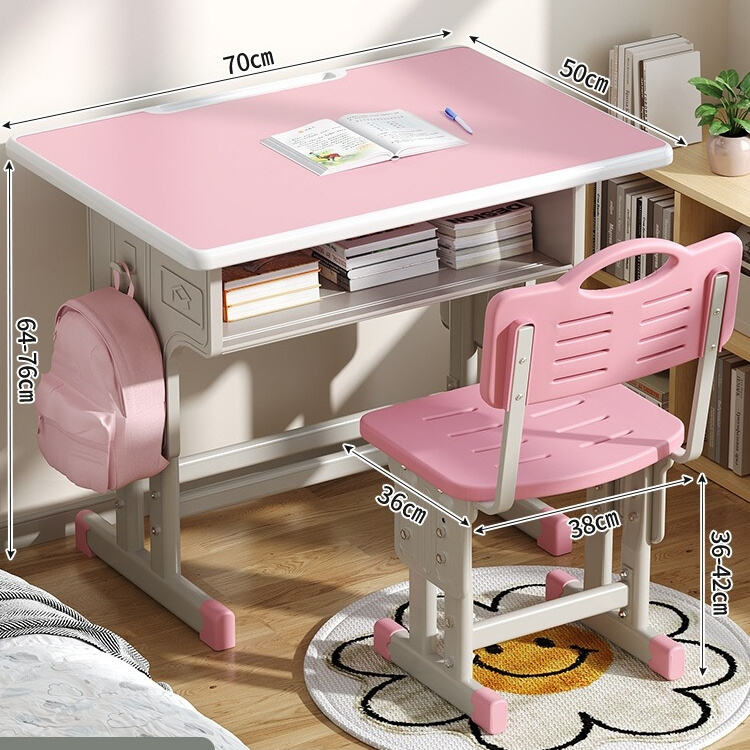
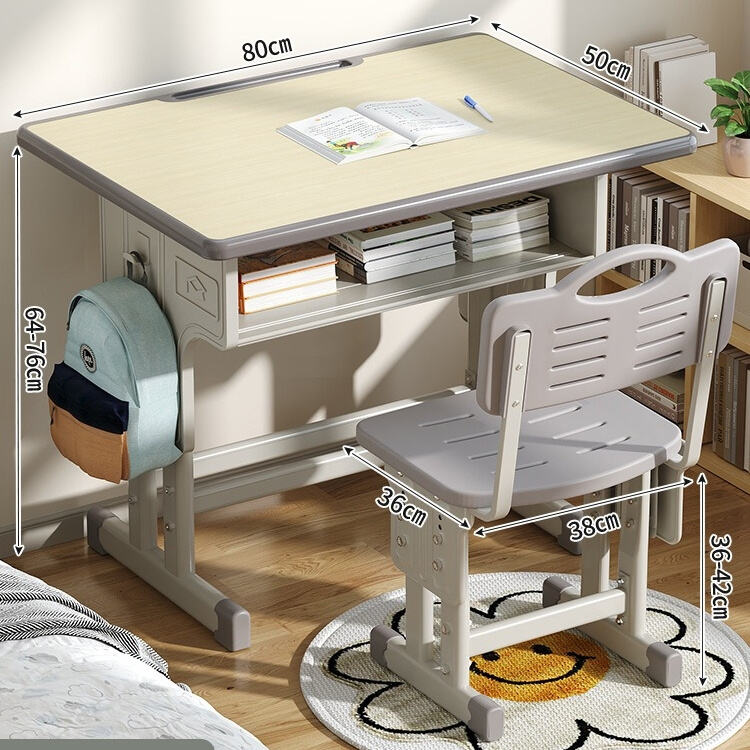
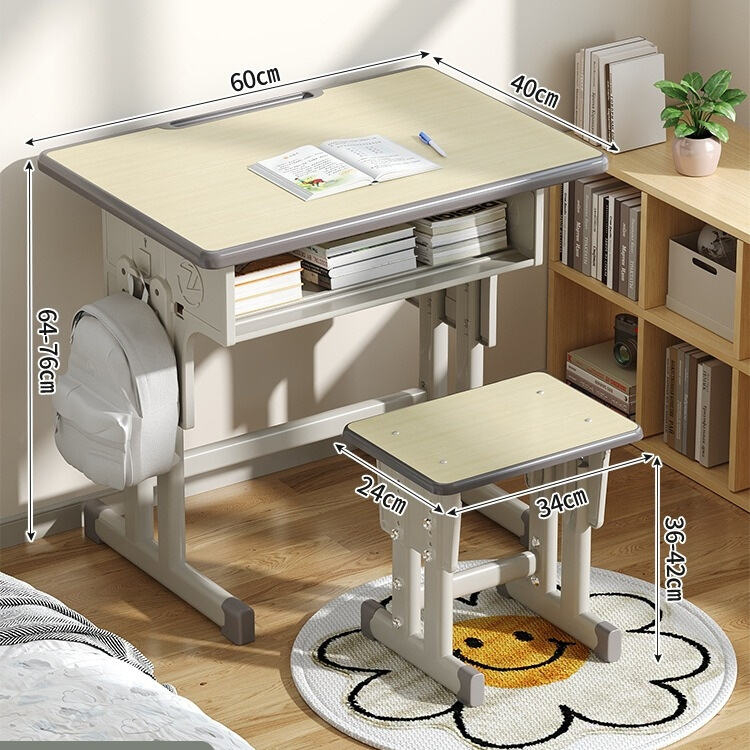
height adjustable study table for students
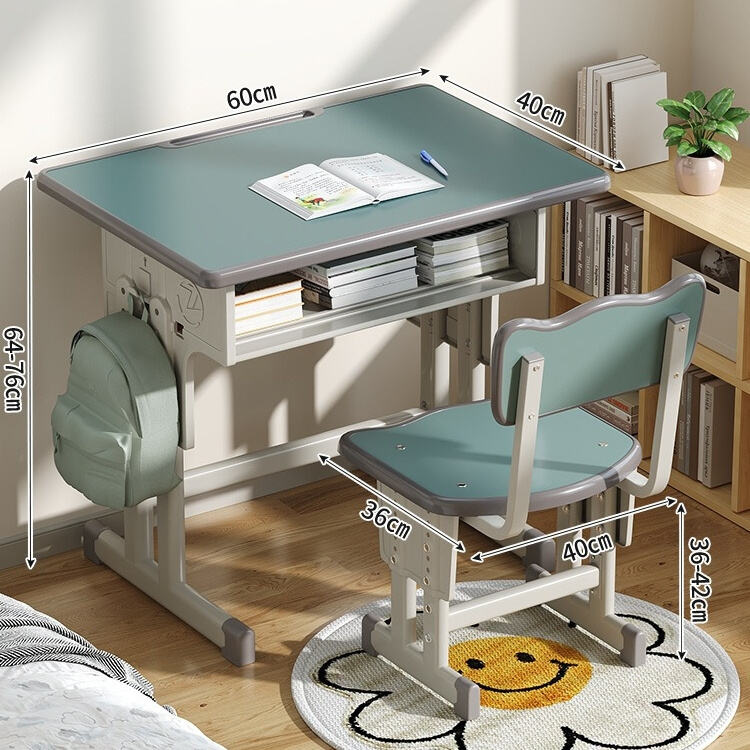
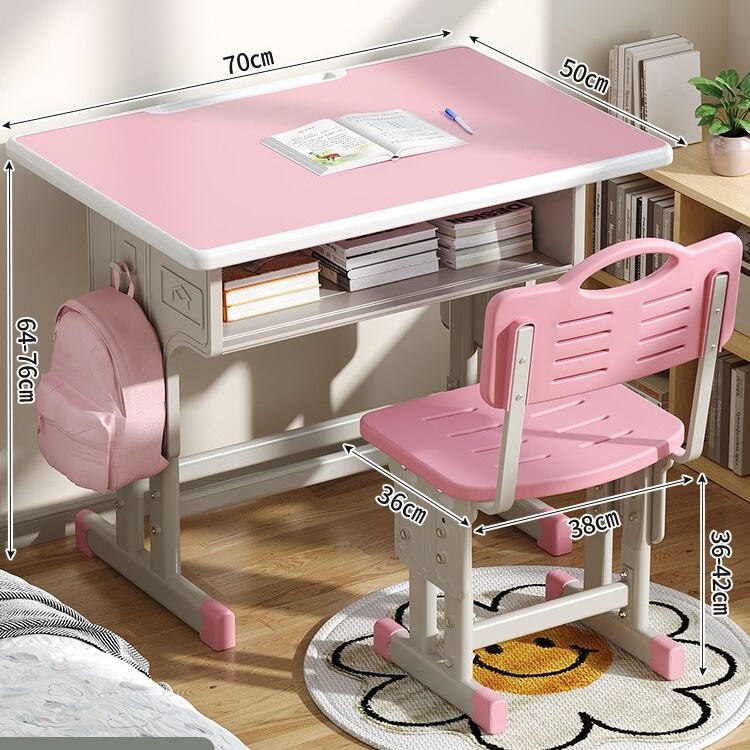
A height adjustable study table for students represents a revolutionary approach to creating optimal learning environments that adapt to growing children and diverse study needs. This innovative furniture solution combines ergonomic design principles with practical functionality, offering students the ability to customize their workspace according to their physical requirements and learning preferences. The height adjustable study table for students features a sophisticated mechanism that allows seamless transitions between different height settings, typically ranging from 22 to 30 inches, accommodating students from elementary through high school ages. The core functionality revolves around a pneumatic or manual adjustment system that enables quick modifications without requiring tools or complex procedures. Advanced models incorporate electric motors for effortless height transitions at the touch of a button. The table surface typically measures between 47 to 55 inches in width and 23 to 27 inches in depth, providing ample space for textbooks, laptops, writing materials, and study accessories. Technological features include integrated cable management systems that keep charging cables and electronic device connections organized and accessible. Many models feature built-in USB charging ports, LED lighting strips with adjustable brightness levels, and smartphone holders positioned at optimal viewing angles. The construction materials prioritize durability and safety, utilizing high-grade steel frames with powder-coated finishes that resist scratches and corrosion. Desktop surfaces employ engineered wood or high-pressure laminate that withstands daily wear while maintaining a smooth writing surface. Applications extend beyond traditional homework completion to encompass digital learning activities, creative projects, STEM experiments, and collaborative group work. The versatility makes these tables suitable for bedroom studies, dedicated homework areas, shared family spaces, and even classroom environments where individual student needs vary significantly.

 EN
EN