Professional Bunk Bed Factory: Advanced Manufacturing, Safety Standards & Sustainable Production Solutions

All Categories

bunk bed factory

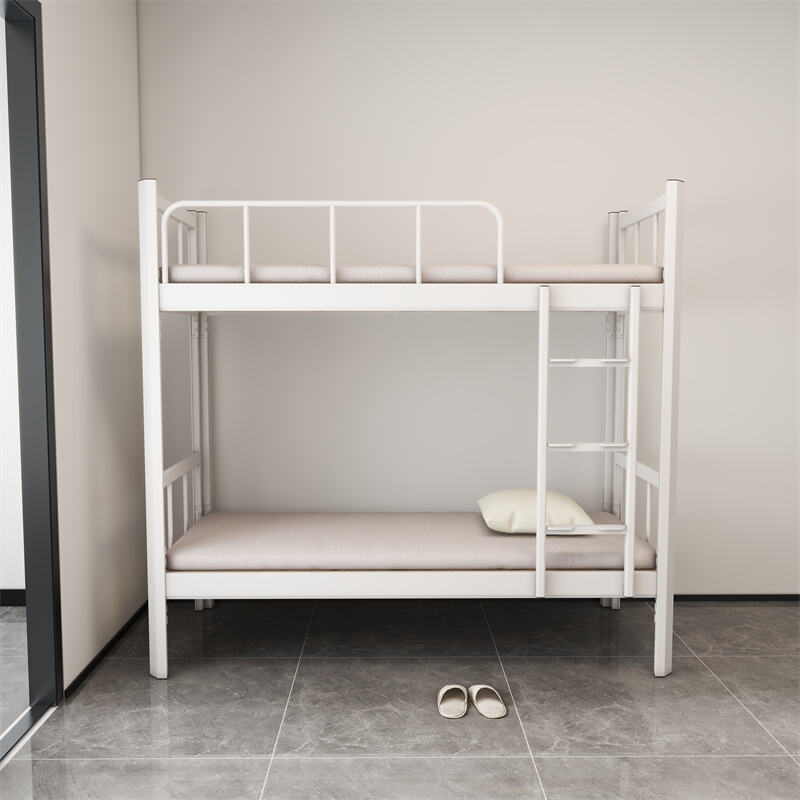
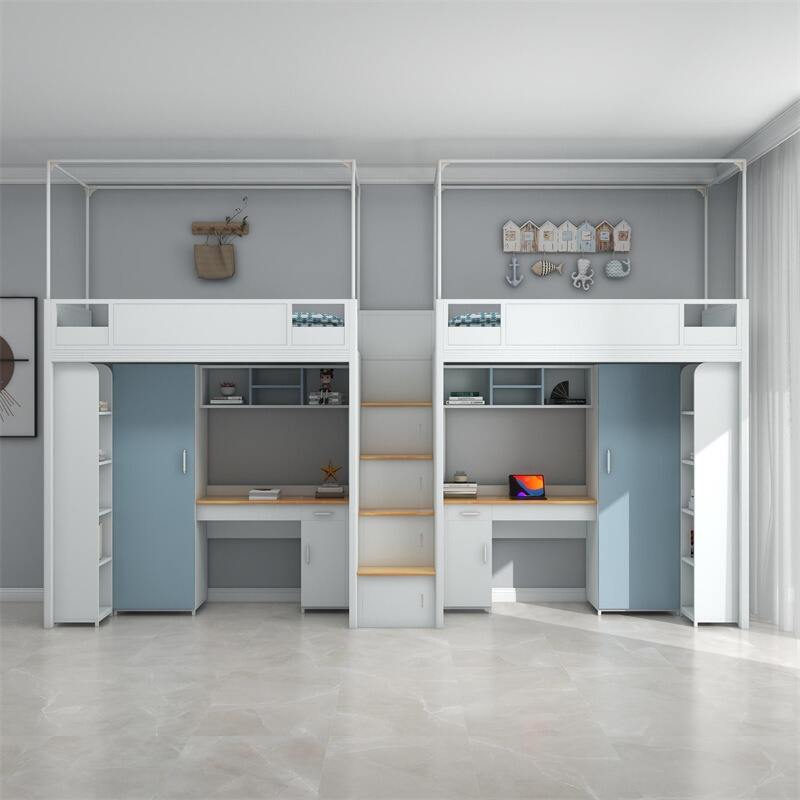
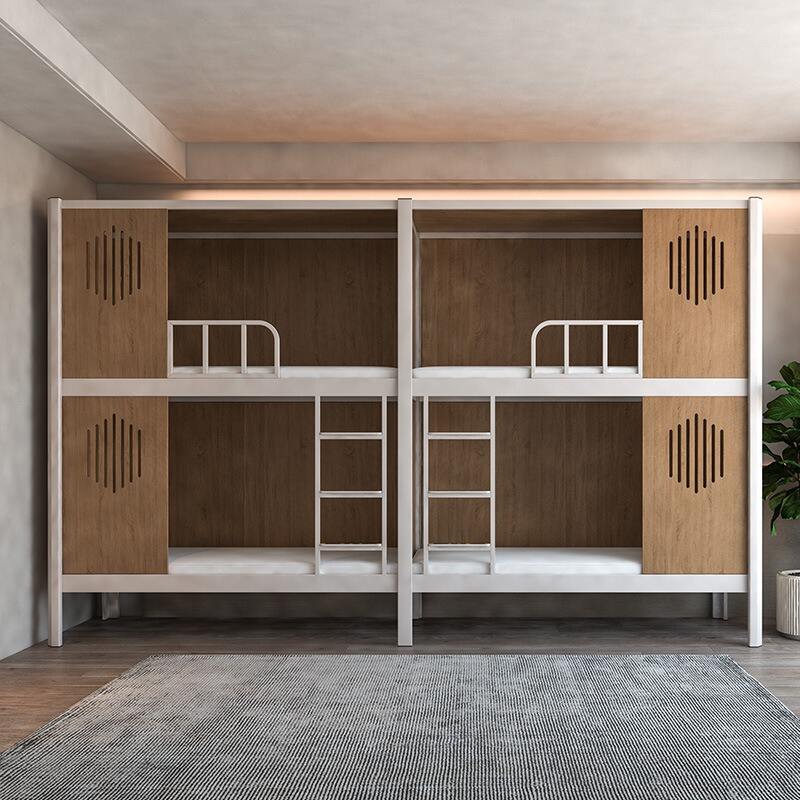
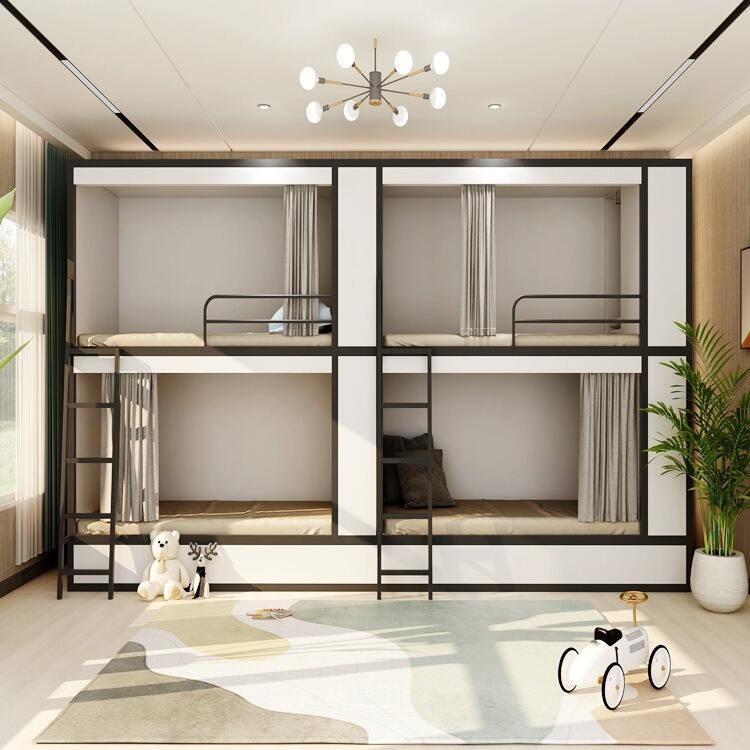
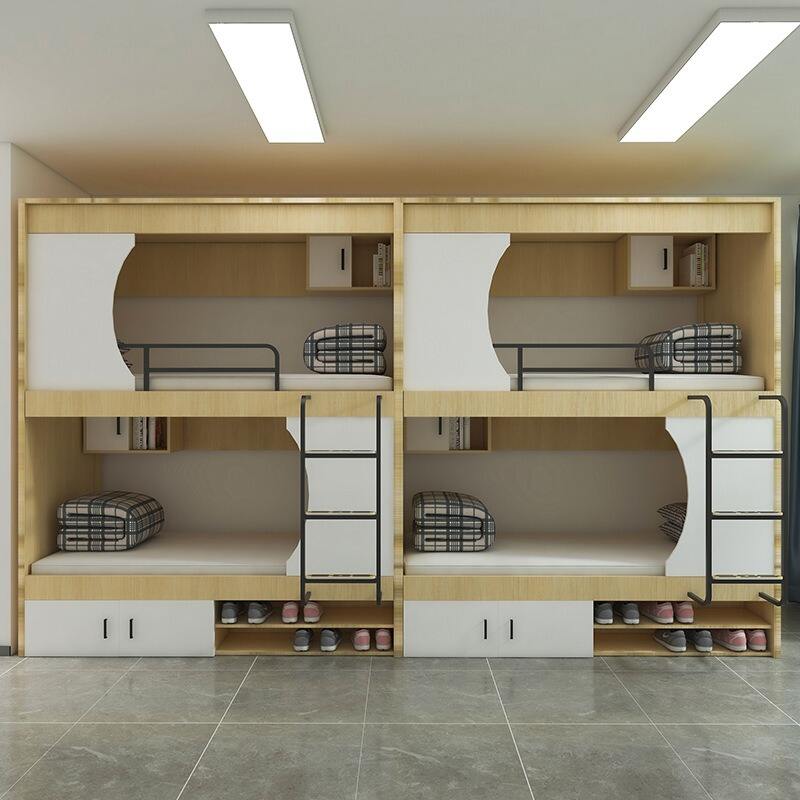
A bunk bed factory represents a specialized manufacturing facility designed to produce space-efficient sleeping solutions for residential, commercial, and institutional markets. These modern production centers combine traditional craftsmanship with cutting-edge technology to create durable, safe, and aesthetically pleasing multi-level sleeping arrangements. The primary function of a bunk bed factory involves transforming raw materials such as solid wood, engineered lumber, metal components, and various finishing materials into finished furniture pieces that maximize vertical space utilization. The manufacturing process encompasses multiple stages, including design development, material preparation, component fabrication, assembly operations, quality control testing, and final packaging for distribution. Advanced bunk bed factory operations integrate computer-aided design systems, precision cutting machinery, automated drilling equipment, and sophisticated finishing lines to ensure consistent product quality and efficient production workflows. Modern facilities incorporate lean manufacturing principles, reducing waste while optimizing production timelines and resource allocation. The technological infrastructure typically includes CNC routing machines for precise component cutting, pneumatic assembly stations for efficient construction processes, and automated spray booths for uniform finish application. Quality assurance protocols ensure each unit meets stringent safety standards, including weight capacity testing, structural integrity verification, and compliance with industry regulations. These facilities serve diverse market segments, producing standard twin-over-twin configurations, full-size combinations, triple bunk arrangements, and custom designs tailored to specific client requirements. The bunk bed factory environment prioritizes worker safety through comprehensive training programs, protective equipment protocols, and ergonomic workstation designs. Production scheduling systems coordinate material procurement, manufacturing sequences, and delivery commitments to maintain optimal inventory levels and customer satisfaction. Environmental considerations drive many facilities to adopt sustainable practices, including responsible sourcing, waste reduction initiatives, and energy-efficient operations that minimize environmental impact while maintaining production excellence.


New Products

The bunk bed factory offers numerous compelling advantages that directly benefit customers seeking quality furniture solutions. Production efficiency stands as a primary benefit, enabling manufacturers to deliver products faster than traditional custom furniture makers. Streamlined operations reduce lead times from weeks to days, ensuring customers receive their orders promptly without compromising quality standards. Cost-effectiveness represents another significant advantage, as factory-scale production reduces per-unit manufacturing costs through bulk material purchasing, optimized labor allocation, and efficient equipment utilization. These savings translate directly into competitive pricing for end consumers, making quality bunk beds accessible to broader market segments. Quality consistency emerges as a crucial benefit, with standardized production processes ensuring each unit meets identical specifications and performance standards. Factory-controlled environments eliminate variables that might affect product quality, such as weather conditions, inconsistent material sources, or varying skill levels among individual craftsmen. Advanced machinery and precision tooling guarantee accurate dimensions, smooth finishes, and reliable joint construction across entire production runs. Safety compliance receives paramount attention, with dedicated quality assurance teams conducting rigorous testing on every product batch. Factory protocols ensure compliance with safety regulations, including weight capacity verification, structural stability testing, and material safety standards that protect end users from potential hazards. Customization capabilities allow factories to accommodate specific customer requirements while maintaining production efficiency. Flexible manufacturing systems can adjust to different size specifications, finish options, and design modifications without significantly disrupting production schedules. Innovation acceleration occurs through continuous research and development efforts, with factories investing in new materials, improved construction techniques, and enhanced safety features. Customer service excellence benefits from centralized operations, providing single-point contact for inquiries, order tracking, and after-sales support. Warranty protection and replacement part availability ensure long-term customer satisfaction and product reliability. Supply chain optimization guarantees consistent material availability and predictable delivery schedules, reducing customer uncertainty and project delays.

Practical Tips

How to choose the perfect dining room furniture for your space?

09

Sep

How to choose the perfect dining room furniture for your space?

Creating Your Dream Dining Space: A Complete Guide to Furniture Selection The heart of every home lies in its dining room - a space where families gather, memories are made, and conversations flow freely over delicious meals. Selecting the right dini...
View More
How to Layout Desks and Chairs Reasonably Based on Classroom Space?

26

Sep

How to Layout Desks and Chairs Reasonably Based on Classroom Space?

Creating Optimal Learning Environments Through Strategic Classroom Design The way we arrange classroom furniture has a profound impact on student engagement, learning outcomes, and overall classroom dynamics. A well-planned classroom layout can facil...
View More
2025 Best Dormitory Bed Options for College Students

20

Oct

2025 Best Dormitory Bed Options for College Students

Creating the Perfect Sleep Space in Your College Room The transition to college life brings many changes, and one of the most important aspects is ensuring quality rest in your new living space. A well-chosen dormitory bed can make all the difference...
View More
2025 Best Canteen Table and Chair Sets Buying Guide

20

Oct

2025 Best Canteen Table and Chair Sets Buying Guide

Modern Solutions for Dynamic Dining Spaces Selecting the right canteen table and chair sets has become increasingly critical for institutions looking to create inviting and functional dining spaces. As we approach 2025, the evolving needs of cafeteri...
View More

Get a Free Quote

Our representative will contact you soon.
Email
Mobile
Name
Company Name
WhatsApp
Message
0/1000

bunk bed factory

Advanced Manufacturing Technology Integration

Advanced Manufacturing Technology Integration

Modern bunk bed factory operations leverage state-of-the-art manufacturing technology that revolutionizes traditional furniture production methods. Computer Numerical Control machines form the backbone of precision manufacturing, enabling exact cutting tolerances and consistent component dimensions across thousands of units. These sophisticated systems eliminate human error in critical measurements, ensuring perfect alignment of joints, holes, and structural elements that contribute to overall product safety and durability. Automated routing systems create precise dadoes, rabbets, and other joinery features with microscopic accuracy, resulting in tight-fitting assemblies that enhance structural integrity. Pneumatic assembly stations expedite construction processes while maintaining consistent torque specifications for fasteners, preventing over-tightening that might damage materials or under-tightening that could compromise safety. Digital workflow management systems coordinate every aspect of production, from initial material cutting through final quality inspection, optimizing efficiency while maintaining detailed records for quality traceability. Robotic finishing systems apply stains, paints, and protective coatings with uniform coverage that surpasses manual application methods, creating beautiful, durable surfaces that resist wear and maintain appearance over years of use. Advanced dust collection systems maintain clean working environments that prevent contamination of finishes while protecting worker health. Laser measurement systems verify dimensional accuracy throughout production, catching potential issues before they become costly defects. Integration of Internet of Things sensors throughout machinery provides real-time performance monitoring, predictive maintenance scheduling, and production optimization data that continuously improve operational efficiency. These technological advantages enable the bunk bed factory to produce superior products with consistency impossible to achieve through traditional manufacturing methods, while simultaneously reducing costs and improving delivery times for customers who demand excellence.
Comprehensive Safety Standards and Testing Protocols

Comprehensive Safety Standards and Testing Protocols

Safety represents the fundamental cornerstone of every reputable bunk bed factory operation, with comprehensive testing protocols that exceed industry minimum requirements to ensure absolute protection for end users. Structural load testing subjects each design to forces far exceeding normal use parameters, verifying that beds can safely support multiple times their rated capacity without failure or deformation. Dynamic testing simulates years of typical use through repeated loading cycles, ensuring joints remain tight and components maintain integrity under sustained stress. Material safety verification involves extensive testing of all finishes, adhesives, and hardware components for toxic substance content, confirming compliance with strict consumer safety regulations that protect children and adults from harmful chemical exposure. Edge rounding protocols eliminate sharp corners and rough surfaces that could cause injury, with specialized equipment creating smooth, child-safe profiles on all accessible surfaces. Ladder stability testing verifies secure attachment points and appropriate spacing for safe climbing, while guardrail height and spacing measurements ensure compliance with safety codes designed to prevent falls. Assembly instruction development involves extensive user testing to ensure clear, unambiguous directions that prevent improper construction leading to safety hazards. Quality assurance inspectors examine every completed unit for potential safety issues, including loose fasteners, finish imperfections, or structural irregularities that might compromise performance. Third-party certification processes validate compliance with national and international safety standards, providing customers with confidence in product reliability. Ongoing safety research drives continuous improvement in design features, materials selection, and construction methods that enhance protection while maintaining functionality and aesthetic appeal. The bunk bed factory commitment to safety extends beyond mere compliance, embracing a philosophy that prioritizes user protection above all other considerations, ensuring families can trust their investment in space-saving sleep solutions.
Sustainable Manufacturing and Environmental Responsibility

Sustainable Manufacturing and Environmental Responsibility

Environmental stewardship drives modern bunk bed factory operations through comprehensive sustainability initiatives that minimize ecological impact while delivering exceptional products to environmentally conscious consumers. Responsible material sourcing prioritizes suppliers who demonstrate sustainable forestry practices, ensuring wood components originate from properly managed forests that maintain biodiversity and regenerative capacity for future generations. Waste reduction programs achieve remarkable efficiency by converting sawdust and wood scraps into useful byproducts, including particleboard components, biomass fuel, and garden mulch, virtually eliminating manufacturing waste streams. Energy-efficient equipment installations reduce power consumption through LED lighting systems, variable-speed motors, and heat recovery systems that capture and reuse thermal energy from production processes. Water-based finishing systems eliminate volatile organic compound emissions while providing superior protection and appearance, creating healthier work environments and reducing air pollution impacts. Packaging optimization utilizes recycled materials and right-sized containers that minimize shipping volumes, reducing transportation fuel consumption and associated carbon emissions. Local supplier partnerships reduce transportation distances for raw materials, supporting regional economies while minimizing environmental costs associated with long-distance freight movement. Employee education programs promote environmental awareness and encourage sustainable practices throughout all factory operations, creating a culture of responsibility that extends beyond manufacturing into community engagement. Renewable energy installations, including solar panels and wind systems where appropriate, reduce dependence on fossil fuel-generated electricity while demonstrating commitment to clean energy alternatives. Lifecycle assessment studies evaluate environmental impacts from raw material extraction through product disposal, identifying opportunities for continuous improvement in sustainability performance. These comprehensive environmental initiatives enable the bunk bed factory to meet growing consumer demand for responsibly manufactured products while contributing to broader environmental protection goals that benefit communities and ecosystems worldwide.
Professional Bunk Bed Factory: Advanced Manufacturing, Safety Standards & Sustainable Production Solutions

Get a Free Quote

Our representative will contact you soon.
Email
Mobile
Name
Company Name
WhatsApp
Message
0/1000