Professional Bunk Bed Manufacturer - Custom Safety-Certified Space-Saving Solutions

All Categories

bunk bed manufacturer

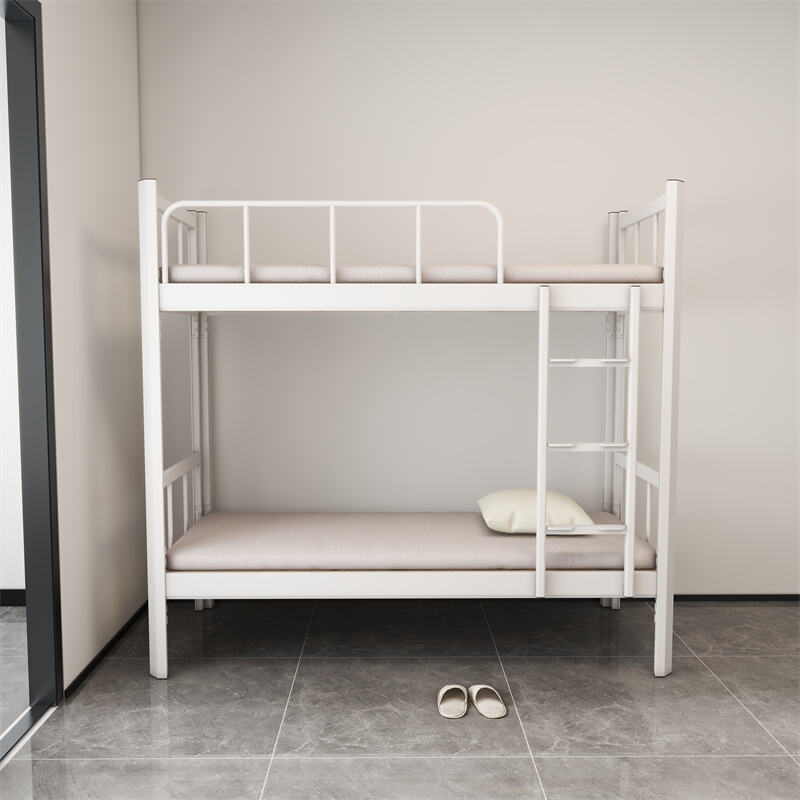
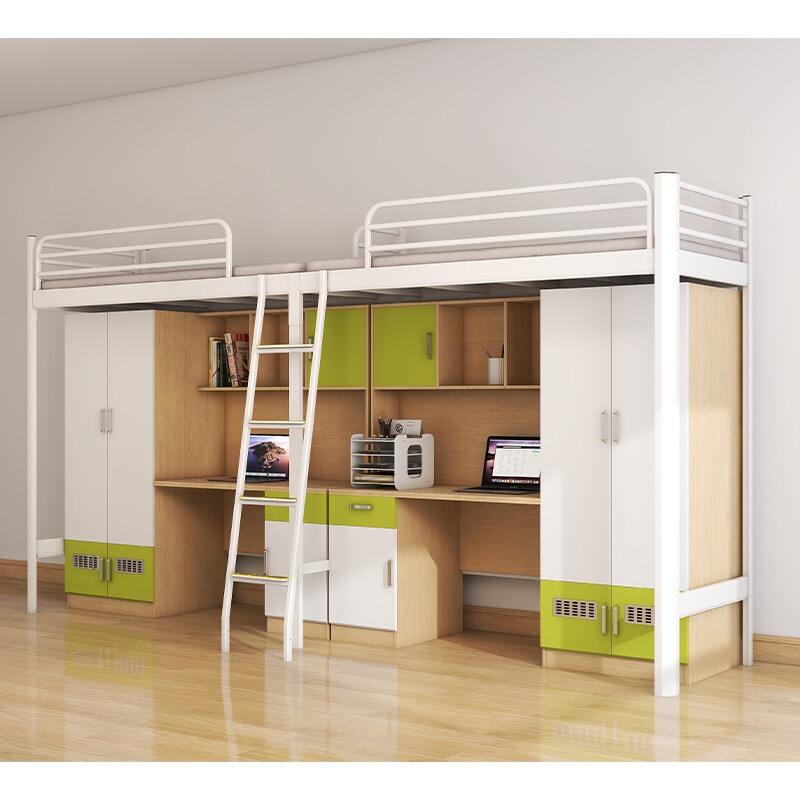
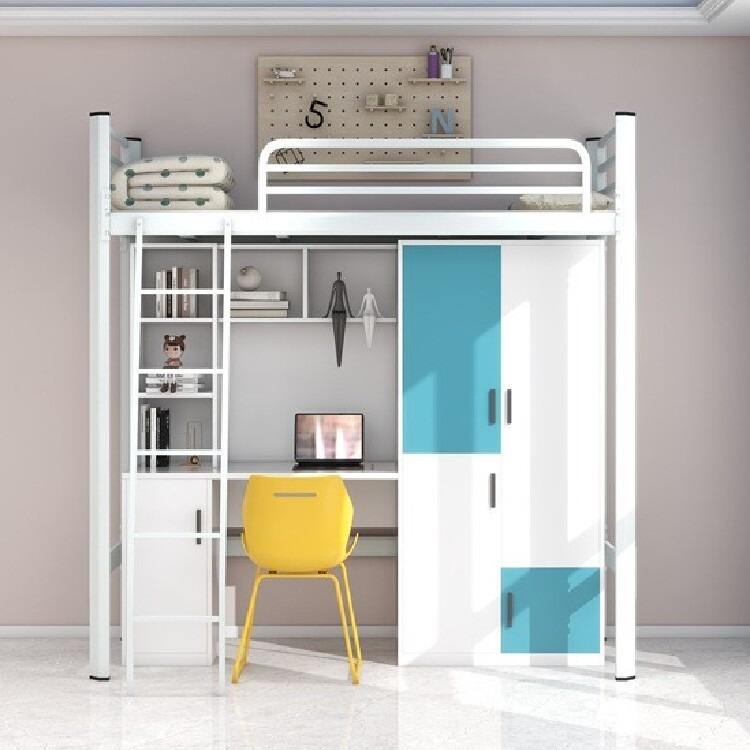
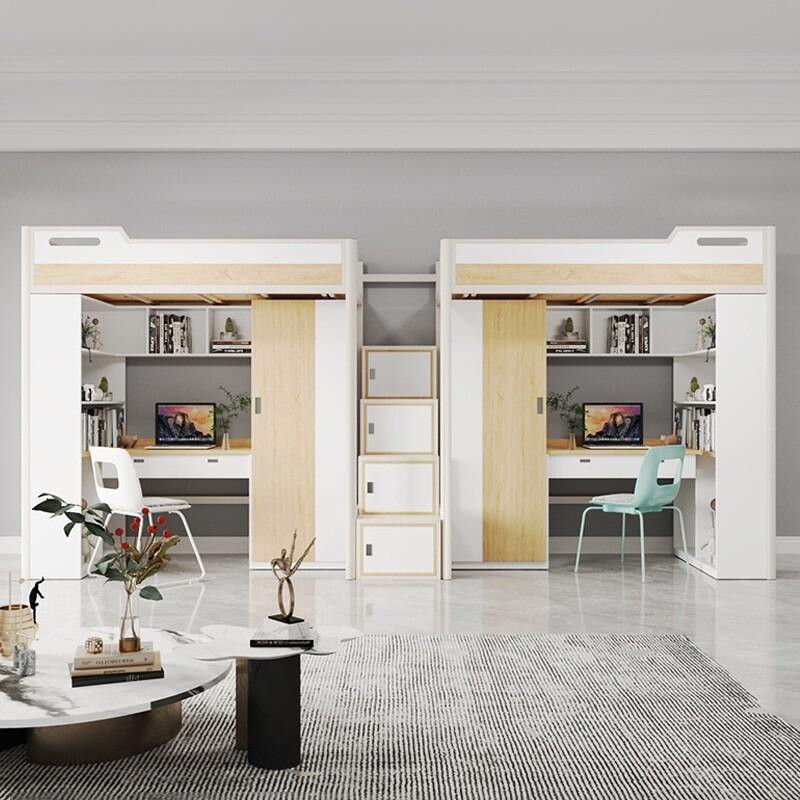
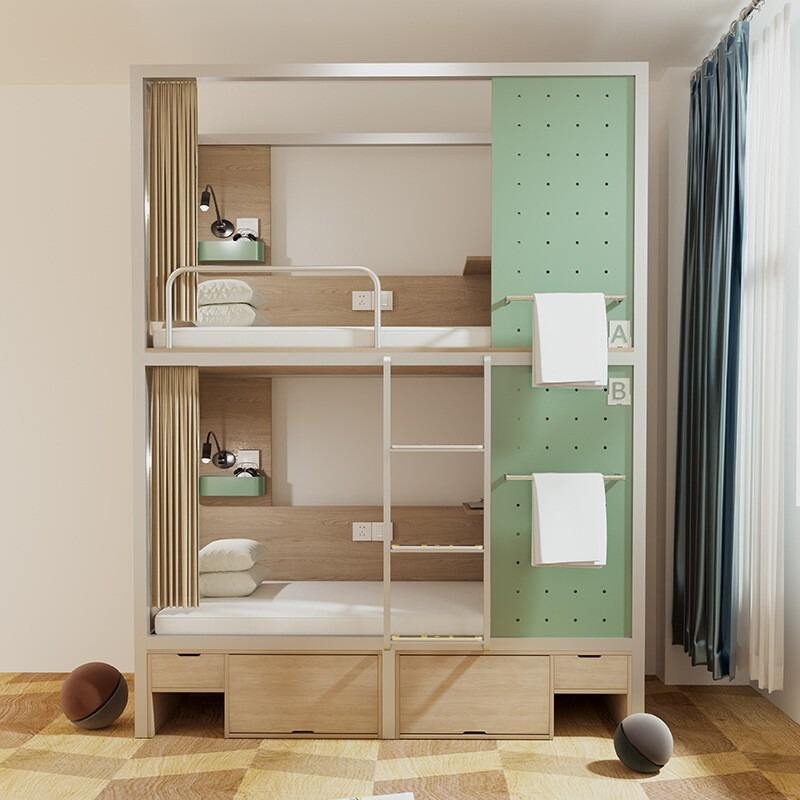
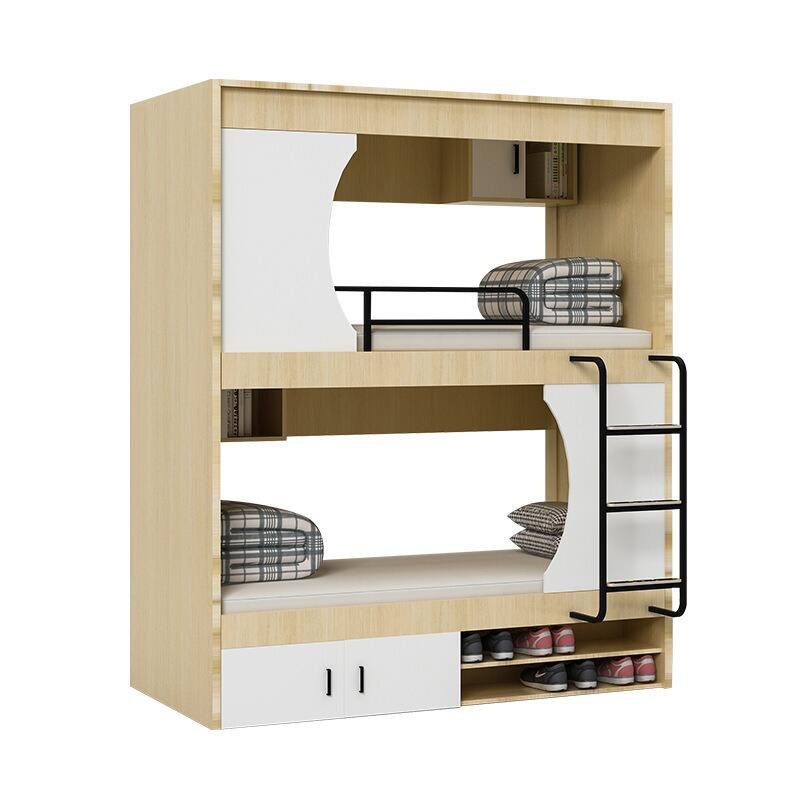
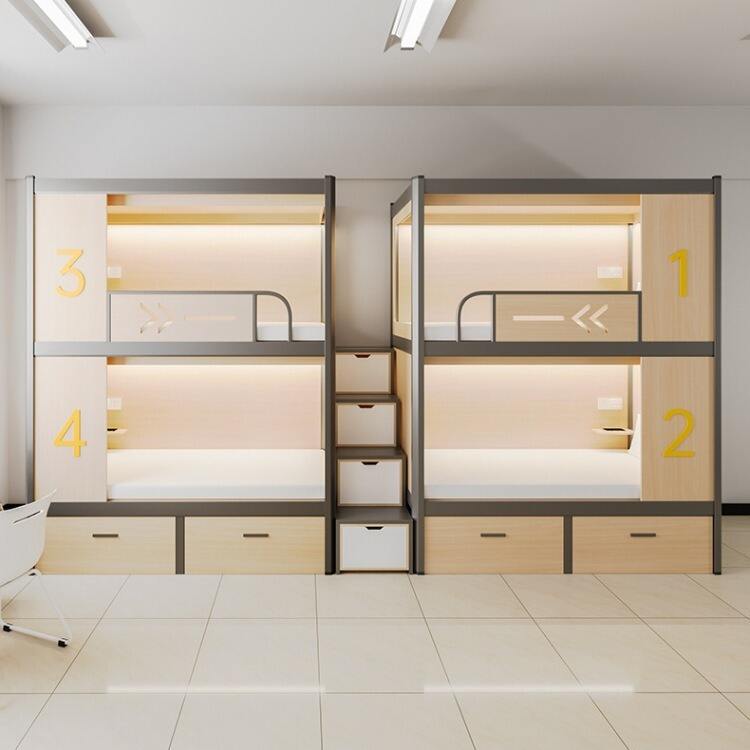
A bunk bed manufacturer operates as a specialized furniture production company that designs, develops, and produces multi-level sleeping solutions for residential, commercial, and institutional markets. These manufacturers combine advanced woodworking techniques, metal fabrication processes, and innovative design methodologies to create space-efficient sleeping arrangements that maximize room functionality. The primary function of a bunk bed manufacturer involves transforming raw materials such as solid wood, engineered lumber, steel tubing, and various hardware components into sturdy, safe, and aesthetically pleasing vertical sleeping systems. Modern bunk bed manufacturers utilize computer-aided design software to create precise blueprints, ensuring optimal weight distribution, structural integrity, and compliance with international safety standards. The manufacturing process incorporates cutting-edge machinery including CNC routers, precision saws, automated drilling systems, and powder coating equipment to achieve consistent quality and finish across product lines. These companies typically maintain extensive quality control departments that conduct rigorous testing protocols, including weight capacity assessments, stability evaluations, and durability stress tests to guarantee product reliability. Contemporary bunk bed manufacturers serve diverse market segments including children's furniture retailers, college dormitory suppliers, military housing contractors, youth hostels, summer camps, and space-conscious homeowners. The applications extend beyond traditional bedroom settings to include vacation rentals, emergency shelters, crew quarters on ships, and compact urban living spaces where floor area optimization remains crucial. Leading manufacturers often provide customization services, allowing customers to specify dimensions, materials, colors, and additional features such as built-in storage compartments, study desks, or entertainment centers. The technological integration includes advanced joinery methods, reinforced connection systems, and innovative ladder designs that prioritize user safety while maintaining structural elegance.


New Product Recommendations

Choosing an established bunk bed manufacturer provides numerous practical benefits that directly impact customer satisfaction and long-term value. First, these specialized companies possess extensive experience in creating furniture that meets stringent safety regulations, ensuring every product undergoes comprehensive testing for structural stability and user protection. Professional manufacturers maintain dedicated research and development teams that continuously innovate design solutions, incorporating feedback from real-world usage to enhance functionality and durability. The manufacturing expertise translates into superior construction quality, utilizing precision-engineered joints, reinforced support systems, and high-grade materials that withstand daily wear and extended use periods. Customers benefit from streamlined production processes that enable competitive pricing without compromising build quality, as established manufacturers leverage economies of scale and efficient supply chain management. These companies typically offer extensive warranty coverage and responsive customer service, providing peace of mind and ongoing support throughout the product lifecycle. The design versatility available from professional manufacturers allows customers to select from diverse style options, material combinations, and configuration possibilities that complement existing décor and spatial requirements. Quality manufacturers implement rigorous quality assurance protocols at every production stage, from initial material inspection through final assembly verification, ensuring consistent excellence across all units. The established distribution networks maintained by reputable manufacturers facilitate reliable delivery schedules and professional installation services when required. Additionally, these companies often provide detailed assembly instructions, helpful customer support resources, and replacement part availability that simplifies long-term maintenance. Environmental responsibility represents another significant advantage, as leading manufacturers increasingly adopt sustainable practices including responsibly sourced materials, eco-friendly finishes, and waste reduction initiatives. The technical expertise of professional manufacturers enables them to optimize weight capacity while maintaining compact profiles, creating furniture solutions that maximize sleeping space without overwhelming room dimensions. Finally, the brand reputation and market presence of established manufacturers provide customers with confidence in their purchasing decisions, backed by proven track records and positive customer testimonials.

Tips And Tricks

How does the design of a dormitory bed impact a student's overall well-being and productivity?

09

Sep

How does the design of a dormitory bed impact a student's overall well-being and productivity?

The Vital Connection Between Student Living Spaces and Academic Success The dormitory bed serves as more than just a place to sleep - it becomes the cornerstone of a student's daily life throughout their academic journey. As universities worldwide re...
View More
Top 10 Space-Saving Dormitory Bed Solutions

20

Oct

Top 10 Space-Saving Dormitory Bed Solutions

Maximizing Living Space in College Housing College life brings exciting opportunities, but dormitory living often means making the most of limited square footage. The becomes not just a place to sleep, but the centerpiece of a student's personal spa...
View More
Choosing the Perfect Dormitory Bed: Ultimate Guide

27

Nov

Choosing the Perfect Dormitory Bed: Ultimate Guide

Selecting the right dormitory bed is a crucial decision that impacts student comfort, study habits, and overall college experience. With limited space and strict regulations in most student housing facilities, finding the perfect balance between func...
View More
2025 Best Bunk Bed Options for Small Spaces

27

Nov

2025 Best Bunk Bed Options for Small Spaces

Modern living spaces are becoming increasingly compact, making efficient furniture selection more critical than ever. For families dealing with limited square footage, finding the right sleeping solutions can transform cramped quarters into functiona...
View More

Get a Free Quote

Our representative will contact you soon.
Email
Mobile
Name
Company Name
WhatsApp
Message
0/1000

bunk bed manufacturer

Advanced Safety Engineering and Compliance Standards

Advanced Safety Engineering and Compliance Standards

Safety engineering represents the cornerstone of professional bunk bed manufacturer operations, encompassing comprehensive design protocols that prioritize user protection without compromising functionality or aesthetic appeal. Leading manufacturers invest substantially in safety research, collaborating with pediatric safety experts, structural engineers, and regulatory bodies to develop products that exceed industry standards. The engineering process begins with detailed stress analysis calculations that determine optimal weight distribution across all structural components, ensuring the upper bunk can safely support designated weight limits while maintaining stability during normal use and emergency situations. Professional manufacturers implement multi-point connection systems that distribute forces evenly throughout the frame structure, utilizing reinforced corner brackets, heavy-duty hardware, and precision-machined joints that eliminate weak points commonly found in inferior products. The guardrail design receives particular attention, with manufacturers engineering barriers that meet height requirements while incorporating rounded edges, smooth finishes, and secure attachment methods that prevent accidental dislodgment. Ladder safety features include anti-slip surfaces, ergonomic spacing between rungs, and secure mounting systems that remain stable under dynamic loading conditions. Quality manufacturers conduct extensive testing protocols that simulate years of typical usage, including impact resistance evaluations, cyclical loading assessments, and environmental stress testing under various temperature and humidity conditions. The compliance verification process involves independent third-party testing laboratories that validate adherence to CPSC regulations, ASTM standards, and international safety requirements, providing documented certification that demonstrates manufacturer commitment to user protection. Material selection plays a crucial role in safety engineering, with manufacturers choosing components based on durability characteristics, chemical composition, and long-term stability properties that maintain structural integrity over extended periods. The finishing processes employ non-toxic coatings and sealers that resist wear while eliminating harmful chemical emissions, creating healthy sleeping environments for users of all ages.
Customization Capabilities and Design Flexibility

Customization Capabilities and Design Flexibility

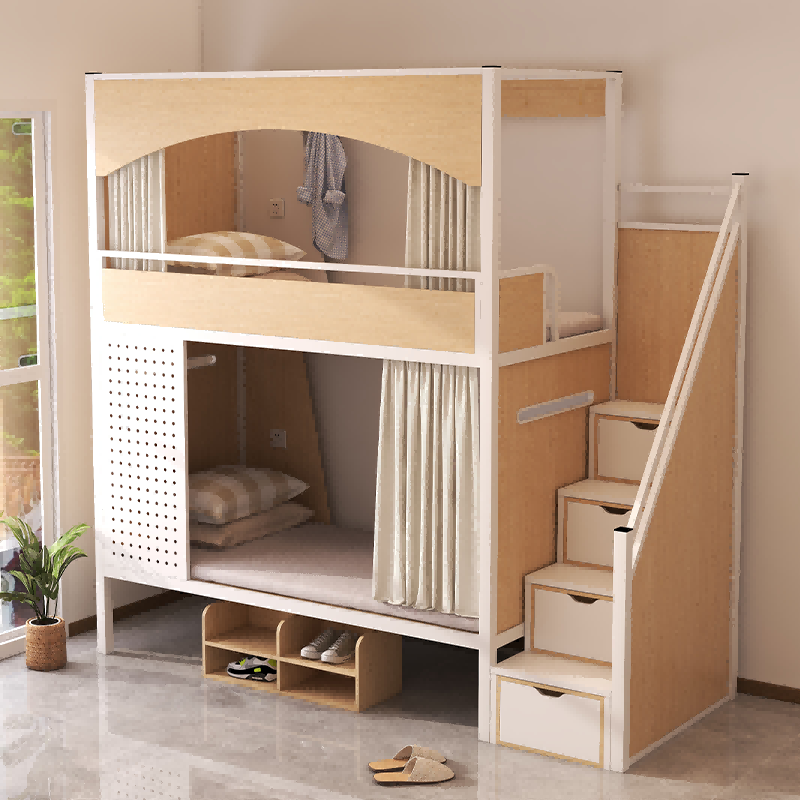
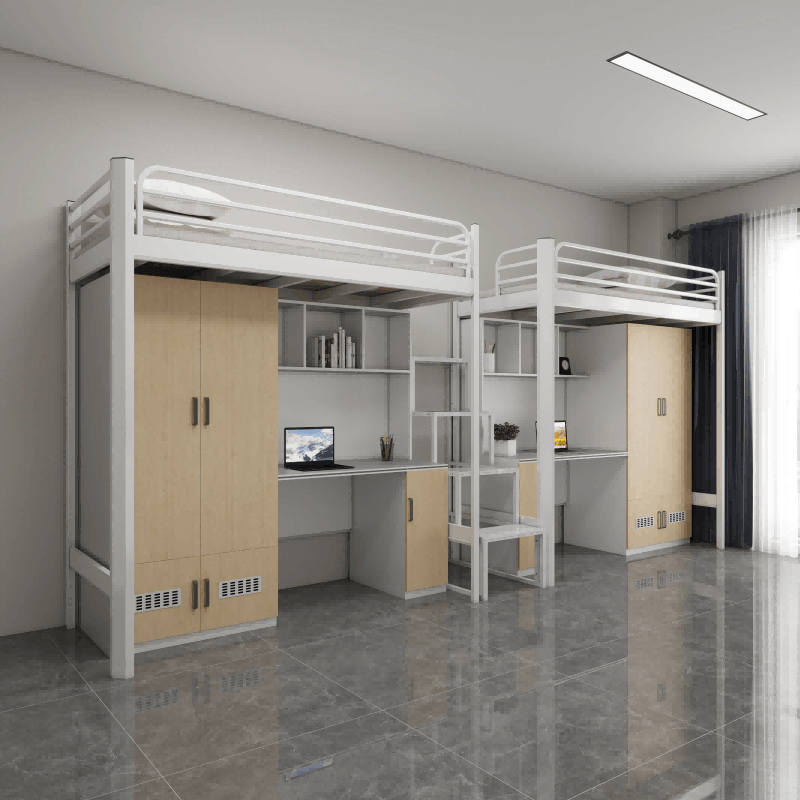
Professional bunk bed manufacturers distinguish themselves through extensive customization capabilities that transform standard sleeping solutions into personalized furniture pieces tailored to specific spatial requirements and aesthetic preferences. The customization process begins with comprehensive consultation services where design specialists work directly with customers to understand room dimensions, functional needs, and style objectives, creating detailed specifications that guide the manufacturing process. Advanced manufacturers maintain flexible production systems that accommodate dimensional modifications, allowing customers to specify custom heights, widths, and depths that optimize available floor space while ensuring proper clearance requirements. The material selection options typically include various wood species such as solid pine, oak, maple, and engineered alternatives, each offering distinct grain patterns, color characteristics, and durability properties that complement different interior design schemes. Color customization extends beyond standard stain options to include painted finishes in virtually unlimited color palettes, enabling perfect coordination with existing room décor and personal preferences. Functional modifications represent a significant aspect of customization services, with manufacturers offering integrated storage solutions including built-in drawers, shelving units, and closet systems that maximize utility within compact footprints. Study desk integration allows manufacturers to incorporate workspaces directly into bunk bed designs, creating efficient study areas that utilize otherwise unused space beneath upper bunks. The hardware selection process enables customers to choose from various ladder styles, including straight ladders, angled stairs, and space-saving alternating step designs that accommodate different user preferences and room layouts. Professional manufacturers also provide specialized modifications for accessibility requirements, incorporating wider ladder steps, lower bunk heights, and additional safety features that accommodate users with mobility considerations. The design consultation process often includes 3D rendering services that allow customers to visualize proposed modifications before production begins, ensuring complete satisfaction with aesthetic and functional aspects. Quality manufacturers maintain detailed documentation throughout the customization process, providing customers with comprehensive specifications, material certifications, and assembly instructions tailored to their specific configuration.
Sustainable Manufacturing Practices and Environmental Responsibility

Sustainable Manufacturing Practices and Environmental Responsibility

Environmental stewardship has become a defining characteristic of leading bunk bed manufacturers, who recognize their responsibility to implement sustainable practices that minimize ecological impact while delivering exceptional products. The sustainability commitment begins with responsible material sourcing, where manufacturers establish partnerships with certified forest management organizations that ensure lumber harvests follow regenerative forestry practices and maintain biodiversity protection protocols. These partnerships often include chain-of-custody documentation that traces wood materials from sustainable forests through processing facilities to final products, providing customers with verified environmental credentials. Modern manufacturers increasingly utilize recycled and reclaimed materials where appropriate, incorporating post-consumer wood products and recycled metal components that reduce demand for virgin resources while maintaining structural performance standards. The production processes themselves reflect environmental consciousness through energy-efficient manufacturing equipment, optimized workflow designs that minimize waste generation, and comprehensive recycling programs that capture and reprocess production byproducts. Water-based finishing systems have largely replaced solvent-based alternatives in progressive manufacturing facilities, eliminating volatile organic compound emissions while delivering superior durability and appearance characteristics. The packaging strategies employed by environmentally responsible manufacturers emphasize recyclable materials, minimized packaging volumes, and protective systems that reduce product damage during shipping, thereby decreasing replacement needs and associated environmental costs. Transportation efficiency represents another focus area, with manufacturers optimizing shipping logistics to reduce fuel consumption and carbon emissions through consolidated shipments and regional distribution strategies. Many leading manufacturers maintain formal environmental management systems that include regular auditing processes, continuous improvement initiatives, and transparent reporting mechanisms that document progress toward sustainability goals. The product design philosophy increasingly incorporates longevity considerations, creating furniture pieces that withstand extended use periods and remain stylistically relevant over time, reducing replacement frequency and associated environmental impact. End-of-life product planning includes design features that facilitate disassembly and material recovery, enabling responsible disposal or recycling when products eventually reach the end of their useful service periods.
Professional Bunk Bed Manufacturer - Custom Safety-Certified Space-Saving Solutions

Get a Free Quote

Our representative will contact you soon.
Email
Mobile
Name
Company Name
WhatsApp
Message
0/1000