
 EN
EN
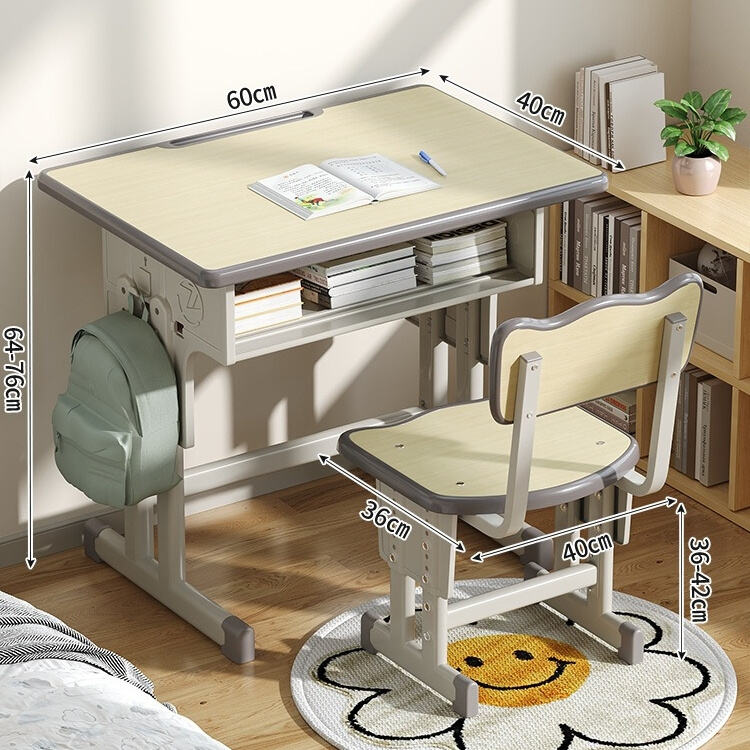
Optimal o'quv muhitini yaratish uchun mebellarning o'lchamlarini e'tiborli ravishda tanlash kerak, ayniqsa o'quvchilar uchun to'g'ri maktab partasi va stuli kombinatsiyalarini tanlaganda. Dunyo bo'ylab ta'lim muassasalari to'g'ri o'lchamli mebellarning o'quvchilarning qulayligi, turg'isi va akademik natijalarga bevosita ta'sir qilishini tan olmoqda. Mebellarning o'lchamlari bilan o'quvchilarning sog'lig'i o'rtasidagi munosabat maktablar sog'liqli rivojlanishni va diqqatni qo'llab-quvvatlaydigan ergonomik yechimlarga e'tibor qaratganda tobora muhimroq ahamiyat kasb etmoqda.
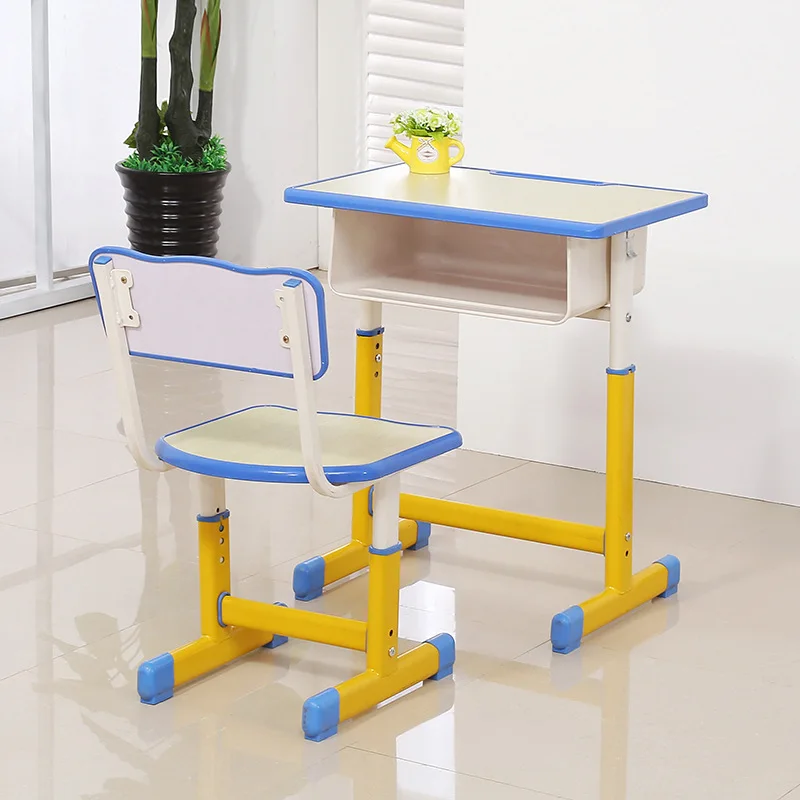
Zamonaviy ta'lim muassasalari o'zlarining jismoniy xususiyatlari va rivojlanish bosqichlari jihatidan turli xil bo'lgan o'quvchilarga mos keladigan sharoitlarni ta'minlashi kerak. To'g'ri tanlangan maktab partiyasi va stul to'plami o'quvchilarga yozish, o'qish va darslik faoliyatlarida to'g'ri turgan holatda qolish imkonini beradi. Tadqiqotlar doimiy ravishda noqulay o'tirish joylari e'tibor doimiyliklarini pasaytirishga, jismoniy noqulaylikka va o'quv natijalarini pasaytirishga sabab bo'lishini ko'rsatadi.
Mebellarning o'lchamlarini tushunish boshqaruva xodimlari va o'qituvchilarga o'zlarining o'quvchilarga uzoq muddat foyda keltiradigan ma'lumotli xarid qilish qarorlarini qabul qilish imkonini beradi. To'g'ri o'lchamli sinf mebellariga kiritilgan investitsiya o'quvchilarning qatnashishini oshirish, charchashni kamaytirish va barcha sinflarda akademik natijalarni yaxshilash orqali foyda keltiradi.
Standart o'lchamlar klassifikatsiyasini tushunish
Boshlang'ich maktab o'lchamlari
Boshlang'ich sinf o'quvchilari o'z rivojlanayotgan jismlari va harakat ko'nikmalariga mos keladigan kichikroq mebellarga ehtiyoj sezadi. Bog'cha va 2-sinfgacha bo'lgan o'quvchilar uchun ideal maktab partasi va stul balandligi mos ravishda 20 dan 22 dyuymgacha (parta) va 10 dan 12 dyuymgacha (stul o'tirish qismi) bo'lishi kerak. Bu o'lchamlar yosh o'quvchilarning ish sirtiga qulay yetib olishini va oyoqlarini tekis polga qo'yishini ta'minlaydi.
3-dan 5-sinfgacha bo'lgan o'quvchilar biroz kattaroq o'lchamlardan foydalanishadi, ya'ni ularning parta balandligi odatda 22 dan 24 dyuymgacha, stul o'tirish qismi balandligi esa 12 dan 14 dyuymgacha bo'ladi. Bu o'lchamlar shu shakllanish davrida o'quvchilarning tez o'sishini hisobga oladi va barcha murakkabroq akademik vazifalarga yetarli ish maydonini ta'minlaydi.
Boshlang'ich maktabda ishlatiladigan stol va stul to'plamlari uchun chuqurlik va kenglik o'lchamlari o'quvchilarga yetarli ish maydonini ta'minashi kerak, lekin kichikroq o'quvchilarga qo'rqituvchi ta'sir qilmasligi kerak. Standart stol yuzasi taxminan 20x26 dyuym (50,8x66 sm) o'lchamda bo'ladi va bu o'quvchilarning hajmiga mos kelib, darsliklar, daftarlar va maktab jihozlari uchun yetarli joy beradi.
O'rta maktab talablari
O'rta maktab o'quvchilari jismoniy rivojlanishning keng ko'lamli bosqichidan o'tadi, shu sababli ularning o'zgarayotgan ehtiyojlariga mos keladigan mebellarga ehtiyoj bor. 6–8-sinflar o'quvchilari uchun tavsiya etilgan stol balandligi 26–28 dyuym (66–71 sm), stul o'tirish qismi balandligi esa 14–16 dyuym (35,5–40,5 sm) oralig'ida bo'lishi kerak. Bu o'lchamlar o'smirlik davrida tez o'sishga mos keladi va ergonomik tamoyillarga rioya qiladi.
O'quvchilar murakkabroq materiallar bilan ishlash va texnologiyalarni joriy etishga kirishganda, o'rta maktab yillarida ish joyi talablari kengayadi. Sifatli maktab stoli va stul kombinatsiyasi, noutbuklar, darsliklar va hamkorlikda bajariladigan loyihalarga samarali joy berish uchun kamida 24 x 30 dyuym (61 x 76 sm) o'lchamdagi ish stoli sirtiga ega bo'lishi kerak.
Bu darajada moslashuvchanlik ayniqsa muhim ahamiyat kasb etadi, chunki bir xil sinfda o'quvchilarning bo'yi juda keng chegarada o'zgarishi mumkin. Bo'yi moslab o'zgartiriladigan mebellar har bir o'quvchining shaxsiy o'sish xususiyatlaridan qat'i nazar, to'g'ri ergonomik pozitsiyani qo'llab-quvvatlaydi.
Optimal moslik uchun ergonomik prinsiplar
To'g'ri turganlik qoidalar
To'g'ri turgan holatni saqlash uchun stol balandligi, stul balandligi va o'quvchilarning o'lchamlari o'rtasidagi munosabatga e'tibor berish kerak. To'g'ri o'tirgan holda o'quvchilar oyoqlarini tekis polga qo'yib, sonlarini yerga parallel va tizalarini taxminan 90 gradus burchakda egib turishlari kerak. Maktab stoli va stuli shu tabiiy vaziyatni qo'llab-quvvatlashi kerak, ya'ni o'quvchilarga noqulay joylashuvlarga majbur qilmaslik kerak.
O'quvchilar to'g'ri o'tirib, yenglari bo'shagan holda stol yuzi ularning tirsak balandligida yoki biroz pastroq bo'lishi kerak. Bu vaziyat yozish va klaviaturada ishlashni qulay qiladi hamda bo'yn, yenglar va orqa qismga keltiriladigan zararni kamaytiradi. To'g'ri mos kelish shuningdek, yaxshi qon aylanishini rag'batlantiradi va uzun muddatli o'qish darslarida charchashni kamaytiradi.
Ko'z darajasiga e'tibor qaratish bo'yicha masalalar bo'yin shaklidagi kuchlanishni oldini olish va diqqatni saqlashda muhim rol o'ynaydi. Kompyuter monitorlari yoki o'qish materiallarining yuqori qismi o'quvchilar maktab partasi va stulida o'tirganda ularning ko'z darajasiga mos kelishi kerak; bu tabiiy bosh pozitsiyasini rag'batlantiradi va oldinga qarab bosh qo'yish holatini rivojlantirish xavfini kamaytiradi.
O'lchash Usullari
Aniq o'lchovlar turli o'quvchi guruhlar uchun eng yaxshi mebellarni tanlashni ta'minlaydi. O'lchovni o'quvchi to'g'ri o'tirib, qo'llari yonlarida bo'sh holda o'tirgan paytdagi tirsak balandligini o'lchashdan boshlang. Ideal stul balandligi bu o'lchovdan 2,5–5 sm past bo'lishi kerak; bu yengil ish maydoniga kirish imkonini beradi va yelka ko'tarilishini talab qilmasdan qulaylik ta'minlaydi.
O'tirgan holda pol bilan tizza orqasidagi nuqta o'rtasidagi masofa — popliteal balandlik — mos stul o'tirish qismi balandligini aniqlaydi. Stul balandligi bu o'lchovdan 2,5–5 sm past bo'lishi kerak; bu uzun muddatli o'tirish davomida qon aylanishini va qulaylikni ta'minlaydi. Bu munosabat maktab stuli va stulining istalgan kombinatsiyasini tanlashda asosiydir.
O'tirish o'lchamlarini yetarli darajada ta'minlash uchun qulog'ning kengligi va o'rdakning chuqurligi o'lchovlarini hisobga oling. Stul o'tirish joyi o'quvchilarga harakatlanishni cheklamay, qulaylik bilan joylashishlari uchun yetarlicha keng bo'lishi kerak; shu bilan birga, o'tirish joyining chuqurligi o'rdakning aksariyat qismini qo'llab-quvvatlab, tizza orqasida bosim yaratmasligi kerak.
Yoshga mos o'lcham me'yori
Bolalar bog'chasi va boshlang'ich sinf
Juda yosh o'quvchilar xavfsizlik va qulaylikni ta'minlaydigan, shuningdek, to'g'ri o'lchamli mebellarga ehtiyoj sezadi. Bolalar bog'chasi va boshlang'ich sinf o'quvchilari odatda stol balandligi 18–20 dyuym, stul o'tirish joyi balandligi esa 8–10 dyuym bo'lgan mebellarga ehtiyoj sezadi. Bu o'lchamlar yosh bolalarning qisqa bo'ylarini hisobga oladi va ularning o'quv muhitida mustaqillik va ishonchni rag'batlantiradi.
Xavfsizlik xususiyatlari bu yosh guruhida eng muhim ahamiyatga ega bo'ladi; shuning uchun jarohatlarni oldini olish uchun yuvarlak chetlar va barqaror qurilish talab qilinadi. Maktab partasi va stulining o'lchamlari qulaylikni ta'minlash, kichik bolalarning hali to'liq koordinatsiya va muvozanat qobiliyatini rivojlantirmaganligi sababli qulay kirish va chiqish imkonini berish hamda qulflanishni oldini olish uchun mos kelishi kerak.
Davomillikka oid talablarga tez-tez tozalash va sterilizatsiya qilishga chidamlilik kiradi, chunki yosh bolalar uchun gigiyena protokollari yanada intensivroq bo'ladi. Materiallar doimiy dezinfeksiya qilishga chidamli bo'lib, ulardan foydalanish davomida ularning tuzilishi va ko'rinishi saqlanib turishi kerak.
O'rta maktab me'yoriy talablari
O'rta maktab o'quvchilari yetuk inson o'lchamlariga yaqinlashsa ham, ular hali o'sib borayotgan bo'lishi mumkin; shuning uchun mebellar yetuk tananing o'lchamlariga mos kelishi va bir vaqtda sozlanadigan bo'lishi kerak. To'qqizinchi va o'nta sinf o'quvchilari uchun standart parta balandligi 28 dan 30 dyuymgacha, stul o'tirish qismi balandligi esa 16 dan 18 dyuymgacha bo'ladi; bu odatda yetuk insonning nisbatlariga mos keladi.
O'quvchilarning ish joyi talablari o'rta maktab darajasida sezilarli darajada oshadi, chunki o'quvchilarga bir vaqtda bir nechta darsliklar, noutbuklar, kalkulyatorlar va loyiha materiallari uchun joy kerak bo'ladi. Kompleks maktab stoli va stulya yechim bu kengaytirilgan talablarga javob berish uchun kamida 30 ga 42 dyuym o'lchamdagi stol sirtini ta'minashi kerak.
Texnologiyani integratsiya qilish masalalari muhim ahamiyat kasb etadi, chunki mebellar noutbuklardan foydalanishni, planshetlarni saqlashni va elektr simlarini boshqarishni qo'llab-quvvatlashi kerak. Zamonaviy o'rta maktab sinf mebellari an'anaviy ish joyi talablarini zamonaviy raqamli o'qitish vositalari bilan silliq birlashtirishi kerak.
Maxsus hisobga olinadigan jihatlari va moslashtirishlar
Nogironlikka ega o'quvchilar
Barcha o'quvchilarga qulaylik yaratish uchun sinf mebellarini turli jismoniy ehtiyojlarga ega bo'lgan o'quvchilar va harakatlanish vositalaridan foydalangan holda moslashtirish kerak. G'ildirakli stulda o'tirish uchun mo'ljallangan partalar ostida yetarli bo'shliq qoldirilishi shart, shu bilan birga ish sirtining balandligi o'quvchilarning qulaylikka ega bo'lishini ta'minlashi kerak. Oddiy maktab partasi va stul kombinatsiyasini barcha o'quvchilarga teng imkoniyat yaratish maqsadida o'zgartirish yoki to'liq almashtirish talab qilinishi mumkin.
Turli jismoniy qobiliyatga ega o'quvchilarga xizmat ko'rsatish yoki maxsus joylashuv uskunalari talab qilinadigan o'quvchilarga xizmat ko'rsatishda balandlikni sozlash mumkin bo'lgan variantlar juda muhim ahamiyat kasb etadi. Elektr yoki pnevmatik sozlash mexanizmlari sinfda oqimni buzmasdan, shuningdek, alohida o'quvchilarning ehtiyojlariga e'tibor qaratmasdan tezda sozlash imkonini beradi.
Sensorli jihatlar o'quvchilarga autizm, ADHD yoki boshqa nevrologik farqlarga ega bo'lgan o'quvchilarga qo'llab-quvvatlash uchun maxsus materiallar yoki dizayn xususiyatlarini talab qilishi mumkin. Ba'zi o'quvchilar o'quv faoliyati davomida mos sensorli ta'sirni ta'minlaydigan, fidget-ga mos stul dizaynlari yoki parta sirtlaridan foydalanishdan foyda ko'radi.
Bir xil sinfda bir nechta sinflarni qamrab oladigan maktablar mos mebel tanlashda noyob qiyinchiliklarga duch keladi.
Kombinatsion sinflar yoki ulushlangan joylarda foydalanish uchun juda moslashtiriladigan maktab partalari va stullari yechimlari talab qilinadi, chunki ular kun davomida yoki o'quv yili davomida keng o'lchamli farqlarga mos kelishi kerak.
Tez sozlash mexanizmlari turli foydalanuvchi guruhlariga o'tishni samarali amalga oshirishga imkon beradi va uzoq sozlash vaqtini yoki maxsus vositalarni talab qilmaydi. Rangli kodlash tizimlari o'quvchilarga va o'qituvchilarga turli yosh guruhlari yoki shaxslar uchun mos balandlik sozlamalarini tezda aniqlashda yordam beradi.
Mebellar bir nechta maqsadlarga xizmat qilganda yoki o'quvchilar soni ko'p bo'lganda saqlash masalalari muhim ahamiyat kasb etadi. Integratsiyalangan saqlash yechimlari turli sinflardagi o'quvchilar uchun kerakli jihozlarni saqlash imkonini berishi kerak, shu bilan birga turli bo'ylarda va qobiliyatdagi o'quvchilarga ham qulaylik yaratishi lozim.
Material va qurilish sifati
Chidamlilik standartlari
Ta'lim mebellariga sifatli investitsiya qilish uzoq muddatli fikrlashni talab qiladi; yuqori sifatli ishlab chiqarish maktabda kundalik intensiv foydalanishga chidamli bo'lishi uchun juda muhimdir. Yuqori darajadagi po'lat ramkalar va mustahkamlangan ulagichlar o'quvchilar doimiy ta'sirida, harakatlanishda va ta'lim muhitida odatda uchraydigan ba'zi noqulayliklar natijasida ham o'quv stullari va stollarining konstruktiv butunligini saqlab turishini ta'minlaydi.
Yuzaki materiallar uzun muddat davomida chizilish, dog'lanish va yorilishga chidamli bo'lib, tashqi ko'rinishi hamda funksional qobiliyati saqlanishi kerak. Ta'sirga chidamli yadrolarga ega laminat yuzalar stol ustlarida ajoyib durabilitet (chidamlilik) ta'minlaydi, shu bilan birga stul o'tirish joylari esa qulaylikni ta'minlaydigan va bir vaqtda texnik xizmat ko'rsatishni osonlashtiruvchi materiallardan tayyorlanishi kerak.
Xavfsizlik va uzun muddatli foydalanishni ta'minlash uchun og'irlikka oid baholashlar odatda ishlatish talablari bilan solishtirganda keng chegaralarga ega bo'lishi kerak. Ta'lim muhitlari uchun maxsus mo'ljallangan tijorat darajasidagi mebellar odatda yashash joylari uchun mo'ljallangan mebellarda mavjud bo'lmagan qo'shimcha mustahkamlangan kuchlanish nuqtalari va barqarorlikni oshiruvchi xususiyatlarga ega.
Ta'mirlash talablari
Muntazam texnik xizmat ko'rsatish protokollari ta'lim mebellariga kiritilgan investitsiyalarning foydalanish muddatini maksimal darajada uzaytirish, shuningdek, doimiy xavfsizlik va funksional qobiliyatni ta'minlashda yordam beradi. Kunlik tozalash talablari xodimlarga boshqarish qiyin bo'lmagan, shuningdek, operatsion xarajatlarni yoki murakkablikni oshiruvchi maxsus mahsulotlar yoki usullarni talab qilmaydigan darajada bo'lishi kerak.
Institutsional sotib olishlar uchun almashtirish qismlarining mavjudligi juda muhim ahamiyatga ega, chunki ba'zi alohida qismlar butun mebelni almashtirish zarur bo'lgunga qadar eskirib ketishi mumkin. Modulli maktab partalari va stullari dizayni xarajatlarni kamaytirib, tuzilmaning umumiy foydalanish muddatini uzaytirish imkonini beruvchi ta'mirlash va yangilashlarga imkon beradi.
Oldini olish maqsadida amalga oshiriladigan texnik xizmat ko'rsatish jadvallari orqali moslashuv mexanizmlari, ulanish qismlari va sirt holati doimiy ravishda tekshirilishi kerak, shunda potentsial muammolar xavfli vaziyatlarga aylanishidan yoki qimmatbaho favqulodda ta'mirlash talab qilinishidan oldin aniqlanadi.
Byudjet hisob-kitoblar va qiymat tahlili
Dastlabki investitsiya rejalashtirish
Ta'lim uskunalari — bu keng ko'lamli kapital investitsiya bo'lib, e'tiborli moliyaviy rejalashtirish va tahlil talab qiladi. Sifatli maktab stullari va partalari kombinatsiyasining dastlabki xarid narxlari katta ko'rinadi, lekin umumiy egallash xarajatlari hisob-kitobiga ishlatilish muddati davomida mustahkamlik, texnik xizmat ko'rsatish talablari va almashtirish chastotasi ham kiritilishi kerak.
Ko'p miqdordagi xarid imkoniyatlari ko'pincha bir nechta birliklar talab qiladigan tashkilotlar uchun katta tejab beradi, lekin e'tiborli texnik xususiyatlarni moslashtirish miqdor chegirmalari sifat yoki mos kelishni buzmasligini ta'minlaydi. Ta'lim sohasidagi talablarga ega bo'lgan, ishonchli etkazib beruvchilar bilan hamkorlik qilish qiymatni maksimal darajada oshirishga yordam beradi va shu bilan birga tegishli xavfsizlik va ishlash standartlariga rioya qilishni ta'minlaydi.
Moliyaviy variantlar qirgʻoqqa olish shartnomalari yoki bosqichma-bosqich almashtirish dasturlarini o'z ichiga oladi, bu esa xarajatlarni bir nechta byudjet davrlariga tarqatadi va talabalarga ta'lim jarayonining barcha davrida mos mebellarga kirish imkonini beradi.
Uzoq muddatli xarajat tahlili
Ta'lim mebellarining haqiqiy narxini hisoblashda dastlabki sotib olish narxidan tashqari, texnik xizmat ko'rsatish xarajatlari, almashtirish chastotasi va talabalar natijalariga ta'siri kabi omillar ham hisobga olinishi kerak. Yuqori sifatli maktab stullari va stollariga investitsiyalar odatda boshlang'ich xarajatlari yuqori bo'lsada, uzoq muddatli foyda jihatidan yuqori qiymatga ega.
Energiya samaradorligi mebellarga elektron sozlash mexanizmlari yoki integratsiyalangan texnologik funksiyalar o'rnatilganda qo'llanilishi mumkin. Ushbu ilg'or tizimlarning quvvat iste'moli va texnik xizmat ko'rsatish talablari operatsion xarajatlarning uzluksiz bashoratlariga kiritilishi kerak.
Kafolat qamqovligi va texnik xizmat ko'rsatishning mavjudligi, ayniqsa, texnik xizmat ko'rsatish chaqiruvlari qo'shimcha to'lovlar yoki uzun muddatli ishlamay qolish davrlarini keltirib chiqarishi mumkin bo'lgan uzoq masofadagi hududlarda joylashgan tashkilotlar uchun umumiy egallash xarajatlariga sezilarli ta'sir ko'rsatishi mumkin.
Tez-tez so'raladigan savollar
O'quvchilarim uchun to'g'ri o'lchamdagi maktab partasi va stulni qanday aniqlashim kerak
Eng aniq usul — o'quvchilarning shaxsiy o'lchamlarini o'lchashdir, ayniqsa, o'tirgan holda tirsak balandligi va popliteal balandlik. Biroq, yoshga asoslangan yo'riqnoma qo'llanmalar maqbul boshlang'ich nuqtalarni beradi: boshlang'ich sinf o'quvchilari odatda 50–61 sm (20–24 dyuym) balandlikdagi partalarga, o'rta maktab o'quvchilari 66–71 sm (26–28 dyuym) balandlikdagi partalarga, o'rta maxsus maktab o'quvchilari esa 71–76 sm (28–30 dyuym) sirtli partalarga ehtiyoj sezadi. Har doim ham turli xil yoki o'sib borayotgan o'quvchilarga xizmat ko'rsatishda sozlanadigan variantlarga ustuvorlik berish kerak.
Ta'lim mebellari qanday xavfsizlik standartlariga javob berishi kerak
Kimyoviy moddalarning past chiqishini ta'minlovchi BIFMA (Biznes va institutsional mebellar ishlab chiqaruvchilari assotsiatsiyasi) standartlariga va GREENGUARD sertifikatiga mos keladigan mebellarni qidiring. Ta'lim sohasiga xos standartlar orasida barqarorlik sinovlari, yopiq qirralarga oid xavfsizlik talablari hamda yashash uchun mo'ljallangan mebellarga qo'yiladigan talablardan yuqori darajadagi doimiylik spetsifikatsiyalari ham bor. Har qanday maktab partasi va stulini sotib olishda uning moslikni tekshirish bo'yicha to'g'ri hujjatlari mavjudligini doimiy tekshiring.
Darsxona mebellari qanchalik tez-tez almashtirilishi kerak
Yaxshi sifatli ta'lim mebellari odatda to'g'ri parvarish qilinsa 10-15 yil davom etadi, biroq almashtirish vaqti foydalanish intensivligiga, parvarish sifatiga hamda o'zgarayotgan ta'lim ehtiyojlariga bog'liq. Xavfsizlik muammolari yoki funksional nuqsonlarni aniqlash uchun muntazam tekshiruvlar o'tkazish kerak, chunki ular dastlabki almashtirishni talab qilishi mumkin. O'zgarishlarni doimiy o'quv muhitini saqlab turish maqsadida butunlay yangilash o'rniga asta-sekin almashtirish uchun byudjet ajratish tavsiya etiladi.
O'quvchilarning akademik natijalariga mebellarning o'lchamlari ta'sir qilishi mumkinmi
Tadqiqotlar doimiy ravishda shunday ko'rsatmoqdaki, to'g'ri mos keladigan sinf mebellari o'quvchilarning qulayligi, diqqat doirasi va o'qish natijalariga bevosita ta'sir qiladi. Noto'g'ri o'lchamli maktab partasi va stullarining birlashmasi jismoniy noqulaylik, yomon turish uslubi va diqqatni kamaytirishga sabab bo'ladi, natijada akademik yutuqlarga ta'sir qiladi. O'quvchilarning muvaffaqiyati va farovonligiga sifatli mebellar sifatida investitsiya qilish — bu ularning ta'lim jarayonidagi butun davrini qamrab oladi.
Mundarija
- Standart o'lchamlar klassifikatsiyasini tushunish
- Optimal moslik uchun ergonomik prinsiplar
- Yoshga mos o'lcham me'yori
- Maxsus hisobga olinadigan jihatlari va moslashtirishlar
- Material va qurilish sifati
- Byudjet hisob-kitoblar va qiymat tahlili
-
Tez-tez so'raladigan savollar
- O'quvchilarim uchun to'g'ri o'lchamdagi maktab partasi va stulni qanday aniqlashim kerak
- Ta'lim mebellari qanday xavfsizlik standartlariga javob berishi kerak
- Darsxona mebellari qanchalik tez-tez almashtirilishi kerak
- O'quvchilarning akademik natijalariga mebellarning o'lchamlari ta'sir qilishi mumkinmi