 EN
EN
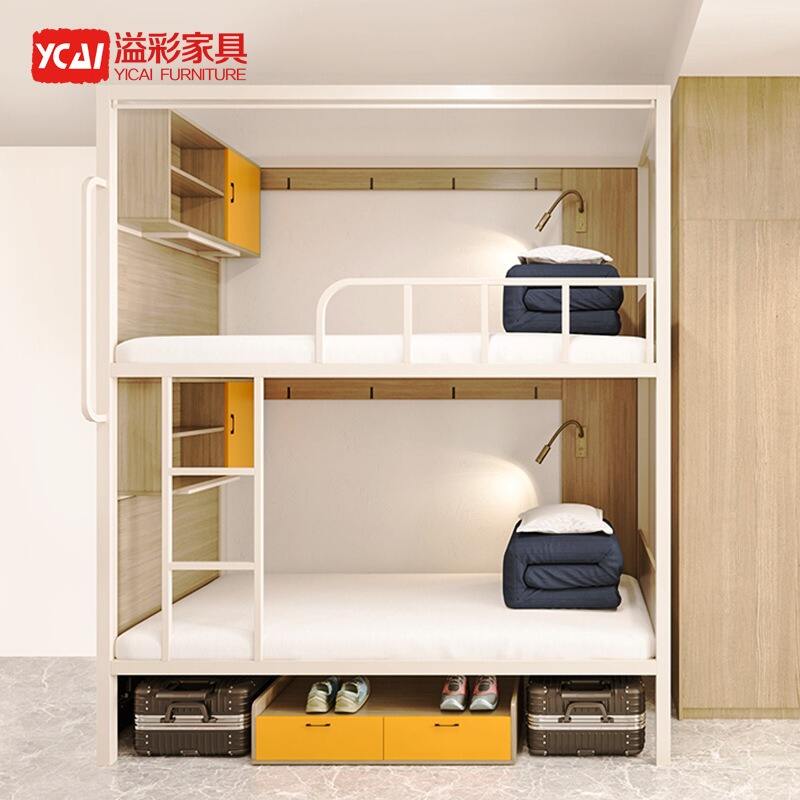
Ang pagpili ng tamang materyal para sa kama na may hagdanan ay isang mahalagang desisyon na nakaaapekto sa kaligtasan, katatagan, mga kinakailangan sa pagpapanatili, at kabuuang halaga ng investimento. Kung ang layunin ay ang pagkakapalit ng kama sa isang hotel, dormitoryo ng mag-aaral, barracks ng militar, o tirahan, ang komposisyon ng materyal ng iyong kama na may hagdanan ay direktang nakaaapekto sa kanyang istruktural na integridad, haba ng buhay, at kahibuan para sa mga tiyak na kapaligiran. Ang pag-unawa sa pangunahing pagkakaiba-iba sa pagitan ng metal, kahoy, at mga composite material—kasama ang kanilang mga kaugnay na katangian sa pagganap sa ilalim ng tunay na kondisyon—ay nagbibigay-daan sa mga tagapamahala ng pasilidad at mga bumibili na gumawa ng impormadong desisyon na umaayon sa mga pangangailangan sa operasyon, mga limitasyon sa badyet, at mga regulasyon sa kaligtasan.
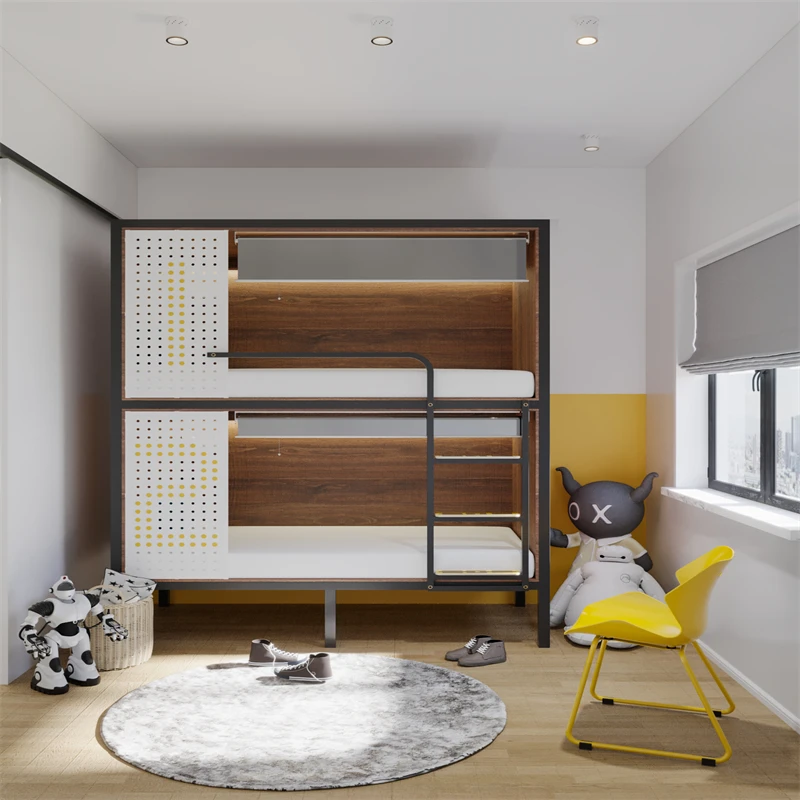
Ang proseso ng pagpili ng materyales para sa pagbili ng kama na may hagdan ay umaabot nang malayo sa mga panlasa sa estetika lamang. Ang mga buyer para sa komersyo at institusyon ay kailangang suriin ang kapasidad ng pagkarga, mga rating sa paglaban sa apoy, paglaban sa korosyon, kahirapan sa pag-aassemble, at mga gastos sa pangmatagalang pagpapanatili. Bawat kategorya ng materyales ay nagtatanghal ng mga natatanging pakinabang at limitasyon na naging lalo pang mahalaga kapag isinaklaw sa daan-daang yunit. Ang pagsusuring ito ay tatalakay sa mga pangunahing konsiderasyon sa materyales na dapat gabay sa iyong pagpili ng kama na may hagdan, na nagbibigay ng praktikal na pananaw kung paano gumaganap ang iba’t ibang materyales sa iba’t ibang aplikasyon, klima, at senaryo ng paggamit. Sa pamamagitan ng sistematikong pagsusuri sa mga kadahilanang ito batay sa iyong tiyak na operasyonal na mga kinakailangan, maaari mong tukuyin ang pinakamainam na solusyon sa materyales na sumasalamin sa balanseng pagitan ng agarang badyet na mga konsiderasyon at pangmatagalang paghahatid ng halaga.
Kakayahan ng Materyales sa Pagtitiis at Pagkarga
Pag-unawa sa Mga Pangangailangan sa Estratehiya para sa Iba’t Ibang Grupo ng Gumagamit
Ang lakas ng istruktura ng mga materyales na ginagamit sa kama na may hagdan ay dapat makapagkasya hindi lamang sa mga static na bigat na bunga ng timbang kundi pati na rin sa mga dinamikong puwersa na nabubuo habang ginagamit nang normal. Ang mga dormitoryo para sa mga matatanda, mga pasilidad ng militar, at mga lugar na may kaugnayan sa hospitality ay nangangailangan ng mas mataas na rating sa bigat kumpara sa mga pasilidad para sa mga bata, kaya ang pagpili ng materyales ay isang desisyong mahalaga para sa kaligtasan. Ang mga kama na may hagdan na gawa sa metal ay karaniwang nag-aalok ng mas mataas na kakayahan sa pagbuo ng beban, kung saan ang mga frame na gawa sa bakal na may kalidad para sa komersyo ay kayang magdala ng 250–300 pounds bawat hagdan nang walang anumang pagkasira sa istruktura. Ang kapal ng gauge ng metal na tubo, kalidad ng pag-weld sa mga punto ng pagkakasalba, at mga pattern ng pampalakas na cross-member ay lahat nakaaapekto sa kabuuang integridad ng istruktura. Kapag sinusuri ang mga opsyon na gawa sa metal, tiyaking binibigay ng tagagawa ang dokumentadong resulta ng pagsusuri sa pagbuo ng beban at mga sertipiko ng pagkakasunod sa mga kinikilalang organisasyon na nangangasiwa sa mga pamantayan sa kaligtasan.
Ang mga frame ng kama na may hagdan na gawa sa solidong kahoy ay nag-aalok ng mahusay na katangian ng lakas kapag ginawa mula sa mga kahoy na may matigas na kahoy tulad ng oak, maple, o beech. Ang density at istruktura ng ugat ng mga kahoy na may matigas na kahoy ay nagbibigay ng likas na katangian sa pagpapamahagi ng bigat, bagaman ang tamang mga teknik sa pagsasama ng kahoy ay naging mahalaga upang panatilihin ang integridad ng istruktura sa paglipas ng panahon. Ang mga sambungan na mortise-at-tenon, mga suportang sulok na may karagdagang palakas, at ang angkop na sukat ng mga tabla ay tumutukoy kung ang mga frame ng kama na may hagdan na gawa sa kahoy ay maaaring ligtas na magdala ng mga gumagamit na nasa hustong gulang. Ang mga engineered wood products tulad ng laminated veneer lumber ay nagbibigay ng pare-parehong katangian ng lakas nang walang likas na pagkakaiba na naroroon sa solidong kahoy, kaya't ito ay unti-unting naging popular sa komersyal na aplikasyon. Gayunpaman, dapat kasama sa anumang teknikal na tukoy ng kama na may hagdan na gawa sa kahoy ang mga parameter ng nilalaman ng kahalumigmigan at mga kinakailangan sa pagtatapos upang maiwasan ang pagkabiyuk-biyuk o pagkaluwag ng mga sambungan sa mga kapaligirang may mataas na kahalumigmigan.
Pag-evaluate sa Pagkapagod ng Materyales at Pangmatagalang Pagganap
Ang pagkapagod ng materyal ay isang mahalagang konsiderasyon para sa mga kapaligiran na may mataas na bilis ng paggamit, kung saan ang mga yunit ng kama na may hagdan ay nakakaranas ng patuloy na siklo ng paggamit. Ang mga balangkas na gawa sa metal ay nagpapakita ng mahusay na paglaban sa pagkapagod, na panatilihin ang kahusayan ng istruktura sa loob ng libu-libong siklo ng pagkarga nang walang makabuluhang pagbaba ng kalidad. Ang elastisidad ng bakal ay nagpapahintulot sa maliit na pagyuko kapag may bigat nang hindi nagdudulot ng permanenteng depekto, samantalang ang tamang aplikasyon ng powder coating o galvanization ay nagpaprotekta laban sa korosyon sa ibabaw na maaaring magpahina sa mga istruktural na bahagi. Kapag nagtatakda ng mga opsyon ng kama na may hagdan na gawa sa metal, bigyan ng priyoridad ang konstruksyon na may welding kaysa sa mga assembly na may bolt para sa mga kritikal na koneksyon na nagdadala ng bigat, dahil ang mga welded joint ay nag-aalis ng posibilidad ng pagkaluwag na likas sa mga mekanikal na fastener na napapailalim sa paulit-ulit na stress.
Ang mga frame ng kama na gawa sa kahoy na may hagdan-hagdan (bunk bed) ay nagpapakita ng iba't ibang katangian sa pagkapagod, kung saan ang pagpapanatili ng lakas ay lubos na nakasalalay sa disenyo ng mga sambungan at kalidad ng pagkakabit. Ang mga pwersang naka-compress na nakatuon sa mga punto ng koneksyon ay maaaring unti-unting durusin ang mga ugat ng kahoy, na magdudulot ng pagkaluwang ng mga sambungan at hindi pagkakaroon ng istruktural na katatagan sa mahabang panahon ng paggamit. Ang pangyayaring ito ay lalo pang lumalala sa mga konstruksyon na gawa sa malambot na kahoy o kapag ang mga hardware na ginagamit para sa karagdagang suporta ay hindi sapat upang suplemento ang tradisyonal na paraan ng pagkakabit. Dapat isaalang-alang ng mga pasilidad na nagpaplano ng pangmatagalang pag-deploy ng mga kama na may hagdan-hagdan ang inaasahang dalas ng pagpapahigpit ng mga sambungan at posibleng pagpapalit ng mga bahagi kapag inihahambing ang kabuuang gastos ng pagmamay-ari sa iba't ibang uri ng materyales. Ang paunang kalamangan sa presyo ng ilang mga konfigurasyon ng kama na may hagdan-hagdan na gawa sa kahoy ay maaaring mawala kapag isinama ang dagdag na gastos sa pagpapanatili at mas maagang siklo ng pagpapalit.
Mga Salik na Nakaaapekto sa Pagtitiis sa Iba't Ibang Kondisyon ng Kapaligiran
Mga Konsiderasyon sa Paglaban sa Klima at Kaguluhan
Ang mga kondisyon sa kapaligiran ay malalim na nakaaapekto sa pagganap ng mga materyales na ginagamit sa kama na may hagdan-hagdan, kung saan ang antas ng kahalumigan, mga pagbabago sa temperatura, at pagkakalantad sa kahalumigan ay nagdudulot ng natatanging hamon para sa iba't ibang uri ng materyales. Ang mga pasilidad sa pampang, mga klima sa tropiko, at mga rehiyon na may mataas na pagbabago ng kahalumigan ayon sa panahon ay nangangailangan ng maingat na pagpili ng materyales upang maiwasan ang maagang pagkasira. Ang mga balangkas ng kama na may hagdan-hagdan na gawa sa metal ay mahusay sa mga kapaligirang madumi o may mataas na kahalumigan kapag angkop na pinapatakpan ng mga coating na tumutol sa korosyon. Ang powder coating na antas-industriya ay lumilikha ng protektibong barrier laban sa oksidasyon, samantalang ang mga opsyon na gawa sa bakal na may galvanizing ay nagbibigay ng mas mataas na resistensya sa korosyon para sa mga ekstremong kondisyon. Ang mga hardware at fastener na gawa sa stainless steel ay karagdagang nagpapahaba ng buhay-panggamit sa mga hamon na kapaligiran, bagaman ito ay nagpapataas ng paunang gastos sa pagbili.
Ang mga yunit ng kama na gawa sa kahoy na may hagdan-hagdan ay humaharap sa malalaking hamon sa mga kapaligiran na may mataas na kahalumigan maliban kung ang mga ito ay sapat na pinagtratong at pinapanatili. Ang pag-absorb ng kahalumigan ay nagdudulot ng mga pagbabago sa sukat ng mga bahagi na gawa sa kahoy, na maaaring magresulta sa hindi tamang pagkakasunod-sunod ng mga sambungan, pag-iingay, at pagkawala ng katiyakan ng istruktura. Kahit ang mga kahoy na pinatuyo sa oven ay nananatiling may ilang katangiang nakaka-absorb ng kahalumigan, kaya ito ay sumusok at nagpapalabas ng kahalumigan batay sa kondisyon ng kapaligiran. Ang mga sealant na pang-dagat, mga finishing na may langis bilang base, at ang regular na pagre-reapply ng mga protektibong coating ay naging mahalagang mga gawain sa pagpapanatili para sa mga kama na gawa sa kahoy na may hagdan-hagdan na naka-install sa mga lugar na madalas na nababasa o may mataas na kahalumigan. Ang mga pasilidad na walang dedikadong tauhan para sa pagpapanatili o na gumagana sa ilalim ng mahigpit na badyet ay dapat mabigyang-pansin ang mga patuloy na pangangailangan na ito laban sa mas mataas na katatagan ng kapaligiran na inaalok ng mga alternatibong kama na gawa sa metal na maayos na napoprotektahan.
Tibay sa Pagkakalbo at Tibay ng Ibabaw
Ang mga frame ng kama na may dalawang antas para sa pang-araw-araw na gamit ay nakakaranas ng paulit-ulit na pag-impact mula sa mga bagahe, kagamitan, at di-intensiyonal na pag-contact habang ginagawa ang karaniwang gawain. Ang katigasan ng ibabaw at mga katangian ng pag-absorb ng impact ng iba't ibang materyales ang nagtutukoy kung gaano kahusay ang pananatili ng kanilang anyo at integridad na istruktural sa ilalim ng mga kondisyong ito. Ang mga ibabaw ng kama na may dalawang antas na gawa sa metal na may powder coating ay nagpapakita ng mahusay na paglaban sa mga guhit at impact, kung saan ang maayos na nai-cure na finishing ay lumilikha ng matibay at hindi madaling magkiskis na barrier. Ang mga minor na pinsala sa ibabaw ng metal na may coating ay karaniwang nananatiling pansamantalang estetiko lamang at hindi nakaaapekto sa istruktura, at ang lokal na pagrerepair para sa mga nakikitang depekto ay maaaring gawin nang hindi nawawala ang kabuuan ng integridad ng frame. Ang hindi porous na kalikasan ng mga ibabaw ng metal ay nakakatulong din sa malalim na paglilinis at disinfection, na isang lalong mahalagang konsiderasyon para sa mga aplikasyon sa institusyon.
Ang mga ibabaw na kahoy ay natural na mas madaling magkaroon ng mga dents at mga ugat kaysa sa metal, kung saan ang mga species ng kahoy na malambot ay partikular na mahina sa pinsala dulot ng impact. Bagaman maaaring magdagdag ng karakter ang mga imperpekto sa ibabaw na ito sa mga pampamilihan na kapaligiran, nagdudulot ito ng mga alalahanin sa pagpapanatili at pagbaba ng estetika sa mga komersyal na kapaligiran. Kinakailangan ang regular na pagrerefresh ng ibabaw upang mapanatili ang mga pamantayan sa propesyonal na anyo, na nagdaragdag ng gastos sa paggawa at pansamantalang pagkakasara ng silid sa badyet ng operasyon. Gayunman, ang mga kahoy na bunk Bed materyales ay nag-aalok ng mas mataas na kakayahang maayos para sa lokal na pinsala—ang mga ugat at dents ay maaaring pasahin at i-refinish nang hindi kailangang palitan ang buong bahagi, samantalang ang nasirang ibabaw na metal ay maaaring mangailangan ng pagpapalit ng panel o seksyon upang maibalik sa orihinal na kalagayan nito.
Mga Pamantayan sa Kaligtasan at Katangian sa Paglaban sa Apoy
Mga Rating sa Flammability at Pagsunod sa Regulasyon
Ang mga regulasyon sa kaligtasan laban sa sunog ay nagtatakda ng mga tiyak na kinakailangan sa materyales para sa pagkakalagay ng mga kama na may hagdan (bunk bed) sa komersyal at institusyonal na mga pasilidad. Ang mga code sa gusali, mga klasipikasyon ng okupansiya, at mga kinakailangan ng insurance ay madalas na nangangailangan ng minimum na rating sa paglaban sa apoy para sa mga kasangkapan sa mga kuwarto na ginagamit para matulog. Ang mga kama na may hagdan na gawa sa metal ay likas na sumusunod sa pinakamatinding mga pamantayan sa kahihirapan sa pagsunog, dahil ang mga bahagi na gawa sa bakal at aluminyo ay hindi nasusunog at hindi magbibigay ng karagdagang apektor sa pag-unlad ng apoy. Ang pangunahing kalamangan na ito ay nagpapadali sa pagsunod sa mga regulasyon at maaaring bawasan ang mga premium sa insurance para sa mga pasilidad na nagpapalaki ng mga populasyong mahina o gumagana sa ilalim ng mas mataas na antas ng pagsusuri sa kaligtasan. Kapag sinusuri ang mga opsyon na gawa sa metal, tiyaking ang anumang mga bahaging naka-integrate tulad ng mga hakbang ng hagdan o mga proteksyon sa sulok ay sumusunod din sa mga naaangkop na rating sa pagkalat ng apoy.
Ang mga frame ng kama na gawa sa kahoy na may hagdan-hagdan ay nangangailangan ng kemikal na paggamot upang makamit ang katanggap-tanggap na rating sa paglaban sa apoy sa karamihan ng komersyal na aplikasyon. Ang mga tabla na pinapailalim sa presyon at binibigyan ng kemikal na pampigil sa apoy ay maaaring tumugon sa mga regulasyong kinakailangan, bagaman ang mga ganitong paggamot ay nagdaragdag ng gastos at maaaring makaapekto sa mga opsyon sa pagpupunta o pagtatapos (finishing). Ang mga coating na pampigil sa apoy na inilalagay sa ibabaw ay nagbibigay ng alternatibong paraan, na nangangailangan ng paulit-ulit na paglalagay upang panatilihin ang kahusayan nito. Parehong paraan ng paggamot ay nagdudulot ng mga konsiderasyon sa kemikal na kailangang suriin ng mga namamahala ng pasilidad, lalo na sa mga setting na nagpapalaki ng mga indibidwal na sensitibo sa kemikal o mga organisasyon na nagsisikap na makamit ang mga sertipikasyon para sa berdeng gusali. Ang likas na kahalumigmigan sa apoy ng hindi napagamot na kahoy ay lubos na naglilimita sa kahihinatnan nito para sa mga pasilidad na may mataas na bilang ng mga taong natutulog maliban kung ito ay pinahusay gamit ang mga awtorisadong proseso ng pampigil sa apoy na napatunayan sa pamamagitan ng dokumentasyon mula sa ikatlong partido na pagsusuri.
Kaligtasan sa Gilid at Mga Katangian para sa Pag-iwas sa Sugat
Ang mga katangian ng materyal ay direktang nakaaapekto sa disenyo at kahusayan ng mga tampok na pangkaligtasan na isinama sa konstruksyon ng bunk bed. Ang metal na tubo ay nagbibigay-daan sa malag smooth at bilog na profile na binabawasan ang panganib ng mga talim at pinsala habang ginagamit nang normal o sa panahon ng emergency egress. Ang konstruksyon na may welding ay nag-aalis ng mga nakatutuwid na ulo ng bolt at mga panganib mula sa mga fastener na maaaring makapit sa damit o magdulot ng abrasions. Ang mga disenyo ng guard rail ay nakikinabang sa kakayahang i-form ng metal, na nagpapahintulot sa patuloy na kurba na profile upang maiwasan ang mga panganib ng pagkakasara (entrapment) habang pinapanatili ang lakas ng istruktura. Ang likas na rigidity ng metal na tubo na may tamang gauge ay nagagarantiya na ang mga safety rail ay mananatiling nasa posisyon at buo kahit sa ilalim ng lateral na puwersa na maaaring paalisin ang mga kahoy na alternatibo na hindi sapat na nakasecure.
Ang mga tampok sa kaligtasan ng mga kama na gawa sa kahoy ay nangangailangan ng maingat na atensyon sa disenyo upang mabawi ang mga limitasyon ng materyal. Ang mga gilid na may wastong radius at mga ibabaw na may liha ay nakakabawas sa mga panganib ng pagkapira-piraso, bagama't ang pagpapanatili ng mga kondisyong ito sa buong lifecycle ng produkto ay nangangailangan ng regular na inspeksyon at pagpapanatili. Ang mga guard rail na gawa sa kahoy ay dapat maglaman ng sapat na kapal at naaangkop na oryentasyon ng hilatsa upang maiwasan ang pagkabasag o pagbibitak sa ilalim ng lateral stress. Ang mga mekanikal na pangkabit na nagdudugtong sa mga riles sa mga pangunahing miyembro ng frame ay lumilikha ng mga potensyal na lugar ng pagluwag na nangangailangan ng pana-panahong paghihigpit upang mapanatili ang pagsunod sa kaligtasan. Kapag inihahambing ang mga opsyon sa kama na gawa sa kahoy kumpara sa metal, isaalang-alang ang mga kinakailangan sa paggawa para sa patuloy na inspeksyon sa kaligtasan at ang mga potensyal na implikasyon sa pananagutan ng mga kompromiso sa kaligtasan na may kaugnayan sa materyal sa mga setting na may mataas na okupasyon.
Mga kinakailangan sa maintenance at kabuuang gastos sa pagmamay-ari
Mga Protokol sa Pang-araw-araw na Pag-aalaga at Paglilinis
Ang pang-araw-araw na pasanin sa pagpapanatili na kaugnay ng iba't ibang materyales ng kama na may hagdan ay may malaking epekto sa operasyonal na kahusayan at sa pangmatagalang gastos. Ang mga yunit ng kama na may hagdan na may metal na frame ay nangangailangan lamang ng kaunting pangkaraniwang pagpapanatili bukod sa pana-panahong paglilinis gamit ang karaniwang disinfectant at pagsusuri sa mga mekanikal na bahagi. Ang mga hindi poroso na ibabaw ay tumutol sa pagkakaroon ng stain at paglago ng mikrobyo, na sumusuporta sa mga protokol sa pagkontrol ng impeksyon sa mga setting na nauugnay sa pangangalagang pangkalusugan at sa mga tirahan na may mataas na densidad. Ang mga powder-coated na finishes ay nananatiling maganda ang itsura sa pamamagitan ng simpleng pagwiping gamit ang basang tela, na nag-aalis ng pangangailangan para sa espesyal na mga produkto o teknik sa paglilinis. Ang kadalian ng pagpapanatili na ito ay lalo pang kapaki-pakinabang sa mga setting na may mataas na rate ng pagbabago ng kawani o may limitadong ekspertisya sa pagpapanatili, kung saan ang mga kumplikadong pangangailangan sa pag-aalaga ay madalas na humahantong sa maagang pagkasira dahil sa di tamang paggamot.
Ang pangangalaga sa kama na gawa sa kahoy na may dalawang antas ay nangangailangan ng mas malalim na atensyon sa pagpili at paraan ng paglalagay ng mga produkto sa paglilinis. Ang labis na pagkakalantad sa kahalumigan habang nililinis ay maaaring sumira sa finishing at pumasok sa ibabaw ng kahoy, na nagpapalaganap ng pagtubo ng amag at hindi pagkakapareho ng sukat. Ang mga cleaner na may langis ay maaaring mag-iwan ng mga residue na kumukuha ng alikabok at nangangailangan ng karagdagang hakbang sa paglilinis, samantalang ang matitinding kemikal na disinfectant ay maaaring paburutin ang mga protektibong finishing sa paglipas ng panahon. Ang mga pasilidad ay dapat magtakda ng malinaw na mga protokol para sa pangangalaga sa kama na gawa sa kahoy na may dalawang antas at siguraduhing natatanggap ng mga tauhan sa paglilinis ang angkop na pagsasanay upang maiwasan ang pinsalang dulot ng pangangalaga. Ang mga espesyalisadong kaalaman na kailangan at ang dagdag na oras sa paglilinis na kaugnay ng mga yunit na gawa sa kahoy ay dapat isama sa pagkalkula ng bilang ng tauhan at sa pagtataya ng operasyonal na gastos kapag inihahambing ang mga alternatibong materyales.
Kadalian sa Pagrepare at Pagpapalit ng mga Bahagi
Ang kadali at gastos sa pagkukumpuni ng mga nasirang bahagi ng kama na may dalawang antas ay nag-iiba nang malaki depende sa uri ng materyal. Ang mga frame na yari sa metal ay karaniwang may modular na konstruksyon na nagpapadali ng pagpapalit ng mga indibidwal na bahagi, bagaman ang paghahanap ng eksaktong katumbas na bahagi ay maaaring nangangailangan ng pagpapanatili ng ugnayan sa orihinal na mga tagagawa. Ang konstruksyon na may welding, bagaman mas matibay sa simula, ay nagpapakumplikado ng mga pagkukumpuni sa lugar kumpara sa mga assembly na nakakabit gamit ang bolts, na nagpapahintulot ng pagpapalit ng mga seksyon nang walang pangangailangan ng espesyalisadong kagamitan. Ang mga pasilidad na may sariling kakayahan sa pagpapanatili ay dapat suriin kung ang iniharap na disenyo ng kama na may dalawang antas na yari sa metal ay sumusuporta sa mga pagkukumpuni sa loob ng pasilidad o kung kailangan pa ng serbisyo mula sa pabrika para sa karaniwang mga sitwasyon ng pinsala. Ang availability ng mga bahaging pampalit at ang haba ng suporta mula sa tagagawa ay naging napakahalagang mga konsiderasyon para sa mga malalaking instalasyon na nagpaplano ng multi-dekada na buhay ng serbisyo.
Ang mga pagkukumpuni ng kama na gawa sa kahoy na may dalawang antas ay madalas na mas madaling maisagawa sa mga pasilidad na may pangunahing kakayahan sa paggawa ng kahoy, dahil ang mga nasirang bahagi ay maaaring gawin mula sa karaniwang kahoy nang hindi kailangang magamit ang mga bahaging partikular sa tagagawa. Ang kalamangan na ito ay nababawasan sa mga konstruksyon na gawa sa inhenyeriyang kahoy o sa mga proprietary na sistema ng pagsasama na nangangailangan ng eksaktong mga bahaging pampalit. Ang kalamangan sa pagkukumpuni ng kahoy ay pinakamalaki kapag nasa malalayong lugar, kung saan ang mga gastos sa pagpapadala at ang mga tagal ng paghahatid para sa mga bahaging metal ay nagdudulot ng malalim na pagkakagambala sa operasyon. Gayunman, ang mas mataas na bilang ng mga kailangang pagkukumpuni para sa mga yunit na gawa sa kahoy ay maaaring kompensahin ang kalamangan sa presyo bawat insidente, lalo na sa mga mataas na paggamit na kapaligiran kung saan ang tibay ng materyal ang humuhubog sa kabuuang gastos sa pagkukumpuni sa buong buhay ng produkto.
Pag-aaral ng Gastos at Pag-iisip sa Kahalagahan
Paunang Puhunan laban sa Gastos sa Buhay
Ang mga paghahambing ng presyo sa pagbili sa pagitan ng mga opsyon sa materyal ng kama na may hagdan ay nagbibigay ng hindi kumpletong larawan ng pinansyal na sitwasyon nang walang pagsusuri ng buong siklo ng gastos. Karaniwang mas mataas ang paunang presyo ng mga yunit ng kama na may hagdan na gawa sa metal kaysa sa katumbas na mga alternatibong kahoy, na sumasalamin sa mas mataas na kalidad ng mga materyal, mas kumplikadong proseso ng paggawa, at mas mahusay na katangian ng tibay. Gayunpaman, ang mas mahabang buhay ng serbisyo ng de-kalidad na konstruksyon na gawa sa metal—na madalas na umaabot sa higit sa limang pung taon sa mga institusyonal na setting—ay nagpapamahagi ng paunang premium na ito sa isang malaki ring bilang ng mga siklo ng paggamit kumpara sa mga yunit na kahoy na karaniwang kinakailangang palitan pagkatapos ng pitong hanggang sampung taon. Ang mga schedule ng depreciation, dalas ng pagpapalit, at mga gastos sa pagtatapon ay lahat kasali sa akuratong kalkulasyon ng kabuuang gastos ng pagmamay-ari na nagpapakita ng tunay na halaga ng ekonomiya ng iba’t ibang pagpipilian sa materyal.
Bukod sa oras ng pagpapalit, ang patuloy na gastos sa pangangalaga ay may malaking epekto sa kabuuang ekonomiya ng buong buhay ng produkto. Ang nabawasan na mga pangangailangan sa pangangalaga para sa mga istrukturang kama na gawa sa metal ay nagreresulta sa mas mababang gastos sa paggawa, mas mababang gastos sa suplay ng mga produktong panglinis at mga materyales para sa pag-aayos, at pinakamababang panahon ng pagkawala ng serbisyo ng kuwarto dahil sa mga pagkukumpuni. Kailangan ng mga kama na gawa sa kahoy ang regular na inspeksyon, periodikong pagpapaganda muli, pagpapakete ng mga sambungan, at mas madalas na pagpapalit ng mga bahagi upang mapanatili ang mga pamantayan sa kaligtasan at anyo. Kapag pinarami ito sa malalaking instalasyon, ang mga incremental na pagkakaiba sa pangangalaga na ito ay nagkakasumma at nagiging malalaking pagkakaiba sa gastos sa loob ng karaniwang panahon ng pagpaplano ng badyet. Dapat isama ng mga modelo sa pananalapi ang mga realistiko ring rate ng paggawa para sa pangangalaga, ang inaasahang dalas ng mga pagkukumpuni batay sa aktwal na antas ng paggamit, at ang potensyal na nawawalang kita mula sa mga kuwarto na inaalis sa serbisyo habang isinasagawa ang mga gawain sa pangangalaga.
Mga Kadahilanan sa Pagpapanatili ng Kalikasan at Epekto sa Kapaligiran
Ang mga pagsasaalang-alang sa kapaligiran ay unti-unting nakaaapekto sa mga desisyon ng institusyon tungkol sa pagbili, kung saan ang mga profile ng sustenibilidad ng materyales ay nakaaapekto pareho sa pagsunod sa regulasyon at sa pagkakapareho ng mga halaga ng organisasyon. Ang mga opsyon para sa kama na may hagdan na gawa sa kahoy ay maaaring magbigay ng mga pakinabang sa sustenibilidad kapag kinuha mula sa mga operasyon ng pangangasiwa sa kagubatan na sertipikado bilang sustenible, na nagbibigay ng nilalaman na mula sa nababagong materyal at mga benepisyo sa pagkuha ng carbon. Gayunpaman, ang mga kemikal na paggamot na kinakailangan para sa laban sa apoy at proteksyon laban sa mga peste sa komersyal na aplikasyon ay nagdudulot ng mga alalang pangkapaligiran na dapat timbangin laban sa mga benepisyo ng nababagong materyal. Sa mga konsiderasyon para sa pagtatapon ng mga sirang kagamitan, mas pinapaboran ang kahoy sa mga sitwasyon ng landfill, bagaman ang mga modernong kakayahan sa pag-recycle ng metal ay nagpapahintulot ng halos kumpletong pagbawi ng materyal kapag ang mga kama na may hagdan ay natapos na ang kanilang serbisyo.
Ang mga frame ng metal na bunk bed ay nangangailangan ng mas mataas na paunang enerhiya sa paggawa ngunit nag-aalok ng mas mahusay na tibay na nagpapahaba sa buhay ng produkto at nababawasan ang kadalasang pagpapalit. Ang porsyento ng recycled content ng mga bahagi na gawa sa bakal at aluminum ay iba-iba ayon sa tagagawa, kung saan ang ilang prodyuser ay gumagamit ng malaking halaga ng post-consumer recycled materials nang hindi nakakompromiso sa istruktural na pagganap. Kapag sinusuri ang environmental footprints sa iba't ibang materyales, kailangang isaalang-alang ang buong lifecycle impact kabilang ang enerhiya sa paggawa, pagkonsumo ng fuel sa transportasyon batay sa timbang ng produkto, mga kinakailangang kemikal para sa pangangalaga sa panahon ng paggamit, at mga landas para sa disposisyon ng produkto sa katapusan ng buhay nito. Ang mga organisasyon na nagsusumikap para sa green building certifications o sustainability reporting ay maaaring makita na ang mas mahabang service life at recyclability ng mga metal na opsyon ay mas epektibong umaayon sa mga pangmatagalang layuning pangkapaligiran kahit na may mas mataas na embodied energy sa paunang produksyon.
Madalas Itanong
Ano ang pinakamatibay na materyal para sa komersyal na mga aplikasyon ng bunk bed?
Ang konstruksyon na gawa sa metal, lalo na ang matitigas na bakal na may mga welded joint at industrial powder coating, ay nagbibigay ng pinakamataas na tibay para sa komersyal na pag-install ng bunk bed. Ang mga frame na gawa sa bakal ay tumututol sa structural fatigue sa loob ng libo-libong paggamit, panatilihin ang dimensional stability sa iba't ibang kondisyon ng kapaligiran, at kailangan ng kaunting maintenance kumpara sa mga kahoy na alternatibo. Para sa pinakamahabang buhay sa mga lugar na may mataas na bilis ng pagbabago tulad ng mga hotel, dormitoryo, at mga barakong militar, ang mga bunk bed na may metal frame ay nag-aalok ng superior na lifecycle performance kahit na mas mataas ang paunang gastos. Ang mga metal na yunit na wastong naispecify ay karaniwang umaabot sa lima hanggang dalawampung taon ng serbisyo sa mga institusyonal na setting kasama ang angkop na mga protocol sa pagpapanatili.
Paano nakaaapekto ang kahalumigan at klima sa iba't ibang materyales ng bunk bed?
Ang kahalumigan ay malaki ang epekto sa pagganap ng kama na gawa sa kahoy na may hagdan dahil nagdudulot ito ng mga pagbabago sa sukat habang ang kahoy ay sumisipsip at nagpapalabas ng kahalumigan bilang tugon sa kapaligiran. Ang ganitong paggalaw ay maaaring magpaluwag sa mga sambungan, magdulot ng ingay na parang humihikbi, at mabawasan ang kahusayan ng istruktura sa paglipas ng panahon. Ang mga balangkas ng kama na gawa sa metal ay nagpapakita ng mas mataas na katatagan sa kapaligiran, kung saan ang mga tamang natapos na ibabaw ay tumutol sa pagkakalawang kahit sa mga klima sa pampang o tropikal. Dapat bigyan ng priyoridad ng mga pasilidad sa mga rehiyon na may mataas na kahalumigan ang konstruksyon na gawa sa metal o tukuyin ang mga panggamot at sealant na may kalidad para sa dagat para sa mga yunit na kahoy, na may pag-unawa na ang mga kinakailangan para sa pangmatagalang pagpapanatili ay lumalaki nang malaki sa mga kapaligirang madaling maapektuhan ng kahalumigan. Ang mga pagbabago sa temperatura ay nakaaapekto sa mga materyales nang mas kaunti kumpara sa kahalumigan, bagaman ang mga ekstremong siklo ay maaaring paakselerahan ang pagbaba ng kalidad ng finishing sa parehong uri ng materyales.
Alin sa mga kama na gawa sa kahoy o metal ang mas madaling ayusin kapag nasira?
Ang pagkukumpuni ng kama na gawa sa kahoy na may dalawang antas ay mas madaling maisagawa para sa mga pasilidad na may pangunahing kakayahan sa karpinteriya, dahil ang nasirang bahagi ay maaaring madalas na gawin mula sa karaniwang kahoy nang walang mga bahaging partikular sa tagagawa. Gayunpaman, ang mga disenyo ng kama na gawa sa metal na may dalawang antas ay karaniwang may modular na konstruksyon na nagpapahintulot sa pagpapalit ng mga indibidwal na bahagi, at ang mas kaunti nang pagkukumpuni na kailangan para sa mga yunit na gawa sa metal ay nagreresulta sa mas mababang kabuuang gastos sa pagkukumpuni sa buong buhay ng produkto. Ang mga frame na gawa sa metal ay mas bihira ang structural failures, ngunit maaaring kailanganin ang espesyalisadong kagamitan sa welding para sa ilang uri ng pagkukumpuni, samantalang ang mga yunit na gawa sa kahoy ay mas madalas ang nasusugatan ngunit mas madali ang mga teknik ng pagkukumpuni dito. Ang pinakamainam na pagpipilian ay nakasalalay sa mga internal na kakayahan sa pagpapanatili ng iyong pasilidad at sa availability ng suporta mula sa tagagawa para sa mga bahaging papalitin.
Nagtatakda ba ang mga regulasyon sa kaligtasan sa sunog ng tiyak na materyales para sa mga kama na may dalawang antas sa komersyal na mga setting?
Ang mga kodigo sa kaligtasan laban sa sunog ay karaniwang nagtatakda ng mga kinakailangan sa pagganap sa pagkasunog imbes na ipag-uutos ang partikular na mga materyales, bagaman ang mga daan patungo sa pagsunod ay lubhang magkakaiba sa pagitan ng mga opsyon na bakal at kahoy para sa mga kama na may hagdan. Ang mga frame na gawa sa bakal ay nasisilbi nang likas na upang tupdin ang pinakamahigpit na mga kinakailangan para sa mga hindi nasusunog na materyales nang walang karagdagang paggamot, na ginagawang simple ang pagsunod sa regulasyon at posibleng bawasan ang mga gastos sa insurance. Ang mga yunit ng kama na may hagdan na gawa sa kahoy ay nangangailangan ng mga kemikal na pangpigil-sunog o mga coating sa ibabaw upang makamit ang katanggap-tanggap na rating sa pagkalat ng apoy sa karamihan ng komersyal na mga pasilidad, lalo na sa mga lugar na nagpapalaki ng mga populasyong mahina sa epekto ng sunog o sumusunod sa mga regulasyon sa industriya ng hospitality. Palaging i-verify na ang mga inihain na teknikal na detalye ng kama na may hagdan ay kasama ang dokumentadong resulta ng pagsusuri sa kaligtasan laban sa sunog mula sa mga kilalang laboratorio at sumusunod sa tiyak na mga kodigo na may bisa sa iyong hurisdiksyon at uri ng okupansiya bago pa man isara ang pagpili ng mga materyales.
Talaan ng Nilalaman
- Kakayahan ng Materyales sa Pagtitiis at Pagkarga
- Mga Salik na Nakaaapekto sa Pagtitiis sa Iba't Ibang Kondisyon ng Kapaligiran
- Mga Pamantayan sa Kaligtasan at Katangian sa Paglaban sa Apoy
- Mga kinakailangan sa maintenance at kabuuang gastos sa pagmamay-ari
- Pag-aaral ng Gastos at Pag-iisip sa Kahalagahan
-
Madalas Itanong
- Ano ang pinakamatibay na materyal para sa komersyal na mga aplikasyon ng bunk bed?
- Paano nakaaapekto ang kahalumigan at klima sa iba't ibang materyales ng bunk bed?
- Alin sa mga kama na gawa sa kahoy o metal ang mas madaling ayusin kapag nasira?
- Nagtatakda ba ang mga regulasyon sa kaligtasan sa sunog ng tiyak na materyales para sa mga kama na may dalawang antas sa komersyal na mga setting?