
 EN
EN
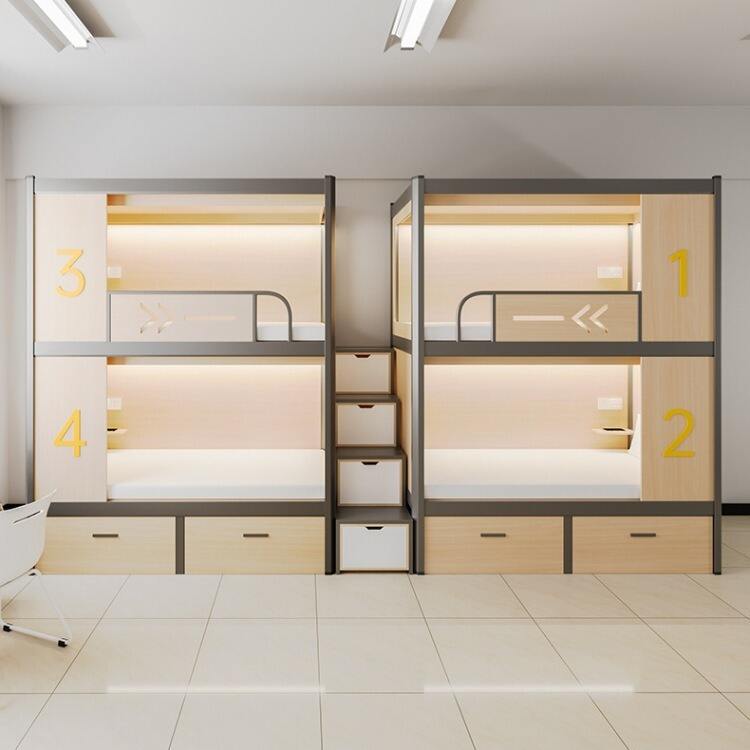
Ang bunk bed ay isang espesyalisadong disenyo ng kasangkapan na may dalawa o higit pang ibabaw para matulog na nakatapat nang pahalang sa loob ng iisang sukat, na nagpapahintulot sa maraming taong matulog sa parehong lugar sa sahig. Ang solusyon sa pagtulog na ito na epektibo sa espasyo ay umunlad mula sa mga barracks ng militar at mga barko sa dagat patungo sa isang madaling gamitin at versatile na opsyon sa kasangkapan para sa tirahan at komersyo, na ginagamit sa mga silid ng mga bata, dormitoryo, hostel, at kahit sa mga espasyo para sa mga matatanda. Ang pag-unawa sa kung ano ang tumutukoy sa isang bunk bed at kung paano nagkakasama ang mga bahagi nito sa istruktura at pagganap ay tumutulong sa mga mamimili na gumawa ng impormadong desisyon tungkol sa kaligtasan, optimal na paggamit ng espasyo, at pangmatagalang paggamit sa iba't ibang kapaligiran para matulog.
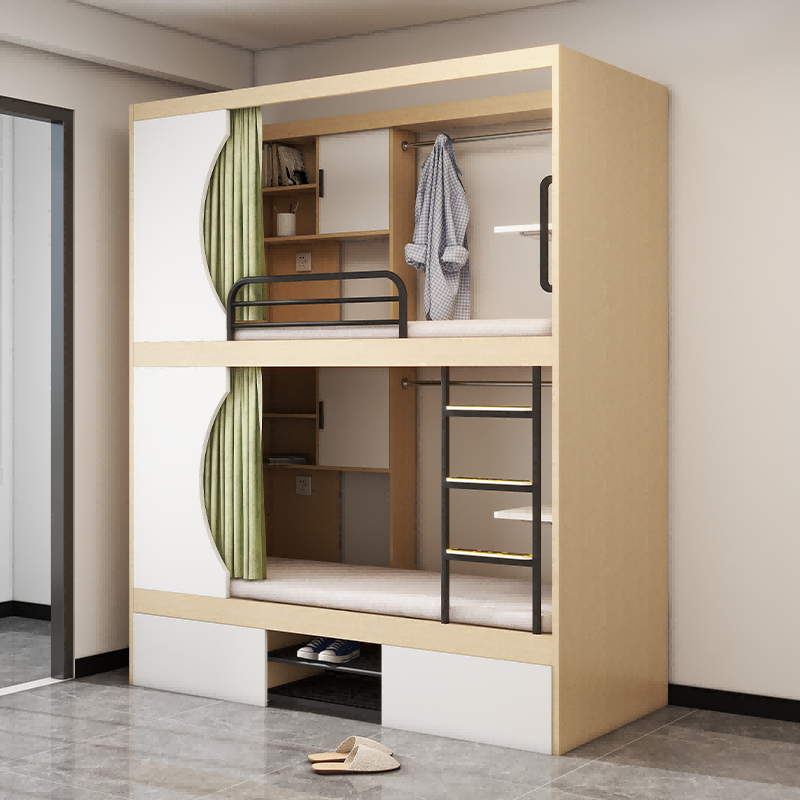
Ang mekanika ng isang kama na may hagdan-hagdan na istruktura ay umaabot pa sa simpleng pahalang na pagkakasunud-sunod, kabilang ang mga inhenyeriyang sistema ng suporta sa istruktura, mga hadlang para sa kaligtasan, mga mekanismo para sa pag-access, at mga prinsipyo sa pamamahagi ng bigat na nagpapaguarantee ng katatagan at kaligtasan ng gumagamit. Ang mga modernong disenyo ng kama na may hagdan-hagdan na istruktura ay pinalalawak ang mga sistema ng hagdan o hagdanan, mga guardrail, mga pinalalakas na frame, at mga hardware na nag-uugnay na sama-sama nang epektibo upang suportahan ang pangkalahatang paggamit sa maraming antas. Kung pinag-iisip man ang tradisyonal na konpigurasyon na twin-over-twin o ang mas kumplikadong triple bunk arrangement, ang pag-unawa sa mga pangunahing prinsipyo ng paggana ng mga sistemang pangkatulog na ito ay nagbibigay-daan sa mga gumagamit na suriin ang kalidad, suriin ang pagkakasunod sa mga pamantayan sa kaligtasan, at maksimisinhin ang mga praktikal na benepisyo ng paggamit ng espasyo sa vertical na direksyon sa mga tirahan o institusyonal na setting.
Mga Pangunahing Bahagi at Depinisyon ng Istukturang Panloob
Mga Pangunahing Elementong Panlabas
Ang pundamental na istruktura ng isang kama na may dalawang antas ay binubuo ng mga patayong poste, mga pahalang na riles, at mga pahalang na suportang slet na bumubuo sa kargang balangkas ng buong kaisipan. Ang mga patayong poste sa sulok ay umaabot mula sa antas ng sahig hanggang sa taas ng pinakamataas na ibabaw para matulog, na karaniwang ginagawa sa solidong kahoy, metal na tubo, o inhinyerong mga materyales na gawa sa kahoy na kinakailangan upang suportahan ang kabuuang timbang ng matras, mga kumot, at tagapagamit. Ang mga poste na ito ay nakakakonekta sa mga pahalang na gilid na riles at mga dulo ng riles sa pamamagitan ng mga perspektibong kabit (mortise-and-tenon joints), mga koneksyon na may bolt, o mga welded seam depende sa materyal ng paggawa, na lumilikha ng isang matigas na parihabang balangkas para sa bawat antas ng pagtulog. Ang distansya sa pagitan ng mga patayong poste at ang kapal ng mga pahalang na riles ay direktang nakaaapekto sa kapasidad ng kama na may dalawang antas na magdala ng bigat at sa kanyang istruktural na integridad sa mahabang panahon ng paggamit.
Ang mga salansan na pahalang o mga sistemang rehas na metal ay kumakatawid sa buong lapad ng bawat platform para matulog, na nagpapabaga ng timbang ng taong nakaupo sa buong paligid ng frame at pinipigilan ang pagbaba o pagkabent ng mattress o ang pagkabent ng frame. Ang mga salansan na ito ay maaaring nakakabit nang permanente sa frame, nakaposisyon sa loob ng mga channel ng gilid na rail, o nakakabit gamit ang mga bracket at turnilyo, kung saan ang distansya sa pagitan ng bawat isa ay inenginyero upang suportahan ang tiyak na uri ng mattress nang walang pangangailangan ng karagdagang box spring. Ang kalidad at dami ng mga elementong ito na nagbibigay-suporta ang nagsasabi kung gaano kahusay ang bunk bed na ipinapasa ang timbang sa sahig sa pamamagitan ng mga patayong poste, na nagtitiyak ng katatagan habang gumagalaw o natutulog. Ang mga premium na disenyo ay mayroon ding sentral na mga beam na sumusuporta na umaabot nang pahaba sa ilalim ng bawat ibabaw para matulog, na nagpapabaga pa ng beban at binabawasan ang piling stress sa mga punto ng koneksyon.
Mga sistema ng sagabal sa kaligtasan
Ang mga guardrail ay kumakatawan sa mahahalagang bahagi ng kaligtasan na kinakailangan sa lahat ng mataas na ibabaw na kinaroroonan ng kama, upang pigilan ang mga naninirahan na mabagsak habang natutulog o dahil sa di-inaasahang paggalaw. Ang mga balangkas na ito ay umaabot nang paitaas mula sa ibabaw ng kama hanggang sa isang regulado na taas sa itaas ng ibabaw ng matras, kung saan ang mga pamantayan sa kaligtasan sa industriya ay karaniwang nangangailangan ng minimum na taas na pito hanggang siyam na pulgada, na sinusukat mula sa tuktok ng nakapindot na matras. Ang pagkakagawa ng guardrail ay sumasalamin sa mga pangunahing materyales ng frame, at konektado sa mga patayong poste sa pamamagitan ng mga bolted attachment, welded joints, o slot-and-pin system na panatilihin ang kahusayan ng istruktura sa ilalim ng lateral pressure. Ang distansya sa pagitan ng bawat spindle ng guardrail o ang puwang sa pagitan ng mga solid panel section ay dapat sumunod sa mga pamantayan para sa pag-iwas sa pagkakaliit (entrapment prevention), na nagpapatitiyak na walang anumang bukas na puwang na maaaring pasukin ng katawan ng isang bata habang nakakapigil sa ulo nito.
Ang mga guardrail sa itaas na kama ay umaabot sa parehong mahabang gilid at sa isang dulo ng ibabaw ng pagtulog, na may bukas na puwang para sa saka o hagdan na naka-istratehiya nang maayos para sa ligtas na pagsisimula at pag-alis. Ang puwang na ito para sa pagpasok ay may kasamang mga seksyon ng guardrail na naka-offset o mga disenyo ng poste na pinalawig upang gabayan ang mga tagapagamit patungo sa mekanismo ng pag-akyat habang pinapanatili ang proteksyon laban sa pagbagsak sa panahon ng karaniwang paggamit. Ang ilang advanced bunk Bed na disenyo ay may mga guardrail na maaaring tanggalin o i-adjust upang magkasya sa iba't ibang taas ng mattress o baguhin ang itaas na kama bilang hiwalay na mataas na kama. Ang mga mababang kama ay maaaring magkaroon ng opsyonal na guardrail para sa mga batang bata o mga indibidwal na nangangailangan ng dagdag na kaligtasan sa pagtulog, bagaman hindi ito pangkalahatang kinakailangan ng mga regulasyon sa kaligtasan para sa mga ibabaw ng pagtulog na nasa antas ng sahig.
Mga Mekanismo ng Pagpasok
Ang mga sistema ng hagdan ay nagbibigay ng pangunahing paraan ng pag-access sa mataas na ibabaw ng kama sa isang bunk bed, na may mga disenyo na mula sa simpleng patayo na mga rung hanggang sa mga nakakurba na hagdan na may mga handrail at integradong imbakan. Ang mga patayong hagdan ay nakakabit nang direkta sa frame ng bunk bed sa bahagi ng paa o gilid nito, na may mga rung na nakahanay sa regular na distansya upang mapadali ang paglalagay ng paa habang umaakyat. Maaaring palaging nakakabit ang mga hagdang ito sa istruktura sa pamamagitan ng welded o bolted na koneksyon, o idisenyo bilang mga maalis na bahagi na nakakabit sa itaas ng mga horizontal na rail para sa flexible na posisyon. Ang lalim at espasyo ng bawat rung ay sumusunod sa mga ergonomic na gabay upang suportahan ang ligtas na pag-akyat para sa target na grupo ng edad, kung saan ang mas malawak na espasyo at mas malalim na ibabaw para sa paa ay angkop para sa mga adult kumpara sa mga bata.
Ang mga mekanismo para sa pag-access na may istilo ng hagdan ay may mas malawak na hakbang at mas mababang taas kumpara sa mga patayong bakal na hagdan, na binabawasan ang pisikal na pagsisikap at mga kinakailangan sa balanse upang maabot ang mga itaas na kama. Ang mga sistemang ito ng hagdan ay karaniwang may nakailang drawer na imbakan sa ilalim ng bawat hakbang o sa gilid ng hagdan, na nagpapalit sa bahagi ng pag-access bilang multifunctional na kasangkapan na nagmamaksima ng kahusayan sa paggamit ng espasyo. Ang mga handrail o mga side panel ay nagbibigay ng karagdagang katatagan habang umaakyat o bumababa, na lalo pang mahalaga para sa mga batang bata o sa paggalaw sa gabi. Ang anggulo ng mga sistemang hagdan ay nakaaapekto sa kailangang horizontal na footprint, kung saan ang mas paunti-unti o banayad na slope ay kumukuha ng mas maraming espasyo sa sahig ngunit nag-aalok ng mas ligtas at komportableng pag-access kumpara sa matatalas na patayong hagdan.
Mga Mekanika ng Paggana at Pagbabahagi ng Beban
Mga Prinsipyo ng Paglipat ng Timbang
Ang operasyonal na mekanika ng isang kama na may hagdanan ay umaasa sa epektibong paglipat ng timbang mula sa mataas na ibabaw para matulog sa pamamagitan ng istruktural na balangkas patungo sa sahig sa ilalim nito, na gumagamit ng inhenyeriyang mga koneksyon at mga katangian ng materyales upang mapanatili ang katatagan. Kapag nakaupo o nakahiga ang isang taong nananahan sa itaas na bahagi ng kama, ang kanilang timbang ay pumipisil sa unan at pumipisil pababa sa mga suportang slat, na nagpapadala ng puwersa sa mga horizontal na side rail sa pamamagitan ng mga punto ng kontak o mga nakakabit na koneksyon. Ang mga side rail na ito ay nagpapamahagi ng beban sa apat na haligi sa sulok sa pamamagitan ng mga koneksyon sa dulo ng rail, na lumilikha ng daanan ng pagpapadala ng puwersa na nagpapalit ng vertikal na presyon sa compressive stress (pwersang pumipisil) sa buong haba ng bawat haligi. Ang maayos na idisenyong kama na may hagdanan ay tiyakin na ang ganitong paglipat ng timbang ay mangyayari nang pantay-pantay sa lahat ng apat na haligi, upang maiwasan ang pagkakaroon ng racking ng frame o diagonal na distorsyon na maaaring makompromiso ang katatagan.
Ang mababang kama ay nagsisimultaneong nagdadala ng timbang ng kanyang sariling mananahan at ng bahagi ng timbang ng istruktura mula sa itaas na kama, kaya kailangan ng mga pinalakas na sistema ng suporta at mas mataas na rating ng pasanin kumpara sa mga karaniwang solong kama. Ang mga sentral na suportang baras ay naging lalo pang mahalaga sa konpigurasyon ng mababang kama upang maiwasan ang labis na pagyuko o permanenteng depekto sa mga pahalang na riles dahil sa kabuuan ng timbang sa loob ng panahon. Ang mga disenyo ng metal na frame ay kadalasang may kasamang triangulated na bracing o diagonal na suportang rod na tumututol sa lateral na paggalaw at nagpapamahagi ng pasanin sa maraming istruktural na landas, samantalang ang mga kahoy na konstruksyon ay umaasa sa lakas ng mga sambungan at kapal ng materyales upang makamit ang katulad na antas ng katatagan. Ang pag-unawa sa mga prinsipyong ito sa pamamahagi ng pasanin ay tumutulong sa mga gumagamit na igalang ang mga limitasyon sa timbang at kilalanin kung kailan kinakailangan ang karagdagang istruktural na suporta o kapalit.
Punsiyon ng Hardware sa Koneksyon
Ang hardware na nag-uugnay sa mga bahagi ng kama na may hagdan-hagdan ay nagtatakda ng kahusayan ng istruktura at pangmatagalang tibay, kung saan ang iba't ibang sistema ng pagpapakabit ay nag-aalok ng magkakaibang antas ng lakas at kalayaan sa pagtitipon. Ang mga koneksyon na pinapakabit gamit ang mga bolt na dumadaan sa mga pre-drilled na butas sa mga patayong poste at pahalang na riles ay lumilikha ng mga siksik na sambungan na tumututol sa paghihiwalay kapag nasa ilalim ng beban, kung saan ang diameter ng bolt at haba ng pag-engage ng thread ay direktang nakaaapekto sa lakas ng koneksyon. Karaniwang kasama sa mga fastener na ito ang mga washer at lock nut upang maiwasan ang pagkaluwag dahil sa vibration o paulit-ulit na siklo ng stress habang ginagamit nang normal. Madalas na tinutukoy ng mga tagagawa ang mga kinakailangang torque para sa tamang pagpapakapit ng mga bolt, upang matiyak na ang mga sambungan ay makakamit ang inilaang lakas nito nang hindi napapadami ang presyon hanggang sa masira ang mga fiber ng kahoy o mag-deform ang mga bahaging metal.
Ang mga sistema ng bracket ay nag-aalok ng alternatibong paraan ng pagkonekta na lalo na karaniwan sa paggawa ng mga kama na may hagdan (bunk bed) na gawa sa metal, na gumagamit ng mga L-shaped o corner bracket na nakabolt sa maraming bahagi ng frame nang sabay-sabay. Ang mga bracket na ito ay nagpapakalat ng mga pwersa ng koneksyon sa mas malawak na lugar ng ibabaw kumpara sa mga solong through-bolt, na binabawasan ang concentration ng stress at nagpapabuti ng resistensya laban sa fatigue ng mga sambungan. Ang ilang disenyo ay may kasamang interlocking hardware systems na may mga pin, clip, o cam lock na nagpapahintulot sa assembly na walang kailangan ng kagamitan habang pinapanatili ang mga kinakailangang istruktural, bagaman ang mga mekanismong ito ay kadalasang nangangailangan ng mas madalas na inspeksyon at pagpapalakas muli kumpara sa tradisyonal na bolted joints. Ang kalidad ng hardware na ginagamit sa koneksyon ay may malaking epekto sa kabuuang kaligtasan at haba ng buhay ng bunk bed, kung saan ang mga fastener na may antas ng industriya ay nagpapaliwanag ng mas mataas na paunang gastos dahil sa mas mahabang service life at mas kaunting pangangailangan ng pagpapanatili.
Mga Tampok na Pagpapabuti ng Katatagan
Ang mga modernong disenyo ng kama na may hagdan-hagdan ay sumasali sa iba't ibang mga tampok na nagpapahusay ng katatagan na gumagana nang lampas sa mga pangunahing kinakailangan ng istruktura upang maiwasan ang pagkabulok, bawasan ang ingay, at panatilihin ang tamang pagkakahanay sa loob ng maraming taon ng paggamit. Ang mga sistema ng pag-ankor sa pader ay nagbibigay marahil ng pinakaepektibong pagpapahusay ng katatagan, na gumagamit ng mga bracket o strap na nag-uugnay sa frame ng kama na may hagdan-hagdan sa mga stud ng pader at nagpapasa ng mga lateral load nang direkta sa istruktura ng gusali. Ang mga mekanismong ito laban sa pagbaling ay lalo pang mahalaga sa mga rehiyon na madalas magkaroon ng lindol o sa mga tahanan na may aktibong mga bata na maaaring umakyat sa mga guardrail o kumikilos sa istruktura habang naglalaro. Ang mga code sa pagtatayo at regulasyon sa kaligtasan sa ilang hurisdiksyon ay nangangailangan ng pag-ankor sa pader para sa mga kama na may hagdan-hagdan na nasa itaas ng tiyak na taas, na kinikilala ang malalang kahihinatnan ng mga insidente ng pagbaling.
Ang pag-optimize ng kontak sa sahig sa pamamagitan ng mga paa na maaaring i-adjust para sa pagpapantay o disenyo ng base plate ay nagtitiyak ng pantay na distribusyon ng timbang sa lahat ng apat na haligi sa sulok, kahit sa mga maliit na hindi pagkakapantay ng sahig. Ang mga mekanismong ito para sa pagpapantay ay nakakapigil sa pag-ungol na maaaring magpaluwang sa mga hardware ng koneksyon sa paglipas ng panahon, habang binabawasan din ang paglipat ng ingay patungo sa mas mababang palapag sa mga gusaling may maraming palapag. Ang ilang premium na disenyo ng bunk bed ay may kasamang mga materyales na pumipigil sa vibrasyon sa mga punto ng kontak sa sahig o sa pagitan ng mga interface ng koneksyon, na nagpapababa ng mga tunog na kumikilos at kumikinang na karaniwang nabubuo sa mga lumalang wooden frame. Ang karagdagang diagonal na suporta na nag-uugnay sa magkasalungat na sulok ng mga rectangular na frame ay nagbibigay ng torsional na rigidity na nakakapigil sa distorsyon na nangyayari sa anyong parallelogram—na karaniwan sa mga ganap na rectangular na assembly—upang mapanatili ang perpendicular na relasyon sa pagitan ng mga horizontal at vertical na bahagi sa buong buhay ng produkto.
Mga Katangian ng Materyales at Pagtatampok ng Pagganap
Dinamika ng Konstruksyon sa Kahoy
Ang mga kama ng kahoy na naka-stack ay gumagamit ng likas na katangian ng lakas ng solidong kahoy o ng mga engineered wood products upang makabuo ng mga istrukturang balangkas na sumusuporta sa timbang ng tao habang nananatiling medyo magaan kumpara sa mga alternatibong metal. Ang mga hardwood tulad ng oak, maple, o birch ay nag-aalok ng mas mataas na ratio ng lakas sa timbang at mas epektibong tumutol sa mga dents o pinsala sa ibabaw kaysa sa mga softwood, bagaman mas mataas ang kanilang presyo at nangangailangan ng mas malalaking kagamitan sa pagmamanupaktura. Samantala, ang mga softwood tulad ng pine, fir, o spruce ay nagbibigay ng sapat na istruktural na pagganap sa mas mababang gastos kapag wasto ang sukat at pagkakasunod-sunod ng mga bahagi, kaya ito ay popular na mga pagpipilian para sa mga buyer na may budget o para sa pansamantalang paggamit bilang lugar ng pagtulog sa mga rental property o student housing.
Ang mga kagamitang kahoy na inengenyero tulad ng plywood, oriented strand board, o laminated veneer lumber ay ginagamit sa ilang bahagi ng bunk bed kung saan ang dimensional stability o pag-optimize ng gastos ay mas mahalaga kaysa sa estetikong atraktibidad ng tunay na kahoy na may buong grano. Ang mga produktong ito ay nag-aalok ng pare-parehong katangian nang walang natural na depekto o pagkakaiba-iba ng grano na maaaring magdulot ng mahinang puntos sa solidong kahoy, bagaman karaniwang kailangan nila ng edge banding o veneer na takip upang makamit ang mataas na kalidad ng panlabas na anyo. Ang nilalaman ng kahalumigmigan sa mga kahoy na bahagi ng bunk bed ay nakaaapekto sa kanilang dimensional stability; ang tamang kiln-dried na kahoy ay panatilihin ang mga toleransya at maiiwasan ang pagkabend o paghiwalay ng mga sambungan na nangyayari kapag ang basang kahoy ay tumutuyo habang ginagamit. Ang mga tagagawa ng mataas na kalidad ay nagtatakda ng target na kisame ng nilalaman ng kahalumigmigan at pinapahintulutan ang kahoy na umaklat sa lokal na kondisyon ng kahalumigmigan bago ang huling pagkakabit, na binabawasan ang mga reklamo sa warranty na may kinalaman sa mga seasonal na pagbabago sa sukat.
Mga Katangian ng Metal na Frame
Ang mga kama na may hagdan na gawa sa metal ay gumagamit ng mataas na lakas at tibay ng bakal o mga alpabang aluminum upang lumikha ng manipis na hugis ng balangkas na nagmamaksima ng espasyo para matulog habang pinakakababaw ang visual na bigat nito. Ang mga tubo na gawa sa bakal na may bilog o parihabang cross-section ay nagbibigay ng mahusay na paglaban sa mga puwersang pinaliwanag at torsional, na nagpapahintulot sa mga tagagawa na tupdin o lampasan ang mga kinakailangan sa kapasidad ng timbang gamit ang mas maliit na dami ng materyales kumpara sa mga kahoy na kahalili. Ang kapal ng pader sa mga tubong metal ay direktang nakaaapekto sa mga katangian ng lakas, kung saan ang mas makapal na mga materyales ay sumusuporta sa mas mataas na beban ngunit nagdaragdag ng timbang at gastos sa natapos na produkto. Ang konstruksyon na may welding sa mga kama na may hagdan na gawa sa metal ay lumilikha ng permanenteng mga sambungan na mas malakas kaysa sa orihinal na materyal kapag tama ang paggawa nito, na nag-aalis ng anumang pag-aalala tungkol sa pagkaluwag ng mga fastener na karaniwang nararanasan sa mga kahoy na balangkas na may bolt.
Ang powder coating o mga pinturang likido ay nagpaprotekta sa mga ibabaw ng metal na bunk bed mula sa korosyon habang nagbibigay ng dekoratibong mga opsyon sa kulay na umaakord sa iba't ibang istilo ng kuwarto. Ang mga coating na ito ay kailangang makamit ang sapat na kapal at pagdikit upang maiwasan ang pagkachip o pagkawala ng takip sa mga lugar na may mataas na kontak tulad ng mga rung ng hagdan o tuktok ng mga guardrail, kung saan ang paulit-ulit na paghawak ng kamay ay unti-unting nagpapahina sa mga mababang kalidad na finishing. Ang ilang disenyo ng metal ay may kasamang plastic o vinyl na end cap sa mga dulo ng tubing upang maiwasan ang mga matutulis na gilid at magbigay ng karagdagang proteksyon laban sa korosyon sa mga putol na dulo kung saan ang pagkakalantad ng base metal ay maaaring magsimula ng pagkakaroon ng rust. Ang likas na resistance sa apoy ng konstruksyon na gawa sa metal ay nagbibigay ng mga pakinabang sa kaligtasan sa mga institusyonal na setting kung saan ang mga building code ay nagpapataw ng mahigpit na mga kinakailangan sa flammability, bagaman ang mga ibabaw ng metal ay mas madaling nanghihinga ng temperatura kaysa sa kahoy at maaaring pakiramdamang malamig sa unang pagkontak sa mga hindi pinainit na espasyo.
Mga Pamamaraan ng Hybrid na Konstruksyon
Ang mga disenyo ng hybrid na bunk bed na pagsasama-sama ng mga bahagi na gawa sa metal at kahoy ay gumagamit ng pinakamainam na katangian ng bawat materyal sa mga aplikasyon kung saan sila nagbibigay ng pinakamataas na kapakinabangan. Ang karaniwang hybrid na konpigurasyon ay gumagamit ng mga frame na gawa sa metal para sa mga estruktural na bahagi na nakakaranas ng pinakamataas na stress concentration, samantalang isinasama ang mga tread ng hagdan na gawa sa kahoy, mga takip ng guardrail, o dekoratibong panel kung saan ang estetika ng likas na materyal ay nagpapataas ng visual appeal. Ang pagsasama-sama ng mga materyal na ito ay nagpapahintulot sa mga tagagawa na abot-kaya ang target na presyo sa pamamagitan ng pag-iimbak ng mahal na hardwood para lamang sa mga nakikita na ibabaw, habang ginagamit ang murang metal tubing para sa mga nakatagong estruktural na bahagi. Ang mga interface ng koneksyon sa pagitan ng magkakaibang materyal ay nangangailangan ng maingat na engineering upang maiwasan ang galvanic corrosion kung saan ang mga metal na fastener ay nakakapag-ugnayan sa kahoy sa presensya ng kahalumigmigan, o ang stress concentration kung saan ang matitigas na metal na bahagi ay sumasali sa mas flexible na kahoy na elemento.
Ang mga pangunahing pakinabang sa pagganap ng konstruksyon ng hybrid na bunk bed ay kinabibilangan ng nabawasan na kabuuang timbang kumpara sa mga disenyo na gawa sa buong metal, habang pinapanatili ang labis na lakas kumpara sa mga alternatibong produkto na gawa sa buong kahoy—na nagbubunga ng mga produkto na mas madaling ilipat kapag inaayos muli ang silid nang hindi nawawala ang mga margin ng kaligtasan. Ang mga katangiang pang-init ng mga disenyo na may halo ng materyales ay pinauunlad ang mainit at nakakapagpagaan na pakiramdam ng kahoy sa mga ibabaw na nakikisalamuha sa katawan, kasabay ng kahusayan sa istruktura ng mga balangkas na gawa sa metal—na sumasagot sa kagustuhan ng mga gumagamit sa mga likas na materyales nang hindi ganap na binabalewala ang mga benepisyong dulot ng tibay ng konstruksyon na gawa sa metal. Ang pagmamanupaktura ng mga hybrid na bunk bed ay nangangailangan ng mas kumplikadong mga proseso sa pag-aassemble at mga pamamaraan sa pagkontrol ng kalidad kumpara sa mga paraan na gumagamit lamang ng isang uri ng materyal—na maaaring magdulot ng mas mataas na gastos sa produksyon na kailangang balansehin ng mga tagapagmanupaktura sa mga pakinabang sa merkado at sa pagkakaiba ng pagganap sa mga kompetitibong retail na kapaligiran.
Mga Pangunahing Konpigurasyon at Pag-optimize ng Espasyo
Mga Karaniwang Variasyon sa Pagsasaayos
Ang konpigurasyon na twin-over-twin ay kumakatawan sa pinakakaraniwang pagkakaayos ng kama na bunk bed, kung saan dalawang identikal na ibabaw para sa pagtulog—na may sukat na katumbas ng karaniwang twin mattress na humigit-kumulang na 39 pulgada ang lapad at 75 pulgada ang haba—ay inilalagay nang pahalang. Ang simetrikong disenyo na ito ay nagmamaksima ng kapasidad para sa pagtulog gamit ang pinakamaliit na espasyo sa sahig, na nakakatanggap ng dalawang bata o bisita sa mga kuwarto kung saan ang paglalagay ng magkahiwalay na kama ay kumukuha ng labis na lugar o nakakabarra sa sapat na espasyo para sa paggalaw. Ang vertical na paghihiwalay sa pagitan ng mga bunk ay karaniwang nasa pagitan ng 30 hanggang 40 pulgada ng malinis na espasyo sa itaas, na nagbibigay ng sapat na puwang para umupo nang tuwid sa lower bunk habang pinapanatili ang kabuuang taas sa loob ng karaniwang limitasyon ng kataasan ng kisame. Ang pagkakaayos na ito ay lubos na epektibo para sa mga magkakapatid na nagbabahagi ng kuwarto o para sa mga property na pangbakasyon na nagmamaksima ng bilang ng bisita sa loob ng limitadong bilang ng kuwarto.
Ang mga configuration na twin-over-full ay pinalalawak ang ibabang ibabaw para matulog upang maging isang kumpletong sukat na mattress na may lapad na humigit-kumulang sa limampu't apat na pulgada, na sumasapat sa mga nakatatandang bata, mga teenager, o mga bisita na matatanda na nangangailangan ng mas malawak na espasyo para matulog kaysa sa karaniwang sukat ng twin. Ang di-simetrikong pagkakaayos na ito ay nananatiling sumusunod sa prinsipyo ng pahalang na pag-stack upang makatipid ng espasyo habang nagbibigay din ng kakayahang umangkop para sa mga tahanan kung saan ang ibabang kama ay ginagamit sa maraming layunin, tulad ng upuan sa araw o para sa dalawang maliit na bata na magkakasama sa pagtulog. Ang dagdag na lapad ng ibabang mattress ay nangangailangan ng katumbas na pagbabago sa sukat ng frame, na nagpapalawak sa kabuuang footprint nito nang lampas sa mga modelo na twin-over-twin, bagaman nananatili pa rin ang kahusayan nito sa paggamit ng espasyo kumpara sa pagkakalagay ng hiwalay na mga kama na twin at full sa loob ng parehong silid. Ang mga disenyo na full-over-full ay lalo pang pinalalawak ang parehong ibabaw para matulog, na lumilikha ng malalaking beban ng timbang na nangangailangan ng mas matibay na istruktural na mga sangkap at karaniwang nagreresulta sa mas mataas na kabuuang taas—na maaaring magdulot ng hamon sa karaniwang kaluwangan ng kisame.
Mga Disenyong L-Forma at Perpendikular
Ang mga konpigurasyon ng kama na may hagdan na L-forma ay ino-oriyent ang itaas at ibabang ibabaw para matulog sa angle na ninti-degree sa isa't isa, na lumilikha ng mga pinaligid na ayos na gumagamit ng heometriya ng kuwarto nang mas epektibo kaysa sa parallel na pag-stack sa ilang mga plano ng sahig. Ang ganitong perpendikular na oriyentasyon ay nagpapahintulot sa ibabang kama na umabot kasalong isang pader samantalang ang itaas na kama ay umaabot kasalong isang kapit-bilang na pader, na kadalasan ay lumilikha ng magagamit na espasyo sa ilalim ng itaas na kama para sa mga desk, yunit ng imbakan, o lugar para sa paglalaro. Ang istruktural na balangkas ng mga disenyo na L-forma ay nangangailangan ng karagdagang suporta sa sulok na persyong kung saan nagkakasalubong ang mga suporta ng itaas at ibaba, upang matiyak ang sapat na rigidity kahit na may mga asymmetrical na load path na dulot ng perpendikular na mga ibabaw para matulog. Ang konpigurasyong ito ay lubos na epektibo sa mga kuwartong parisukat o halos parisukat kung saan ang paggamit ng sulok ay nagbibigay ng mas mainam na mga opsyon sa pag-aayos ng mga kagamitan kumpara sa linear na pagkakalagay sa pader.
Ang bukas na espasyo sa sahig na nabuo sa ilalim ng mga mataas na bahagi ng L-shaped na bunk beds ay nagpapabago ng dati nang hindi magagamit na vertical na volume sa mga praktikal na lugar para sa mga gawain bukod sa pagtulog. Madalas na inilalagay ng mga magulang ang mga mesa para sa takdang-aralin, mga sulok para sa pagbasa, o imbakan ng laruan sa mga protektadong lugar na ito, upang mapabilis ang paggamit ng silid nang hindi kailangang magdagdag ng karagdagang kasangkapan na magpapalaki ng kaguluhan sa sahig. Ang ilang mga tagagawa ay nag-aalok ng mga integrated na L-shaped na sistema na may kasamang built-in na mesa, mga shelf, o mga komponente ng closet bilang bahagi ng assembly ng bunk bed, na lumilikha ng komprehensibong solusyon para sa kasangkapan ng silid-tulugan na tumutugon sa maraming pangunahing pangangailangan sa loob ng isang iisa at koordinadong disenyo. Ang mas mataas na kumplikado ng mga frame na L-shaped ay karaniwang nagreresulta sa mas mataas na gastos sa produksyon at mas mahirap na proseso ng pag-aassemble kumpara sa mga karaniwang parallel na bunk beds, bagaman ang mga benepisyo sa paggamit ng espasyo ay madalas na nagpapaliwanag sa mas mataas na presyo para sa mga pamilya na pinakamainam na ginagamit ang mga maliit na layout ng silid-tulugan.
Mga Loft Bed at Pagsasama ng Pag-aaral
Ang mga konpigurasyon ng loft bed ay ganap na inaalis ang ibabang ibabaw para sa pagtulog, na itinaas ang isang solong platform para sa matras sa loob ng isang estruktural na balangkas na katulad ng itaas na bahagi ng karaniwang bunk bed. Ang disenyo na ito ay lumilikha ng malaking bukas na espasyo sa ilalim ng lugar para sa pagtulog, na kadalasan ay umaabot sa higit sa anim na talampakan ng malinaw na taas na kaya pangpasukin ng mga nakatayo nang buo o kaya panglagyan ng mga kagamitang pang-tahanan na may buong taas. Ang espasyong natirang sa sahig ay karaniwang ginagamit para sa mga mesa para sa pag-aaral kasama ang mga shelving sa itaas, mga workstation para sa kompyuter, o mga upuan para sa pahinga na kailangan sana ng hiwalay na espasyo sa sahig sa mga tradisyonal na layout ng kuwarto. Madalas gamitin ang mga estratehiya ng loft bed sa mga dormitoryo ng kolehiyo at maliit na urban na apartment upang makamaximize ang functional density sa loob ng napakaliit na sukat ng silid, na sa madaling salita ay dobleng gumagamit ng kapasidad ng sahig sa pamamagitan ng paggamit ng vertikal na espasyo.
Ang mga integrated loft systems ay nagsasama ng mga desk, dresser, o mga bahagi ng closet bilang mga istruktural na elemento ng kabuuang frame, na nagpapamahagi ng mga beban ng timbang sa mga piraso ng kagamitan na gumagampan ng dalawang tungkulin—bilang imbakan at suporta para sa bunk bed. Ang mga komprehensibong instalasyon na ito ay madalas na may kasamang hagdan o hagdanan na may mga drawer para sa imbakan, na nagmamaksimize sa bawat cubic foot ng espasyo sa loob ng footprint ng kagamitan. Ang mga istruktural na kinakailangan para sa loft beds ay katulad ng mga kinakailangan para sa itaas na antas ng tradisyonal na bunk bed, kung saan kinakailangan ang katumbas na mga guardrail, kapasidad sa timbang, at mga katangian ng katatagan upang matiyak ang kaligtasan ng gumagamit sa mataas na ibabaw para sa pagtulog. Ang ilang disenyo ay nag-aalok ng mga adjustable na setting ng taas na nagpapahintulot na bawasan ang taas ng platform para sa pagtulog habang lumalaki ang mga bata o kapag nagbabago ang pangangailangan sa espasyo, na nagpapahaba ng kapaki-pakinabang na gamit ng produkto sa iba't ibang yugto ng buhay nang hindi kailangang palitan ang buong kagamitan.
Mga Pamantayan ng Seguridad at Paggawa Ayon sa Batas
Mga Kinakailangan sa Pag-iwas sa Pagkapasok sa Mga Panganib
Ang mga regulasyon sa kaligtasan na sumasakop sa disenyo ng kama na may hagdan ay nakatuon nang husto sa pag-iwas sa pagkakalitong, na nagtatakda ng mga hangganan sa sukat upang maiwasan ang pagkakalito ng ulo o katawan ng mga bata sa mga bukas na puwang sa pagitan ng mga bahagi ng istruktura. Ang mga pamantayan ng industriya ay nagsasaad na ang mga bukas na puwang sa mga pader na pananggalang, sa pagitan ng mga hakbang ng hagdan, o sa mga lugar kung saan ang matras ay sumasalubong sa balangkas ay dapat sukatin nang mas maliit sa tatlong pulgada at kalahati upang maiwasan ang pumasok na ulo, o mas malaki sa siyam na pulgada upang payagan ang buong pagdaan ng katawan nang walang panganib na mahawakan ang leeg. Ang kritikal na saklaw ng sukat na ito—mula sa tatlong pulgada at kalahati hanggang sa siyam na pulgada—ay kumakatawan sa mapanganib na zona kung saan ang katawan ng isang bata ay maaaring makapasok sa isang bukas na puwang habang ang mas malaking ulo nito ay nananatiling nakakapit, na lumilikha ng panganib na pagkabuhol kapag sinusubukan nitong umatras.
Ang mga sistema ng pagpigil sa matras ay nagpapatiyak na ang ibabaw kung saan natutulog ay hindi makakagalaw o makakapigil sa paraang magbubuo ng mga puwang na maaaring magdulot ng pagkakasara sa paligid ng frame, kaya kailangan ang patuloy na kontak o napakaliit na agwat sa pagitan ng mga gilid ng matras at ng mga nakapalibot na guardrail. Ang mga regulasyon ay karaniwang nagtatakda ng pinakamalaking payag na agwat na dalawang pulgada at kalahati sa pagitan ng gilid ng matras at ng guardrail kapag ang matras ay inililipat papunta sa isang gilid ng frame, upang maiwasan ang mga sitwasyon kung saan maaaring mahulog o mahulas ang mga bata sa mas malalaking bukas habang gumagalaw sila habang natutulog. Ang mga sistema ng suporta para sa base ay dapat pigilan ang mga matras na bumaba sa ilalim ng itinakdang taas kapag binibigyan ng beban, na panatilihin ang sapat na haba ng mga guardrail sa itaas ng ibinabawasan na ibabaw ng matras sa buong buhay ng produkto. Ang pagsusuri para sa pagkakasunod-sunod ay nagpapasa sa mga bunk bed ng paulit-ulit na pagloload na kumakatawan sa mga taon ng paggamit, upang patunayan na ang mga koneksyon ng hardware at mga istruktural na bahagi ay nananatiling sumusunod sa mga kinakailangang sukat kahit na may wear at fatigue.
Sertipikasyon ng Kapasidad sa Bigat
Itinatag ng mga tagagawa ang mga rating ng kapasidad ng timbang para sa mga ibabaw ng kama na may hagdan-hagdan sa pamamagitan ng pagsusuri sa istruktura kung saan inaaplay ang mga beban na lumalampas sa inaasahang timbang ng gumagamit at sinusuri ang pagkiling ng frame, integridad ng mga koneksyon, at permanenteng depekto. Ang mga karaniwang protokol sa pagsusuri ay kadalasang nagtatakda ng minimum na mga kinakailangan sa kapasidad na nasa pagitan ng dalawang daan hanggang apat na daan na libra bawat ibabaw ng pagtulog, depende sa target na grupo ng edad ng gumagamit, kung saan ang mas mataas na rating ay kinakailangan para sa mga produkto na ipinamamarka para sa pangkalahatang gamit ng mga matatanda o para sa institusyonal na aplikasyon. Ang mga espesipikasyong ito sa kapasidad ay sumasaklaw sa static na timbang ng taong nakaupo kasama ang dynamic na puwersa na nabubuo habang gumagalaw, pumasok, lumabas, at sa mga pansamantalang gawain tulad ng pagtalon o malakas na paglalaro na lumilikha ng pansamantalang tuktok sa beban na lumalampas sa timbang lamang ng katawan.
Ang mga margin ng kaligtasan na isinama sa mga rating ng kapasidad ay nagbibigay ng buffer sa pagitan ng inilathala ng mga limitasyon at ng aktuwal na mga punto ng structural na pagkabigo, na nagsisigurong ang mga pangyayaring paminsan-minsan na lumalampas sa mga ito ay hindi agad na sumisira sa kaligtasan o nagdudulot ng katas-tasang pagbagsak. Ang mga mapag-ingat na tagagawa ay maaaring idisenyo ang mga frame upang suportahan ang mga load na dalawa o tatlong beses na ang inilathala nilang rating ng kapasidad, na tinatanggap ang mas mataas na gastos sa materyales upang makamit ang mas mahusay na tibay at pagganap sa kaligtasan. Dapat igalang ng mga gumagamit ang mga inilathalang limitasyon sa timbang upang matiyak na ang kanilang tiyak na bunk bed ay patuloy na gumagana nang ligtas sa buong buhay ng serbisyo nito, na may kamalayan na ang paglampas sa mga rating ng kapasidad ay pabilisin ang pagkasira, magpapalabo sa mga koneksyon, at maaaring kanselahin ang warranty ng tagagawa. Ang mga institusyonal na bumibili para sa mga dormitoryo, tirahan para sa mga nasalanta, o aplikasyon sa militar ay kadalasang nagtatakda ng mas mataas na kapasidad sa timbang kaysa sa mga pamantayan para sa residensyal, na hinaharap ang mas mabigat na mga adult na gumagamit at mas intensibong mga pattern ng paggamit kumpara sa mga aplikasyon sa silid-tulugan ng mga bata.
Mga Gabay sa Paghihigpit Batay sa Edad
Ang mga organisasyon at katawan ng regulasyon na nakatuon sa kaligtasan ng mga bata ay karaniwang inirerekomenda ang pagbabawal na payagan ang mga batang wala pang anim na taong gulang na matulog sa itaas na kama, na kinikilala ang mga limitasyon sa kanilang pag-unlad sa balanse, kamalayan sa espasyo, at kakayahan sa pagsagot sa emergency na nagpapataas ng panganib ng pagkakabagsak. Ang mga gabay sa edad na ito ay kinikilala na ang mas batang mga bata ay maaaring kulang sa koordinasyon na kailangan para sa ligtas na pag-akyat sa hagdan, lalo na sa gabi kapag pupunta sila sa banyo at ang pagkakatulog ay nakakaapekto sa kontrol sa motor at paghuhusga. Ang mga magulang na naglalagay ng bunk bed sa mga kuwarto na pinagbabahagian ng mga bata na may iba't ibang edad ay karaniwang nagtatalaga ng mga nakakatandang kapatid sa itaas na kama samantalang ang mga batang kapatid ay nasa mas mababang posisyon, upang mabawasan ang panganib ng pagkakabagsak habang nananatili pa rin ang benepisyong pang-espasyo ng mga pahalang na istruktura ng pagtulog.
Ang mga tagagawa ay kung minsan ay isinasama ang mga katangian sa disenyo na angkop sa edad, na pisikal na hinahadlangan ang mga napakabatang bata mula sa pag-access sa itaas na kama nang walang tulong ng isang matanda, tulad ng mga hakbang ng hagdan na malayo ang distansya para sa mga hakbang ng toddler o mga bahagi na maaaring alisin upang ma-access, na maaari lamang i-install ng mga magulang kapag ang mga bata ay umabot na sa angkop na edad. Ang mga babala na nakalagay sa balangkas ng kama na may hagdan ay nagpapahayag ng mga restriksyon batay sa edad at gabay sa kaligtasan nang direkta sa mga gumagamit, na natutupuan ang mga regulasyon para sa pagseserbi ng babala tungkol sa peligro habang tinuturuan din ang mga bumibili tungkol sa tamang limitasyon sa paggamit. Ang mga institusyonal na pasilidad na naglilingkod sa populasyon na may halo-halong edad ay madalas na nagtatatag ng panloob na patakaran na nagbabawal sa pagtatalaga ng itaas na kama batay sa edad, kakayahan sa pag-unlad, o medikal na kondisyon na nakaaapekto sa balanse at paggalaw, na nagpapatupad ng administratibong kontrol na sumusuporta sa mga pisikal na katangian ng disenyo upang maiwasan ang mga aksidente.
Madalas Itanong
Ano ang karaniwang taas ng kama na may hagdan at kasya ba ito sa ilalim ng karaniwang kisame?
Ang karaniwang mga kama na may dalawang antas ay karaniwang may kabuuang taas na animnapu hanggang pitumpu't dalawang pulgada mula sa sahig hanggang sa tuktok ng itaas na guardrail, na kumakasya nang komportable sa ilalim ng karaniwang taas ng kisame sa tirahan na walo o siyamnapu't anim na pulgada. Ito ay nagbibigay ng sapat na espasyo para sa taong nakatira sa itaas na kama na umupo nang tuwid nang hindi hinahampas ang kisame habang pinapanatili ang tamang taas ng guardrail sa itaas ng ibabaw ng matras. Ang mga pasadyang disenyo o mga sobrang mataas na modelo ay maaaring lumampas sa mga sukat na ito, kaya kailangang i-verify ang mga sukat laban sa tiyak na taas ng kisame bago bilhin. Ang pahalang na espasyo sa pagitan ng mga kama ay karaniwang nagbibigay ng tatlumpu hanggang apatnapu't pulgada ng malayang espasyo sa mas mababang antas, na sapat para umupo ngunit hindi para tumayo nang tuwid.
Maaari bang gamitin nang ligtas ng mga matatanda ang mga kama na may dalawang antas o para lamang sa mga bata?
Ang mga matatanda ay maaaring ligtas na gamitin ang mga kama na may hagdan (bunk beds) bila ng partikular na modelo ay may sapat na rating sa kapasidad ng bigat at angkop na sukat para sa proporsyon ng katawan ng mga matatanda. Maraming tagagawa ang gumagawa ng mga kama na may hagdan na partikular na inirerekomenda para sa paggamit ng mga matatanda, na may mga pinalakas na frame, mas mataas na limitasyon sa bigat na umaabot sa higit sa apat na daang libra bawat hagdan, at mas mahabang ibabaw para sa tulog na sumasakop sa twin XL o full-size na mga mattress. Sa mga institusyonal na aplikasyon—tulad ng mga barracks ng militar, mga estasyon ng bombero, at tirahan ng mga manggagawa—karaniwang ginagamit ang mga kama na may hagdan na inirerekomenda para sa mga matatanda, na idinisenyo para sa mas mabigat na gumagamit at mas intensibong pattern ng paggamit kaysa sa mga modelo para sa silid-tulugan ng mga bata. Dapat suriin ng mga bumibili ang parehong kapasidad sa bigat at sukat ng mattress upang siguraduhing angkop ito para sa mga matatanda, imbes na ipagpalagay na ang lahat ng mga kama na may hagdan ay para lamang sa mga bata.
Gaano kahirap i-assemble ang isang kama na may hagdan at anong mga kagamitan ang kailangan?
Ang kumplikadong pag-aassemble ng bunk bed ay nag-iiba depende sa disenyo, ngunit karaniwang nangangailangan ng dalawang matatanda na magtutulungan sa loob ng dalawa hanggang apat na oras gamit ang mga pangunahing kagamitang pangkamay tulad ng screwdrivers, wrenches, o hex keys na karaniwang kasama sa produkto. Ang karamihan sa mga tagagawa ay nagbibigay ng detalyadong mga manual ng instruksyon na may step-by-step na diagram upang gabayan ang tamang pagkakasunod-sunod ng pagkonekta ng mga bahagi at ang tamang pag-install ng hardware. Ang pinakamahalagang aspeto ng pag-aassemble ay ang pagtiyak na lahat ng mga bolt ay sapat na higpit ayon sa mga teknikal na tukoy at ang pagsusuri kung ang mga guardrail ay nakakabit nang ligtas bago payagan ang paggamit. Ang ilang mga kumplikadong disenyo na may kasamang hagdan, imbakan, o integrated na desk ay maaaring mangailangan ng karagdagang oras at posibleng power tools para sa mas epektibong pag-aassemble, bagaman ang mga tagagawa ay karaniwang idinisenyo ang mga produkto para sa pag-aassemble ng konsyumer nang walang espesyal na kagamitan.
Kailangan ba ng mga espesyal na mattress ang mga bunk bed o pwedeng gamitin ang karaniwang mattress?
Ang karamihan sa mga kama na may dalawang antas ay sumasakop sa karaniwang sukat ng mga matras sa loob ng mga itinakdang limitasyon sa kapal, na kadalasang nangangailangan ng mga matras na hindi lalampas sa anim hanggang walong pulgada ang kapal upang mapanatili ang tamang taas ng mga pader-pangkaligtasan sa itaas ng ibabaw kung saan natutulog. Ang mas makapal na mga matras ay binabawasan ang epektibong proteksyon ng mga pader-pangkaligtasan at maaaring magdulot ng panganib na pagkakaliit kung sila ay lubos na napipiga sa ilalim ng bigat, na nagbubukas ng mga puwang sa pagitan ng mga gilid ng matras at ng mga nakapaligid na hadlang. Ang mga kinakailangan sa basehan ay iba sa mga karaniwang kama dahil ang karamihan sa mga kama na may dalawang antas ay may kasamang sistema ng mga tabla para sa suporta na nag-aalis ng pangangailangan ng mga box spring, na kung gagamitin ay tataas ang taas ng matras nang labis at magdudulot ng kawalan ng katatagan. Dapat suriin ng mga bumibili ang pagkakatugma ng sukat ng matras at ang mga espesipikasyon ng maximum na kapal para sa kanilang tiyak na modelo ng kama na may dalawang antas upang matiyak ang pagkakasunod sa mga pamantayan sa kaligtasan at ang tamang pagkasya sa loob ng disenyo ng frame.
Talaan ng Nilalaman
- Mga Pangunahing Bahagi at Depinisyon ng Istukturang Panloob
- Mga Mekanika ng Paggana at Pagbabahagi ng Beban
- Mga Katangian ng Materyales at Pagtatampok ng Pagganap
- Mga Pangunahing Konpigurasyon at Pag-optimize ng Espasyo
- Mga Pamantayan ng Seguridad at Paggawa Ayon sa Batas
-
Madalas Itanong
- Ano ang karaniwang taas ng kama na may hagdan at kasya ba ito sa ilalim ng karaniwang kisame?
- Maaari bang gamitin nang ligtas ng mga matatanda ang mga kama na may dalawang antas o para lamang sa mga bata?
- Gaano kahirap i-assemble ang isang kama na may hagdan at anong mga kagamitan ang kailangan?
- Kailangan ba ng mga espesyal na mattress ang mga bunk bed o pwedeng gamitin ang karaniwang mattress?