
 EN
EN
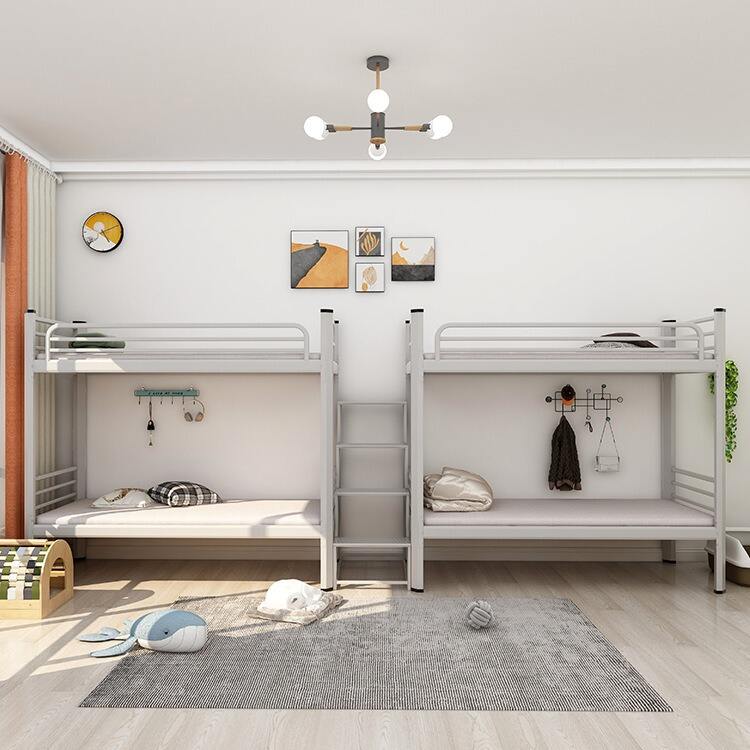
Ang pag-optimize ng espasyo sa mga maliit na kapaligiran para sa tirahan ay naging isang mahalagang konsiderasyon para sa mga pampamayanan na pasilidad, dormitoryo, at kompaktoong urbanong apartment. Habang tumataas ang presyo ng real estate at sumisikip ang mga espasyo para sa tirahan, ang mga disenyador ng kasangkapan at mga tagapangasiwa ng pasilidad ay lalong kumikilos patungo sa mga solusyon na pahalang—na nagmamaksima sa magagamit na lugar sa sahig nang hindi binabawasan ang kakayahang gumana. Ang isang bunk bed ay isa sa pinakaepektibong estratehiya sa paggamit ng espasyo, na binabago ang paraan kung paano ginagamit ng mga mananahan ang limitadong sukat ng silid sa pamamagitan ng paggamit sa madalas na di-ginagamit na dimensyon na pahalang ng loob ng mga espasyo. Ang ganitong pahalang na pagkakalagay para sa pagtulog ay pundamental na nagbabago sa istruktura ng layout ng silid, na lumilikha ng mga oportunidad para sa karagdagang pagkakalagay ng kasangkapan, mga daanan para sa paggalaw, at mga lugar para sa gawain na kung hindi man ay mananatiling hindi ma-access sa mga silid na may tradisyonal na pagkakalagay.
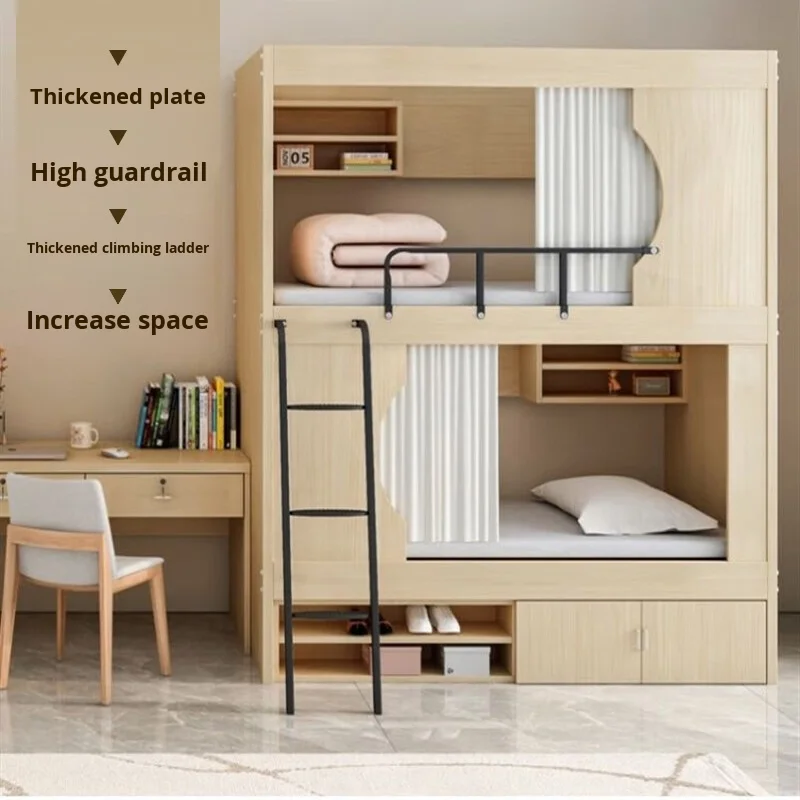
Ang pag-unawa sa mga tiyak na mekanismo kung paano nagsisipagtipid ng espasyo ang isang kama na may hagdanan ay nangangailangan ng pagsusuri sa parehong heometriya ng layout ng kuwarto at sa mga praktikal na implikasyon ng pagbawas sa sukat ng lugar na kinokupkop ng mga kasangkapan. Kapag dalawang hiwalay na kama ang nakapalagay sa isang kuwarto, karaniwang umaabot sila sa paggamit ng animnapu hanggang walongpu't isang square foot ng espasyo sa sahig, depende sa sukat ng matras at sa kinakailangang puwang. Sa pamamagitan ng pagsasalansan ng mga ibabaw na pangtulog nang pahalang, ang isang kama na may hagdanan ay pinipigil ang nasabing lugar sa humigit-kumulang tatlumpu hanggang apatnapu't isang square foot, na epektibong nagpapalaya ng kalahati ng espasyo sa sahig para sa iba pang gamit. Ang espasyong nabawi na ito ay naging mahalaga sa pagtanggap ng mga mesa, mga yunit ng imbakan, mga lugar para sa libangan, o kahit na sa pagbibigay ng mas komportableng daanan para sa paggalaw na nagpapabuti sa kabuuang kalidad ng pananahan sa mga bakuran na may limitadong espasyo.
Prinsipyo ng Paggamit ng Patayong Espasyo
Pagbabago ng Hindi Ginagamit na Taas ng Kisame sa Functionality na Area
Ang karamihan sa mga tirahan at pasilidad na pang-institusyon ay may taas ng kisame na nasa pagitan ng walo hanggang sampung talampakan, ngunit ang karaniwang pagkakahanay ng mga kasangkapan ay bihira nang magamit ang itaas na bahagi ng espasyong vertikal na ito. Ang isang bunk bed ay direktang tumutugon sa kawalan ng kahusayan na ito sa pamamagitan ng paglalagay ng pangalawang ibabaw para sa pagtulog sa dating walang laman na lugar sa pagitan ng apat hanggang pito talampakan sa itaas ng sahig. Ang pananaw na arkitektural na ito ay nagbabago ng nawawalang espasyo sa hangin sa produktibong kuwarto para sa pagtulog, na epektibong dobleng dumadami sa kapasidad ng kuwarto para sa pagtulog nang hindi lumalawig ang kanyang horizontal na sukat. Ang istrukturang disenyo ng isang bunk bed ay nagtatag ng matatag na balangkas na ligtas na sumusuporta sa mataas na mattress habang pinapanatili ang sapat na espasyo sa itaas para sa nasa ibaba, na karaniwang nagpapanatili ng dalawampu’t apat hanggang tatlumpu’t anim na pulgada ng malaya sa pagitan ng ibabaw ng mattress sa ibaba at ng frame ng kama sa itaas.
Pagpalaya sa Lupang Sakop sa Pamamagitan ng Pagpapakumbinsi
Ang kahusayan sa espasyo ng isang kama na may hagdan-hagdang istruktura ay pinakamalinaw na nakikita kapag inihahambing ang tradisyonal na pagkakasunud-sunod ng dalawang kama sa mga nakatapat o nakabukod na konpigurasyon. Ang dalawang karaniwang kama na may sukat na twin na nakaayos nang magkatabi o sa hugis-L ay kumukuha ng malaking bahagi ng sahig, at kadalasan ay nangangailangan pa ng karagdagang puwang sa paligid ng bawat yunit para sa paggawa ng kama, madaling pag-access, at pagsunod sa mga pamantayan sa kaligtasan. Ang pagsasama-sama na nangyayari sa pamamagitan ng vertikal na pag-stack ay nag-aalis ng mga sobrang lugar para sa paggalaw at mga puwang sa paligid, na binabawasan ang kabuuang lugar na kinokupkop ng mga kasangkapan ng humigit-kumulang apatnapu’t lima hanggang limampu’t porsyento. Ang nabawi na lugar sa sahig ay naging direktang magagamit na metro kuwadrado na maaaring gamitin para sa mga kasangkapan sa pag-aaral, imbakan para sa damit, o kagamitan sa libangan—na kung hindi man ay kailangang ilipat sa mga pangkaraniwang lugar o sa mga pasilidad ng panlabas na imbakan.
Optimalisasyon ng Sukat sa Mga Kapit-paligid na May Kakaunting Espasyo
Ang mga maliit na silid ay kadalasang may mahihirap na limitasyon sa sukat na naglilimita sa mga opsyon sa pagkakalagay ng mga kasangkapan at pumipilit sa hindi komportableng mga kompromiso sa pagganap. Ang isang bunk Bed ay direktang nalulutas ang mga suliraning pang-espasyo na ito sa pamamagitan ng operasyon sa loob ng isang kompakto at three-dimensional na saklaw na sumusunod sa mga limitasyon sa sukat ng sahig habang pinakamaksimum ang kapasidad nito sa vertical na direksyon. Sa mga silid na may sukat na isang daan hanggang isang daan at limampung square feet—na kumakatawan sa karaniwang sukat ng mga dormitoryo at abot-kaya ng mga apartment—ang pagkakaiba sa pagitan ng mga istilo ng pagtutulog sa iisang antas at sa stacked (nakatapat) ay madalas na nagdedetermina kung ang espasyo ay maaaring kumportableng maglalagay ng mahahalagang mga kasangkapan bukod sa kama mismo. Ang vertical na konpigurasyon ay pinapanatili ang mahahalagang mga lugar sa sahig malapit sa mga bintana, pintuan, at mga electrical outlet na maaaring mawalan ng access kapag binabara ng tradisyonal na pagkakalagay ng kama.
Pang-praktikal na Pagtitipid ng Espasyo sa Tunay na Aplikasyon
Mga Implementasyon sa Dormitoryo at Pabahay para sa Mag-aaral
Ang mga institusyong pang-edukasyon na namamahala sa mataas na densidad ng populasyon ng mag-aaral ay matagal nang kinikilala ang kama na may hagdan (bunk bed) bilang isang mahalagang kasangkapan upang maksimisahin ang kapasidad ng dormitoryo nang hindi kailangang magtayo ng karagdagang gusali. Ang isang karaniwang silid sa dormitoryo para sa dalawang mag-aaral na may sukat na labindalawa paa sa lapad at labing-apat paa sa haba ay maaaring komportableng tumanggap ng dalawang mag-aaral kasama ang kanilang hiwalay na mesa para sa pag-aaral, mga aparador, at shared seating kapag kinalagay sa anyo ng kama na may hagdan. Ang parehong silid na gumagamit ng magkahiwalay na kama para sa isang tao (twin beds) ay nangangailangan ng pag-alis ng kahit isang malaking piraso ng kasangkapan o paglikha ng sobrang sikip na kondisyon na nakaaapekto negatibo sa kalusugan at kagalingan ng mag-aaral sa aklatan at sa kanilang pagganap sa aklatan. Ang mga tagapamahala ng tirahan sa unibersidad ay paulit-ulit na nag-uulat na ang pag-install ng mga kama na may hagdan ay nagdudulot ng pagtaas sa magagamit na espasyo sa sahig ng tatlongpu't apatnapu't porsyento, na direktang nagreresulta sa pagpapabuti ng pagganap ng silid at sa mga marka ng kasiyahan ng mga residente.
Pamamahala ng Espasyo sa Urbanong Apartment
Ang mga metropolitanong lugar na may mataas na pagpapahalaga sa mga premium na real estate ay unti-unting nagtatampok ng mga mikro-apartment at kompaktoong tirahan kung saan ang bawat square foot ay may malaking halagang pang-ekonomiya. Ang mga pamilya at mga kasambahay na naninirahan sa mga maliit na apartment na ito ay gumagamit ng mga kama na naka-stack (bunk bed) upang panatilihin ang katanggap-tanggap na pamantayan ng pamumuhay nang hindi kinakailangang isakripisyo ang paggamit ng silid-tulugan para sa pagtulog. Ang isang studio apartment o isang silid-tulugan lamang na yunit ay maaaring gamitin nang epektibo bilang tirahan para sa maraming mananahan kapag ang isang kama na naka-stack ay pumalit sa karaniwang kaayusan ng kama, na lumilikha ng magkahiwalay na mga lugar para sa pagtulog at pag-iisa sa loob ng isang buong espasyo. Ang estratehiyang ito sa paggamit ng espasyo ay lalo pang kapaki-pakinabang sa mga mahal na merkado ng tirahan kung saan ang paglipat sa mas malalaking tirahan ay magdudulot ng hindi kaya-kayang pasanin sa gastos, kaya ang epektibong pagpili ng mga kagamitan sa bahay ay naging isang praktikal na pangangailangan sa ekonomiya imbes na simpleng kagustuhan sa estetika.
Kahusayan sa Pambansang Dormitoryo ng Manggagawa at Tirahan ng Manggagawa
Ang mga pasilidad sa industriya, operasyon sa hospitality, at mga proyektong pangkonstruksyon ay kadalasang nagbibigay ng tirahan sa loob ng lugar para sa mga manggagawa at miyembro ng tauhan, kung saan ang cost-effective na paggamit ng espasyo ay direktang nakaaapekto sa mga badyet sa operasyon at sa kapasidad ng tirahan. Ang pag-install ng mga kama na naka-stack (bunk bed) sa mga dormitoryo ng tauhan ay nagpapahintulot sa mga employer na magkaloob ng tirahan para sa dalawang beses na dami ng mga manggagawa bawat kuwarto kumpara sa mga simpleng kaayusan ng kama, na binabawasan ang gastos sa tirahan bawat tao habang pinapanatili ang sapat na kondisyon ng pamumuhay. Ang mga komplikadong pasilidad sa pagmamanupaktura at mga kuwarto ng mga empleyado ng hotel ay karaniwang may mga silid na kinalalagyan ng mga frame ng kama na naka-stack na gawa sa metal, na idinisenyo para sa katatagan at pangmatagalang institusyonal na paggamit, kung saan ang mga pakinabang sa pag-imbak ng espasyo ay dumarami sa daan-daang silid. Ang kabuuang pagbabawi ng espasyo na nakamit sa pamamagitan ng sistematikong pag-deploy ng mga kama na naka-stack ay maaaring bawasan ang kinakailangang sukat ng gusali ng libo-libong square feet, na nagdudulot ng malaking pagtitipid sa konstruksyon at pangangalaga sa buong lifecycle ng pasilidad.
Pangalawang Mga Pakinabang sa Espasyo Bukod sa Pagbawas ng Sukat ng Gusali
Pinahusay na Sirkulasyon sa Silid at mga Daanan ng Paggalaw
Bukod sa obvious na pagtitipid sa lugar sa sahig, ang pagkakalagay ng kama na may hagdan (bunk bed) ay lubos na nagpapabuti ng sirkulasyon sa loob ng silid sa pamamagitan ng pagtutuon ng mga kagamitang pangtulog sa isang tiyak na lokasyon imbes na ipaunlad ang mga ito sa maraming bahagi ng pader. Ang ganitong pagpupunyagi ay lumilikha ng mas malinaw na mga daanan para sa paglalakad at mas intuwitibong mga koridor ng paggalaw na nagpapahusay ng araw-araw na paggamit at nababawasan ang posibilidad ng pagkabangga sa mga gilid ng kagamitan habang ginagawa ang karaniwang gawain. Mas epektibo ang paggalaw ng mga naninirahan sa loob ng silid kapag ang lugar ng pagtulog ay nasa isang tinukoy na zona imbes na hatiin ang plano ng sahig sa mga hiwalay na bahagi dahil sa pagkakalagay ng mga kama. Ang pinahusay na sirkulasyon ay lalo pang kapaki-pakinabang sa mga sitwasyon kung saan iba’t ibang tao ang naninirahan magkasama—at kailangan nilang ikoordinado ang kanilang paggalaw sa umaga at gabi nang hindi nakakaapekto sa isa’t isa sa pag-access sa imbakan, pintuan, o pasilidad ng banyo.
Dagdag na Oportunidad para sa Pagsasama ng Imbakan
Maraming modernong disenyo ng kama na may hagdan na may kasamang mga bahagi para sa imbakan na nagpapalakas pa ng mga pakinabang sa pag-imbak ng espasyo sa pamamagitan ng pag-alis ng pangangailangan para sa hiwalay na mga kasangkapan para sa imbakan. Ang mga drawer na nakabuilt sa mga hagdan, ang mga kompartamento para sa imbakan sa ilalim ng kama, at ang mga sistemang shelf na nakakabit sa frame ng kama ay nagbabago sa kama na may hagdan mula sa isang purong solusyon para sa pagtulog patungo sa isang multi-functional na sistema para sa pamamahala ng espasyo. Ang mga tampok na imbakan na ito ay nababalik ang karagdagang lugar sa sahig na kung hindi man ay gagamitin para sa mga hiwalay na aparador, mga unit na shelf, o mga kahon para sa imbakan, na nagpapalakas pa ng mga pakinabang sa kahusayan ng espasyo na nakuha sa pamamagitan ng vertikal na pagkakahanay para sa pagtulog. Ang kapasidad sa imbakan na ibinibigay ng maayos na disenyo ng mga sistema ng kama na may hagdan ay maaaring tumumbok o lumampas sa kapasidad ng mga konbensyonal na set ng kasangkapan para sa kuwarto habang kumukuha lamang ng isang maliit na bahagi ng lugar sa sahig, na ginagawang lubhang mahalaga ang mga ito sa mga kapaligiran kung saan limitado o wala nang espasyo sa closet.
Pisikolohikal na Persepsyon ng Pagbukas ng Espasyo
Ang mga pang-espasyong benepisyo ng isang kama na may hagdan-hagdan ay umaabot sa labas ng mga sukat na maaaring sukatin sa metro kuwadrado upang isama ang mga perceptwal na kadahilanan na nakaaapekto sa kung paano nararanasan ng mga naninirahan ang mga dimensyon ng silid. Sa pamamagitan ng paglinis sa sentral na bahagi ng sahig at paglikha ng walang hadlang na paningin sa buong silid, ang mga pahalang na istilo ng pagtulog ay nagdudulot ng sikolohikal na pakiramdam ng bukas at kaluwangan na lumalampas sa ano mang ipinapahiwatig ng mga likas na sukat. Ang mga silid na may kama na may hagdan-hagdan ay karaniwang nararamdaman bilang mas di-makapitik at mas maayos kumpara sa mga katumbas na espasyo na may maraming hiwalay na kama, kahit na parehong mga istilo ay nag-aalok ng parehong mga praktikal na pasilidad. Ang ganitong perceptwal na kalamangan ay nakatutulong sa komportableng pakiramdam at kasiyahan ng mga naninirahan, binabawasan ang sikolohikal na stress na kaugnay ng mga makitid na tirahan, at pinabubuti ang kabuuang kalidad ng buhay sa mga kapaligiran na may limitadong espasyo.
Mga Konsiderasyon sa Disenyo para sa Pagmaksima ng Kawastuhan sa Espasyo
Kumpigurasyon ng Frame at Pagpili ng Paraan ng Pag-access
Ang mga tiyak na katangian ng disenyo ng isang kama na may hagdanan ay malaki ang nakaaapekto sa kanyang kakayahang makatipid ng espasyo, kung saan ang pagkakalagay ng hagdanan, ang konpigurasyon ng mga pader-pangkaligtasan, at ang kabuuang heometriya ng frame ay nakaaapekto sa epektibong sukat ng kasangkapan. Ang mga disenyo ng patayo na hagdanan na nakakabit nang direkta sa frame ng kama ay kumukuha ng napakaliit na dagdag na espasyo kumpara sa mga sistema ng nakakurba na hagdan na lumalabas palabas mula sa istruktura, bagaman ang mga opsyon ng hagdan ay karaniwang nagbibigay ng mas mataas na antas ng kaligtasan at mas mahusay na integrasyon ng imbakan. Ang mga konpigurasyong perpendicular na naglalagay ng itaas na kama sa right angle sa ibabang kama ay lumilikha ng natatanging mga oportunidad sa espasyo kumpara sa mga karaniwang nakapiling pagkakalagay, na nagpapahintulot sa mga estratehiya sa paglalagay ng kasangkapan upang i-optimize ang partikular na heometriya ng silid. Ang mga tagapamahala ng pasilidad at mga disenyerong residential ay kailangang suriin ang mga opsyong ito sa konpigurasyon batay sa mga sukat ng silid, demograpiko ng edad ng mga naninirahan, at mga pangangailangan sa paggamit upang piliin ang disenyo ng kama na may hagdanan na magbibigay ng pinakamataas na kahusayan sa paggamit ng espasyo para sa kanilang tiyak na aplikasyon.
Pagpili ng Materyales at Kahirapan ng Istruktura
Ang mga frame ng metal na bunk bed ay karaniwang nag-aalok ng mas mataas na kahusayan sa paggamit ng espasyo kumpara sa mga kahoy na alternatibo dahil sa kanilang mas manipis na mga estruktural na bahagi at mas kompakto na mga mekanismo ng pagsasama. Ang konstruksyon mula sa bakal at aluminyo ay nagpapahintulot sa mas manipis na mga haligi, mga riles, at mga suportang elemento na nababawasan ang kabuuang dami ng kasangkapan habang pinapanatili ang kinakailangang kakayahan sa pagbubuhat at mga margin ng kaligtasan. Ang kahusayang ito sa paggamit ng materyales ay lalo pang mahalaga sa mga napakaliit na silid kung saan bawat pulgada ay mahalaga, sapagkat ang mga frame na gawa sa metal ay maaaring makatipid ng tatlo hanggang limang pulgada sa kabuuang sukat kumpara sa katumbas na mga konstruksyon na gawa sa kahoy. Bukod dito, ang mga yunit ng metal na bunk bed na idinisenyo para sa mga institusyonal na aplikasyon ay madalas na may mga pasimplehang heometriya na inaalis ang mga dekoratibong elemento at hindi kinakailangang redundansya sa istruktura, na nagpapabawas pa ng paggamit ng espasyo habang pinapalakas ang tibay para sa mga mataas na daloy ng tao tulad ng mga dormitoryo, panirahan, at pasilidad para sa pabahay ng mga kawani.
Optimalisasyon ng Taas at Pamamahala ng Espasyo sa Itaas ng Silid
Ang tamang pagtukoy sa taas ng kama na may hagdan (bunk bed) ayon sa sukat ng kisame ng silid ay nagpapatiyak na ang paggamit ng patayong espasyo ay nananatiling praktikal at komportable para sa mga naninirahan. Ang karaniwang disenyo ng kama na may hagdan ay naglalagay ng itaas na ibabaw para matulog nang humigit-kumulang lima hanggang anim na talampakan sa itaas ng sahig, na nagbibigay ng sapat na espasyo para umupo sa ulo ng nasa ibaba habang pinapanatili ang komportableng distansya sa pagitan ng itaas na mattress at ng kisame. Sa mga silid na may mataas na kisame na lampas sa siyam na talampakan, ang mga mataas na disenyo ng kama na may hagdan ay maaaring ilagay ang itaas na ibabaw para matulog nang mas mataas, na lumilikha ng dagdag na espasyo sa ilalim ng mababang kama para sa imbakan ng mga lalagyan o kahit sa maliit na desk. Sa kabilang banda, ang mga silid na may karaniwang kisame na walo (8) na talampakan ay nangangailangan ng maingat na pagtukoy sa taas upang maiwasan ang pakiramdam ng pagkakapos sa hangin o hindi sapat na sirkulasyon ng hangin para sa nasa itaas na naninirahan, na sumasalamin sa balanse sa pagitan ng layunin na makatipid ng espasyo at ng mga kinakailangan sa komportabilidad at kaligtasan.
Mga Estratehiya sa Pagpapatupad para sa Iba't Ibang Uri ng Silid
Mga Kuwarto ng mga Bata at Iba't Ibang Espasyo para sa Kabataan
Ang mga pamilyang may maraming anak ay madalas na nakakaranas ng kahihirapan sa espasyo ng kuwarto kung kaya’t ang kama na naka-stack (bunk bed) ang pinakapraktikal na solusyon para sa pagtulog. Ang isang karaniwang kuwarto ng bata na may sukat na sampung piye ay labindalawang piye ay kayang magkaloob ng sapat na espasyo para sa kama na naka-stack, imbakan ng laruan, mesa para sa pag-aaral, at lugar para sa paglalaro kapag ang mga ibabaw para sa pagtulog ay naka-stack nang pahalang. Ang pagpalaya ng espasyo ay nagbibigay-daan sa mga magulang na bigyan ang bawat anak ng sariling teritoryo at espasyo para sa imbakan, imbes na pilitin silang magbahagi ng makitid na kuwarto na puno ng hiwalay na mga kama. Ang pahalang na pagkakasunud-sunod ng mga kama ay nagbubukas din ng mga oportunidad para sa malikhaing organisasyon ng kuwarto, kung saan ang lugar sa ilalim ng mas mababang kama ay maaaring gamitin bilang lugar para sa pagbabasa, imbakan, o lugar para sa paglalaro—na nagdaragdag ng kahalagahan at karamihan ng gamit sa kuwarto bukod sa simpleng pagtutulog lamang.
Mga Kuwarto para sa Bisita at Mga Espasyong Ginagamit Paminsan-minsan
Ang mga tahanan na may limitadong sukat ng lapad ay madalas na nahihirapan na panatilihin ang nakalaang pasilidad para sa mga bisita nang hindi kinokompromiso ang pang-araw-araw na pagganap ng mga multi-purpose na silid. Ang pagkakabit ng isang bunk bed sa isang bahay opisina, silid para sa mga gawaing kamay, o lugar para sa ehersisyo ay nagbibigay-daan sa lugar na magamit para sa dalawang layunin—nagbibigay ng kapasidad para sa pagtulog ng mga bisita habang pinapanatili ang pangunahing gamit ng silid sa panahon na walang bisita. Ang compact na sukat ng isang bunk bed ay kumukuha ng malakiang mas kaunting espasyo sa sahig kaysa sa isang pullout sofa o murphy bed system, na nag-iwan ng higit pang espasyo para sa mga mesa, kagamitan, o imbakan sa buong taon. Ang ganitong kakayahang umangkop ay lalo pang kapaki-pakinabang sa mga urban na apartment at mas maliit na tahanan kung saan ang pagdedikar ng buong silid eksklusibo para sa pansamantalang pasilidad ng mga bisita ay isang hindi epektibong paggamit ng limitadong espasyo sa tirahan.
Mga Property na Para sa Bakasyon at Panahon ng Pagbisita
Ang mga ari-arian na inuupahan, mga bahay-pasyal, at mga pansamantalang tirahan ay nakikinabang nang malaki sa pag-install ng mga kama na naka-stack (bunk bed) na nagpapataas ng kapasidad ng pagtulog sa loob ng mga limitadong sukat ng gusali. Ang mga may-ari ng ari-arian ay maaaring itaas ang antas ng pagkakasakop at potensyal na kita mula sa pag-uupa sa pamamagitan ng epektibong pagkakaloob ng sapat na tulugan para sa higit pang bisita nang hindi kailangang palawakin ang pisikal na istruktura o kahit anuman ang kahinaan sa pagganap ng mga karaniwang lugar. Halimbawa, ang isang silid-tulugan sa isang bahay-pasyal na may kama na naka-stack at dagdag na isang kama na may sukat na twin ay kayang matuluyan nang komportable ang tatlong bisita sa espasyo na karaniwang kinakailangan para sa dalawang hiwalay na kama—na nagbibigay-daan sa mga pamilya na manatili magkasama sa iisang yunit na inuupahan imbes na kailanganin ang maraming yunit. Ang kahusayan sa paggamit ng espasyo ay direktang nagreresulta sa mas mahusay na ekonomiya ng ari-arian at mas mataas na kasiyahan ng mga bisita, dahil pinahahalagahan ng mga pamilya ang kakayahang manatiling malapit habang nag-eenjoy ng kanilang mga karanasan sa bakasyon nang magkasama sa mga compact ngunit functional na kapaligiran ng tirahan.
Madalas Itanong
Ano ang karaniwang sukat ng sahig na naaipon sa pamamagitan ng paggamit ng kama na naka-stack imbes na dalawang hiwalay na kama?
Ang isang bunk bed ay karaniwang nakakatipid ng pagitan ng tatlumpu't isang (31) hanggang apatnapu't (40) square feet ng espasyo sa sahig kumpara sa dalawang hiwalay na twin bed. Ang karaniwang sukat ng twin mattress ay tatlumpu't siyam (39) binti pito-pu't singko (75) pulgada, na nangangailangan ng humigit-kumulang dalawampu't dalawang (22) square feet bawat kama kapag kinabibilangan na ang kinakailangang clearance para sa pag-access at paggawa ng kama. Samakatuwid, ang dalawang hiwalay na kama ay kumukuha ng humigit-kumulang apatnapu't apat (44) hanggang limampu't (50) square feet ng kabuuang espasyo sa sahig, samantalang ang bunk bed ay pinagsasama ang kinakailangang espasyong ito sa humigit-kumulang dalawampu't (20) hanggang dalawampu't lima (25) square feet, na nagpapalaya ng kalahati ng espasyo sa sahig para sa iba pang gamit tulad ng mga desk, yunit ng imbakan, o mas mahusay na mga daanan para sa paggalaw sa loob ng maliit na silid.
Maaari bang gamitin ng mga matatanda ang bunk bed para sa layunin ng pagtipid ng espasyo o ang mga ito ay angkop lamang para sa mga bata?
Ang mga matatanda ay maaaring gamitin nang lubos ang mga kama na may hagdan-hagdan (bunk beds) para sa epektibong pamamahala ng espasyo sa mga dormitoryo, tirahan ng mga manggagawa, maliit na apartment, at mga sitwasyon ng pagbabahagi ng tirahan. Ang mga modernong disenyo ng kama na may hagdan-hagdan na partikular na inenginyero para sa paggamit ng mga matatanda ay may mga pinalakas na frame, mas mataas na kapasidad sa bigat, at mga sukat na sumasaklaw sa mga kama na may sukat na 'full-size' o kahit 'queen-size', imbes na limitado lamang sa mga kama na may sukat na 'twin'. Ang mga metal na frame ng kama na may hagdan-hagdan na idinisenyo para sa institusyonal na aplikasyon ay karaniwang kayang suportahan ang bigat na lampas sa 400 pounds bawat ibabaw ng kama, kaya ito ay lubos na angkop para sa mga matatandang mananatili sa tirahan ng mga manggagawa, mga barracks ng militar, kuwarto ng mga tauhan sa industriya ng hospitality, at urbanong 'micro-apartments' kung saan ang kahusayan sa paggamit ng espasyo ay nananatiling pinakamahalaga anuman ang edad ng mga mananatili.
Gaano kalaki ang kinakailangang vertical clearance sa pagitan ng lower bunk at upper bunk para sa komportableng paggamit?
Ang mga optimal na disenyo ng kama na may hagdanan ay nagbibigay ng pagitan na nasa pagitan ng tatlong pulgada at tatlong pulgada at anim na pulgada sa pagitan ng itaas na ibabaw ng mababang matras at ng ilalim ng paharap na frame ng itaas na kama, na nagpapahintulot sa taong nakatira sa mababang kama na umupo nang tuwid nang kumportable nang hindi umaabot ang ulo sa istruktura sa itaas. Ang sukat na ito ng pagitan ay sumasakop sa taas ng isang taong nakaupo para sa karamihan ng mga matatanda habang pinapanatili ang kahusayan ng istruktura at pinipigilan ang labis na taas ng buong kama na may hagdanan na salungat sa karaniwang sukat ng kisame. Sa mga silid na may kisameng may taas na walo na talampakan, kinakailangan ang maingat na pagtukoy upang balansehin ang pagitan para sa pag-upo sa mababang kama at ang pagitan sa itaas na kama at kisame, na nagpapatiyak na parehong mananatili ay nakakaranas ng katanggap-tanggap na antas ng kumportableng kinalalagyan sa loob ng magagamit na espasyong vertikal.
Nagdudulot ba ang paggamit ng kama na may hagdanan ng anumang hamon sa pagkakaroon ng access na nagpapabawas sa mga benepisyong pang-espasyo nito?
Ang mga kama na may hagdan ay nagdudulot ng mga kinakailangan sa vertical access na maaaring magbigay ng hamon sa mga indibidwal na may limitasyon sa paggalaw, bagaman ang maayos na disenyo ng hagdan at hagdang-bato ay nababawasan ang mga alalang ito para sa karamihan ng mga gumagamit. Ang itaas na ibabaw para sa pagtulog ay nangangailangan ng pag-akyat at pagbaba, na maaaring mahirap para sa mga batang bata, matatanda, o mga taong may kapansanan sa pisikal—kaya ang mas mababang kama ang pinipiling takdang lugar para sa mga naninirahan na may pangangailangan sa accessibility. Gayunpaman, ang malaking pakinabang sa pag-impok ng espasyo ay karaniwang lalong tumutumbok sa mga isyu ng access sa mga sitwasyon ng shared occupancy, dahil ang nabawi na floor area ay nagbibigay-daan sa mas mainam na navigasyon gamit ang wheelchair, mas madaling paggalaw gamit ang walker, at pangkalahatang sirkulasyon kumpara sa mga silid na puno ng maraming hiwalay na frame ng kama na nakakahadlang sa paggalaw at binabawasan ang kabuuang accessibility para sa lahat ng naninirahan.
Talaan ng Nilalaman
- Prinsipyo ng Paggamit ng Patayong Espasyo
- Pang-praktikal na Pagtitipid ng Espasyo sa Tunay na Aplikasyon
- Pangalawang Mga Pakinabang sa Espasyo Bukod sa Pagbawas ng Sukat ng Gusali
- Mga Konsiderasyon sa Disenyo para sa Pagmaksima ng Kawastuhan sa Espasyo
- Mga Estratehiya sa Pagpapatupad para sa Iba't Ibang Uri ng Silid
-
Madalas Itanong
- Ano ang karaniwang sukat ng sahig na naaipon sa pamamagitan ng paggamit ng kama na naka-stack imbes na dalawang hiwalay na kama?
- Maaari bang gamitin ng mga matatanda ang bunk bed para sa layunin ng pagtipid ng espasyo o ang mga ito ay angkop lamang para sa mga bata?
- Gaano kalaki ang kinakailangang vertical clearance sa pagitan ng lower bunk at upper bunk para sa komportableng paggamit?
- Nagdudulot ba ang paggamit ng kama na may hagdanan ng anumang hamon sa pagkakaroon ng access na nagpapabawas sa mga benepisyong pang-espasyo nito?