
 EN
EN
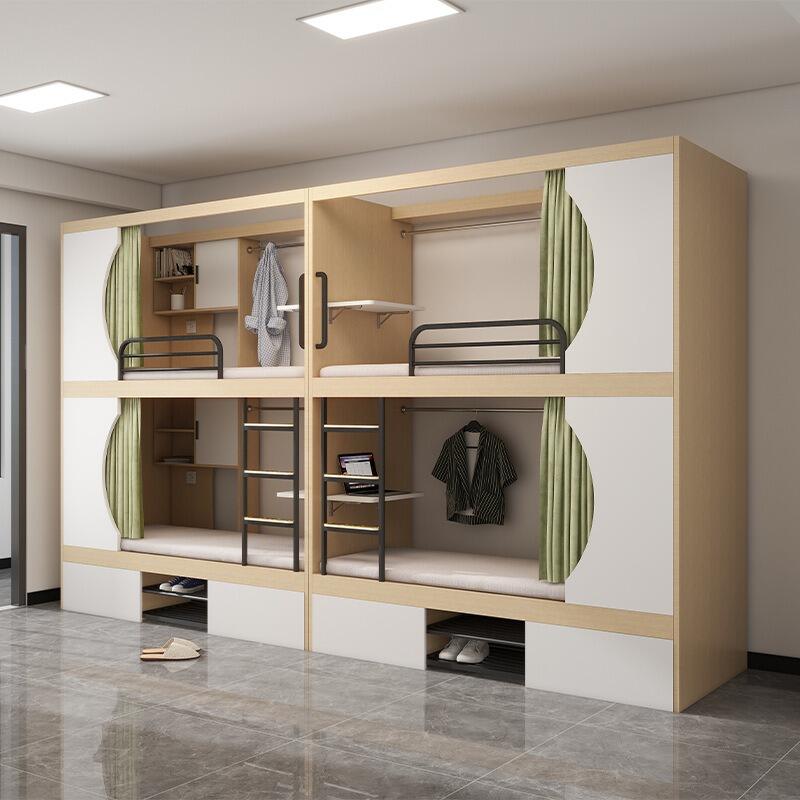
Ang pagtiyak ng kaligtasan ng kama na may dalawang antas para sa mga bata ay nangangailangan ng isang komprehensibong pag-unawa sa integridad ng istruktura, tamang mga pamamaraan sa pag-install, at patuloy na mga estratehiya sa pangangasiwa na tumutugon sa mga natatanging panganib na dulot ng mataas na lugar para sa pagtulog. Kinakaharap ng mga magulang at tagapag-alaga ang mahahalagang desisyon kapag pumipili at nagpapanatili ng kama na may dalawang antas, dahil ang mga kagamitang pang-tahanan na ito—na nakakatipid ng espasyo—ay nagdudulot ng panganib ng pagkabagsak, panganib ng pagkakaliit, at posibilidad ng pagkabigo ng istruktura na nangangailangan ng maingat na pansin. Ang proseso ng pagtiyak ng kaligtasan ay umaabot pa sa labas ng mga unang desisyon sa pagbili upang kasama ang mga protokol sa pang-araw-araw na paggamit, angkop na paglalagay batay sa edad, at regular na mga skedyul ng pagpapanatili na protektado ang mga bata laban sa mga pinsalang maiiwasan. Ang pag-unawa kung paano ipatupad ang epektibong mga hakbang sa kaligtasan ay nagbabago ng kama na may dalawang antas mula sa potensyal na pananagutan tungo sa ligtas na solusyon sa pagtulog na naglilingkod sa mga pamilya sa loob ng maraming taon habang pinananatiling pangunahing prayoridad ang kagalingan ng mga bata.
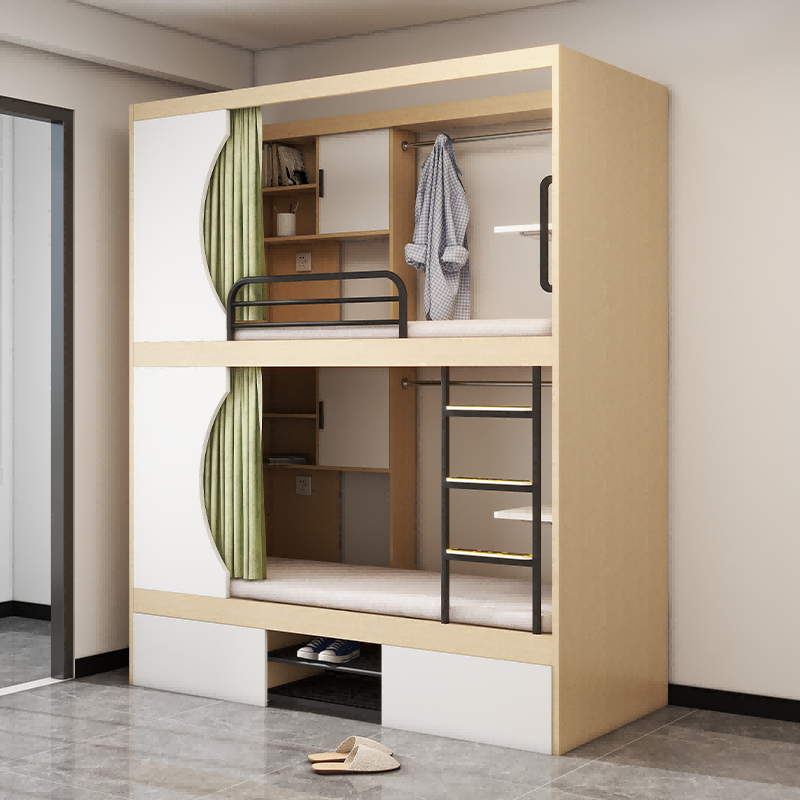
Ang pananagutan sa pagtiyak ng kaligtasan ng kama na may dalawang antas ay kasama ang maraming antas ng pag-iingat, mula sa pagpili ng mga produkto na may sapat na sertipikasyon hanggang sa pagtatatag ng mga patakaran sa tahanan na nagpapatakbo sa paraan ng paggamit at pagkilala sa mga kadahilanan sa kapaligiran na nakaaapekto sa katatagan. Ang komprehensibong pamamaraang ito ay tumutugon sa mga pagsasaalang-alang sa istruktura, pamamahala ng pag-uugali, at kontrol sa kapaligiran na sama-sama ay binabawasan ang panganib ng pinsala. Sa pamamagitan ng pagsusuri sa mga kinakailangan sa mga guardrail, mga tukoy sa matras, disenyo ng hagdan, mga regulasyon sa espasyo, at mga gawain sa pangangalaga, ang mga tagapag-alaga ay makakabuo ng isang maramihang antas na balangkas ng kaligtasan na umaasang sa karaniwang mga panganib habang umaangkop sa mga partikular na pangangailangan ng bawat tahanan at sa mga yugto ng pag-unlad ng mga bata na gumagamit ng mga mataas na lugar para matulog.
Mga Pamantayan sa Kaligtasan ng Isturktura at mga Kinakailangang Sertipikasyon
Pag-unawa sa mga Pambob obligatoryong Sertipikasyon sa Kaligtasan para sa mga Kama na May Dalawang Antas
Ang pundasyon ng kaligtasan ng kama na may hagdan ay nagsisimula sa pagpili ng mga produkto na sumusunod sa mga itinatag na pamantayan sa kaligtasan na ipinapatupad ng mga pangregulatoryong ahensya tulad ng Consumer Product Safety Commission sa Estados Unidos at ng katumbas na internasyonal na mga organisasyon. Ang mga sertipikasyong ito ay nagpapatunay na ang mga tagagawa ay dinisenyo ang kanilang mga produkto ng kama na may hagdan ayon sa mga tiyak na kinakailangan sa sukat, mga protokol sa pagsusuri ng lakas, at mga gabay sa paggawa upang mabawasan ang mga panganib ng pagkabigo ng istruktura. Ang mga sertipikadong kama na may hagdan ay dumaan sa mahigpit na pagsusuri na pinahahalagahan ang kapasidad sa bigat, taas ng mga guardrail, distansya sa pagitan ng mga bahagi, at kabuuang katatagan sa ilalim ng iba’t ibang kondisyon ng stress na kumakatawan sa tunay na mga pattern ng paggamit ng mga bata na may iba’t ibang edad at laki.
Kapag sinusuri ang isang kama na may hagdanan para sa pagbili, ang pagsusuri sa mga label ng sertipikasyon ay nagbibigay agad ng patunay na ang produkto ay dumadaan sa mga mandatong pagsusuri sa kaligtasan. Ang mga sertipikasyong ito ay tumutugon sa mahahalagang sukat tulad ng minimum na taas ng guardrail na limang pulgada sa itaas ng ibabaw ng matras, maximum na distansya sa pagitan ng mga guardrail at ng balangkas ng kama upang maiwasan ang pagkakaliit, at kahusayan ng istruktura ng mga punto ng koneksyon na nagdadala ng bigat habang gumagalaw at natutulog. MGA PRODUKTO ang kakulangan ng tamang sertipikasyon ay maaaring maglaman ng mga depekto sa disenyo tulad ng hindi sapat na proteksyon ng guardrail, mahinang konstruksyon ng mga sambungan, o mga puwang sa pagitan ng mga bahagi na lumilikha ng panganib ng pagkakaliit kung saan maaaring makapasok o mahulog ang mga bata sa mga bukas na espasyo.
Pagsusuri sa Konstruksyon ng Balangkas at Kalidad ng Materyales
Ang integridad na istruktural ng isang kama na may hagdan ay nakasalalay nang husto sa mga paraan ng paggawa ng frame at kalidad ng materyales na tumutukoy sa pangmatagalang katatagan at pagtutol sa pagsuot. Ang paggawa mula sa solidong kahoy, mga frame na gawa sa metal na may karagdagang suporta, at mga produkto mula sa inhinyeriyang kahoy ay bawat isa ay nag-aalok ng natatanging mga pakinabang kapag tama ang paggawa nito, ngunit ang kalidad ng pagkakabit, uri ng mga fastener, at mga sistema ng koneksyon ang siyang huling determinante kung ang isang kama na may hagdan ay pananatiling matatag sa loob ng mga taon ng paggamit. Ang mga frame ng mataas na kalidad na kama na may hagdan ay kasama ang mga suporta sa sulok, mga sentral na suportang barahan, at mga pinatibay na punto ng koneksyon na nagpapamahagi ng bigat nang pantay-pantay at nagpipigil sa unti-unting pagkaluwag na sumisira sa integridad na istruktural sa paglipas ng panahon.
Ang pagsusuri sa kapal ng materyales, kalidad ng mga fastener, at konstruksyon ng mga sambungan bago ang pagbili ay tumutulong na kilalanin ang mga kama na may hagdanan na gawa para tumagal sa mga dinamikong load na dulot ng aktibong mga bata na umaakyat, tumatalon, at nagbabago ng posisyon sa buong gabi. Ang mga frame na gawa sa materyales na may sapat na kapal ay tumututol sa pagkabend at pagkabuwel na maaaring magdulot ng mga puwang o hindi tamang pagkakalign sa mga guardrail at suportang istruktura. Dapat may welded joints o malalaking bolted connections ang mga kama na may hagdanan na yari sa metal, imbes na mga lightweight clip systems na maaaring mabigo kapag nasa ilalim ng stress, samantalang ang mga frame na yari sa kahoy ay nangangailangan ng mortise-and-tenon joinery o reinforced dowel systems na mas mainam sa pagpapanatili ng tamang alignment kaysa sa simpleng screw connections na maaaring mag-strip o lumuwang dahil sa paulit-ulit na stress.
Tamang Pamamaraan sa Pag-install at Pag-aassemble
Pagsunod nang Tumpak sa Mga Instruksyon sa Pag-aassemble ng Tagagawa
Ang tamang pag-install ng bunk bed ay kumakatawan sa isang mahalagang hakbang sa kaligtasan na madalas na kinakailangan ng maraming tagapag-alaga, dahil ang maling pag-aassemble ay maaaring pabigatin ang kahit anong pinakamainam na disenyo ng mga produkto at lumikha ng mga panganib na magdudulot ng pagbagsak o pagkabigo ng istruktura. Ang mga instruksyon ng tagagawa para sa pag-aassemble ay nagtuturo ng tiyak na pagkakasunod-sunod sa pagkonekta ng mga bahagi, mga tukoy na torque para sa mga fastener, at mga kinakailangang oryentasyon upang matiyak na lahat ng mga tampok na pangkaligtasan ay gumagana ayon sa disenyo. Ang pag-alis mula sa mga instruksyon na ito—tulad ng paglilipat ng mga hakbang, pagpapalit ng mga fastener, o pagbabago ng oryentasyon ng mga bahagi—ay maaaring hindi gumana ang mga mekanismong pangkaligtasan tulad ng mga attachment ng guardrail, mga sistema ng pag-secure ng hagdan, o mga suporta sa pundasyon na nagpipigil sa paghihiwalay ng frame.
Ang proseso ng pag-aassemble ng isang bunk bed ay nangangailangan ng maingat na pansin sa pagkilala sa mga bahagi, tamang pagpili ng mga kagamitan, at pagpapatunay na ang lahat ng mga fastener ay sapat na nakakapit nang hindi labis na tinutwist na maaaring magdulot ng pagkawala ng threads o pagsira sa mga materyales. Ang paggamit ng tamang mga kagamitan na tinukoy sa mga instruksyon sa pag-aassemble ay nagpapigil sa pinsala sa mga ulo ng fastener at nagtiyak na ang mga koneksyon ay umabot sa angkop na antas ng pagkakapit upang mapanatili ang katatagan. Pagkatapos maisagawa ang unang pag-aassemble, ang komprehensibong inspeksyon sa lahat ng mga punto ng koneksyon, mga attachment ng guardrail, at mga sistema ng pag-mount ng hagdan ay nagpapatunay na walang hakbang ang napalampas at na ang lahat ng mga bahagi ay naka-align nang tama bago payagan ang mga bata na gamitin ang istruktura.
Pagse-secure ng Bunk Bed sa mga Istukturang Pader
Ang pag-anchoring sa pader ay nagbibigay ng karagdagang layer ng kaligtasan na nagpipigil sa mga insidente ng pagka-overturn dahil sa pag-climb sa mga end rail, hindi pantay na distribusyon ng bigat, o lateral na galaw habang ginagamit. Maraming modernong bunk Bed ang mga disenyo ay kasama ang hardware para sa pag-angkla sa pader na nag-uugnay sa frame sa mga wall studs gamit ang mga bracket at fastener na may rating na tumutol sa mga puwersang hinahatak. Ang tamang pag-angkla sa pader ay nangangailangan ng paghahanap ng mga solidong istruktural na bahagi imbes na ang pag-angkla lamang sa drywall, na kulang sa lakas upang pigilan ang galaw sa panahon ng mga dinamikong karga—halimbawa kapag ang mga bata ay umakyat o biglang binabago ang kanilang timbang.
Ang proseso ng pag-angkla sa pader ay kasali ang pagkilala sa lokasyon ng mga stud gamit ang mga electronic finder o pisikal na pamamaraan ng pag-probe, ang pagposisyon ng mga anchor bracket sa angkop na taas na sumasalim sa mga bahagi ng frame ng bunk bed, at ang pag-install ng mga fastener na tumutusok nang malalim sa istruktural na kahoy. Ang mga anti-tip strap o matitigas na bracket ay dapat kumonekta sa parehong itaas na bahagi ng frame at sa mga stud ng pader sa maraming puntos upang ipamahagi ang mga puwersang tumututol sa mas malawak na lugar. Ang panregulang inspeksyon sa mga koneksyon ng wall anchor ay nagpapaseguro na ang mga fastener ay nananatiling mahigpit at walang anumang paggalaw na nangyari sa mga punto ng anchorage, dahil ang unti-unting pagluluwag ay maaaring bawasan ang epekto nito at mangangailangan ng muling pagpapahigpit upang mapanatili ang mga standard ng kaligtasan.
Mga Tiyak na Pamantayan sa Guardrail at Paglalagay ng Matras
Pagsisiguro ng Sapat na Taas at Saklaw ng Guardrail
Ang pag-configure ng guardrail ay kumakatawan sa pangunahing depensa laban sa pagbagsak mula sa mataas na ibabaw ng pagtulog, na nangangailangan ng tiyak na ugnayan sa sukat sa pagitan ng taas ng guardrail, kapal ng matras, at espasyo ng puwang upang maiwasan ang mga bata na mag-rol sa itaas ng mga hadlang habang natutulog. Ang mga pamantayan sa kaligtasan ay nangangailangan na ang mga guardrail ay umaabot ng hindi bababa sa limang pulgada sa itaas ng itaas na ibabaw ng matras upang magbigay ng sapat na proteksyon laban sa pagbagsak, bagaman ang mas mataas na taas ay nagbibigay ng mas malawak na margin ng kaligtasan para sa mga aktibong tagatulog na kadalasang gumagalaw sa buong gabi. Ang mga guardrail ay dapat sumaklaw sa buong haba ng mga lugar ng pagtulog sa parehong panig at sa dulo ng paa ng mga itaas na kama, na iniwan lamang ang bukana para sa saka upang makapasok at makalabas.
Ang kahusayan ng mga pampigil na barayd ay nakasalalay sa pagpapanatili ng tamang distansya sa pagitan ng bawat bahagi ng barayd at sa pagitan ng mga barayd at ng ibabaw ng matras. Ang mga butas na lumalampas sa tiyak na sukat ay lumilikha ng panganib na pagkakaliit kung saan maaaring mahulog o mahulas ang ulo, mga extremidad, o katawan ng mga bata, na nagdudulot ng panganib ng pagkabara ng hangin o pinsala. Ang regular na pagsukat sa mga mahahalagang dimensyon na ito ay nagsisiguro na ang pagkakapigil ng matras sa paglipas ng panahon ay hindi nabawasan ang kahusayan ng mga pampigil na barayd at na walang anumang bahagi ang nakagalaw upang lumikha ng mapanganib na mga bukas. Kapag tila kulang ang taas ng mga pampigil na barayd dahil sa kapal ng matras, ang pagpapalit ng matras sa isang mas manipis na alternatibo ay nagrere-restore ng tamang mga sukat para sa kaligtasan imbes na pabayaan ang proteksyon.
Paggagamit ng Angkop na Kapal at Pagkakatigas ng Matras
Ang pagpili ng matras ay direktang nakaaapekto sa kahusayan ng mga baradera at sa kabuuang kaligtasan ng mga kama na may dalawang antas, dahil ang labis na kapal ay nababawasan ang protektibong taas ng mga baradera samantalang ang hindi sapat na suporta ay maaaring magdulot ng hindi stable na ibabaw para matulog. Ang karamihan sa mga gabay sa kaligtasan ay nagrerekomenda ng pinakamataas na kapal ng matras na panatilihin ang kahit limang pulgada ng taas ng baradera sa itaas ng ibabaw para matulog, na karaniwang naglilimita sa kapal ng matras sa itaas na kama sa anim na pulgada o mas kaunti sa kabuuang taas. Ang pagsukat sa kapal ng matras kapag nacocompress ito sa ilalim ng timbang ng katawan ay nagbibigay ng mas tiyak na pagtataya kaysa sa pagsukat sa hindi nacocompress na dimensyon, dahil ang mga matras na may foam at spring ay malaki ang compression habang ginagamit at maaaring bawasan ang epektibong taas ng baradera sa ibaba ng ligtas na minimum.
Ang katigasan ng matras ay nakaaapekto sa komportabilidad at kaligtasan sa pamamagitan ng pagbabago sa lawak ng pag-compress ng ibabaw ng pagtulog kapag may bigat na nakaupo dito, at kung ang mga gilid ba ay nagbibigay ng matatag na suporta kapag ang mga bata ay gumagalaw malapit sa mga guardrail. Ang mas matitigas na mga matras ay nananatiling may pare-parehong kapal kahit may bigat na nakaupo dito at nagbibigay ng mas mahusay na suporta sa gilid, na nakakaiwas sa pag-rol patungo sa mga puwang sa pagitan ng matras at mga guardrail. Ang pagtiyak na ang matras ay angkop na napapasok sa frame ng bunk bed nang walang anumang puwang na lumalaki sa inirerekomendang sukat ay nakakaiwas sa panganib ng pagkakaliit, kung saan maaaring makapitik ang mga bata sa pagitan ng mga gilid ng matras at mga bahagi ng frame. Ang paggamit ng mga matras na partikular na idinisenyo para sa mga bunk bed ay nagtiyak ng angkop na kapal, katigasan, at mga sukatan na panukat upang mapanatili ang mga katangian ng kaligtasan habang nagbibigay din ng sapat na komportabilidad sa pagtulog.
Disenyo ng Hagdan at Kontrol sa Pag-access
Pag-evaluate sa Estabilidad ng Hagdan at Paraan ng Pagkakabit
Ang disenyo ng hagdan ay may malaking impluwensya sa kaligtasan ng bunk bed dahil ito ang nagtatakda kung gaano kadali at ligtas ang pag-access ng mga bata sa itaas na antas ng pagtulog nang hindi nahuhulog o nawawala ang balanse habang pumipila o bumababa. Ang mga hagdang nakailangkup sa frame ng bunk bed bilang permanenteng bahagi ng istruktura nito ay nagbibigay ng mas mataas na katatagan kumpara sa mga disenyo na nakakabit gamit ang hook na maaaring umalis o gumalaw habang ginagamit. Ang mga sistema ng pagkakabit ng hagdan ay dapat kasama ang mga mekanismong pang-lock, maraming puntos ng koneksyon, at posisyon na nakakalikha ng matatag na geometry para sa pag-akyat imbes na mga halos patayo na oryentasyon na nagpapadagdag ng kahirapan at panganib ng pagkahulog para sa mga batang manlalakbay.
Ang distansya sa pagitan ng mga rung, ang lapad, at ang tekstura ng ibabaw ay nakaaapekto sa kagamitan at kaligtasan ng hagdan sa pamamagitan ng pag-impluwensya sa seguridad ng paglalagay ng paa at sa pagsisikap na kailangan sa pag-akyat. Ang mga rung na naka-position nang may pare-parehong distansya ay nagbibigay-daan sa mga bata na magbuo ng ritmikong pattern sa pag-akyat na nababawasan ang peligro ng maliwang hakbang, samantalang ang sapat na lapad ng rung ay nagbibigay ng matatag na paglalagay ng paa para sa mga bata ng iba't ibang edad at sukat. Ang mga textured o grooved na ibabaw ng rung ay nagpapahusay ng grip at nagpapigil sa pagkahulog, lalo na kapag ang mga bata ay umakyat nang walang sapin sa paa o may tsokis lamang. Ang pagsusuri sa katatagan ng hagdan sa pamamagitan ng pag-apply ng lateral na puwersa at pagmamasid sa anumang galaw o pagbend ng hagdan ay tumutulong upang matukoy ang mga kahinaan sa attachment na nangangailangan ng karagdagang pampalakas bago payagan ang regular na paggamit nito ng mga bata.
Pagtatatag ng Mga Ligtas na Protokol sa Pag-akyat at Pagbaba
Ang pagtuturo sa mga bata ng tamang paraan ng paggamit ng hagdan ay nababawasan ang panganib ng pagkakalaglag na kaugnay sa pag-access sa itaas na kama at nagtatatag ng mga ugali na nangangalaga sa kaligtasan sa buong panahon ng paggamit ng kama na may dalawang antas. Ang mga ligtas na pamamaraan sa pag-akyat ay binibigyang-diin ang pagharap sa hagdan habang umaakyat at bumababa, ang pagpapanatili ng 'three-point contact' sa pamamagitan ng pagpapanatili ng kahit dalawang kamay at isang paa o dalawang paa at isang kamay na nakakontak sa mga rung sa lahat ng oras, at ang pag-iwas sa pagmamadali o paglukso habang nagbabago ng posisyon. Ang pagpapakita ng mga teknik na ito at ang pangangasiwa sa unang paggamit nito ay tumutulong sa mga bata na maisaisip ang tamang pamamaraan bago sila magamit ang kama na may dalawang antas nang mag-isa.
Ang pagbaba ay isang aktibidad na may mas mataas na panganib kaysa sa pag-akyat dahil hindi madaling makita ng mga bata ang tamang paglalagay ng kanilang mga paa at maaaring mahikayat na tumalon mula sa mga panggitnang taas upang makatipid ng oras. Ang pagpapalakas ng kahalagahan ng pagbaba nang buong paraan gamit ang tamang teknik ay nakakaiwas sa mga sugat dulot ng pagtalon o di-pansin na pagbaba. Ang pagtatatag ng mga patakaran sa bahay na ipinagbabawal ang paglalaro sa mga hagdan, pag-akyat kapag puno ang mga kamay, o paggamit sa hagdan bilang anumang bagay maliban sa pasilidad para sa pag-access ay nababawasan ang mga maling paggamit na nagdudulot ng pagkabagsak. Kailangan ng tiyak na atensyon ang paggamit ng hagdan sa gabi, dahil ang kadiliman at pagkaantok ay nagpapataas ng panganib ng pagkabagsak, kaya’t mainam ang pagkakaroon ng mga nightlight o ilaw na aktibado ng motion malapit sa mga hagdan ng bunk bed.
Mga Estratehiya para sa Paggamit na Angkop sa Edad at Pamamahala
Pagpapatupad ng Mga Panlimita sa Edad para sa Pag-access sa Itaas na Bunk
Ang mga paghihigpit batay sa edad para sa pag-access sa itaas na kama ay kumakatawan sa mga gabay sa kaligtasan na nakabatay sa ebidensya, na isinasaalang-alang ang mga kakayahan sa pag-unlad kaugnay ng balanse, koordinasyon, paghuhusga, at mga pattern ng pagtulog. Ang mga organisasyon sa kaligtasan ay paulit-ulit na inirerekomenda ang pagbabawal sa mga bata na wala pang anim na taong gulang na matulog sa itaas na kama, anuman ang kanilang indibidwal na antas ng pag-unlad, dahil ang mga mas batang bata ay kulang sa pisikal na koordinasyon at kognitibong paghuhusga na kinakailangan upang ligtas na mag-navigate sa mataas na ibabaw ng pagtulog at sa mga hagdan. Ang threshold na ito sa edad ay sumasalamin sa estadistikal na datos ng mga sugat na nagpapakita ng hindi proporsyonadong mataas na rate at kalubhaan ng mga pagkakabagsak sa mga mas batang bata na gumagamit ng bunk bed, lalo na noong gabi kapag ang pagkawala ng direksyon at ang kadiliman ay nagpapalala sa mga hamon sa pag-navigate.
Ang pagpapatupad ng mga restriksyon batay sa edad ay nangangailangan ng malinaw na patakaran sa loob ng tahanan at konsehente na mensahe na tumutulong sa mga bata na maunawaan kung bakit ang kanilang mga nakababatang kapatid ay hindi maaaring umakyat sa itaas na kama kahit pa maniwala sila na kaya nila ito. Ang mga pamilyang may mga anak na may malawak na hanay ng edad ay maaaring kailangang baguhin ang kanilang mga takdang lugar para matulog habang lumalaki ang kanilang mga nakababatang kapatid, o ipatupad ang pansamantalang alternatibong paraan ng pagtutulog hanggang sa lahat ng kanilang mga anak ay umabot sa kinakailangang edad. Ang pagsusuri sa indibidwal na pag-unlad ng bawat bata nang lampas sa kanilang tunay na edad ay tumutulong upang matukoy ang mga bata na maaaring kailangang maghintay pa nang higit pa bago sila payagang umakyat sa itaas na kama—lalo na ang mga bata na may mga hamon sa koordinasyon, umaalimpuyo habang natutulog, o may pagkaantala sa pag-unlad na nakaaapekto sa kanilang kamalayan sa espasyo at kontrol sa galaw.
Pagtatatag ng Sistema ng Pangangalaga at Pagmomonitor sa Gabi
Ang mga estratehiya para sa pangangalaga sa gabi ay nagpapabalance sa kalayaan ng bata at sa pangangalaga para sa kaligtasan, na may pagkilala na ang karamihan sa mga pinsala mula sa kama na may hagdan ay nangyayari habang natutulog ang bata, kung saan ang direktang pangangalaga ay naging hindi praktikal. Ang pag-install ng mga baby monitor o camera sa kuwarto ay nagbibigay ng kakayahang magmasid nang pampalayo, na nagpapaalala sa mga tagapag-alaga kapag may anumang hindi karaniwang tunog o galaw na maaaring ipahiwatig na gumising ang bata at maaaring subukang umakyat sa hagdan habang nalilito. Ang mga audio monitor ay lalo pang kapaki-pakinabang sa pagdetect ng mga tunog ng pagkabalisa o galaw na nagsasaad na ang bata ay nangangailangan ng tulong, na nagbibigay-daan sa mga tagapag-alaga na makapanayon bago pa man lumubha ang anumang hindi ligtas na sitwasyon.
Ang pagbuo ng malinaw na mga protokol para sa mga bata na susundin kapag kailangan nilang umalis sa bunk bed tuwing gabi ay nababawasan ang mga panganib na kaugnay ng kadiliman at pagkakalito. Ang pagtuturo sa mga bata na tumawag ng tulong imbes na subukang mag-navigate nang mag-isa kapag pakiramdam nilang hindi matatag o nalilito ay nakakaiwas sa pagbagsak sa panahon ng kanilang kahinaan. Ang paglalagay ng mga nightlight malapit sa mga hagdan at kasabay ng mga daanan sa sahig patungo sa banyo ay nagbibigay ng liwanag na nakakatulong sa mga bata na mapanatili ang kanilang spatial orientation nang hindi sumisira sa kanilang pagtulog dahil sa sobrang sikat. Ang regular na mga usapan tungkol sa kaligtasan tuwing gabi ay pinalalakas ang mga protokol na ito at nagbibigay ng oportunidad sa mga bata na magtanong o ipahayag ang kanilang mga alalahanin tungkol sa paggamit ng bunk bed—mga isyu na maaaring agad na tugunan ng mga tagapag-alaga.
Patuloy na Pagpapanatili at Pagsusuri sa mga Panganib
Pagsasagawa ng Regular na Inspeksyon sa Estratektura
Ang sistematikong pagsusuri sa mga kama na may hagdan ay nakakakilala ng mga pattern ng pagkasira, mga nagpapalugmok na koneksyon, at mga lumilitaw na isyu sa istruktura bago pa man ito makasira sa kaligtasan o magdulot ng kabiguan. Ang mga iskedyul para sa buwanang pagsusuri ay nagbibigay ng sapat na dalas upang matukoy ang karaniwang mga problema habang nananatiling madaling maisagawa sa loob ng karaniwang rutina ng tahanan. Dapat suriin ng mga protokol sa pagsusuri ang lahat ng koneksyon ng mga fastener para sa kahigpitang, tiyaking ang mga bolt, turnilyo, at iba pang konektor ay nananatiling ligtas na nakakonekta nang walang labis na paggalaw o pagliko. Kailangan ng partikular na pansin ang mga guardrail dahil ang mga bahaging ito ay madalas na nakakaranas ng pisikal na kontak at stress na maaaring unti-unting paluwagin ang mga hardware ng mounting.
Ang mga frame ng kama na gawa sa kahoy na may hagdan ay nangangailangan ng inspeksyon para sa mga punit, bitak, o pagkabent sa mga bahagi nito na maaaring lumitaw sa paglipas ng panahon, lalo na sa mga sambungan at mga punto ng pagkakabit kung saan nakatuon ang stress habang ginagamit. Ang mga frame na gawa sa metal ay kailangang inspeksyunin para sa mga nabent na bahagi, mga kabiguan sa welding, o korosyon na nagpapahina sa kahusayan ng istruktura. Ang mga hakbang ng hagdan at mga punto ng pagkakabit ay dapat inspeksyunin nang mabuti dahil ang mga bahaging ito ay nagdadala ng dinamikong load habang sumusubok ang isang tao, at maaaring magpakita ng pagkasira o pagkaluwang bago pa man maging obserbable ang anumang problema sa iba pang bahagi ng istruktura. Ang dokumentasyon ng mga natuklasang isyu sa inspeksyon at mga ginawang pagpapanatili ay lumilikha ng kasaysayan ng kaligtasan na tumutulong sa pagkilala sa mga paulit-ulit na problema at nagbibigay-daan sa mga desisyon tungkol sa kailan dapat palitan ang ilang bahagi o ang buong kama na may hagdan.
Pag-alis ng mga Panganib sa Kapaligiran ng Kama na may Hagdan
Ang kapaligiran na nakapalibot sa isang kama na may dalawang antas ay malaki ang naitutulong sa kaligtasan nito sa pamamagitan ng pagdaragdag ng karagdagang panganib o sa pamamagitan ng pagbibigay ng malinaw na daanan at exit para sa emerhensiya. Ang pagpapanatili ng malinis na espasyo sa sahig sa paligid ng lahat ng panig ng kama na may dalawang antas ay nagpapabawas sa panganib ng pagkakabitik at nagtiyak na may sapat na puwang ang mga bata para sa ligtas na paggamit ng hagdan at para sa emerhensiyang evakuwasyon kung kinakailangan. Ang pag-alis ng mga nakabitin na kable, kurtina, o dekorasyon mula sa mga lugar na malapit sa kama na may dalawang antas ay nag-aalis ng panganib ng pagkakahigpit at mga panganib ng pagkakalubog na maaaring magdulot ng pagkapigil o pinsala sa mga bata habang gumagalaw nang normal o sa panahon ng emerhensiya.
Ang mga kipot na bentilador sa kisame, mga ilaw, at mga bagay na nakakabit sa pader ay nangangailangan ng pagsusuri upang matiyak ang sapat na espasyo mula sa itaas na kama at upang walang anumang tumutumbok na bahagi na maaaring magdulot ng pinsala sa ulo kapag ang mga bata ay umuupo o gumagalaw sa mataas na ibabaw ng pagtulog. Ang paglalagay ng kama na may dalawang antas malayo sa mga bintana ay nagpapababa ng panganib ng pagbagsak sa pamamagitan ng bukas na bintana at binabawasan ang pagkakaroon ng access sa mga takip ng bintana na maaaring magdulot ng panganib dahil sa mga kable. Ang pagsusuri sa imbakan ng mga laruan at mga lugar ng gawain malapit sa kama na may dalawang antas ay tumutulong upang matukoy ang mga bagay na maaaring gamitin ng mga bata para umakyat nang hindi wasto sa itaas na kama o ang mga bagay na maaaring magdulot ng panganib ng pagbagsak malapit sa mga hakbang na ginagamit para umakyat. Ang regular na pagsusuri ng kapaligiran ay nakakatukoy ng mga pagbabago sa pagkakaayos ng silid o ng mga bagong bagay na maaaring magdulot ng mga panganib na dati ay wala at kailangang ma-address.
Madalas Itanong
Ano ang pinakamababang edad para sa mga bata upang ligtas na matulog sa itaas na kama ng kama na may dalawang antas?
Ang inirerekomendang pinakamababang edad para sa mga bata na matulog sa itaas na kama ng isang bunk bed ay anim na taong gulang, batay sa mga gabay sa kaligtasan na itinakda ng mga organisasyon na nangangalaga sa kaligtasan ng mga konsyumer. Ang edad na ito ay sumasalamin sa mga pag-unlad na kailangan para sa koordinasyon, balanse, kamalayan sa espasyo, at paghuhusga—na mahalaga upang ligtas na magamit ang hagdan at matulog sa mataas na ibabaw. Karaniwang kulang pa sa kakayahan pisikal at kahusayan kognitibo ang mga batang wala pang anim na taong gulang upang kilalanin at iwasan ang mga panganib na kaugnay sa pag-access sa itaas na kama, kabilang ang panganib ng pagkakabagsak dahil sa pagkawala ng direksyon sa gabi. Dapat isaalang-alang ng mga magulang ang indibidwal na pag-unlad ng kanilang anak nang lampas sa kronolohikal na edad, sapagkat maaaring kailanganin ng ilang bata na hintayin pa ang paglipas ng anim na taong gulang kung may kabalaka tungkol sa kanilang koordinasyon o paghuhusga; gayunpaman, ang minimum na edad na anim na taon ay nananatiling absolute na basehan na hindi dapat balewalain anuman ang indibidwal na sitwasyon.
Gaano kadalas dapat inspeksyunin at paktightin ang hardware at mga koneksyon ng bunk bed?
Ang mga hardware at koneksyon ng bunk bed ay dapat inspeksyunin at pahigpitan nang mabuti sa bawat buwan upang matukoy ang anumang pagkakaluwag na nagaganap dahil sa karaniwang paggamit at maiwasan ang mga pagkabigo sa istruktura. Ang regular na paggamit ay lumilikha ng mga vibration at stress cycle na unti-unting niluluwag ang mga bolt, turnilyo, at iba pang fastener, kaya mahalaga ang paulit-ulit na pagpahigpit upang mapanatili ang integridad ng istruktura. Sa unang ilang buwan pagkatapos ng pag-aassemble, kailangan ng mas madalas na inspeksyon—posibleng bawat dalawang linggo—dahil ang mga bagong koneksyon ay maaaring umupo at kailangan ng pag-adjust. Pagkatapos ng unang panahon ng pag-aadjust, ang buwanang inspeksyon ay sapat na para sa karamihan ng mga pamilyar na sitwasyon sa tahanan, bagaman ang mga pamilya na may napakagalaw na mga bata o maraming gumagamit ay maaaring kumuha ng karagdagang benepisyo mula sa mas madalas na pagsusuri. Anumang nakikitang puwang sa mga punto ng koneksyon, di-karaniwang tunog habang ginagamit, o natukoy na paggalaw sa frame ng istruktura ay dapat agad na i-inspeksyon nang walang pakialam sa regular na iskedyul.
Maaari bang ligtas na baguhin ang mga kama na may hagdan-hagdan (bunk beds) gamit ang karagdagang mga tampok tulad ng mga slide o mga istruktura para sa paglalaro?
Ang pagpapabago sa mga kama na may dalawang antas (bunk beds) gamit ang mga karagdagang bahagi mula sa ikatlong panig tulad ng mga slide, kubo, o istrukturang panglaro ay nagdudulot ng malalim na mga alalahanin sa kaligtasan na nangangailangan ng maingat na pagsusuri bago isagawa ang anumang pagpapabago. Ang mga tampok na inilagay ng tagagawa bilang bahagi ng orihinal na istruktura ng kama na may dalawang antas ay sumasailalim sa pagsusuri sa kaligtasan na kinabibilangan ng mga karagdagang bahaging ito, samantalang ang mga pagpapabago mula sa ikatlong panig ay maaaring masira ang kahusayan ng istruktura, lumikha ng panganib na pagkakaliit (entrapment hazards), o makagambala sa epektibidad ng mga guardrail. Ang mga slide at mga bahaging para umakyat ay maaaring hikayatin ang hindi angkop na pag-uugali sa paglalaro sa mga kama na may dalawang antas, na nagpapataas ng panganib ng pagbagsak, habang ang mga kubo at takip ay maaaring hadlangan ang agarang paglabas sa emergency o lumikha ng panganib ng pagkakahipo. Kung isasaalang-alang ang mga pagpapabago, ang pagpili lamang ng mga karagdagang bahaging pinagkakatiwalaan ng tagagawa at partikular na idinisenyo para sa eksaktong modelo ng kama na may dalawang antas ay nag-aagarantiya ng sapat na pagkakasunod-sunod at pananatiling balido ang mga sertipiko ng kaligtasan. Ang mga awtorisadong pagpapabago ay maaaring kanselahin ang warranty at lumikha ng mga legal na obligasyon kung mangyari ang anumang pinsala, kaya mahalaga ang konsultasyon sa mga tagagawa bago isagawa ang anumang pagbabago sa orihinal na konpigurasyon ng kama na may dalawang antas.
Ano ang dapat gawin ng mga magulang kung ang kanilang anak ay naglalakad habang natutulog at gumagamit ng itaas na kama?
Ang mga bata na may tendensya sa paglalakad habang natutulog ay hindi dapat matulog sa itaas na kama dahil sa malaking panganib ng pagkabagsak dulot ng hindi nalalaman na paggalaw sa gabi sa mataas na ibabaw nang walang kamalayan sa mga guardrail. Ang paglalakad habang natutulog ay nagdudulot ng mga sitwasyon kung saan ang mga bata ay gumagalaw nang walang buong kamalayan o kamalayan sa kapaligiran, kaya’t hindi nila kayang kilalanin at iwasan ang mga panganib ng pagkabagsak na idinudulot ng mataas na posisyon ng pagtulog. Kung ang mga magulang ay nakakakita ng ganitong pag-uugali sa paglalakad habang natutulog sa kanilang mga anak na kasalukuyang gumagamit ng itaas na kama, dapat agad silang ilipat ang bata sa mas mababang posisyon ng pagtulog—maging sa ibaba ng kama o sa hiwalay na kama sa antas ng sahig. Kung wala nang alternatibong paraan ng pagtulog na makaiiwas sa paggamit ng itaas na kama, mahalaga ang konsultasyon sa mga espesyalista sa pagtulog ng mga bata tungkol sa pamamahala ng paglalakad habang natutulog bago payagan ang patuloy na paggamit ng itaas na kama. May ilang pamilya na nag-i-install ng karagdagang mga baraydor para sa kaligtasan, alarm sa pinto, o mga sistema ng pagmomonitor, ngunit ang mga hakbang na ito ay nagbibigay lamang ng dagdag na proteksyon at hindi nag-aalis sa pangunahing hindi pagkakasundo sa pagitan ng paglalakad habang natutulog at ng mataas na posisyon ng pagtulog—kaya ang pagtulog sa antas ng sahig ang tanging lubos na ligtas na opsyon.
Talaan ng Nilalaman
- Mga Pamantayan sa Kaligtasan ng Isturktura at mga Kinakailangang Sertipikasyon
- Tamang Pamamaraan sa Pag-install at Pag-aassemble
- Mga Tiyak na Pamantayan sa Guardrail at Paglalagay ng Matras
- Disenyo ng Hagdan at Kontrol sa Pag-access
- Mga Estratehiya para sa Paggamit na Angkop sa Edad at Pamamahala
- Patuloy na Pagpapanatili at Pagsusuri sa mga Panganib
-
Madalas Itanong
- Ano ang pinakamababang edad para sa mga bata upang ligtas na matulog sa itaas na kama ng kama na may dalawang antas?
- Gaano kadalas dapat inspeksyunin at paktightin ang hardware at mga koneksyon ng bunk bed?
- Maaari bang ligtas na baguhin ang mga kama na may hagdan-hagdan (bunk beds) gamit ang karagdagang mga tampok tulad ng mga slide o mga istruktura para sa paglalaro?
- Ano ang dapat gawin ng mga magulang kung ang kanilang anak ay naglalakad habang natutulog at gumagamit ng itaas na kama?