
 EN
EN
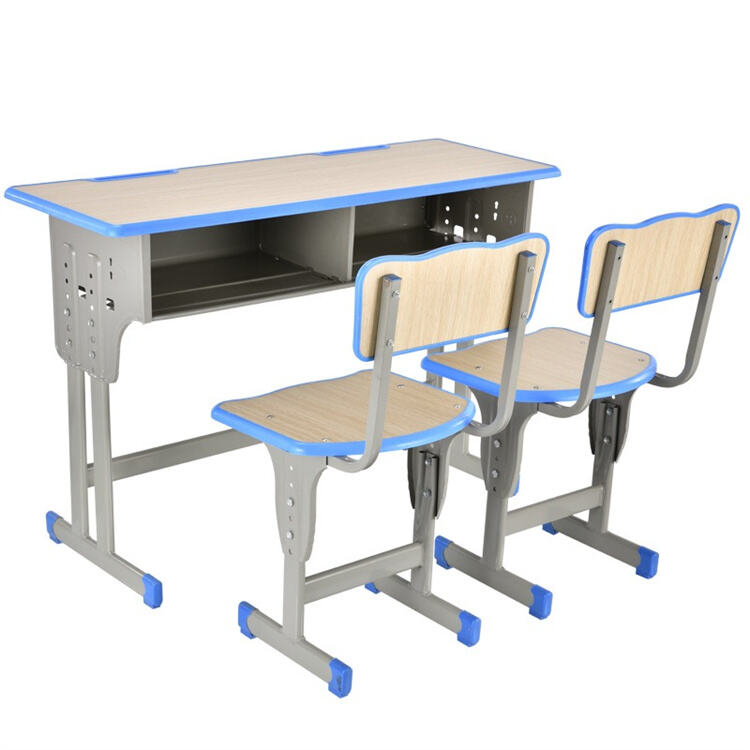
Środowiska edukacyjne uległy znaczącej ewolucji w ciągu ostatnich dziesięcioleci, przy jednoczesnym wzmacnianiu nacisku na tworzenie optymalnych warunków uczenia się dla uczniów w każdym wieku. Jednym z najważniejszych elementów każdej organizacji klasy lekcyjnej jest zestaw biurka szkolnego i krzesła, który ma bezpośredni wpływ na komfort ucznia, jego postawę ciała oraz osiągi akademickie. Współczesne placówki edukacyjne zdają sobie sprawę, że inwestycja w meble wysokiej jakości nie dotyczy wyłącznie estetyki, lecz przede wszystkim tworzenia środowiska, w którym uczniowie mogą rozwijać się fizycznie i akademicko.
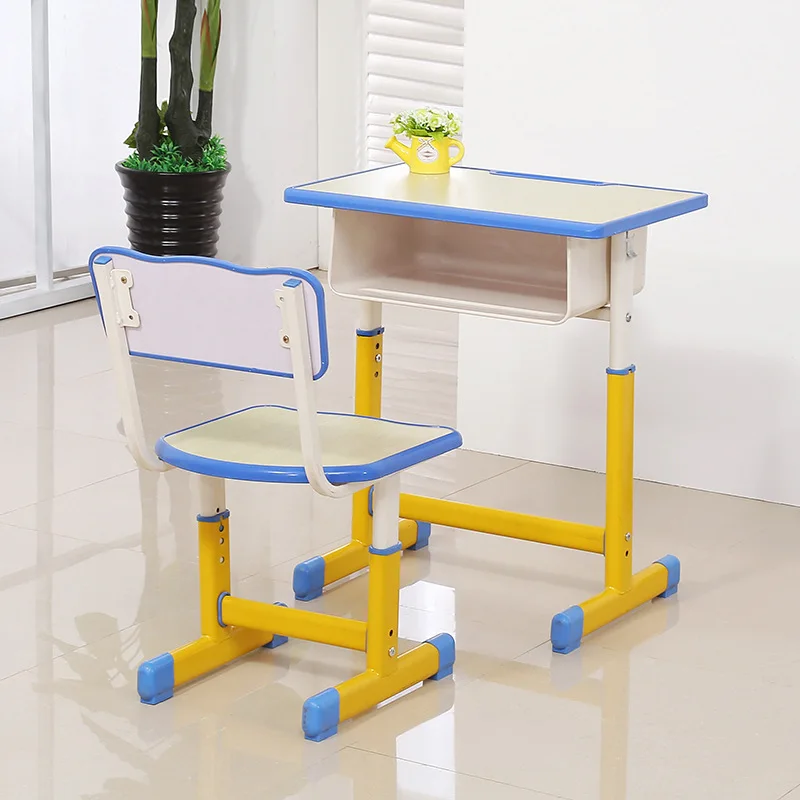
Związek między odpowiednim wyposażeniem miejsc siedzących a dobrostanem uczniów wykracza poza natychmiastowy komfort. Badania systematycznie wykazują, że ergonomiczne meble klasowe przyczyniają się do poprawy poziomu koncentracji, zmniejszenia zmęczenia oraz lepszych efektów uczenia się. Gdy uczniowie zajmują wygodne miejsca przy dobrze dobranych pod względem wielkości biurkach i krzesłach zapewniających odpowiednią podporę, mogą skupić swoją energię na nauce zamiast na radzeniu sobie z dyskomfortem fizycznym lub nieprawidłową postawą ciała.
Współczesne placówki edukacyjne stają przed wyjątkowymi wyzwaniami przy wyborze mebli, które spełniają potrzeby różnorodnych grup uczniów, zachowując przy tym trwałość i opłacalność. Tradycyjne podejście do wyposażenia klas w meble typu „jedna wielkość dla wszystkich” ustąpiło miejsca bardziej przemyślanym, ergonomicznym rozwiązaniom uwzględniającym zróżnicowane potrzeby fizyczne uczniów na różnych etapach edukacji i rozwoju.
Zrozumienie zasad ergonomii w meblach edukacyjnych
Podstawy projektowania ergonomicznego
Zasady ergonomii w projektowaniu mebli edukacyjnych koncentrują się na tworzeniu miejsc siedzących i stref pracy wspierających naturalne pozycje ciała oraz ruch. Poprawnie zaprojektowany zestaw biurka szkolnego i krzesła uwzględnia takie czynniki jak wysokość siedziska, kąt nachylenia oparcia, wysokość powierzchni blatu oraz przestrzeń na nogi. Te elementy współdziałają ze sobą, aby wspierać prawidłową postawę kręgosłupa i zmniejszać ryzyko zaburzeń układu mięśniowo-szkieletowego, które mogą wynikać z długotrwałego siedzenia na źle zaprojektowanych meblach.
Naukowe podstawy projektowania ergonomicznego przyjmują założenie, że uczniowie spędzają znaczne części dnia siedząc przy biurkach, co czyni odpowiednie wsparcie niezbędny dla ich rozwoju fizycznego. Wysokiej jakości meble ergonomiczne zachęcają do aktywnego siedzenia, umożliwiając subtelne ruchy, które poprawiają obieg krwi i zapobiegają sztywności związanej ze statyczną pozycją ciała. To podejście zakłada, że nauka nie jest czynnością bierną, a komfort fizyczny ma bezpośredni wpływ na wydajność poznawczą.
Standardy dopasowania rozmiaru do wieku
Skuteczne zestawy biurek szkolnych i krzeseł muszą uwzględniać znaczne różnice w rozmiarach uczniów zarówno w obrębie jednej klasy, jak i między poszczególnymi poziomami edukacyjnymi. Uczniowie szkół podstawowych wymagają innych proporcji niż uczniowie szkół średnich lub ponadpodstawowych, a wymiary mebli muszą odzwierciedlać te różnice związane z rozwojem.
Funkcje regulowane stały się coraz ważniejsze w nowoczesnym projektowaniu mebli edukacyjnych, umożliwiając, aby jeden zestaw biurka szkolnego i krzesła służył wielu użytkownikom przez cały okres jego eksploatacji. Biurka i krzesła o regulowanej wysokości oraz z wieloma ustawieniami pozycji mogą skutecznie służyć uczniom na kilku poziomach edukacyjnych, stanowiąc opłacalne inwestycje dla placówek edukacyjnych z niestabilną liczbą uczniów lub klas wielofunkcyjnych.
Korzyści zdrowotne wynikające z prawidłowego wyposażenia klas w meble do siedzenia
Zdrowie kręgosłupa i wsparcie postawy ciała
Najbardziej bezpośredni korzyścią zdrowotną ergonomicznej mebli szkolnych jest wspieranie zdrowia kręgosłupa oraz utrzymanie prawidłowej postawy ciała. Dorastające dzieci i młodzież są szczególnie narażone na problemy z postawą, które mogą przerodzić się w przewlekłe dolegliwości, jeśli nie zostaną wczesnie wykryte i skorygowane. Dobrze zaprojektowane zestawy biurek i krzeseł szkolnych sprzyjają zachowaniu naturalnego krzywizny kręgosłupa oraz zapobiegają przygarbieniu lub pochylaniu się, które często występuje przy nieodpowiednio dobranych meblach.
Właściwe podparcie lędźwiowe w krzesłach szkolnych pomaga zachować naturalną krzywiznę dolnego odcinka kręgosłupa, zmniejszając obciążenie krążków międzykręgowych oraz otaczających mięśni. To podparcie ma kluczowe znaczenie podczas długich okresów spędzanych w pozycji siedzącej – podczas lekcji, egzaminów oraz pracy indywidualnej. Gdy uczniowie systematycznie utrzymują prawidłową postawę ciała, rozwijają silniejsze mięśnie brzucha i pleców oraz lepszą świadomość własnego ciała, co przynosi im korzyści przez całe życie.
Poprawa krążenia i wspieranie ruchu
Projektowanie wysokiej jakości mebli edukacyjnych uwzględnia znaczenie promowania prawidłowego krążenia podczas długotrwałego siedzenia. Cechy takie jak zaokrąglone krawędzie siedziska (tzw. krawędź wodospadu), odpowiednia głębokość siedziska oraz wystarczająca przestrzeń dla nóg pomagają zapobiegać uciskowi naczyń krwionośnych i dróg nerwowych, który może prowadzić do uczucia drętwienia, mrowienia lub dyskomfortu w stopach i nogach.
Nowoczesny szkolny stół i krzesło projekty te często zawierają cechy zachęcające do mikroruchów oraz zmiany pozycji w ciągu dnia. Te subtelne ruchy wspomagają utrzymanie napięcia mięśniowego, zapobiegają sztywności ciała oraz utrzymują uczniów w stanie większej czujności i zaangażowania w proces nauki. Możliwość wygodnej zmiany pozycji bez zakłócania środowiska edukacyjnego stanowi kluczową zaletę dobrze zaprojektowanych mebli szkolnych.
Wpływ na osiągnięcia szkolne i koncentrację
Korzyści poznawcze wynikające z fizycznego komfortu
Związek między komfortem fizycznym a wydajnością poznawczą jest dobrze udokumentowany w badaniach edukacyjnych. Uczniowie, którzy czują się fizycznie komfortowo w swoich miejscach siedzących, wykazują dłuższy czas skupienia uwagi, wyższy odsetek ukończenia zadań oraz ogólnie lepsze osiągnięcia szkolne. Gdy uczniowie nie są rozpraszani dyskomfortem ani koniecznością częstego zmieniania pozycji, mogą w pełni skupić się na działaniach związanych z nauką.
Ergonomiczne zestawy biurek i krzeseł szkolnych przyczyniają się do stworzenia optymalnego środowiska uczenia się, w którym uczniowie mogą bardziej skutecznie angażować się w materiały dydaktyczne oraz aktywnie uczestniczyć w dyskusjach klasowych. Stabilność i wsparcie zapewniane przez meble wysokiej jakości pozwalają uczniom skupić się na pisaniu, czytaniu i innych zadaniach wymagających precyzji ruchowej, bez dodatkowego obciążenia wynikającego z konieczności utrzymywania równowagi lub kompensowania niewygodnej pozycji siedzącej.
Zmniejszanie zakłóceń w klasie
Niewygodne lub źle dopasowane meble szkolne często prowadzą do zwiększonego ruchu, nerwowego sięgania i niepokoju wśród uczniów, co powoduje zakłócenia wpływające na całe środowisko edukacyjne. Gdy uczniowie mają dostęp do mebli odpowiedniej wielkości i zapewniających odpowiednie wsparcie, te problemy behawioralne ulegają znacznemu zmniejszeniu, umożliwiając nauczycielom lepsze zarządzanie klasą oraz płynniejszy przebieg zajęć.
Korzyści psychologiczne wynikające z wygodnego siedzenia wykraczają poza indywidualną wydajność ucznia i wpływają na ogólną dynamikę klasy. Uczniowie, którzy czują się fizycznie wspierani i wygodnie usadowieni, chętniej aktywnie uczestniczą w działaniach grupowych, skutecznie współpracują ze swoimi rówieśnikami oraz utrzymują kulturowe zachowanie w klasie przez dłuższe okresy nauki.
Kryteria wyboru dla placówek oświatowych
Rozważania dotyczące trwałości i konserwacji
Instytucje edukacyjne muszą zapewnić równowagę między korzyściami ergonomicznymi a praktycznymi aspektami, takimi jak trwałość, wymagania serwisowe oraz całkowity koszt posiadania, wybierając meble do sal lekcyjnych. Wysokiej jakości zestaw biurka szkolnego i krzesła powinien wytrzymać intensywne codzienne użytkowanie charakterystyczne dla środowisk edukacyjnych, zachowując przy tym integralność konstrukcyjną oraz właściwości ergonomiczne przez wiele lat eksploatacji.
Wybór materiałów odgrywa kluczową rolę w zapewnieniu długowieczności mebli oraz efektywności ich konserwacji. Wysokiej jakości metale, drewna inżynierskie oraz trwałe tworzywa sztuczne lub kompozyty oferują różne zalety pod względem wytrzymałości, masy oraz wymagań czyszczących. Instytucje edukacyjne muszą uwzględnić swoje konkretne możliwości serwisowe oraz protokoły czyszczące przy ocenie opcji meblowych, aby zagwarantować długotrwałą satysfakcję z dokonanego inwestycji.
Wysoka efektywność kosztowa i planowanie budżetu
Choć początkowa cena zakupu zawsze jest istotnym czynnikiem dla placówek edukacyjnych, całkowity koszt posiadania daje bardziej rzetelny obraz wartości mebli. Wysokiej jakości zestawy biurek i krzeseł szkolnych mogą wymagać wyższych początkowych inwestycji, ale często okazują się bardziej opłacalne w dłuższym okresie użytkowania dzięki mniejszej potrzebie wymiany, niższym kosztom konserwacji oraz lepszym wynikom uczniów, które uzasadniają poniesione wydatki.
Planowanie budżetu na meble do klas powinno uwzględniać takie czynniki jak zakres gwarancji, dostępna obsługa serwisowa oraz możliwość aktualizacji lub odnowienia poszczególnych elementów mebli zamiast ich pełnej wymiany. Niektórzy producenci oferują konstrukcje modułowe, które pozwalają placówkom na uaktualnianie konkretnych komponentów w miarę zmiany potrzeb lub możliwości finansowych, zapewniając elastyczność w długoterminowym zarządzaniu meblami.
Strategie wdrażania w szkołach
Programy stopniowej wymiany
Wiele instytucji edukacyjnych odnosi sukcesy wdrożając programy stopniowej wymiany mebli, które stopniowo modernizują wyposażenie klas w kilku cyklach budżetowych. Takie podejście pozwala szkołom określić priorytety obszarów o największym zapotrzebowaniu, rozłożyć koszty w czasie oraz czerpać wnioski z wczesnych doświadczeń związanych z wdrażaniem. Rozpoczęcie programu pilotażowego w wybranych klasach może dostarczyć cennych informacji zwrotnych dotyczących satysfakcji uczniów i nauczycieli z nowych rozwiązań meblowych.
Stopniowe wdrażanie umożliwia również instytucjom skorzystanie z możliwości zakupu hurtowego oraz negocjowanie korzystniejszych warunków współpracy z dostawcami w zakresie długoterminowych potrzeb meblowych. Budowanie relacji z wiarygodnymi producentami mebli może przynieść preferencyjne ceny, przedłużone gwarancje oraz priorytetową obsługę serwisową, które korzystnie wpływają na instytucję przez cały okres użytkowania mebli.
Szkolenia i wsparcie w procesie adaptacji
Skuteczna wdrożenie nowych zestawów biurek i krzeseł szkolnych często wymaga pewnego poziomu szkolenia oraz wsparcia w procesie adaptacji zarówno dla uczniów, jak i nauczycieli. Choć meble ergonomiczne są zaprojektowane tak, aby być intuicyjne w użytkowaniu, wprowadzenie właściwych technik regulacji oraz zachęcanie do dobrych nawyków siedzących pozwala maksymalizować korzyści płynące z tej inwestycji.
Sesje doskonalenia zawodowego dla nauczycieli mogą pomóc im zrozumieć, jak kierować uczniami w prawidłowym użytkowaniu mebli oraz jak rozpoznawać sygnały wskazujące na konieczność ich regulacji. Ten element edukacyjny zapewnia pełne wykorzystanie korzyści ergonomicznych nowych mebli oraz gwarantuje, że inwestycja przyniesie zamierzone poprawy komfortu i osiągów uczniów.
Przyszłe trendy w projektowaniu mebli edukacyjnych
Funkcje integracji technologicznej
Współczesne środowiska edukacyjne coraz częściej integrują technologię w codziennej działalności dydaktycznej, a meble szkolne muszą ewoluować, aby wspierać te zmieniające się potrzeby. Nowoczesne projekty biurek i krzeseł szkolnych często obejmują takie funkcje jak wbudowany dostęp do zasilania, rozwiązania do przechowywania urządzeń oraz systemy zarządzania przewodami, które zapewniają uporządkowanie i łatwy dostęp do technologii bez kompromisów w zakresie zasad ergonomii.
Integracja funkcji technologicznych wymaga starannego uwzględnienia bezpieczeństwa uczniów, trwałości mebli oraz wymagań związanych z ich konserwacją. Producentom wysokiej klasy udaje się opracowywać innowacyjne rozwiązania, które zapewniają niezbędne wsparcie technologiczne, zachowując przy tym czysty, nieprzeciążony wygląd oraz funkcjonalność ergonomiczną, charakterystyczną dla skutecznych mebli edukacyjnych.
Zrównoważony rozwój i odpowiedzialność za środowisko
Świadomość ekologiczna coraz bardziej wpływa na decyzje dotyczące wyboru mebli w placówkach edukacyjnych. Zrównoważone metody produkcji, materiały nadające się do recyklingu oraz powłoki o niskiej emisji stają się standardowymi oczekiwaniami, a nie opcjonalnymi cechami wysokiej jakości biurek i krzeseł szkolnych.
Długoterminowe rozważania związane ze zrównoważonością obejmują planowanie cyklu życia mebli, opcje ich utylizacji lub recyklingu po zakończeniu użytkowania oraz wpływ środowiskowy transportu i montażu. Placówki edukacyjne uświadamiają sobie, że ekologicznie odpowiedzialny wybór mebli jest zgodny z ich misją edukacyjną i stanowi cenną okazję do nauczania tematów związanych ze zrównoważonym rozwojem oraz odpowiedzialnym konsumpcjonizmem.
Często zadawane pytania
Jaka jest zalecana proporcja wysokości między biurkami a krzesłami szkolnymi?
Optymalna zależność wysokości między ławką szkolną a krzesłem zależy od wieku i rozmiaru ucznia, ale zazwyczaj podlega zasadzie, że wysokość blatu powinna być o około 28–30% większa niż wysokość siedziska. U uczniów szkoły podstawowej może to oznaczać wysokość siedziska wynoszącą 14 cali i wysokość blatu równą 18 cali, podczas gdy starsi uczniowie mogą wymagać siedzisk o wysokości 16 cali i blatów o wysokości 21 cali. Meble regulowane pozwalają na precyzyjne dostosowanie tych proporcji do indywidualnych potrzeb uczniów oraz zapewnienie prawidłowego ułożenia łokci i wygodnego sięgania do powierzchni roboczych.
Jak często instytucje edukacyjne powinny wymieniać meble klasowe?
Wysokiej jakości zestawy biurek szkolnych i krzeseł zapewniają zwykle 15–20 lat użytkowania przy odpowiedniej konserwacji, choć termin wymiany zależy od takich czynników jak intensywność użytkowania, jakość konserwacji oraz zmieniające się potrzeby edukacyjne. Instytucje powinny przeprowadzać coroczne oceny stanu mebli w celu zidentyfikowania elementów wymagających naprawy lub wymiany oraz opracowywać harmonogramy wymiany na podstawie rzeczywistego stanu mebli, a nie arbitralnych terminów. Proaktywne planowanie wymiany pomaga utrzymać spójne środowisko nauki i zapobiega zakłóceniom wynikającym z awarii mebli.
Jakie cechy bezpieczeństwa należy priorytetyzować przy wyborze mebli do sali lekcyjnej?
Ważne aspekty bezpieczeństwa przy wyborze ławek i krzeseł szkolnych obejmują zaokrąglone krawędzie i narożniki zapobiegające urazom, stabilne podstawy odporno na przewracanie się, gładkie powierzchnie bez ostrych krawędzi lub wystających elementów mocujących oraz odpowiednie klasy nośności dostosowane do grupy użytkowników. Krzesła powinny być wyposażone w solidne oparcia i podstawy zapobiegające przewracaniu się do tyłu, natomiast ławki wymagają bezpiecznych metod montażu dla wszystkich regulowanych elementów. Cała meblowa wyposażenie powinna spełniać lub przekraczać obowiązujące normy bezpieczeństwa oraz posiadać odpowiednie certyfikaty zatwierdzające jej stosowanie w środowisku edukacyjnym.
Czy ergonomiczne meble do sali lekcyjnej mogą być dostosowane do potrzeb uczniów z niepełnosprawnością?
Nowoczesne ergonomiczne projekty biurek i krzeseł szkolnych często umożliwiają dostosowanie ich do potrzeb uczniów z różnymi niepełnosprawnościami dzięki funkcjom regulacji oraz akcesoriom adaptacyjnym. Wielu producentów oferuje specjalistyczne opcje siedzeń, podpór pozycjonujących oraz modyfikacje biurek, które wspierają uczniów z niepełnosprawnościami fizycznymi, różnicami w przetwarzaniu bodźców zmysłowych lub innymi szczególnymi wymaganiami, umożliwiając im pełną uczestnictwo w zajęciach klasowych. Współpraca z terapeutami zajęciowymi oraz specjalistami z zakresu edukacji specjalnej pomaga zapewnić, że wybór mebli odpowiada konkretnym potrzebom uczniów, zachowując przy tym ich integrację w klasie oraz niezależność.
Spis treści
- Zrozumienie zasad ergonomii w meblach edukacyjnych
- Korzyści zdrowotne wynikające z prawidłowego wyposażenia klas w meble do siedzenia
- Wpływ na osiągnięcia szkolne i koncentrację
- Kryteria wyboru dla placówek oświatowych
- Strategie wdrażania w szkołach
- Przyszłe trendy w projektowaniu mebli edukacyjnych
-
Często zadawane pytania
- Jaka jest zalecana proporcja wysokości między biurkami a krzesłami szkolnymi?
- Jak często instytucje edukacyjne powinny wymieniać meble klasowe?
- Jakie cechy bezpieczeństwa należy priorytetyzować przy wyborze mebli do sali lekcyjnej?
- Czy ergonomiczne meble do sali lekcyjnej mogą być dostosowane do potrzeb uczniów z niepełnosprawnością?