
 EN
EN
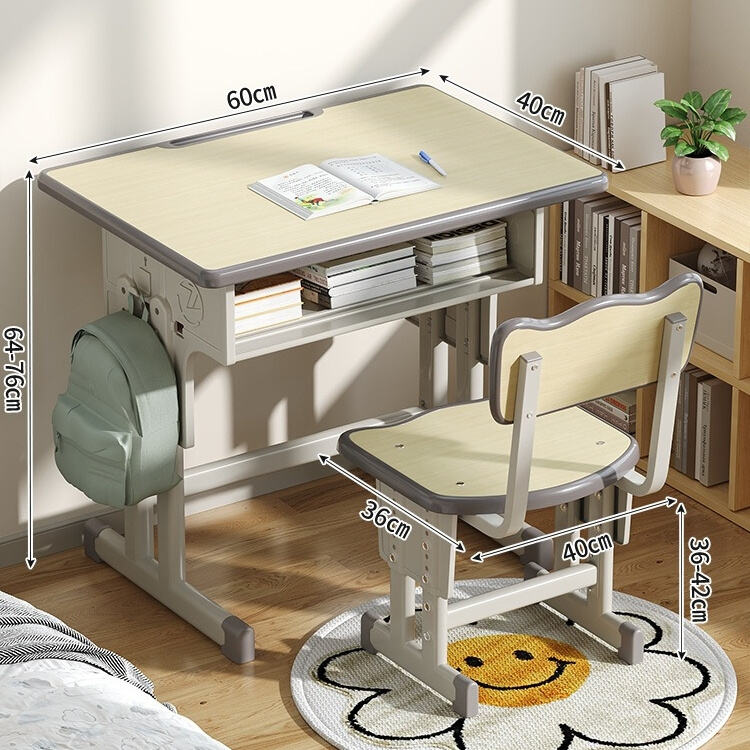
ကမ္ဘာတစ်ဝှမ်းရှိ ပညာရေးအဖွဲ့အစည်းများသည် စျေးနောက်ကြောင်းနှင့် လုပ်ဆောင်ချက်များကို ဟန်ခေါင်းညှိပေးနိုင်သည့် စျေးသက်သာသော အသုံးအဆောင်များကို အမြဲတမ်း ရှာဖွေနေကြသည်။ စာသင်ခန်းအတွက် သင့်လျော်သော အသုံးအဆောင်များကို ရွေးချယ်ခြင်းသည် ကျောင်းသားများ၏ သက်တောင်းသက်သာမှုနှင့် ပညာရေးဆိုင်ရာ စွမ်းဆောင်ရည်ကို အထူးသဖြင့် သက်ရောက်မှုရှိပါသည်။ ထို့ကြောင့် ကျောင်းသုံး စားပွဲနှင့် ခုံများကို ရွေးချယ်ခြင်းသည် စီမံခန့်ခွဲမှုအဖွဲ့အစည်းများအတွက် အရေးကြီးသော ဆုံးဖြတ်ချက်ဖြစ်ပါသည်။ ခေတ်မှီပညာရေးပတ်ဝန်းကျင်များတွင် သင်ကြားရေးနည်းလမ်းများစွာကို လိုက်လျောညီထွေဖြစ်အောင် ပြောင်းလဲနိုင်သည့် အသုံးဝင်မှုရှိသော အသုံးအဆောင်များကို လိုအပ်ပါသည်။ ထိုအသုံးအဆောင်များသည် အသုံးပြုမှုကြာရှည်စွာကြောင့် ခံနိုင်ရည်ရှိမှုနှင့် လူသားအင်ဂျင်နီယာပညာနှင့် ကိုက်ညီသော အထောက်အပံ့များကို ထိန်းသိမ်းပေးရန် လိုအပ်ပါသည်။
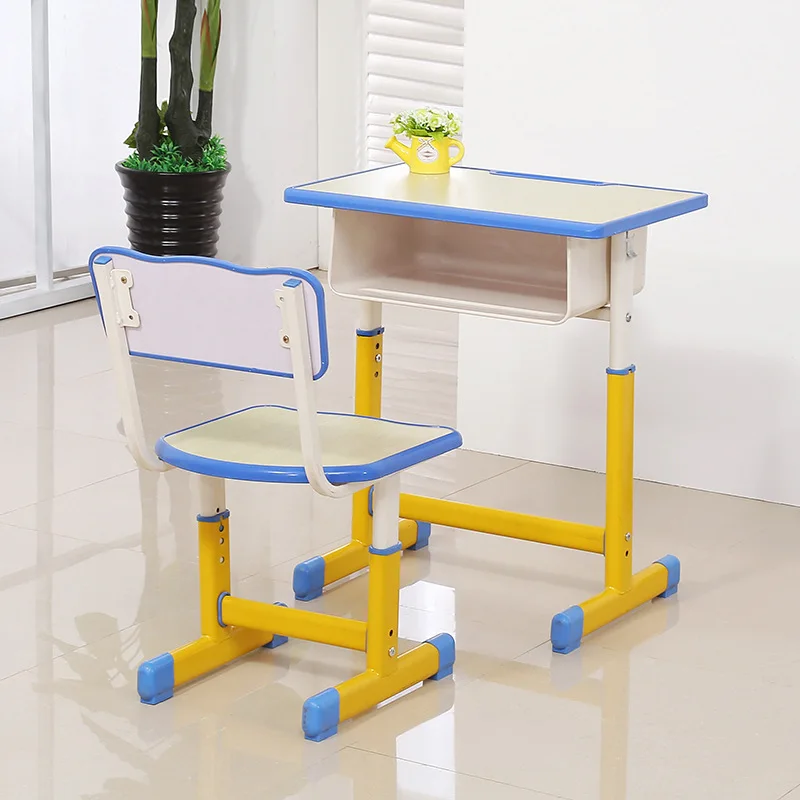
ဘတ်ဂျက်အကန့်အသတ်များသည် ပညာရေးဆိုင်ရာအဖွဲ့အစည်းများအား အရည်အသွေးမြင့် အင်္တာရာများတွင် ရင်းနှီးမှုပေးရာတွင် အများအားဖြင့် အတားအဆီးဖြစ်စေသည်။ သို့သော် အရည်အသွေးကို လျော့ချခြင်းဖြင့် မကြာခဏ အစားထိုးရခြင်းနှင့် ပုံမှန်ပြုပြင်ထိန်းသိမ်းမှုများကြောင့် ရှည်လျားသောကာလအတွင်း စုစုပေါင်းစရိတ်များ ပိုမိုမြင့်တက်လာနိုင်ပါသည်။ ထို့ကြောင့် ကျောင်းသုံး စားပွဲနှင့် ခုံများကို ရွေးချယ်ရာတွင် အစပိုင်းရင်းနှီးမှုနှင့် ရှည်လျားသောကာလအတွင်း တန်ဖိုးရှိမှုကြား ဟန်ချက်ညှိမှုကို နားလည်ရန် အလွန်အရေးကြီးပါသည်။ ခေတ်မှီထုတ်လုပ်သူများသည် ဤစိန်ခေါ်မှုများကို ဖြေရှင်းရန် လုပ်ဆောင်နိုင်သည့် အသစ်သောဒီဇိုင်းများကို ဖန်တီးခဲ့ပြီး လုပ်ငန်းစဉ်စရိတ်များကို အနည်းဆုံးဖြစ်အောင် လုပ်ဆောင်ရင်း အလုပ်အကျွေးအမြော်အမြဲများကို အဆင်ပေးနိုင်သည့် ဖြေရှင်းနည်းများကို ဖန်တီးပေးခဲ့ကြပါသည်။
ခေတ်မှီ စာသင်ခုံများအတွက် အရေးကြီးသော အင်္ဂါရပ်များ
အလိုအလျောက်ဒီဇိုင်း ထည့်သွင်းစဉ်းစားမှုများ
ပညာရေးဆိုင်ရာ အသုံးအဆောင်များတွင် သင်ယူမှုအတွက် သင်္ကြန်အလုပ်ခွင် ဒီဇိုင်းများကို မှန်ကန်စွာ အသုံးပြုခြင်းသည် ထိုင်ခုံပေါ်တွင် ရှည်လျားစွာ ထိုင်နေရသည့် သင်ယူမှုအချိန်များအတွင်း ကျောင်းသားများ၏ ကျန်းမာရေးနှင့် အာရုံစူးစမ်းမှုအဆင့်များကို တိုက်ရိုက်အကျိုးသက်ရောက်မှုရှိပါသည်။ ကျောင်းတွင် အကောင်းဆုံး စားပွဲနှင့် ထိုင်ခုံ ပေါင်းစပ်မှုသည် မှန်ကန်သော ကိုယ်ဟန်အနေအထားကို မြှင့်တင်ပေးပြီး ဖွံ့ဖြိုးဆဲအရွယ်တွင် ဖြစ်ပေါ်လာနိုင်သည့် ကြွက်သားနှင့် အရိုးစုဆိုင်ရာ ပြဿနာများကို လျော့နည်းစေပါသည်။ အမြင့်ညှိနိုင်သည့် အင်္ဂါရပ်များသည် ကျောင်းသားများ၏ အရွယ်အစားနှင့် ကိုယ်ခံစားမှုများကို အလုံအလေး ညှိပေးနိုင်ပါသည်။
ခေတ်မီ သင်္ကြန်အလုပ်ခွင် ဒီဇိုင်းများသည် အာရုံစူးစမ်းမှုကို မြှင့်တင်ရန်နှင့် ပင်ပန်းမှုကို လျော့နည်းစေရန် အောက်ခြေကျောရိုးကို မှန်ကန်စွာ ထောက်ပံ့ပေးခြင်းနှင့် ထိုင်ခုံ၏ နက်န်းမှုအများဆုံး အတိုင်းအတာကို အရေးကြီးသည်ဟု အလေးပေးပါသည်။ ထိုင်ခုံနှင့် နောက်ကျောထေးကြား ထောင်လေးထောင်ခြင်း ထောင်လေးထောင်ခြင်းသည် သဘောထားမှန်ကန်သည့် ကျောရိုးအနေအထားကို မြှင့်တင်ပေးပြီး သင်ယူမှုလုပ်ဆောင်မှုများအတွင်း လွတ်လပ်စွာ ရှုပ်ထွေးမှုကို ခွင့်ပြုရန် လိုအပ်ပါသည်။ မျက်နှာပုံပေါ်ရှိ အများအားဖြင့် အသုံးပြုသည့် ပစ္စည်းများသည် လှုပ်ရှားမှုကို တားဆီးရန် လုံလေးသည့် အက်ဒ်ဟေရ်ရှင်းကို ပေးစေရန် လိုအပ်ပါသည်။ ထို့အပြင် နေ့စဉ်သန့်ရှင်းရေး လုပ်ထုံးများအတွက် လွယ်ကူစွာ သန့်ရှင်းနိုင်ရန် လိုအပ်ပါသည်။
အသစ်အဆင်မြင်မှုနှင့်ပစ္စည်းရွေးချယ်မှု
ပညာရေးဆိုင်ရာ ပတ်ဝန်းကျင်များတွင် အသုံးပြုသည့် စာသင်ခန်းအလုပ်ခုံများကို နေ့စဉ်အသုံးပြုမှုများဖြင့် အလွန်အမင်း အသုံးပြုကြရပြီး ပညာသင်နှစ်များတစ်လျှောက် အသုံးပြုသူများစွာ၏ အများကြီးသော ထိတွေ့မှုများကို ခံနိုင်ရည်ရှိသည့် ပစ္စည်းများကို လိုအပ်ပါသည်။ အရည်အသွေးမြင့် သံမီးခိုးရောင် အဆောက်အအုံများသည် ဖွဲ့စည်းပုံဆိုင်ရာ တည်မြဲမှုကို ပေးစေပြီး အင်ဂျင်နီယာပြုလုပ်ထားသည့် သစ်သားများသည် စားပွဲများအတွက် စုစုပေါင်း စုံလင်မှုကို စျေးနောက်ကျမှုနည်းသည့် နည်းလမ်းဖြင့် ပေးစေပါသည်။ သင်တန်းခန်းများတွင် ပုံမှန်အားဖြင့် ဖြစ်ပေါ်လေ့ရှိသည့် အားဖေးမှုများအောက်တွင် ရှည်လျားစွာ တည်မြဲမှုကို အာမခံရန် သင့်လျော်သည့် ချောင်းများနှင့် ဆက်သွယ်မှု စနစ်များကို ရွေးချယ်ခြင်းသည် အရေးကြီးပါသည်။
မျက်နှာပုံများသည် အရှည်ကြီး အသုံးပြုမှုကြောင့် ဖြစ်ပေါ်လေ့ရှိသည့် အများကြီးသော အမှုန်အမှုန်များ၊ အစွန်းများနှင့် အသုံးပြုမှုများကို ခံနိုင်ရည်ရှိရန် လိုအပ်ပြီး အသုံးပြုမှုကြာမှုကြောင့် အလှအပကို ထိန်းသိမ်းပေးရန် လိုအပ်ပါသည်။ အများကြီးသော ထိတွေ့မှုများရှိသည့် မျက်နှာပုံများပေါ်တွင် ပိုးမွှားများကို လျော့နည်းစေရန် အဏ်ားမိုက်ရိုဘီယယ် ကုသမှုများကို အသုံးပြုခြင်းဖြင့် ပိုမိုကျန်းမာသည့် သင်ယူမှုပတ်ဝန်းကျင်များကို ဖန်တီးပေးပါသည်။ ပတ်ဝန်းကျင်ဆိုင်ရာ စိုးရိမ်မှုများကို ဖြေရှင်းရန် ရေရှည်တွင် အသုံးပြုနိုင်သည့် ပစ္စည်းများကို အသုံးပြုခြင်းသည် ပြန်လည်ထုတ်လုပ်နိုင်သည့် သဘောတော်များကို အသုံးပြုခြင်းနှင့် ထုတ်လုပ်မှုအဆင့်အနည်းငယ်သာ လုပ်ရန် လိုအပ်ခြင်းတို့ကြောင့် စုစုပေါင်း စုံလင်မှုကို ပေးစေပါသည်။
စုစုပေါင်း စုံလင်မှုအတွက် ဝယ်ယူမှုနည်းလမ်းများ
အများအားဖြင့် ဝယ်ယူမှု၏ အကျေးဇူးများ
ပညာရေးအဖွဲ့အစည်းများသည် စီမံကုန်းမှုအရ အရေးကြီးသော စုစုပေါင်းဝယ်ယူမှုအစီအစဉ်များကို အသုံးပြုခြင်းဖြင့် စုစုပေါင်းစုံလင်မှုအားဖော်ထုတ်နိုင်ပါသည်။ စုစုပေါင်းအခန်းများ သို့မဟုတ် အဆောက်အဦများအတွက် အမှုအများကို ပေါင်းစပ်ခြင်းဖြင့် ကုန်ပစ္စည်းထုတ်လုပ်သူများ၏ အရေအတွက်အလိုက် လျှော့စျေးများကို ရယူနိုင်ပါသည်။ ပညာရေးအဖွဲ့အစည်းတစ်ခုလုံးတွင် စာသင်ခန်းစားပွဲနှင့် ခုံများ၏ အသေးစိတ်အချက်အလက်များကို စံသတ်မှတ်ခြင်းဖြင့် ပြုပြင်ထိန်းသိမ်းရေးလုပ်ထုံးများကို ရှင်းလင်းစေပြီး အစားထိုးအစိတ်အပိုင်းများအတွက် စုံလင်မှုကို လျော့နည်းစေပါသည်။
နီးစပ်သော ပညာရေးခရိုင်များ သို့မဟုတ် အဖွဲ့အစည်းများအကြား ပူးပေါင်းဝယ်ယူမှုအစီအစဉ်များကို အသုံးပြုခြင်းဖြင့် ဝယ်ယူမှုအာဏာကို ပိုမိုမြင့်တင်နိုင်ပါသည်။ ထိုသို့သော ပူးပေါင်းမှုများသည် အရည်အသွေးမြင့် အိမ်သုံးပစ္စည်းများကို အလုပ်သမ်းတစ်ဦးချင်းစီအတွက် စုံလင်မှုကို လျော့နည်းစေပါသည်။ ထုတ်လုပ်သူများ၏ ထုတ်လုပ်မှုအချိန်ဇယားနှင့် ကုန်ပစ္စည်းဝယ်ယူမှုအချိန်ကို ညှိပေးခြင်းဖြင့် စုံလင်မှုကို သိမ်းဆောင်ရေးစရိတ်များကို လျော့နည်းစေပါသည်။ ယုံကြည်စိတ်ချရသော ပေးသွင်းသူများနှင့် ရှည်လျောင်စွာသော စာချုပ်များကို ချုပ်ဆိုခြင်းဖြင့် စျေးနှုန်းများကို တည်ငြိမ်စေပြီး အများအားဖြင့် အမှုအများဆုံးအချိန်များတွင် ကုန်ပစ္စည်းများကို အာမခံပေးနိုင်ပါသည်။
ပိုင်ဆိုင်မှု ကုန်ကျစရိတ်စုစုပေါင်း ဆန်းစစ်ချက်
အသုံးအဆောင်ပစ္စည်းများတွင် ရင်းနှီးမြှုပ်နှံမှုများကို စုံစမ်းသုံးသပ်ရာတွင် စတင်ဝယ်ယူစရိတ်အပေါ်တွင်သာမက ထိန်းသိမ်းရေးစရိတ်များ၊ အစားထိုးရမည့် ကြိမ်နှုန်းများနှင့် လုပ်ဆောင်မှုဆိုင်ရာ အကျိုးသက်ရောက်မှုများကိုလည်း ထည့်သွင်းစဉ်းစားရန် လိုအပ်ပါသည်။ အရည်အသွေးမြင့်မားသော ကျောင်းသုံး စားပွဲနှင့် ခုံများကို အသုံးပြုခြင်းဖြင့် အသက်တာကြာရှည်မှုနှင့် ထိန်းသိမ်းရေးလိုအပ်ချက်များ လျော့နည်းခြင်းတို့ကြောင့် အစပိုင်းတွင် ပိုမိုမြင့်မားသော ရင်းနှီးမြှုပ်နှံမှုကို အကျေးဇူးပုဒ်ဖြင့် ရှင်းလင်းနိုင်ပါသည်။ စုစုပေါင်း ပိုင်ဆိုင်မှုစရိတ် (Total Cost of Ownership) ကို တွက်ချက်ခြင်းဖြင့် စီမံကိန်းရေးဆွဲမှုကာလအတွင်း ဘတ်ဂျက်ခွဲဝေမှုကို အကောင်းဆုံးဖြစ်အောင် ဆောင်ရွက်နိုင်ရန် စီမံခန့်ခွဲမှုအဖွဲ့များအား အသိပေးနိုင်ပါသည်။
အသုံးအဆောင်ပစ္စည်းများ ထုတ်လုပ်ခြင်းနှင့် ပို့ဆောင်ခြင်းနှင့် ဆောင်းပါသော စွမ်းအင်စရိတ်များသည် ပတ်ဝန်းကျင်နှင့် ငွေကြေးဆိုင်ရာ အကျိုးသက်ရောက်မှုများကို စုံစမ်းသုံးသပ်ရာတွင် အရေးပါသော အစိတ်အပိုင်းတစ်ခုဖြစ်ပါသည်။ ဒေသတွင်းမှ ဝယ်ယူခြင်းအစီအစဉ်များသည် ပို့ဆောင်စရိတ်များ လျော့နည်းခြင်းဖြင့် စရိတ်အကောင်းဆုံးဖြစ်စေနိုင်ပါသည်။ ထို့အပ alongside ဒေသတွင်း စီးပွားရေးဖ development ကိုလည်း အထောက်အပံ့ပေးနိုင်ပါသည်။ အာမခံချက်များနှင့် ထုတ်လုပ်သူများ၏ အထောက်အပံ့ဝန်ဆောင်မှုများသည် အဖွဲ့အစည်းများ၏ ရင်းနှီးမြှုပ်နှံမှုများကို ကာကွယ်ပေးနိုင်ရန် စွမ်းရည်များဖြင့် အန္တရာယ်လျှော့ချမှုနှင့် ပြဿနာဖြေရှင်းမှုများကို ပေးစေပါသည်။
ဘတ်ဂျက်အကန့်အသတ်များအတွက် တေးသော ဒီဇိုင်းဖြေရှင်းနည်းများ
မော်ဂျူလာပရိဘောဂ စနစ်များ
သင်တန်းခန်းအတွက် မော်ဂျူလာပရိဘောဂဒီဇိုင်းဆွဲခြင်းနည်းလမ်းများသည် အဖွဲ့အစည်းများအား စံနှုန်းထားသော အစိတ်အပိုင်းများကို အသုံးပြု၍ စုံလင်သောလုပ်ဆောင်ချက်များကို ပေးနိုင်သည့်အတွက် ကုန်ကျစရိတ်များကို ထိန်းသိမ်းရင်း လွတ်လပ်မှုကို အများဆုံးဖော်ဆောင်နေပါသည်။ အစိတ်အပိုင်းများကို အလွယ်တက် အစားထိုးနိုင်ခြင်းဖြင့် သင်ကြားရေးနည်းလမ်းများနှင့် အုပ်စုအရွယ်အစားများကို ကောင်းစွာဖော်ဆောင်နိုင်ရန် သင်ယူမှုနေရာများကို ပြန်လည်ဖွဲ့စည်းနိုင်ပါသည်။ ထိုသို့သော ပြောင်းလဲမှုများအတွက် ပရိဘောဂအားလုံးကို အသစ်ပြောင်းလဲရန် မလိုအပ်ပါ။ အ ပညာသင်တန်း โต๊ะချို့နှင့် စီးရီး မော်ဂျူလာများကို အသုံးပြု၍ ဖန်တီးထားသော ပေါင်းစပ်မှုများသည် ပညာရေးဆိုင်ရာ လိုအပ်ချက်များ ပြောင်းလဲလာသည်နှင့်အမျှ ရှည်လျားသောကာလအထိ လိုက်လျောညီထွှင်မှုကို ပေးစေပါသည်။
စံနှုန်းထားသော ဆက်သွယ်မှုစနစ်များသည် ပရိဘောဂများကို အလွယ်တက် တပ်ဆင်ခြင်းနှင့် ပြန်လည်ဖျက်သိမ်းခြင်းကို ဖော်ဆောင်ပေးပါသည်။ ထို့ကြောင့် ပရိဘောဂများကို ပြန်လည်ဖွဲ့စည်းခြင်းနှင့် ရွှေ့ပြောင်းခြင်းနှင့် သက်ဆိုင်သော အလုပ်သမားစရိတ်များကို လျှော့ချပေးပါသည်။ အစိတ်အပိုင်းအလိုက် ဒီဇိုင်းဆွဲထားသော ချဉ်းကပ်မှုများသည် ပုံမှန်အားဖြင့် အသုံးပျော့သော အစိတ်အပိုင်းများကို အစိတ်အပိုင်းအလိုက် အစားထိုးခြင်းဖြင့် ပရိဘောဂအားလုံးကို အသစ်ပြောင်းလဲရန် မလိုအပ်စေပါသည်။ ထို့ကြောင့် ပရိဘောဂများ၏ အသက်တမ်းကို ရှည်လျားစေပါသည်။ မော်ဂျူလာများကို အသုံးပြုခြင်းသည် ပူးပေါင်းသော သင်ယူမှုနှင့် ပြောင်းလဲနိုင်သော သင်တန်းခန်းစီစဉ်မှုများကို အလေးပေးသည့် ပညာရေးနည်းလမ်းများကို ပံ့ပိုးပေးပါသည်။
အမျိုးမျိုးသော လုပ်ဆောင်ချက်များ
ခေတ်မှီပညာရေးဆိုင်ရာ အင်္ဂါရပ်များသည် အသုံးဝင်မှုကို အများဆုံးဖော်ထုတ်ရန်နှင့် နေရာအသုံးပြုမှုနှင့် စုစုပေါင်းစရိတ်လိုအပ်ချက်များကို အနည်းဆုံးဖော်ထုတ်ရန် အများအားဖြင့် စွမ်းရည်များစွာပါဝင်သည့် အင်္ဂါရပ်များကို ပိုမိုမှုန်းသည်။ စားပွဲဒီဇိုင်းများအတွင်း ပေါင်းစပ်ထားသည့် သိုလှောင်ရေးအဖွဲ့အစည်းများသည် သီးခြားသိုလှောင်ရေးယူနစ်များကို မလိုအပ်တော့စေဘဲ စနစ်ကျသည့် သင်ယူမှုပတ်ဝန်းကျင်များကို ထိန်းသိမ်းပေးသည်။ တစ်ဦးချင်းနှင့် အုပ်စုလုပ်ဆောင်မှုများနှင့် ကိုက်ညီသည့် ပြောင်းလဲနိုင်သည့် မျက်နှာပြင်များသည် ပညာရေးဆိုင်ရာ လှုပ်ရှားမှုများအတွက် လိုအပ်သည့် အင်္ဂါရပ်များ၏ စုစုပေါင်းအရေအတွက်ကို လျော့နည်းစေသည်။
ခုံများကို စုပ်ထားနိုင်သည့် ဒီဇိုင်းများသည် အခမ်းအချိန်များ သို့မဟုတ် ထိန်းသောင်းမှုလုပ်ငန်းများအတွင်း ထိရောက်စွာသိုလှောင်ရေးကို အထောက်အကူပေးပြီး အများပါးသုံး အဆောက်အဦးများတွင် နေရာအသုံးပြုမှုကို အကောင်းဆုံးဖော်ထုတ်ပေးသည်။ စားပွဲအစိတ်အပိုင်းများတွင် အောက်သို့ ချနိုင်သည့် အင်္ဂါရပ်များသည် စာမေးပွဲများ၊ တင်ပြခြင်းများ သို့မဟုတ် အထူးအခမ်းအချိန်များအတွက် စာသင်ခုံအစီအစဥ်များကို အများအားဖြင့် အများဆုံးမြန်ဆန်စွာ ပြောင်းလဲနိုင်စေသည်။ ဤကွဲပြားသည့် အင်္ဂါရပ်များသည် ပညာရေးဆိုင်ရာ အခြေအနေများအများအပြားတွင် အသုံးပြုနိုင်မှုကို တိုးမွှေးပေးခြင်းဖြင့် အင်္ဂါရပ်များပေါ် ရင်းနှီးမှုအတွက် အများဆုံးအကျိုးကျေးဇူးကို အာမခံပေးသည်။
ပြုပြင်ထိန်းသိမ်းမှုနှင့်ရှည်လျားမှုဆိုင်ရာစဉ်းစားချက်များ
ကာကွယ်ရေး ထိန်းသိမ်းပြုပြင်မှု အစီအစဉ်များ
စနစ်တကျ ထိန်းသိမ်းရေး ပရိုတိုကောလ်များသည် ပညာရေးဆိုင်ရာ အင်္ဂါရပ်များ၏ အသက်တမ်းကို သိသိသာသာ ရှည်လျားစေပြီး လုံခြုံပြီး လုပ်ဆောင်နိုင်သော သင်ယူရေး ပတ်ဝန်းကျင်များကို ထိန်းသိမ်းပေးပါသည်။ ပုံမှန် စစ်ဆေးမှုများကို အချိန်မှီ အကောင်အထည်ဖော်ခြင်းဖြင့် စုံစမ်းမှုများ ပေါ်ပေါက်လာပြီး ကုန်ကျစားစားများ ဖြစ်လာသည့် ပြဿနာများ သို့မဟုတ် အလွန်မှ အစောပိုင်းတွင် အစားထိုးရန် လိုအပ်သည့် အခြေအနေများကို ကြိုတင်ဖမ်းမိနိုင်ပါသည်။ အသုံးများသော ကာကွယ်ရေး စီမံချက်များဖြစ်သည့် သေချာစွာ သန့်ရှင်းရေး လုပ်ထုံးများနှင့် ပုံမှန် ပစ္စည်းများ ပြန်လည်တင်ဆောင်ရေး လုပ်ငန်းများသည် ကျောင်းသုံး စားပွဲများနှင့် ခုံများတွင် အဖြစ်များသော ပျက်စီးမှုများကို ကာကွယ်ပေးပါသည်။
ဝန်ထမ်းများအတွက် လေ့ကျင်းမှု အစီအစဉ်များသည် အဆိုပါ ထိန်းသိမ်းရေး လုပ်ထုံးများကို အားလုံးသော အဆောက်အဦများတွင် တစ်သေးတည်း အကောင်အထည်ဖော်နိုင်ရေးကို သေချာစေပါသည်။ ထိန်းသိမ်းရေး လုပ်ငန်းများကို မှတ်တမ်းတင်ခြင်းဖြင့် အနောက်နောက်တွင် အစားထိုးရေး အချိန်ဇယားများကို အကောင်အထည်ဖော်ရေးနှင့် နောင်လာမည့် ဝယ်ယူမှုများအတွက် ဒီဇိုင်းများ မော်ဒီဖိုင်းလုပ်ရေး အတွက် အသုံးဝင်သော အချက်အလက်များကို ပေးစေပါသည်။ ကြိုတင် ထိန်းသိမ်းရေး ချဉ်းကပ်မှုများသည် ပိုမိုမြင့်မားသော အသုံးပြုသူ က удовлетворенностьနှင့် လုံခြုံရေးကို ထိန်းသိမ်းရင်း စုစုပေါင်း ပိုင်ဆိုင်မှု စရိတ်များကို လျှော့ချပေးပါသည်။
ပြင်ဆင်ခြင်းနှင့် အစားထိုးမှု ဗျူဟာများ
အသုံးဝင်မှုရှိသော အခြေအနေများတွင် ပရိဘောဂများကို ပြုပြင်ခြင်း သို့မဟုတ် အစားထိုးခြင်း ဆုံးဖြတ်ချက်များကို ချမှတ်ရာတွင် အတွေးအခေါ်များသည် ရေရှည်တွင် ဘတ်ဂျက်အကောင်အထောက်အကူပေးမှုနှင့် လုပ်ငန်းဆောင်တွင် ထိရောက်မှုကို အကျိုးသက်ရောက်မှုရှိပါသည်။ ပရိဘောဂများကို ပြုပြင်နိုင်မှုအတွက် ရှင်းလင်းသော စံနှုန်းများ သတ်မှတ်ခြင်းဖြင့် ပြုပြင်ရေးဝန်ထမ်းများသည် အရင်းအမြစ်များကို အကောင်အထောက်အကူပေးရေးအတွက် တသမတ်တည်းသော ဆုံးဖြတ်ချက်များကို ချမှတ်နိုင်ပါသည်။ အသုံးများသော အစားထိုးပစ္စည်းများကို လုံလောက်စွာ သိုလှောင်ထားခြင်းဖြင့် ပရိဘောဂများ ပျက်စီးမှုအတွက် မျှတသော အဖြေရှာဖွေမှုကို ပညာရေးလုပ်ငန်းများကို မထိခိုက်စေဘဲ အမျှတစွာ ပေးနိုင်ပါသည်။
နည်းပညာအထောက်အပံ့များနှင့် အစားထိုးပစ္စည်းများ အမြဲရရှိနေမှုကို ပေးသော ရောင်းဝယ်ရေးဖက်များသည် ပရိဘောဂများကို ရေရှည်တွင် စီမံခန့်ခွဲမှုအတွက် အောင်မွေးသော အစီအစဉ်များကို အထောက်အပံ့ပေးရာတွင် အရေးပါသော အခန်းကဏ္ဍများ ပါဝင်ပါသည်။ အတွင်းပိုင်း ပြုပြင်ရေးဝန်ထမ်းများကို မှန်ကန်သော ပြုပြင်နည်းလမ်းများဖြင့် လေ့ကျင်းပေးခြင်းဖြင့် အပြင်ပိုင်း ဝန်ဆောင်မှုပေးသူများအပေါ် မှီခိုမှုကို လျော့နည်းစေပြီး အဖွဲ့အစည်းအတွင်း စွမ်းရည်များကို တည်ဆောက်ပေးပါသည်။ စံနှုန်းများနှင့်အညီ ပြုပြင်မှုလုပ်ထုံးများကို ဖန်တီးခြင်းဖြင့် နည်းပညာပုဂ္ဂိုလ်တစ်ဦးချင်းစီ၏ အတွေ့အကြုံအဆင်သော အဆင့်အတန်းနှင့် မသက်ဆိုင်ဘဲ အရည်အသွေးများ တသမတ်တည်း ရရှိစေပါသည်။
နည်းပညာပေါင်းစပ်ခြင်း အခွင့်အလမ်းများ
ပါဝါနှင့် ချိတ်ဆက်မှုဖြေရှင်းနည်းများ
ခေတ်မီပညာရေးပတ်ဝန်းကျင်များသည် ဒစ်ဂျစ်တယ်သင်ကြားရေးကိရိယာများနှင့် ကိရိယာများကို လက်ခံနိုင်ရန် အထူးသဖြင့် အသုံးပြုသည့် အိမ်သုံးပစ္စည်းများ၏ ဒီဇိုင်းများတွင် ပေါင်းစပ်ထည့်သွင်းထားသော နည်းပညာအထောက်အပံ့များကို တဖြည်းဖြည်း ပိုမိုလိုအပ်လာပါသည်။ ကျောင်းသုံး စားပွဲနှင့် ခုံများတွင် ပါဝင်သော ပေါင်းစပ်ထည့်သွင်းထားသော လျှပ်စစ်ပေးသွင်းရေး ပေါက်များနှင့် USB အားသွင်းရေး ပေါက်များသည် လက်ရှိ စာသင်ခန်းအခြေခံအဆောက်အအိမ်များကို ပြန်လည်ပြုပြင်ရန် လိုအပ်မှုကို ဖျောက်ပေးပါသည်။ ကြိုးစီမံခန့်ခွဲမှုစနစ်များသည် လျှပ်စစ်နှင့် ဒေတာချိတ်ဆက်မှုများအတွက် စနစ်ကျသော လမ်းကြောင်းများကို ပေးစေပါသည်။
စားပွဲမျက်နှာပြင်များတွင် ပေါင်းစပ်ထည့်သွင်းထားသော အလျှပ်စစ်အားသွင်းရေးများသည် အပိုဆောင်း ဟာ့ဒ်ဝဲထည့်သွင်းမှုများ မလိုအပ်ဘဲ ခေတ်မီ မိုဘိုင်းကိရိယာများကို အထောက်အပံ့ပေးပါသည်။ နည်းပညာအသစ်များ၏ စံနှုန်းများ ပြောင်းလဲလာမှုကို အနာဂတ်တွင် အသုံးပြုနိုင်ရန် အတွက် မော်ဂျူလာ ချိတ်ဆက်မှုဖြေရှင်းနည်းများကို အသုံးပြုခြင်းဖြင့် သက်ဆိုင်ရာ စံနှုန်းများနှင့် ကိုက်ညီမှုကို အာမခံပေးပါသည်။ အိမ်သုံးပစ္စည်းများ၏ ဒီဇိုင်းများတွင် နည်းပညာအထောက်အပံ့များကို ပေါင်းစပ်ထည့်သွင်းခြင်းသည် သီးခြား နည်းပညာအခြေခံအဆောက်အအိမ်များကို တပ်ဆင်ခြင်းထက် စုစုပေါင်းစရိတ်အရ ပိုမိုစီးပွားရေးနုန်းသော နည်းလမ်းဖြစ်ပါသည်။
စမတ်အိမ်သုံးပစ္စည်း လုပ်ဆောင်ချက်များ
အဆင့်မြင့်သော စမတ်ပရိဘောဂနည်းပညာများ ဖွံ့ဖြိုးလာခြင်းသည် သင်ယူမှုပတ်ဝန်းကျင်များကို ပိုမိုကောင်းမွန်စေရန် အခွင့်အလမ်းများကို ပေးစေပါသည်။ ထို့အပ alongside အဖွဲ့အစည်းများ၏ ရန်ပုံငွေအသုံးပုံစံကို စီမံခန့်ခွဲမှုအတွက် စီးပွားရေးအမျှတမှုကို ထိန်းသိမ်းပေးပါသည်။ ရိုးရှင်းသော စီန်ဆာများ ပေါင်းစပ်မှုများဖြင့် ပရိဘောဂများ၏ အသုံးပုံအကြောင်းအများနှင့် အခြေအနေအခြေအနေများကို စောင်းကြည့်နိုင်ပါသည်။ ထိုသို့သော အချက်အလက်များသည် ပြုပြင်ထိန်းသိမ်းရေး စီမံကိန်းများနှင့် နေရာအသုံးပျော်မှု အမျှတမှုကို မှန်ကန်စွာ စီမံခန့်ခွဲရေးအတွက် အရေးကြီးသော အချက်အလက်များ ဖေးမော်ပေးပါသည်။ အမှတ်သော အမြင့်ညှိမှု စနစ်များသည် ကျောင်းသားများ၏ ကိုယ်ပိုင် နှစ်သက်မှုများကို လေးစားပေးပါသည်။ ထို့အပှင့် အသုံးပျော်မှုကို လွယ်ကူစေရန် အထောက်အကူပေးပါသည်။
အခြေခံသော ချိတ်ဆက်မှုလုပ်ဆောင်ချက်များသည် တောင်းဆိုမှုများကို စီမံခန့်ခွဲရေးစနစ်များနှင့် ချိတ်ဆက်ရန် အခွင့်အလမ်းများကို ပေးစေပါသည်။ ထိုသို့သော ချိတ်ဆက်မှုများသည် တက်ရောက်မှု ချိန်ညှိမှုများနှင့် နေရာခွဲဝေမှုများအတွက် အသုံးဝင်ပါသည်။ ထိုနည်းပညာများကို အသုံးပြုရန် အပိုရန်ပုံငွေ အနည်းငယ်သာ လိုအပ်ပါသည်။ ထို့အပှင့် လုပ်ငန်းဆောင်တာများကို သိသိသာသာ မြှင့်တင်ပေးနိုင်ပါသည်။ စမတ်လုပ်ဆောင်ချက်များကို တဖြည်းဖြည်းချင်း အသုံးပြုခြင်းသည် အဖွဲ့အစည်းများအား ရှေးရေးကို တဖြည်းဖြည်းချင်း ခေတ်မှီလာစေရန် အခွင့်အလမ်းများကို ပေးစေပါသည်။ ထိုသို့သော ခေတ်မှီလုပ်ဆောင်ချက်များကို အသုံးပြုရန် အဓိက ရှေးရေးအသုံးစရိတ်များကို မှုန်းမှုများ မဖြစ်စေဘဲ အသုံးပြုနိုင်ပါသည်။
အသေးစိတ်ရှိမှုနှင့် ပরিবেশအကျိုးသက်ရောက်မှု
ပတ်ဝန်းကျင်အကျိုးအမြတ်ရှိ ပစ္စည်းရွယ်ရေး ရွေးချယ်မှုများ
ပညာရေးဆိုင်ရာ အသုံးအဆောင်များတွင် စွမ်းအားဖောက်ထုတ်နိုင်သော ပစ္စည်းများကို ရွေးချယ်ခြင်းသည် ပတ်ဝန်းကျင်ဆိုင်ရာ တာဝန်ယူမှုကို မှုန်းမှုပေးပါသည်။ ထို့အပေါ်အခြေခံ၍ ပြန်လည်အသုံးပြုနိုင်သော သဘောတော်များကို အသုံးပြုခြင်းဖြင့် စုံစမ်းမှုအကုန်ကုန်သက်သော အကျိုးကျေးဇူးများကို ရရှိနိုင်ပါသည်။ သံမှုန်အစိတ်အပိုင်းများနှင့် ပလပ်စတစ်အစိတ်အပိုင်းများတွင် ပြန်လည်အသုံးပြုထားသော ပစ္စည်းများကို အသုံးပြုခြင်းဖြင့် သမ္မာသုံးစွဲမှုကုန်ကုန်ကို လျော့နည်းစေပါသည်။ ထို့အပေါ်အခြေခံ၍ စီးပွားရေးစနစ်ကို ပတ်ဝန်းကျင်နှင့် ကိုက်ညီစေရန် အကူအညီဖေးမေးပေးပါသည်။ မြန်မှုန်းဖြင့် ပြန်လည်ဖောက်ထုတ်နိုင်သော ပစ္စည်းများဖြစ်သည့် မုန်းသားသည် ရှေးရိုးစွဲ သစ်သားများနှင့် နှိုင်းယှဉ်လျက် ခံနိုင်ရည်ရှိပါသည်။ ထို့အပေါ်အခြေခံ၍ ပတ်ဝန်းကျင်အပေါ် သက်ရောက်မှုနည်းပါသည်။ ထို့အပေါ်အခြေခံ၍ ဈေးနှုန်းအရ ယှဉ်ပေးနိုင်သည့် အကျိုးကျေးဇူးများကို ရရှိနိုင်ပါသည်။
အန်တီမိုက်စ် အဆုံးသတ်များနှင့် ကပ်စ်များကို အသုံးပြုခြင်းဖြင့် ပညာရေးဆိုင်ရာ ပတ်ဝန်းကျင်များတွင် အတွင်းပိုင်းလေသန့်ရှင်းမှုကို မြှင့်တင်ပေးပါသည်။ ထို့အပေါ်အခြေခံ၍ ပတ်ဝန်းကျင်ဆိုင်ရာ စည်းမျဉ်းများကို ပိုမိုတင်းကြပ်စေပါသည်။ စွမ်းအားဖောက်ထုတ်နိုင်သော ထုတ်လုပ်မှုလုပ်ငန်းစဉ်များကို အသုံးပြုခြင်းဖြင့် ထုတ်ကုန်အရည်အသွေးကို မြှင့်တင်ပေးပါသည်။ ထို့အပေါ်အခြေခံ၍ အရည်အသွေးထိန်းချုပ်မှု စနစ်များနှင့် ပစ္စည်းများ၏ တည်ငြိမ်မှုကို မြှင့်တင်ပေးပါသည်။ ပညာရေးဆိုင်ရာ စားပွဲနှင့် ခုံများကို ပတ်ဝန်းကျင်နှင့် ကိုက်ညီစေရန် ရွေးချယ်ခြင်းဖြင့် အဖွဲ့အစည်းများသည် စွမ်းအားဖောက်ထုတ်နိုင်သော ပညာရေးကို လက်တွေ့အခြေခံ၍ ပြသပေးပါသည်။
အသုံးပြုပြီးသောအခါ စဉ်းစားရမည့်အချက်များ
အသုံးပြီးသော အချိန်တွင် အဖွဲ့အစည်းများ၏ အလုပ်ခွင်အသုံးအဆောင်များကို စနစ်တကျ စွန့်ပစ်ခြင်းနှင့် ပြန်လည်အသုံးပြုခြင်းအတွက် အစီအစဉ်ရေးဆွဲခြင်းသည် စုစုပေါင်း ရေရှည်တည်တံ့မှု နောက်ခံမှုများကို အထောက်အကူပုလုပ်ပေးပြီး စွန့်ပစ်စရိတ်များကို လျှော့ချနိုင်သည်။ အသုံးပြီးသောအချိန်တွင် အစိတ်အပိုင်းများကို လွယ်ကူစွာ ခွဲထုတ်နိုင်ရန် ဒီဇိုင်းရေးဆွဲခြင်း အခြေခံများသည် အသုံးပြီးသော အချိန်တွင် အစိတ်အပိုင်းများကို ခွဲထုတ်ခြင်းနှင့် ပစ္စည်းများကို ပြန်လည်ရယူခြင်းကို အထောက်အကူပုလုပ်ပေးသည်။ ထုတ်လုပ်သူများ၏ ပြန်လည်လက်ခံရယူမှု အစီအစဉ်များသည် တာဝန်ယူမှုရှိသော စွန့်ပစ်မှုနည်းလမ်းများကို ပေးစေပြီး တစ်ခါတစ်ရံ နောက်လာမည့် ဝယ်ယူမှုများအတွက် ခွင့်ပြုခွင့် (Credit) များကိုပေးစေသည်။
ပြန်လည်ပုံသေးခြင်းနှင့် လှူဒါန်းခြင်း အစီအစဉ်များသည် မူလအဖွဲ့အစည်းများ၏ အသုံးပြီးသော အသုံးအဆောင်များကို အသုံးပြီးသော အချိန်အထိ အသုံးပြုနိုင်စေပြီး အရင်းအမြစ်များ အလွန်နည်းပါးသော လူမှုအဖွဲ့အစည်းများကို အထောက်အပံ့ပေးသည်။ အသုံးပြီးသော အသုံးအဆောင်များမှ အစိတ်အပိုင်းများကို ထုတ်ယူခြင်းသည် ကျန်ရှိသော အသုံးအဆောင်များအတွက် အပိုပစ္စည်းများကို ပေးစေပြီး စုစုပေါင်း အသုံးအဆောင်များ၏ အသုံးပြီးသော အချိန်ကို ရှည်လျားစေသည်။ ဤသို့သော အသုံးပြီးသော အချိန်တွင် အသုံးပြုသည့် နည်းလမ်းများသည် ပုံမှန်အားဖြင့် စုစုပေါင်း ပိုင်ဆိုင်မှုစရိတ်ကို လျှော့ချပေးပြီး အဖွဲ့အစည်းများ၏ ရေရှည်တည်တံ့မှု ရည်မှန်းချက်များကို ပိုမိုထောက်ပံ့ပေးသည်။
မေးလေ့ရှိသောမေးခွန်းများ
ကျောင်းများသည် ဘတ်ဂျက်နှင့်ကိုက်ညီသော စာသင်ခါးပေါင်းများကို ရွေးချယ်ရာတွင် အရေးကြီးသော အချက်များကား အဘယ်နည်း။
ကျောင်းများသည် အစပိုင်းတွင် ဝယ်ယူရန် စုစုပေါင်းစုံစမ်းစိတ်ခြင်းအစား ခံနိုင်ရည်၊ လူသုံးကုန်ဒီဇိုင်းနှင့် ပိုင်ဆိုင်မှု၏ စုစုပေါင်းစုံစမ်းစိတ်ခြင်းတို့ပေါ်တွင် အာရုံစိုက်သင့်ပါသည်။ လုံခြုံရေးစံနှုန်းများကို ဖော်ထုတ်ပြီး သင့်လျော်သော အထောက်အပံ့များကို ပေးနိုင်သည့် အရည်အသွေးမြင့် ကျောင်းတွင် အသုံးပြုသည့် စားပွဲနှင့် ခုံများသည် အသက်တာကြာရှည်မှုနှင့် ပိုမိုနည်းပါးသော ပြုပြင်ထိန်းသိမ်းမှုစုံစမ်းစိတ်ခြင်းတို့မှတစ်ဆင့် ပိုမိုကောင်းမွန်သော ရှည်လျောင်စွာသုံးစွဲနိုင်သည့် တန်ဖိုးကို ပေးစေပါသည်။ ရွေးချယ်မှုဆုံးဖြတ်ချက်များ ချမှတ်ရာတွင် အာမခံချက်အ покрытие၊ ထုတ်လုပ်သူ၏ အမည်အသံစ်နှင့် အစိတ်အပိုင်းများ အစားထိုးရန် ရနိုင်မှုတို့ကို ထည့်သွင်းစဉ်းစားသင့်ပါသည်။
ပညာရေးအဖွဲ့အစည်းများသည် ၎င်းတို့၏ အသုံးအဆောင်များအတွက် ဘတ်ဂျက်ကို အများဆုံးအကျေးခံနိုင်ရန် မည်သို့လုပ်ဆောင်နိုင်ပါသနည်း။
အခြားအဖွဲ့အစည်းများနှင့် ပူးပေါင်းဆောင်ရွက်မှုစီမံကိန်းများအတွင်း အများအားဖြင့် ဝယ်ယူခြင်းဖြင့် အရေအတွက်အလျောက် လျှော့စျေးများကို ရရှိနိုင်ပါသည်။ ထုတ်လုပ်သူ၏ ထုတ်လုပ်မှုစက်ဝိုင်းများနှင့် ဘဏ္ဍာရေးနှစ်အဆုံးတွင် ကုန်ပစ္စည်းများကို ရှင်းလင်းရန် လုပ်ဆောင်ခြင်းတို့နှင့် ဝယ်ယူမှုအချိန်ကို ညှိပေးခြင်းဖြင့် အပိုဆောင်းစုံစမ်းစိတ်ခြင်းများကို ရရှိနိုင်ပါသည်။ အရည်အသွေးလိုအပ်ချက်များနှင့် ဘတ်ဂျက်ကန့်သတ်ချက်များကို ဟန်ချက်ညှိပေးသည့် စုံစမ်းစိတ်ခြင်းများကို ဖော်ထုတ်ခြင်းဖြင့် အကောင်းမွန်ဆုံးသော တန်ဖိုးကို ရရှိနိုင်ပါသည်။ ထို့အပှင့် အလွန်အမင်း အသုံးပြုမှုများကို ရှောင်ရှားခြင်းဖြင့် မလိုအပ်သော စုံစမ်းစိတ်ခြင်းများကို လျှော့ချနိုင်ပါသည်။
စာသင်ခန်းအလုပ်သမ်းများ၏ အသက်တမ်းကို ရှည်လျားစေရန် မည်သည့် ထိန်းသိမ်းရေး လုပ်ဆောင်ချက်များကို အသုံးပြုသင်းပါသလား။
သင့်လျော်သော ပစ္စည်းများဖြင့် ပုံမှန်သန့်ရှင်းခြင်းဖြင့် စုပုံလာသော အညစ်အကှက်များနှင့် အမှိုင့်များကြောင့် ဖြစ်ပေါ်လာနိုင်သည့် ပျက်စီးမှုများကို ကာကွယ်ပေးပြီး ကျန်းမာရေးနှင့် ညီညွတ်သော အခြေအနေများကို ထိန်းသိမ်းပေးပါသည်။ ပုံမှန်စစ်ဆေးခြင်းနှင့် ပစ္စည်းများကို ပုံမှန်တင်းကြပ်ခြင်းဖြင့် ချော်ထွက်နိုင်သည့် ဆက်သွယ်မှုများကို ကာကွယ်ပေးပြီး ဖွဲ့စည်းပုံဆိုင်ရာ ပျက်စီးမှုများကို ကာကွယ်ပေးပါသည်။ အနိမ့်အများဆုံး ပျက်စီးမှုများကို အမျှင်များစွာ ပြုပြင်ခြင်းဖြင့် စုစုပေါင်း ပျက်စီးမှုများသို့ ပြောင်းလဲသွားခြင်းကို ကာကွယ်ပေးပြီး စျေးကောင်းသော ပြုပြင်မှုများ သို့မဟုတ် ကျောင်းတွင် အသုံးပြုသည့် စားပွဲနှင့် ခုံများကို အလွန်မှီခိုသော အချိန်တွင် အစားထိုးရန် လိုအပ်မှုကို ကာကွယ်ပေးပါသည်။
ကျောင်းများအတွက် အများအားဖြင့် စျေးနောက်ထပ်ကုန်ကုန်သော ခုံနှင့် စားပွဲများကို ဝယ်ယူရန် တန်ဖိုးရှိပါသလား။
ချိန်ညှိနိုင်သော အဖွဲ့အစည်းများသည် ကျောင်းသားအုပ်စုများ၏ ကွဲပြားမှုများကို လက်ခံနိုင်ခြင်းနှင့် တန်းများအလုံးစုံတွင် အသုံးပြုနိုင်မှုကြောင့် အရေးပါသော တန်ဖိုးကို ဖော်ပေးပါသည်။ ကျောင်းသားတစ်ဦးချင်းစီအတွက် အဖွဲ့အစည်းများကို သင့်လျော်စွာ အရွယ်အစားသတ်မှတ်ပေးနိုင်ခြင်းသည် သ Comfort နှင့် သင်ယူမှုရလဒ်များကို မြှင့်တင်ပေးပြီး အထိရောက်မှုနည်းသော အလုပ်နေရာ ဒီဇိုင်းကြောင့် ဖြစ်ပေါ်လာသော ကျန်းမာရေးဆိုင်ရာ အန္တရာယ်များကို လျော့နည်းစေပါသည်။ အစပိုင်းတွင် စုစုပေါင်းကုန်ကျစားမှုများ မြင့်မားနိုင်သော်လည်း အသုံးပြုနိုင်မှု ကွဲပြားမှုများနှင့် အသုံးပြုနိုင်မှုကြာမှုများသည် အရွယ်အစားများစွာကို ဝယ်ရန် လိုအပ်မှုနေရာတွင် လျော့နည်းစေပြီး အသက်တာကြာမှုကို တိုးမြှင့်ပေးခြင်းဖြင့် ရင်းနှီးမှုကို အကျိုးရောက်စေပါသည်။
အကြောင်းအရာများ
- ခေတ်မှီ စာသင်ခုံများအတွက် အရေးကြီးသော အင်္ဂါရပ်များ
- စုစုပေါင်း စုံလင်မှုအတွက် ဝယ်ယူမှုနည်းလမ်းများ
- ဘတ်ဂျက်အကန့်အသတ်များအတွက် တေးသော ဒီဇိုင်းဖြေရှင်းနည်းများ
- ပြုပြင်ထိန်းသိမ်းမှုနှင့်ရှည်လျားမှုဆိုင်ရာစဉ်းစားချက်များ
- နည်းပညာပေါင်းစပ်ခြင်း အခွင့်အလမ်းများ
- အသေးစိတ်ရှိမှုနှင့် ပরিবেশအကျိုးသက်ရောက်မှု
-
မေးလေ့ရှိသောမေးခွန်းများ
- ကျောင်းများသည် ဘတ်ဂျက်နှင့်ကိုက်ညီသော စာသင်ခါးပေါင်းများကို ရွေးချယ်ရာတွင် အရေးကြီးသော အချက်များကား အဘယ်နည်း။
- ပညာရေးအဖွဲ့အစည်းများသည် ၎င်းတို့၏ အသုံးအဆောင်များအတွက် ဘတ်ဂျက်ကို အများဆုံးအကျေးခံနိုင်ရန် မည်သို့လုပ်ဆောင်နိုင်ပါသနည်း။
- စာသင်ခန်းအလုပ်သမ်းများ၏ အသက်တမ်းကို ရှည်လျားစေရန် မည်သည့် ထိန်းသိမ်းရေး လုပ်ဆောင်ချက်များကို အသုံးပြုသင်းပါသလား။
- ကျောင်းများအတွက် အများအားဖြင့် စျေးနောက်ထပ်ကုန်ကုန်သော ခုံနှင့် စားပွဲများကို ဝယ်ယူရန် တန်ဖိုးရှိပါသလား။