
 EN
EN
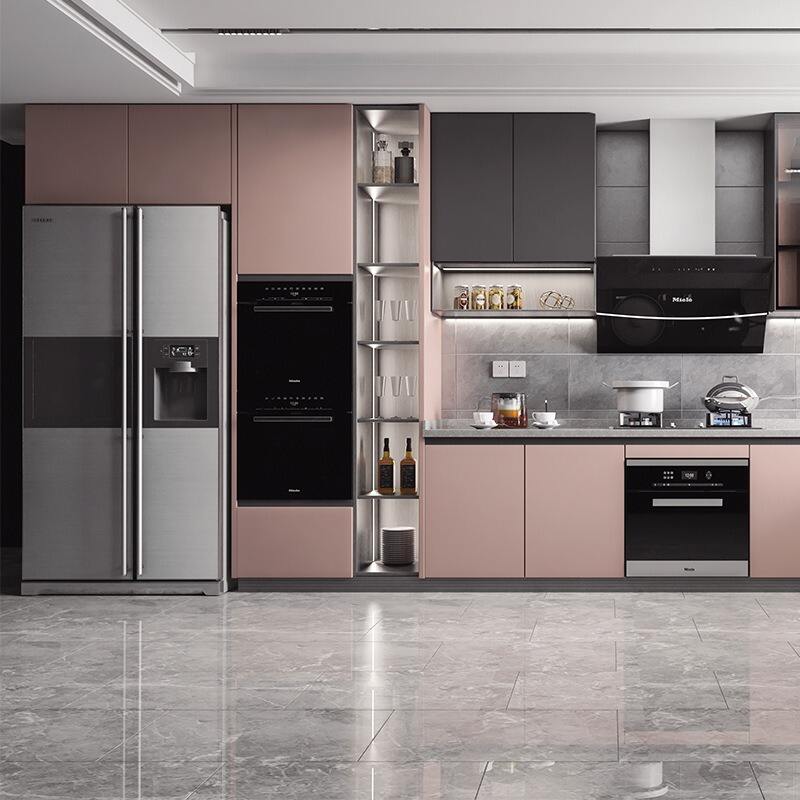
Երբ մեբել եք գնում ձեր տնտեսություն սահմանափակված ենք նյութերի տարբեր տեսակների ազդեցությամբ սեղանի հավաքածուի երկարակեցության և խնամքի պահանջների վրա, որը կարևոր է իրազեկված որոշում կայացնելու համար: Նյութի կազմը անմիջապես ազդում է ոչ միայն էսթետիկ գրավչության, այլև որոշում է, թե որքան լավ կդիմանա ձեր մեբելը օրական օգտագործմանը, շրջակա միջավայրի գործոններին և ժամանակի ընթացքին: Ժամանակակից տնային տնտեսությունները ավելի շատ են առաջնային համարում մշտակայունությունը՝ զուգահեռաբար հաշվի առնելով ոճը, և ձգտում են գտնել սեղանի հավաքածուներ, որոնք պահպանում են իրենց գեղեցկությունը՝ միաժամանակ պահանջելով նվազագույն խնամք:
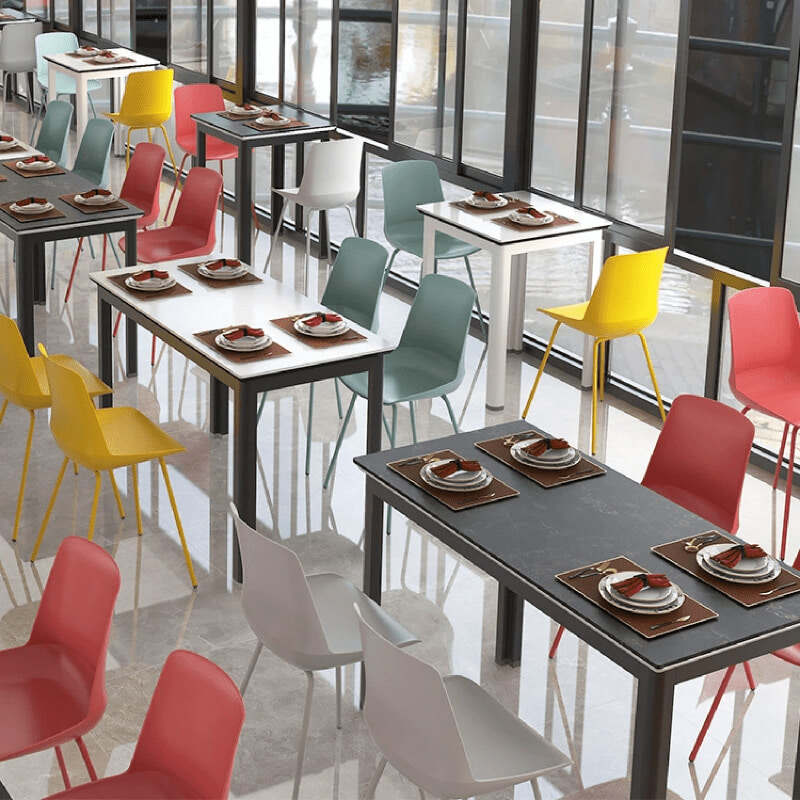
Նյութի ընտրության և երկարաժամկետ աշխատանքային ցուցանիշների միջև առնչությունը գերազանցում է մակերեսային համարձակումները: Յուրաքանչյուր նյութ ունի իր յուրահատուկ հատկանիշները, որոնք ազդում են այն դիմացկունության վրա գծագրերի, բծերի, խոնավության և ջերմաստիճանի տատանումների նկատմամբ: Այս հատկությունների հասկանալը օգնում է տնային տնտեսություններին ընտրել սեղանի հավաքածու, որը համապատասխանում է իրենց ապրելակերպին, օգտագործման ձևաչափին և խնամքի նախընտրություններին՝ երաշխավորելով տարիներ շարունակ հուսալի ծառայություն:
Պինդ փայտից պատրաստված կառուցվածք և դրա երկարաժամկետ աշխատանքային ցուցանիշներ
Բնական փայտի տևականության բնութագրեր
Պինդ փայտից պատրաստված սեղանները մնում են ճաշի սեղանների համար ամենահայտնի ընտրություններից մեկը՝ իրենց բնական ամրության և ժամանակակից չհատվող գեղեցկության շնորհիվ: Կաղնին, մայրին և ընկուզենին նման կոշտ փայտերը ցուցաբերում են բացառիկ տևականություն և ճիշտ խնամքի դեպքում հաճախ տևում են սերունդներ շարունակ: Այս փայտերի խտությունը և մանրաթելային կառուցվածքը բնական կերպով դիմացում են հարվածային վնասներին՝ օգտագործման ընթացքում ձեռք բերելով յուրահատուկ բնույթ: Պինդ փայտից պատրաստված բարորակ ճաշի սեղանի հավաքածուն կարող է դիմանալ ամենօրյա ընտանեկան ճաշերին, տնային աշխատանքներին և հյուրերի ընդունմանը՝ առանց նկատելի մաշվածության:
Դարչնագույն փայտի բջջային կառուցվածքը ստեղծում է բնական ճկունություն, որը օգնում է կլանել հարվածները՝ առանց ճեղքվելու կամ կոտրվելու: Այս դիմացկունությունը պինդ փայտե սեղանների համալիրները հատկապես հարմարեցնում է շատ զբաղված տնտեսությունների համար, որտեղ մեբելը ենթարկվում է հաճախակի օգտագործման: Ավելին, պինդ փայտե մակերեսները կարելի է վերանորագործել բազմաթիվ անգամ դրանց ծառայության ժամանակաշրջանում, ինչը տնային տնտեսություններին հնարավորություն է տալիս վերականգնել սկզբնական գեղեցկությունը կամ փոխել վերջնամշակումը՝ համապատասխանեցնելով փոխվող ներքին ձևավորման նախընտրություններին:
Փայտե մեբելի պահպանման պահանջներ
Փայտե սեղանների համալիրների ճիշտ պահպանումը ներառում է համապատասխան միջոցներով սովորական մաքրում և փայտի բնական յուղերի պահպանման համար պարբերաբար կատարվող վերականգնում: Օրական խնամքը սովորաբար ներառում է մանրաթել սրբիչներով փոշու հեռացում և վնասվածքների կամ ջրի վնասի կանխարգելման համար անմիջապես վերացնել ցանկացած թափված հեղուկ: Ամսական մեբելի փայտի փայլի պահպանման և շրջակա միջավայրի ազդեցություններից լրացուցիչ պաշտպանության համար կիրառվում է մեբելի փայլային միջոց կամ վերականգնող միջոց:
Սեզոնային սպասարկումը հատկապես կարևոր է փայտե սեղանի հավաքածուների համար խոնավության նշանակալի տատանումներ ունեցող շրջաններում: Փայտը բնականաբար ընդլայնվում է և սեղմվում՝ համապատասխանաբար խոնավության փոփոխությանը, ինչը պահանջում է, որ տնային սեփականատերերը, երբ հնարավոր է, պահպանեն ներքին խոնավության մշտական մակարդակ: Մեկ անգամ 5–10 տարին մեկ մասնագիտական վերավերակառուցում կարող է վերականգնել մեծ օգտագործման ենթարկված մակերեսները, ինչը դարձնում է որակյալ սեղանի հավաքածուի ներդրումը արժեքավոր երկարաժամկետ սեփականատիրության համար:
Մետաղային կառուցվածքի մշակումը և խնամքի հարցեր
Պողպատի և երկաթի կառուցվածքի առավելություններ
Սեղանի հավաքածուներում մետաղային բաղադրիչները ապահովում են բացառիկ կառուցվածքային ամրություն և դիմացկունություն այլ նյութերի վրա ազդող վնասների շատ տեսակներին: Պողպատե շրջանակները ապահովում են անհամեմատելի կայունություն՝ աջակցելով ծանր սեղանի մակերեսներին և դիմանալով նշանակալի ծանրությանը՝ առանց ծռվելու կամ ճկվելու: Մետաղային կառուցվածքի արդյունաբերական ամրությունը դարձնում է այս սեղանի հավաքածուները իդեալական առևտրային կիրառման կամ տների համար, որտեղ մշակման առաջնային հարց է համարվում այլ հարցերի նկատմամբ:
Ժամանակակից փոշետարային լաքապատման տեխնիկան ստեղծում է պաշտպանիչ շերտեր, որոնք դիմացող են գծագրումներին, ճեղքումներին և կոռոզիային՝ երկար ժամանակով: Այս վերջնամշակման տեխնոլոգիան թույլ է տալիս մետաղե սեղանների հավաքածուներին պահպանել իրենց տեսքը դժվարին պայմաններում՝ նվազագույն պահպանման միջամտության անհրաժեշտությամբ: Ճիշտ վերջնամշակված մետաղե մակերեսների չներծծող բնույթը կանխում է հեղուկների կամ հոտերի ներծծումը, ինչը նպաստում է երկարատև հիգիենայի և մաքրության պահպանմանը:
Կոռոզիայի կանխարգելում և մակերեսի պաշտպանություն
Մետաղե սեղանների հավաքածուների համար կոռոզիայի (ժանգի) կանխարգելումը հիմնական պահպանման խնդիրն է, հատկապես խոնավ կլիմայական գոտիներում կամ ափամերձ տարածքներում: Հատուկ միացման կետերի, եռակցման մասերի և բարձր մաշվածության տեղերի պարբերաբար ստուգումը օգնում է նույնիսկ վաղ փուլում նույնացնել հնարավոր խնդիրները՝ մինչև դրանք վնասեն կառուցվածքային ամրությունը: Պաշտպանիչ շերտերում առաջացած ցանկացած ճեղքի կամ գծագրման վրա անմիջապես ուշադրություն դարձնելը կանխում է խոնավի ներթափանցումը, որն իր հերթին բերում է կոռոզիայի:
Պաշտպանիչ մեքենայական մածուցիկ համաձուլվածքների կիրառումը յուրաքանչյուր վեց ամիսը մեկ ստեղծում է լրացուցիչ արգելափակիչներ շրջակա միջավայրի ազդեցությունից, միաժամանակ պահպանելով մետաղի տեսքը: Արտաքին կամ մասնակի արտաքին օգտագործման դեպքում շարունակական պաշտպանությունն ապահովելու համար կարող է պահանջվել ավելի հաճախակի մշակում: Բարձրորակ մետաղական սեղանի համակարգերը հաճախ առանձնանում են բարձրացված կոռոզիայի դիմացկունությամբ՝ մասնագիտացված համաձուլվածքների կամ բազմաշերտ պաշտպանիչ ծածկույթների շնորհիվ, որոնք զգալիորեն երկարացնում են պահպանման ընդմիջումները:
Ապակու մակերևույթի հատկություններ և պահպանման պահանջներ
Թերմոկայուն ապակու ամրությունը և անվտանգության հատկանիշները
Ժամանակակից սեղանի համակարգերում օգտագործվող թերմոկայուն ապակին ենթարկվում է մասնագիտացված ջերմային մշակման, որը մինչև հինգ անգամ մեծացնում է նրա ամրությունը ստանդարտ ապակու համեմատ: Այս գործընթացը ստեղծում է ներքին լարվածության օրինակներ, որոնք ապակու կոտրվելու դեպքում այն փշրվել են փոքր, համեմատաբար անվտանգ կտորների, այլ ոչ թե վտանգավոր սուր կտորների: Բարձրացված ամրությունը թույլ է տալիս թերմոկայուն ապակու սեղանի համակարգերին կրել զգալի քաշ և դիմանալ սովորական օգտագործման ընթացքում առաջացող հարվածային վնասներին:
Ջերմաստիճանի դիմացկունությունը դառնում է մեկ այլ կարևոր առավելություն ապակե սեղանների համար, որը հնարավորություն է տալիս տաք ուտեստները անմիջապես դնել մակերեսին՝ առանց ջերմային շոկի վնասի: Այս մեխանիկական դիմացկունությունը տարածվում է նաև սառցաբերանների, սպասքի և դեկորատիվ առարկաների գծագրերի դեմ, ապահովելով մակերեսի մաքրությունն ու հարթությունը տարիներ շարունակ օգտագործման ընթացքում: Սակայն եզրերը մնում են ամենավտանգված տեղերը, որոնք պահանջում են հատուկ խնամք մաքրման և վերադասավորման ժամանակ:
Ապակե մակերեսների մաքրման պրոտոկոլներ
Ապակե սեղանների մաքուր տեսքը պահպանելու համար անհրաժեշտ է համաստեղ մաքրման ռեժիմ՝ օգտագործելով համապատասխան միջոցներ և մեթոդներ: Ստանդարտ ապակե մաքրիչները արդյունավետորեն վերացնում են մատնահետքերը, սննդային մնացորդները և ջրի բծերը՝ առանց մնացորդների կամ շերտերի թողնելու: Մանրաթելային սրբիչները ավելի արդյունավետ են, քան թղթե սրբիչները, քանի որ ապահովում են շերտավորումներից ազատ արդյունք՝ միաժամանակ բավարար մեղմ լինելով՝ ապակու մակերեսի մանր գծագրերից խուսափելու համար:
Օրական սպասարկումը ներառում է սեղանի մակերեսների մաքրումը ճաշից հետո և ցանկացած թափված հեղուկի անմիջապես մաքրումը՝ խուսափելու համար բծերի կամ թթվային նյութերի կողմից մակերեսի գծագրման (etching) առաջացումից։ Շաբաթական խորը մաքրումը հատուկ ապակու մաքրման միջոցներով վերացնում է կուտակված կեղտը և վերականգնում է ամբողջական թափանցելիությունը։ Կոշտ ջրով օգտագործվող տներում ավելի հաճախակի մաքրում կարող է անհրաժեշտ լինել՝ միներալային աղադեպոզիցիայի կանխման համար, որը կարող է մշտապես գծագրել ապակու մակերեսը։ հանգիստացող երաժշտական դավարի բազմություն մասնիկներ։
Հատուկ նախագծված նյութեր և բաղադրյալ կառուցվածք
MDF և մասնիկային տախտակների շատացող հատկանիշներ
Միջին խտության մածուցիկ թերթավոր տախտակ (MDF) և մասնիկային տախտակ նման հատուկ նախագծված փայտային նյութերը առաջարկում են արժեքային այլընտրանքներ սեղանների համար՝ միաժամանակ ապահովելով որոշակի շատացող առավելություններ։ Այս նյութերը ցուցադրում են չափազանց լավ չափային կայունություն՝ դիմացող ճկվելու և ճեղքվելու, որոնք կարող են ազդել պինդ փայտի վրա ժամանակի ընթացքում։ Հատուկ նախագծված նյութերի մեջ նյութի համասեռ խտությունը վերացնում է թույլ տեղերը կամ փայտի հատվածների անհամասեռությունը, որոնք կարող են վտանգել կառուցվածքային ամրությունը։
Ժամանակակից արտադրական տեխնիկան ստեղծում է ճարտարապետական նյութեր՝ հզոր ամրության և քաշի հարաբերակցությամբ, ինչը հնարավորություն է տալիս ստանալ ավելի թեթև սեղանի հավաքածուներ՝ առանց տևականության մեջ զրկվելու: Բարձրորակ ճարտարապետական արտադրանքները հաճախ ունեն խոնավադիմացունակ հատկություններ՝ մասնագիտացված սանրավորման միջոցների և մակերեսային մշակման շնորհիվ: Սակայն այս նյութերը սովորաբար չեն կարող վերամշակվել, ինչպես պինդ փայտը, ինչը սկզբնական որակի և վերջնամշակման պաշտպանության կարևորությունը դարձնում է երկարաժամկետ բավարարվածության համար կարևոր:
Պաշտպանիչ վերջնամշակումներ և շերտավորման կիրառումներ
Ճարտարապետական սեղանի հավաքածուների պաշտպանիչ վերջնամշակումները կատարում են երկու ֆունկցիա՝ էսթետիկ բարելավում և մակերեսի պաշտպանություն: Բարձր ճնշման տակ ստացված լամինատները ստեղծում են արտակարգ ամուր մակերեսներ, որոնք դիմացող են ջերմության, խոնավության և հարվածային վնասվածքներին՝ միաժամանակ առաջարկելով մեծ դիզայնային ճկունություն: Այս վերջնամշակումները հաճախ գերազանցում են բնական փայտը սեղմված նյութերի դիմացկունության և խնամքի պահանջների տեսանկյունից, ինչը դրանք դարձնում է գործնական ընտրություն շատ զբաղված ընտանիքների համար:
Փայտի շերտավորման կիրառումները տալիս են պինդ փայտի տեսք՝ միաժամանակ պահպանելով ճարտարագիտական ստորաշերտերի կայունության առավելությունները: Բարձրորակ շերտավորումները կարող են մի քանի միլիմետր հաստ լինել, ինչը հնարավորություն է տալիս թեթև սարքավորման և վերավերակառուցման կատարել անհրաժեշտության դեպքում: Երկարատևության բանալին կայանում է եզրերի կնքման պաշտպանության և վերջնամշակման ամբողջականության պահպանման մեջ՝ խուսափելու խոնավի ներթափանցումից, որը կարող է առաջացնել սեղանի համալիրի բաղադրիչների փքում կամ շերտազատում:
Նյութի երկարատևության վրա ազդող շրջակա միջավայրի գործոններ
Խոնավության և ջերմաստիճանի ազդեցության գնահատում
Շրջակա միջավայրի պայմանները գործադրում են կարևոր ազդեցություն տարբեր սեղանի համալիրների նյութերի երկարաժամկետ շահագործման վրա, իսկ խոնավության և ջերմաստիճանի տատանումները ստեղծում են ամենադժվար պայմանները: Փայտե նյութերը ենթարկվում են ընդլայնման և սեղմման ցիկլերի, որոնք կարող են հանգեցնել միացման տեղերի ձգվելու, ճեղքվելու կամ թեքվելու՝ հատկապես եթե փոփոխությունները տեղի են ունենում արագ կամ հաճախակի: Ներքին միջավայրի կլիմայական պայմանների հաստատուն պահպանումը օգնում է պահպանել փայտե սեղանի համալիրների ամբողջականությունը տարվա բոլոր եղանակների ընթացքում:
Մետաղական մասերը տարբեր կերպ են արձագանքում շրջակա միջավայրի գործոններին. ջերմաստիճանի փոփոխությունները առաջացնում են ջերմային ընդլայնում, որը կարող է լարել միացման տեղերը կամ կապերը: Բարձր խոնավության պայմաններում արագանում է կոռոզիայի գործընթացը, հատկապես ազդելով անպաշտպան մետաղային մակերեսների կամ պաշտպանիչ ծածկույթների վնասված տեղերի վրա: Ապակե նյութերը հիմնականում չեն ենթարկվում սովորական ներքին շրջակա միջավայրի փոփոխությունների, սակայն կարող են ենթարկվել լարվածության արտակարգ ջերմաստիճանային տարբերությունների պատճառով:
Ուլտրամանուշակագույն ճառագայթների ազդեցության և լույսից վնասվելու կանխարգելում
Երկարատև անմիջական արեւի լույսի ազդեցությունը ժամանակի ընթացքում կարող է հանգեցնել սեղանի համալրաշարքի վերջավորումների և նյութերի կարեւոր վնասման: Փայտե մակերեսները կարող են անհավասարապես մեղմանալ, ինչը կարող է առաջացնել մշտական գունափոխում, որը չի կարելի վերականգնել սովորական խնամքի միջոցներով: Ուլտրամանուշակագույն (UV) ճառագայթումը նաև քայքայում է փայտե և մետաղե մակերեսների պաշտպանիչ վերջավորումները, նվազեցնելով դրանց արդյունավետությունը և պահանջելով ավելի հաճախակի վերակիրառում:
Սեղանի համալրաշարքի տեղադրումը անմիջական արեւի լույսից հեռու կամ պատուհանների վրա մշակումների օգտագործումը օգնում է նվազեցնել UV վնասը՝ պահպանելով վերջավորման ամբողջականությունը: Հաճախակի պտտելով դեկորատիվ իրերը և սեղանի պատրաստուկները՝ կարող է կանխվել անհավասար մեղմացման օրինակների առաջացումը, որոնք կարող են դառնալ մշտական բնութագրեր: Այն դեպքերում, երբ արեւի ազդեցությունը անխուսափելի է, UV-դիմացկուն վերջավորումները և սովորական խնամքը դառնում են անհրաժեշտ սեղանի համալրաշարքի նյութերի տեսքի և մշակումային կայունության պահպանման համար:
Նյութերի կայունության ծախս-եկամուտի վերլուծություն
Նախնական ներդրում ընդդեմ երկարաժամկետ արժեք
Սկզբնական արժեքի և երկարաժամկետ արժեքի միջև հարաբերությունը զգալիորեն տարբերվում է տարբեր սեղանի հավաքածուների նյութերի միջև. ավելի բարձր սկզբնական ներդրումները հաճախ ապահովում են գերազանց մշակումային կայունություն և ցածր ընդհանուր օգտագործման ծախսեր: Պինդ փայտե սեղանի հավաքածուները սովորաբար ունեն cao գին, սակայն ճիշտ խնամքի դեպքում տասնամյակներ շարունակ կարող են ծառայել և ժամանակի ընթացքում նույնիսկ աճել իրենց արժեքով: Պինդ փայտի վերավերականգնման և վերանորոգման հնարավորությունը զգալիորեն երկարացնում է նրա օգտագործման ժամկետը՝ համեմատաբար շատ այլընտրանքային նյութերից շատ ավելի երկար:
Տեխնիկական նյութերը և կոմպոզիտային կառուցվածքը սեղանի հավաքածուների համար ապահովում են գրավիչ սկզբնական գներ՝ միաժամանակ ապահովելով բավարար մշակումային կայունություն կարճաժամկետ օգտագործման համար: Այս տարբերակները լավ են հարմարվում ժամանակավոր բնակելի պայմանների կամ բյուջետային սահմանափակումներ ունեցող սպառողների համար, ովքեր ավելի շատ կենտրոնանում են անմիջական հասանելիության վրա, քան երկարաժամկետ ներդրման վրա: Սակայն նյութերի տարբերակները համեմատելիս ընդհանուր սեփականատիրային ծախսերի հաշվարկի մեջ պետք է ներառվեն նաև փոխարինման ծախսերը:
Դիտարկումներ դավաճանների մասին
Շարունակական սպասարկման ծախսերը զգալիորեն տարբերվում են սեղանի համալիրների տարբեր նյութերի միջև, ինչը ազդում է մեբլի օգտագործման ամբողջ ժամանակահատվածում ընդհանուր սեփականացման ծախսերի վրա: Պինդ փայտե սեղանի համալիրները պահանջում են կանոնավոր վերականգնողական միջոցներ և հազվադեպ՝ մասնագիտական վերափայտավորում, սակայն այս ծախսերը տարիներ շարունակ օգտագործման ընթացքում մնում են հիմնավորված: Մետաղե սեղանի համալիրները սովորաբար պահանջում են նվազագույն քանակությամբ սպասարկման միջոցներ, սակայն կոռոզիայի դեպքում կարող է պահանջվել մասնագիտական վերականգնում:
Ապակե մակերեսները պահանջում են հաճախակի մաքրման միջոցներ և խիստ զգույշ օգտագործում՝ փոխարինման ծախսերից խուսափելու համար, մինչդեռ ինժեներական նյութերից պատրաստված համալիրները վնասվելու դեպքում հաճախ պահանջում են փոխարինում, այլ ոչ թե վերանորոգում: Այս սպասարկման օրինակները հասկանալը օգնում է սպառողներին ընտրել սեղանի համալիրների նյութեր, որոնք համապատասխանում են նրանց բյուջետային հնարավորություններին և սպասարկման նախընտրություններին՝ սպառողի սպասվող սեփականացման ժամանակահատվածում:
Մասնագիտական սպասարկման և վերականգնման ծառայություններ
Երբ պետք է հարցնել մասնագիտական օգնություն
Որոշ սեղանի հավաքածուների սպասարկման աշխատանքներ գերազանցում են սովորական տնային սեփականատերերի հնարավորությունները և պահանջում են մասնագիտական փորձառություն՝ մշտական վնասվածքներից խուսափելու համար: Կայուն փայտե մակերեսներում խորը գծագրումները, կառուցվածքային միացման վերանորոգումը և վերջնամշակման վերականգնումը դեպքեր են, երբ մասնագիտական միջամտությունը ապահովում է գերազանցիչ արդյունքներ: Առանց ճիշտ գործիքների կամ փորձառության բարդ վերանորոգումների փորձարկումը կարող է կտրուկ նվազեցնել բարձրորակ սեղանի հավաքածուների արժեքը և տեսքը:
Մասնագիտական գնահատականը հատկապես արժեքավոր է դառնում, երբ սեղանի հավաքածուները ցույց են տալիս կառուցվածքային ամրության վատթարման կամ մակերեսի ընդարձակ վնասման նշաններ: Փորձառու վարպետները կարող են որոշել, թե արդյոք վերականգնումը ավելի տնտեսապես հիմնավորված է, քան փոխարինումը, ինչպես նաև հայտնաբերել այն հիմնարար խնդիրները, որոնք կարող են մնալ անտեսված անվարժ դիտորդների համար: Նրանց փորձառությունը երաշխավորում է, որ վերանորոգումները պահպանեն սկզբնական մասի կառուցվածքային ամրությունը և էսթետիկ գրավչությունը:
Վերականգնման տեխնիկաներ և վերջնամշակման տարբերակներ
Սեղանի համալրման սեթերի պրոֆեսիոնալ վերականգնման ծառայությունները ներառում են մեծ տարատեսականությամբ մեթոդներ, որոնք հարմարեցված են կոնկրետ նյութերի և վնասվածքների տեսակների համար: Կայուն փայտի վերամշակումը ներառում է հին պատվածքների և մակերեսային թերությունների հեռացման համար զգույշ շարժում, այնուհետև՝ գունանյութի կիրառում և պաշտպանիչ ծածկույթների համակարգ, որոնք վերականգնում են սկզբնական գեղեցկությունը: Զարգացած գույնի համապատասխանեցման մեթոդները կարող են լուծել մթնեցման կամ գունային փոփոխության խնդիրները՝ միաժամանակ պահպանելով ամբողջ սեղանի համալրման սեթի մասերի միասնականությունը:
Մետաղական մասերի վերականգնումը կարող է ներառել ավազային մշակում, ժանգի վերացում և պրոֆեսիոնալ փոշիանման պատվածքի կիրառում, որը գերազանցում է սկզբնական պատվածքների մշակումը: Ապակու փոխարինման ծառայությունները կարող են ստանդարտ ապակին արդիականացնել թերմոկայուն տարատեսակներով՝ պահպանելով սկզբնական չափսերն ու մոնտաժային համակարգերը: Այս պրոֆեսիոնալ ծառայությունները հաճախ երկարացնում են սեղանի համալրման սեթերի օգտակար ծառայության ժամանակաշրջանը նրանց սպասվող ծառայության ժամանակաշրջանից շատ ավելի երկար, ինչը վերականգնումը դարձնում է փոխարինման համար հարմար այլընտրանք շատ դեպքերում:
Հաճախ տրամադրվող հարցեր
Որքան հաճախ պետք է վերանորոգեմ իմ փայտե սեղանի հավաքածուն
Փայտե սեղանի հավաքածուների վերանորոգման հաճախականությունը կախված է օգտագործման ինտենսիվությունից և շրջակա միջավայրի պայմաններից, սակայն սովորաբար տատանվում է հինգից տասը տարի շրջանում շատ ընտանիքների համար: Մեծ ծավալով ամենօրյա օգտագործումը, արևի լույսի ազդեցությունը կամ հաճախակի թափված հեղուկները կարող են պահանջել ավելի հաճախակի ուշադրություն, իսկ հազվադեպ օգտագործվող մասերը՝ կայուն միջավայրում՝ կարող են երկար ժամանակ մնալ առանց վերանորոգման: Վերանորոգման անհրաժեշտությունը ցույց տվող նշաններն են՝ տեսանելի մաշվածության օրինակները, չվերացվող ջրի բծերը կամ մատերիալի մակերեսի մատակարարված շերտի մթնությունը կամ վնասվածությունը:
Ի՞նչ նյութն է ամենամշակվածը սեղանի հավաքածուի համար
Պինդ փայտե կառուցվածքը սովորաբար ապահովում է սեղանի համալիրների համար ամենալավ համադրությունը մշակումային կայունության և երկարատևության միջև. օակի, մապլի և չերրիի տեսակները առանձնապես կայուն են առօրյա մաշվածության նկատմամբ՝ միաժամանակ պահպանելով վերավերակազմման հնարավորությունը: Բարձրորակ մետաղական կառուցվածքը՝ ճիշտ պաշտպանիչ պատվաստումներով, նույնպես ցուցադրում է հրաշալի մշակումային կայունություն, հատկապես առևտրային կամ բարձր օգտագործման բնույթ ունեցող բնակարանային կիրառումներում: Ընտրությունը կախված է կոնկրետ օգտագործման պահանջներից, էսթետիկ նախընտրություններից և սեփականատիրոջ սպասարկման համար պատրաստակամությունից:
Կարո՞ղ են վերանորոգվել ինժեներական փայտից պատրաստված սեղանի համալիրները՝ վնասվելու դեպքում
Ճարտարապետական փայտից պատրաստված սեղանների համալիրները սահմանափակ վերանորոգման տարբերակներ ունեն միացյալ փայտի համեմատ, և մակերեսի վնասվածքները հաճախ պահանջում են բաղադրիչի ամբողջական փոխարինում՝ այլ ոչ տեղային վերանորոգում: Լամինատավորված մակերեսների փոքր գծագրումները կարող են վերացվել մասնագիտացված վերանորոգման միջոցներով, սակայն խորը վնասվածքները սովորաբար չեն կարող արդյունավետ վերականգնվել: Կողային վնասվածքները հատկապես մտահոգիչ են, քանի որ բացահայտված միջուկային նյութը հեշտությամբ կլանում է խոնավը, ինչը կարող է հանգեցնել փքման կամ շերտազատման, որոնք վտանգում են կառուցվածքային ամրությունը:
Ինչպես պաշտպանել սեղանի համալիրը ջերմային վնասվածքից
Սեղանի համալրման ջերմային վնասվածքից պաշտպանելու համար անհրաժեշտ է մշտապես օգտագործել տաք ամանների և խոհարարական պարագաների տակ տաքադիմացկուն սեղանի պաշտպանիչներ, տաք սայլակներ կամ ջերմադիմացկուն սեղանի մատթեր: Նույնիսկ ջերմադիմացկուն նյութերը, ինչպես օրինակ՝ մշակված ապակին, կարող են ենթարկվել ջերմային շոկի, եթե արագ ենթարկվեն բարձր ջերմաստիճանային տարբերությունների: Սահմանեք ընտանեկան կանոններ՝ միշտ օգտագործել տաք առարկաների տակ պաշտպանություն, և մտածեք այն մասին, որ պաշտպանիչ առարկաները պետք է հեշտությամբ հասանելի լինեն սննդային գոտու մոտ՝ խթանելու դրանց մշտական օգտագործումը և պահպանելու ձեր ներդրումը որակյալ մեբելում:
Բովանդակության աղյուսակ
- Պինդ փայտից պատրաստված կառուցվածք և դրա երկարաժամկետ աշխատանքային ցուցանիշներ
- Մետաղային կառուցվածքի մշակումը և խնամքի հարցեր
- Ապակու մակերևույթի հատկություններ և պահպանման պահանջներ
- Հատուկ նախագծված նյութեր և բաղադրյալ կառուցվածք
- Նյութի երկարատևության վրա ազդող շրջակա միջավայրի գործոններ
- Նյութերի կայունության ծախս-եկամուտի վերլուծություն
- Մասնագիտական սպասարկման և վերականգնման ծառայություններ
- Հաճախ տրամադրվող հարցեր