
 EN
EN
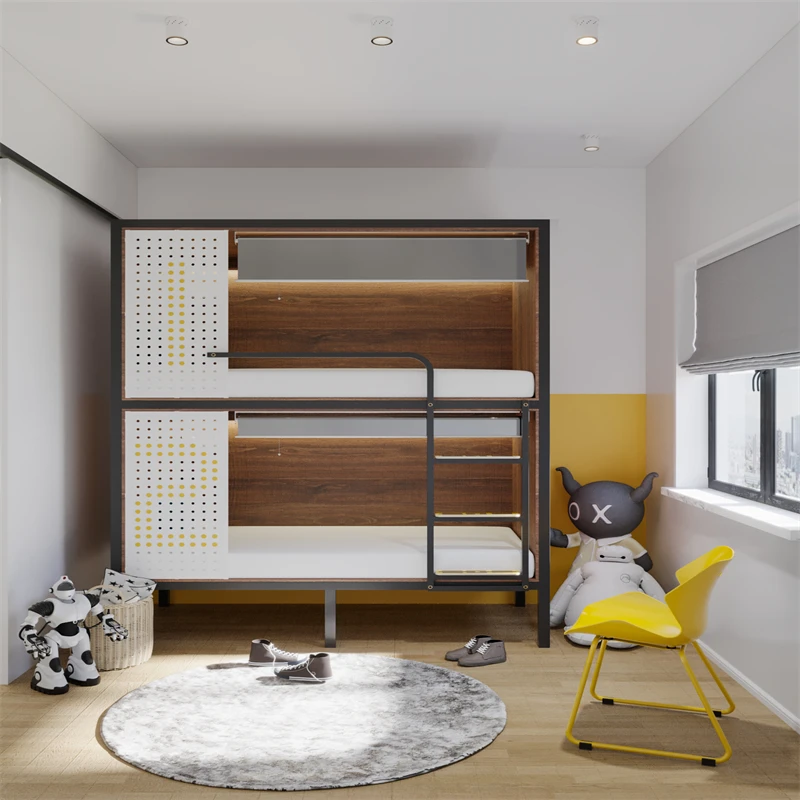
Ժամանակակից քաղաքային կյանքը հիմնարարորեն փոխել է մեր մոտեցումը տարածքի օգտագործմանը, իսկ ժամանակակից երկհարկ մահճակալների դասավորությունները դարձել են բարդ լուծում սահմանափակ քառ. մետրաժի աճող մարտահրավերները լուծելու համար: Քանի որ բնակարանների գները շարունակում են բարձրանալ, իսկ ապրելու տարածքները՝ ավելի շատ սեղմվել, մեբելի դիզայներներն ու արտադրողները հեղափոխական կերպով վերափոխում են ավանդական սնման կազմակերպումները՝ մաքսիմալացնելու ինչպես ֆունկցիոնալությունը, այնպես էլ էսթետիկ գրավչությունը: Այսօրվա ժամանակակից երկհարկ մահճակալների դասավորությունները ներառում են նորարարական դիզայնի տարրեր, որոնք շատ ավելի շատ են, քան պարզապես միմյանց վրա դասավորված մահճակալներ, և առաջարկում են ինտեգրված պահեստավորման լուծումներ, աշխատատեղեր և ժամանակակից ոճ, որը հարմար է ինչպես մեծահասակների, այնպես էլ երեխաների համար:
Տարածքի մասին գիտակցված սնման լուծումների էվոլյուցիա
Պատմական համատեքստ և ժամանակակից հարմարեցումներ
Շարքային մահճակալների գաղափարը գոյություն ունի դարեր շարք, սակայն ժամանակակից երկհարկ մահճակալների դասավորությունները զգալիորեն էվոլյուցիայի են ենթարկվել իրենց օգտակար ծագումից։ Վաղ շրջանի երկհարկ մահճակալները հիմնականում ֆունկցիոնալ առարկաներ էին, որոնք նախատեսված էին ռազմական վարձակալությունների, նավերի և պարզ համալսարանական հյուրանոցների համար։ Այսօրվա մոդելները ներկայացնում են ուղղահայաց քնելու լուծումների ամբողջական վերամտածում, որոնց մեջ ներառված են էրգոնոմիկ սկզբունքներ, անվտանգության նորարարություններ և դիզայնի էսթետիկա, որը մրցում է caրագ վերջին մոդելների մահճակալների հետ։ Այս վերափոխումը արտացոլում է ընդհանուր փոփոխությունները այն բանում, թե ինչպես է հասարակությունը դիտարկում ընդհանուր բնակելի տարածքները և բազմաֆունկցիոնալ մեբելը։
Ժամանակակից արտադրողները այժմ առաջնահերթություն են տալիս բազմաֆունկցիոնալությանը իրենց ժամանակակից երկհարկանի վերջի դասավորություններում՝ ճանաչելով, որ այսօրվա սպառողները պահանջում են այնպիսի մեբել, որը հարմարվում է փոխվող կյանքի պայմաններին: Այս ձևավորումները հաճախ ներառում են մոդուլային բաղադրիչներ, որոնք կարող են վերադասավորվել, երբ երեխաները մեծանում են կամ կյանքի պայմանները փոխվում են: Ժամանակակից նյութերի՝ օրինակ՝ փոշու պաշտպանված երկաթբետոնե շրջանակների, կայուն փայտի աղբյուրների և բարձրորակ ֆուրնիտուրի ինտեգրումը ցույց է տալիս, թե ինչպես են ավանդական հասկացությունները բարձրացվում ժամանակակից արտադրական տեխնիկայի և դիզայնի փիլիսոփայության միջոցով:
Տեխնոլոգիական ինտեգրում և հնարավոր հնարավորություններ
Ժամանակակից երկհարկանի մահճակալների դասավորությունները ավելի ու ավելի շատ ներառում են տեխնոլոգիական տարրեր, որոնք բարելավում են օգտագործողի փորձը և ապահովությունը: Մեջը տեղադրված LED լուսավորության համակարգերը, USB լիցքավորման պորտերը և ինտեգրված էլեկտրական ծակերը դարձել են caրգավորված մոդելների ստանդարտ առանձնահատկություններ: Այս տեխնոլոգիական լրացումները արտացոլում են այն իրականությունը, որ ներկայումս մահճատները ծառայում են ոչ միայն քնելու, այլև որպես ուսումնասիրության տարածքներ, զվարճանքի տարածքներ և հեռավար աշխատանքի միջավայրեր: Շարժման զգայիչներով լուսավորություն և ամրացված սանդղավանդակներ ներառող ինտելեկտուալ անվտանգության առանձնահատկությունները ցույց են տալիս, թե ինչպես է տեխնոլոգիան կարող բարելավել ավանդական մեբելի դիզայնը:
Ինտելեկտուալ համատեղելիության տնտեսություն Համատեղելիությունը հնարավորություն է տալիս ժամանակակից երկհարկանի մահճակալների դասավորություններին միանալ տնային ավտոմատացման համակարգերի ընդհանուր շրջանակին: Ձայնով կառավարվող լուսավորություն, ջերմաստիճանի զգայչներ և նույնիսկ քնի վերահսկման հնարավորություններ ներառվում են caucամային մոդելներում: Այս տեխնոլոգիական էվոլյուցիան արտացոլում է սպառողների փոխվող սպասելիքները և ժամանակակից տներում կապված ապրելավայրերի աճող կարևորությունը:
Տարածքի օպտիմալացման ռազմավարությունները ներկայիս դիզայններում
Ուղղահայաց ինտեգրում և բազմամակարդակ ֆունկցիոնալություն
Ժամանակակից տարածքի պլանավորումը շեշտադրում է ուղղահայաց օգտագործումը, իսկ ժամանակակից երկհարկ մահճաալների դասավորությունները հանդիսանում են այս սկզբունքի օրինակ՝ նորարարական բազմամակարդակ դիզայների միջոցով: Ավանդական ստացիոնար մահճակալներից դուրս ելնելով՝ այս դասավորությունները ներառում են սեղանի գոտիներ, պահեստավորման բաժիններ և նույնիսկ զբոսաշրջային տարածքներ նույն մակերեսի սահմաններում: Այս մոտեցումը մաքսիմալացնում է յուրաքանչյուր խորանարդ ոտնաչափի օգտագործումը, ինչը դրանք հատկապես արժեքավոր է դարձնում քաղաքային միջավայրերում, որտեղ caրող են բարձր գներ պահանջվել յուրաքանչյուր քառ. մետրի համար:
Առաջադեմ ժամանակակից երկհարկանի մահճակալների դասավորությունները ներառում են ինտեգրված աշխատավայրեր, որոնք կարող են տեղավորել լեպտոփներ, ուսումնասիրության նյութեր և անձնական իրեր՝ չվնասելով քնելու հարմարավետությունը: Որոշ մոդելներ ներառում են վերածալվող սեղանի մակերեսներ, որոնք անհետանում են, երբ չեն օգտագործվում, այդպիսով պահպանելով մաքուր գծեր և տեսողական գեղեցկություն: Այս բազմաֆունկցիոնալ մոտեցումները արտացոլում են ժամանակակից կյանքի ոճի պահանջները, որտեղ մեկ նպատակով նախատեսված մեբելը ավելի ու ավելի շատ է դիտվում որպես արժեքավոր տարածքի անարդյունավետ օգտագործում:
Պահեստավորման նորարարություններ և կազմակերպման համակարգեր
Պահեստավորման հզորությունը դարձել է ժամանակակից երկհարկանի մահճակալների դասավորություններում կարևոր տարբերակիչ հատկանիշ, իսկ դիզայներները մշակել են ավելի և ավելի բարդ կազմակերպման համակարգեր: Ինտեգրված լարեր, վերին բաժանմունքներ և ինտեգրված սալիկներ վերացնում են լրացուցիչ մեբելի անհրաժեշտությունը՝ միաժամանակ պահպանելով կազմակերպված ապրելավայրեր: Այս պահեստավորման լուծումները նախատեսված են հեշտ մատչելի լինելու երկու քնելու մակարդակներից էլ՝ ապահովելով բոլոր օգտագործողների համար գործնական ֆունկցիոնալություն:
Ժամանակակից ժամանակակից երկհարկանի մահճակալների դասավորություններ հաճախ ներառում են մոդուլային պահեստավորման բաղադրիչներ, որոնք կարող են հարմարեցվել ըստ անհատական պահանջների: Հեռացվող կազմավորիչները, ճկուն շարքավորման համակարգերը և փոխանակելի պահեստավորման մոդուլները թույլ են տալիս օգտագործողներին հարմարեցնել իրենց քնելու միջավայրը՝ ըստ փոխվող պահանջների: Այս ճկունությունը ներկայացնում է կարևոր ձեռքբերում ավանդական ամրացված կոնֆիգուրացիայի երկհարկանի մահճակների համեմատությամբ:
Դիզայնի էստետիկա և նյութերի նորարարություն
Ժամանակակից դիզայն և տեսողական գրավչություն
Այսօրվա ժամանակակից երկհարկանի մահճակների դիզայնը հատուկ ուշադրություն է դարձնում ինչպես էստետիկ գրավչության, այնպես էլ ֆունկցիոնալության վրա՝ ներառելով դիզայնի տարրեր, որոնք լավ են համատեղվում ժամանակակից ներքին տարածքների ոճի հետ: Մաքուր երկրաչափական գծերը, մինիմալիստական պրոֆիլները և համարձակ գունային պալիտրաները ապահովում են, որ այս մահճակները համատեղվեն անթարթ ժամանակակից տնային դեկորի հետ: Երբեմն երկհարկանի մահճակների հետ կապված ստիգման՝ որպես մաքուր ֆունկցիոնալ երեխաների մեբելի, մեծապես վերացվել է մտածված դիզայնի էվոլյուցիայի շնորհիվ:
Նորագույն երկհարկանի մահճակալների դասավորություններում նյութերի ընտրությունը արտացոլում է ժամանակակից դիզայնի միտումները՝ նախընտրելով բնական մակերեսներ, արդյունաբերական էստետիկա և կայուն արտադրական պրակտիկաներ: Փայտի և մետաղի համադրությամբ ստացված նյութերը ստեղծում են տեսողական հետաքրքրություն՝ միաժամանակ ապահովելով կառուցվածքային ամրություն: Այս դիզայնային ընտրությունները հարմարեցված են ոճի նկատմամբ զգայուն սպառողների համար, որոնք չեն զիջում էստետիկայի համար ֆունկցիոնալությանը:
Համարժեքություն և միջավայրային դիտարկումներ
Շրջակա միջավայրի նկատմամբ պատասխանատվության զգացումը ավելի ու ավելի շատ է ազդում մեբելի գնման որոշումների վրա, իսկ ժամանակակից երկհարկանի մահճակալների դասավորությունները այս միտումը արտացոլում են կայուն նյութերի ընտրությամբ և արտադրական գործընթացներով: Պատասխանատվաբար հանքային փայտը, վերամշակված մետաղական բաղադրիչները և ցածր էմիսիայով վերջնամշակումները բավարարում են սպառողների աճող պահանջը շրջակա միջավայրի նկատմամբ պատասխանատվություն ցուցաբերող ապրանքների նկատմամբ: Այս հաշվառումները տարածվում են նյութերից դուրս՝ ներառելով նաև սակավ տարաների օգտագործումը և արտադրանքի կյանքի վերջում վերամշակելիությունը:
Երկարաժամկետ դիմացկունությունը դարձել է ժամանակակից երկհարկանի մահճակալների կառուցվածքների հիմնական վաճառքի առավելություններից մեկը, իսկ արտադրողները շեշտում են կառուցման որակը՝ ապահովելով տասնամյակներ շարունակ օգտագործումը: Այս մոտեցումը համատեղելի է կայուն զարգացման սկզբունքների հետ՝ նվազեցնելով փոխարինման հաճախականությունը և նվազեցնելով թափոնների առաջացումը: caրգավոր նյութերի և կառուցման տեխնիկայի օգտագործումը արդարացնում է բարձր սկզբնական ներդրումները՝ երկարացնելով ապրանքի կյանքի տևողությունը:
Ռազմավարական կիրառություններ և թարգետավորված դեմոգրաֆիա
Առևտրային և հաստատությունների կիրառություններ
Ժամանակակից երկհարկանի մահճակալների կառուցվածքները լայն կիրառում են գտել առևտրային հաստատություններում, այդ թվում՝ հյուրանոցներում, հաստատություններում, ուսանողական բնակարաններում և կորպորատիվ բնակարանային հաստատություններում: Այս միջավայրերը պահանջում են այնպիսի մեբել, որը միավորում է տարածքի օգտագործման արդյունավետությունը հյուրերի հարմարավետության և էսթետիկ գրավչության հետ: Առևտրային նշանակությամբ ժամանակակից երկհարկանի մահճակալների կառուցվածքները հաճախ բնութագրվում են բարձրացված դիմացկունության սպեցիֆիկացիաներով և պարզեցված սպասարկման պահանջներով՝ դիմանալու բարձր օգտագործման միջավայրերին:
Կրթական հաստատությունները հատկապես շահում են ժամանակակից երկհարկանի մահճակալների դասավորությունից, որոնք մաքսիմալացնում են հանգստյան տների տեղավորման հնարավորությունը՝ միաժամանակ ապահովելով ուսանողների համար հարմարավետ բնակելի միջավայր: Այս տեղադրումները հաճախ ներառում են ինտեգրված ուսումնասիրության տարածքներ և անձնական պահեստավորման լուծումներ, որոնք աջակցում են ուսանողների ակադեմիական հաջողությանը: Առկա շենքերում ավելի շատ ուսանողների տեղավորելու հնարավորությունը նշանակալի ծախսերի նվազեցում է ներկայացնում բյուջետային սահմանափակումների առաջ կանգնած հաստատությունների համար:
Բնակարանային շուկայի ընդլայնում
Ժամանակակից երկհարկանի մահճակալների բնակարանային շուկան ընդլայնվել է ավանդական երեխաների սենյակներից դուրս՝ ներառելով մեծահասակների համար նախատեսված կիրառումներ, ինչպես օրինակ՝ հյուրասենյակներ, ստուդիա բնակարաններ և արձակուրդային տներ: Այս ընդլայնումը արտացոլում է ընդհանուր քուն ապահովելու համար կիսվող տարածքների նկատմամբ փոխվող վերաբերմունքը և տարածքային արդյունավետ մեբելի լուծումների գործնական առավելությունները: Մեծահասակներին նախատեսված դիզայնները հաճախ ընդգծում են մասնավորության առանձնահատկությունները և հարմարված են հասուն օգտագործողների համար նախատեսված բարդ ոճավորման պահանջներին:
Բազմասերնդային բնակարանների միտումները նաև խթանել են ժամանակակից երկհարկ մահճակալների դասավորության պահանջը, որոնք հնարավորություն են տալիս տարբեր տարիքային խմբերի տեղավորմանը մեկ ընտանիքում: Այս դիզայնները պետք է հավասարակշռեն երեխաների անվտանգության պահանջները և չափավոր հարմարավետության անհրաժեշտությունները, ինչը հանգեցնում է նորարարական լուծումների, որոնք ծառայում են տարբեր օգտագործողների խմբերին: Այս համակարգերի վերակազմավորման հնարավորությունը՝ ընտանիքների կազմի փոփոխության դեպքում, երկարաժամկետ արժեք է ավելացնում բնակարանային սպառողների համար:
Բուժողության ստանդարտներ և կանոնակարգի համապատասխանություն
Բարելավված անվտանգության հատկանիշներ և փորձարկման պրոտոկոլներ
Անվտանգությունը մնում է առաջնային կարևորության հարց ժամանակակից երկհարկ մահճակալների դասավորության մեջ, իսկ այսօրվա դիզայնները ներառում են առաջադեմ անվտանգության հատկանիշներ, որոնք գերազանցում են ավանդական ստանդարտները: Ուժեղացված սանդղավանդակներ, պաշտպանիչ ցանկապատերի բարելավում և կառուցվածքային բեռնվածության փորձարկում ապահովում են օգտագործողների պաշտպանությունը բոլոր տարիքային խմբերի համար: Այս անվտանգության բարելավումները արտացոլում են ինչպես կարգավորող պահանջները, այնպես էլ արտադրողների պատասխանատվության հարցերը, որոնք նպատակ ունեն օգտագործողների բարեկեցության ապահովումը:
Ժամանակակից երկհարկանի մահճակների դասավորությունները ենթարկվում են խիստ փորձարկման պրոտոկոլների, որոնք նմանակում են իրական օգտագործման պայմանները և հնարավոր ավարիայի ռեժիմները: Համակարգչային մոդելավորումը և ֆիզիկական լարվածության փորձարկումը ստուգում են կառուցվածքային ամրությունը տարբեր բեռնվածության պայմաններում և օգտագործման սցենարներում: Այս համապարփակ փորձարկման մոտեցումները երաշխավորում են արտադրանքի հուսալիությունը և օգտագործողների վստահությունը ժամանակակից երկհարկանի մահճակների համակարգերի նկատմամբ:
Միջազգային ստանդարտներ և վավերացման պահանջներ
Գլոբալ շուկայի ընդլայնումը պահանջում է, որ ժամանակակից երկհարկանի մահճակների դասավորությունները համապատասխանեն տարբեր միջազգային անվտանգության ստանդարտների և սերտիֆիկացման պահանջների: Այս կանոնակարգերը կարգավորում են կառուցվածքային կայունության, նյութերի անվտանգության և տարիքին համապատասխան դիզայնի առանձնահատկությունների հարցերը: Այն արտադրողները, որոնք ներդնում են համապարփակ համապատասխանության ծրագրեր, կարող են մուտք գործել ավելի լայն շուկաներ, միաժամանակ երաշխավորելով անվտանգության ստանդարտների համատեղելիությունը տարբեր տարածաշրջաններում:
Ժամանակակից երկհարկանի մահճակների դասավորությունների սերտիֆիկացման գործընթացները սովորաբար ներառում են երրորդ կողմի փորձարկման լաբորատորիաներ, որոնք ստուգում են համապատասխանությունը գործող ստանդարտներին: Այս սերտիֆիկատները սպառողներին վստահություն են տրամադրում ապրանքի անվտանգության վերաբերյալ՝ միաժամանակ պաշտպանելով արտադրողներին պատասխանատվության հետ կապված խնդիրներից: Ճիշտ սերտիֆիկացման մեջ ներդրումը ցույց է տալիս արտադրողի հավատարմությունը օգտագործողների անվտանգությանը և ապրանքի որակին:
Ապագայի միտումներ և շուկայի զարգացումներ
Առաջացող տեխնոլոգիաներ և նորարարական ուղղություններ
Ժամանակակից երկհարկանի մահճակների դասավորությունների ապագայի զարգացումները, հավանաբար, ներառելու են առաջացող տեխնոլոգիաներ, ինչպես օրինակ՝ հարմարեցվող մահճակների համակարգեր, միկրոկլիմայի կարգավորման հնարավորություններ և առաջադեմ մոնիտորինգի հնարավորություններ: Այս նորարարությունները բավարարում են սպառողների փոփոխվող սպասելիքները անհատականացված հարմարավետության և ինտելեկտուալ մեբելի համակարգերի վերաբերյալ: Արհեստական ինտելեկտի և «Ինտերնետի բանալիների» (IoT) կապի ինտեգրումը կարող է հնարավորություն ստեղծել կանխատեսող սպասարկման և օգտագործման օպտիմիզացման համար:
Լրացված իրականության և վիրտուալ իրականության տեխնոլոգիաները սկսել են ազդել սպառողների վրա՝ նրանց ժամանակակից երկհարկանի մահճակների դասավորությունները ընտրելու և հարմարեցնելու եղանակի վրա: Այս գործիքները հնարավորություն են տալիս հնարավոր գնորդներին տեսնել ապրանքները նախատեսված տարածքներում և փորձարկել տարբեր դասավորություններ՝ մինչև գնման որոշում կայացնելը: Այս տեխնոլոգիական ինտեգրումը ֆուրնիտուրի մատակարարման և սպառողների փորձի ոլորտում նշանակալի ձեռքբերում է:
Շուկայի աճի կանխատեսումներ և արդյունաբերության միտումներ
Արդյունաբերության վերլուծաբանները կանխատեսում են ժամանակակից երկհարկանի մահճակների դասավորությունների շուկայում շարունակական աճ, որը պայմանավորված է քաղաքայնացման միտումներով, բնակարանների մատչելիության դժվարություններով և փոխվող կենսավարության նախընտրություններով: Այս աճը սպասվում է արագանալ, քանի որ արտադրողները շարունակում են նորարարական մոտեցումներ մշակել և ապրանքների առաջարկը ընդլայնել՝ ծառայելու համար տարբեր շուկայական հատվածներ: Հատկապես առևտրային ոլորտը ցուցադրում է ուժեղ աճի ներուժ՝ հյուրանոցային և կրթական հաստատությունների կողմից տարածքային արդյունավետ լուծումների որոնման պատճառով:
Հարմարեցվածության հնարավորությունները ժամանակակից երկհարկանի անկողնիների դասավորություններում ավելի ու ավելի կարևոր են դառնում, քանի որ սպառողները պահանջում են ապրանքներ, որոնք հարմարեցված են կոնկրետ տարածական սահմանափակումներին և անձնական նախընտրություններին: Մեծածավալ հարմարեցվածության տեխնոլոգիաները հնարավորություն են տալիս արտադրողներին առաջարկել անհատականացված լուծումներ՝ առանց արտադրության արդյունավետությունը զիջելու: Այս անհատականացման միտումը արտացոլում է սպառողների ընդհանուր սպասելիքները բոլոր մեբելի կատեգորիաներում՝ եզակի և անհատականացված ապրանքների վերաբերյալ:
Հաճախ տրամադրվող հարցեր
Ի՞նչն է այսօրվա երկհարկանի անկողնիների դասավորությունները տարբերում ավանդական դիզայններից
Ժամանակակից երկհարկանի անկողնիների դասավորությունները զգալիորեն տարբերվում են ավանդական դիզայններից՝ շեշտը դնելով բազմաֆունկցիոնալության, ժամանակակից էսթետիկայի և առաջադեմ անվտանգության հատկանիշների վրա: Եթե ավանդական երկհարկանի անկողնիները հիմնականում կենտրոնացած էին հիմնարար սնման ապահովման վրա, ապա ժամանակակից դիզայնները նույն տարածքի մեջ ներառում են պահեստավորման լուծումներ, աշխատատեղեր և տեխնոլոգիական հնարավորություններ: Այս դասավորությունները նաև առաջնային նշանակություն են տալիս տեսողական գրավչության՝ օգտագործելով բարդ ոճավորում, որը համատեղելի է ժամանակակից ներքին դիզայնի հետ և դուրս է գալիս հին մոդելների միայն գործառնական տեսքից: Բարձրացված անվտանգության հատկանիշները, caրգավորված նյութերը և մոդուլային կոնֆիգուրացիաները հետագայում տարբերակում են ժամանակակից դիզայնները իրենց նախորդներից:
Կարո՞ղ են ժամանակակից երկհարկանի անկողնիների դասավորությունները օգտագործվել մեծահասակների կողմից
Ժամանակակից մոդերն երկհարկանի մահճակալների դասավորությունները մշակված են հատկապես մեծահասակների համար՝ ունենալով ուժեղացված կառուցվածքային կարողություն, մեծացված ստացիոնար մակերեսներ և հասունացած դիզայնի տարրեր: Շատ մոդելներ ունեն քաշի կրման կարողություն, որը ապահովում է մեծահասակների անվտանգ օգտագործումը՝ միաժամանակ ապահովելով հարմարավետություն, որը համեմատելի է ստանդարտ մահճակալների հետ: Մասնավորության բարելավումը, ինտեգրված լուսավորությունը և բարձրակարգ էստետիկան այս դասավորությունները հարմարեցնում են մեծահասակների համատեղ ապրելու պայմանների, հյուրերի համար նախատեսված տեղավորման և նույնիսկ մեծ չափսերի սահմանափակված տարածքներում գլխավոր մահճասենյակների կիրառման համար: Երեխաների կահավայրի ավանդական պատկերացումը, որը կապված էր երկհարկանի մահճակալների հետ, հիմնականում վերանացվել է մտածված դիզայնի էվոլյուցիայի շնորհիվ:
Ինչպե՞ս են ժամանակակից երկհարկանի մահճակալների դասավորությունները լուծում փոքր տներում տարածքի սահմանափակվածության հարցը
Ժամանակակից երկհարկանի մահճակների դասավորությունները մաքսիմալապես օգտագործում են տարածքը՝ օգտագործելով ուղղահայաց դիզայնի սկզբունքներ, որոնք հիմնված են առաստաղի բարձրության վրա, այլ ոչ թե հատակի մակերեսի վրա: Այս համակարգերը հաճախ ներառում են պահեստավորման բաժանմունքներ, ինտեգրված սեղաններ և կազմակերպման հնարավորություններ, որոնք վերացնում են լրացուցիչ մահճականի այլ առարկաների անհրաժեշտությունը: Մոդուլային դիզայնը թույլ է տալիս վերադասավորել համակարգը՝ կախված տարածքի փոփոխվող պահանջներից, իսկ վերածալվող մասերը պահպանում են մաքուր գծեր, երբ դրանք չեն օգտագործվում: Մեկ և նույն տարածքում մի քանի ֆունկցիաների միավորումը թույլ է տալիս այս դասավորություններին երկու կամ երեք անգամ մեծացնել սահմանափակ մահճականի տարածքի օգտակար կիրառումը:
Ի՞նչ անվտանգության սերտիֆիկատներ պետք է փնտրեն սպառողները ժամանակակից երկհարկանի մահճակների դասավորություններում
Սպառողները պետք է համոզվեն, որ ժամանակակից երկահարկ մահճակալների դասավորությունները ունեն համապատասխան անվտանգության սերտիֆիկատներ, օրինակ՝ ASTM International ստանդարտները, սպառողական ապրանքների անվտանգության հանձնաժողովի համապատասխանությունը կամ համապատասխան միջազգային սերտիֆիկատներ՝ կախված իրենց տարածաշրջանից: Այս սերտիֆիկատները երաշխավորում են, որ ապրանքները բավարարում են կառուցվածքային ամրության, պաշտպանիչ ցանկապատների սահմանափակումների, սանդղավանդակի անվտանգության և նյութերի ստանդարտների վերաբերյալ խստագույն անվտանգության պահանջները: Երրորդ կողմի փորձարկման լաբորատորիայի վերահաստատումը ավելացնում է ապրանքի անվտանգության և որակի վերաբերյալ լրացուցիչ երաշխիք: Հարգված արտադրողները հաճախ հասանելի են դարձնում սերտիֆիկացման փաստաթղթերը և անվտանգության փորձարկումների արդյունքները հնարավոր հաճախորդների համար:
Բովանդակության աղյուսակ
- Տարածքի մասին գիտակցված սնման լուծումների էվոլյուցիա
- Տարածքի օպտիմալացման ռազմավարությունները ներկայիս դիզայններում
- Դիզայնի էստետիկա և նյութերի նորարարություն
- Ռազմավարական կիրառություններ և թարգետավորված դեմոգրաֆիա
- Բուժողության ստանդարտներ և կանոնակարգի համապատասխանություն
- Ապագայի միտումներ և շուկայի զարգացումներ
-
Հաճախ տրամադրվող հարցեր
- Ի՞նչն է այսօրվա երկհարկանի անկողնիների դասավորությունները տարբերում ավանդական դիզայններից
- Կարո՞ղ են ժամանակակից երկհարկանի անկողնիների դասավորությունները օգտագործվել մեծահասակների կողմից
- Ինչպե՞ս են ժամանակակից երկհարկանի մահճակալների դասավորությունները լուծում փոքր տներում տարածքի սահմանափակվածության հարցը
- Ի՞նչ անվտանգության սերտիֆիկատներ պետք է փնտրեն սպառողները ժամանակակից երկհարկանի մահճակների դասավորություններում